

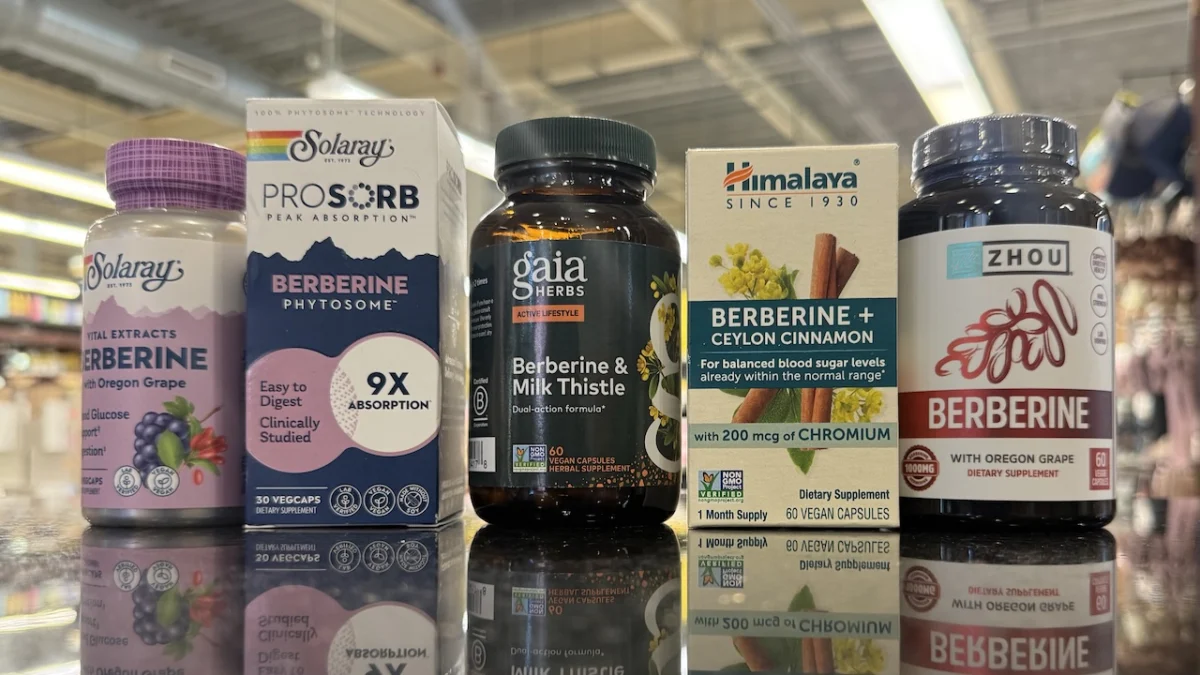
The burgeoning popularity of berberine, a compound lauded in the dietary supplement industry and often dubbed "nature’s Ozempic" for its perceived metabolic benefits, is now facing significant headwinds as European regulatory bodies initiate rigorous safety assessments. Several European agencies have published or are in the process of establishing formal opinions regarding the safety of berberine and plant preparations containing this alkaloid. These evaluations are primarily driven by concerns over potential genotoxicity and the difficulty in establishing a universally safe intake level. The European Food Safety Authority (EFSA) has notably extended its public consultation period for its berberine assessment until July 10, 2026, signaling a thorough and extended review process. This development has raised critical questions about the potential impact of these international regulatory opinions on the use and marketing of berberine in dietary supplements within the United States.
European Regulatory Landscape and Potential U.S. Repercussions
While the U.S. Food and Drug Administration (FDA) operates independently and is not bound by the pronouncements of international regulatory bodies, these European opinions can carry substantial weight and influence. Heather Bustos, founder and managing partner of Bustos Law Group, suggests that such international assessments can have meaningful consequences for the U.S. market.
"If EFSA concludes that a safe intake level cannot currently be established, companies marketing berberine in the U.S. would need to carefully evaluate whether their existing safety substantiation remains sufficient, particularly for higher-dose products," Bustos stated. She elaborated that the FDA requires robust evidence to support a "reasonable expectation of safety under the labeled conditions of use." Consequently, if safety questions arise regarding berberine in the U.S., the FDA or potential litigants could leverage the findings from EFSA’s opinion.
Bustos anticipates a shift in industry practices in response to these regulatory developments. "I also expect brands to become more conservative in their formulation and marketing," she commented. "We may see manufacturers reassess dosage levels, strengthen warning statements for populations already considered at higher risk and invest in additional toxicology or human safety data to support their products." This proactive approach aims to mitigate potential regulatory challenges and consumer concerns.
Doug Lynch, CEO of MarketWell Nutrition, who possesses extensive experience with supplement regulations in Europe, offered a nuanced perspective. "Their process for safety and claims approval is understood by many to be wise on caution, slow and counter to innovation," he observed. "We watch what happens in Europe on safety, but we remain skeptical that the findings justify the clamor." Lynch’s statement highlights a common sentiment within the industry regarding the perceived stringency and pace of European regulatory reviews.
Berberine’s Promising Profile: Benefits and Consumer Interest
Berberine has garnered significant attention, largely propelled by its association with metabolic health and weight management, stemming from its widely circulated "nature’s Ozempic" moniker. However, its therapeutic potential extends beyond these popular applications. Scientific literature points to berberine’s capacity to support cardiovascular health, exhibit neuroprotective effects, aid in maintaining healthy cholesterol and blood pressure levels, and contribute to inflammation management.
The comparison to pharmaceutical drugs like Ozempic, a GLP-1 receptor agonist, primarily gained traction through viral social media trends. Lynch emphasized that these comparisons are often scientifically unfounded and unfair to the compound. Nevertheless, he acknowledges berberine’s value for metabolic support, particularly its demonstrated impact on triglyceride levels. "I have always been a fan of berberine for what I know it can do for health," Lynch stated. "It has been on my radar and the radar of some great brands for over 10 years."
Afif Ghannoum, CEO at CPG Radar, identified tolerability as a key metric for consumers evaluating berberine supplements, noting that it can sometimes lead to gastrointestinal issues or mood changes. "The leading safety searches regarding berberine almost all revolve around its impact on the liver and kidneys," Ghannoum observed, indicating areas of consumer concern.
While acknowledging the powerful consumer driver of weight loss, Ghannoum offered a different perspective on berberine’s future market trajectory. "I suspect that if berberine drops off, it’ll be more to do with the dropping prices of GLP-1s (glucagon-like peptide-1 medications), which will make them increasingly accessible to consumers lower on the economic ladder," he predicted. This suggests a potential market shift driven by the increasing affordability and accessibility of established pharmaceutical treatments.
A Chronology of European Regulatory Scrutiny on Berberine
The current regulatory focus on berberine in Europe has a traceable history, marked by key evaluations and pronouncements from national and supranational bodies.
-
August 1, 2019: The French Agency for Food, Environmental and Occupational Health and Safety (ANSES) published an opinion on the safety of berberine-containing plants for use in food supplements. This assessment followed a request made the previous year. ANSES concluded that, "in the absence of authorized health claims at European level, the benefits of consuming berberine or plants containing it are not currently recognized." This initial opinion flagged a lack of recognized benefits, in addition to potential safety considerations.
-
January 29, 2026: The European Food Safety Authority (EFSA) endorsed its draft opinion on the safety of berberine-containing plant preparations. The scientific panel identified "evidence for berberine genotoxicity in vitro" and raised concerns about the safety of other structurally similar alkaloids. Crucially, the panel noted significant data gaps, including the absence of an "adequate repeated-dose toxicity study on berberine alone." A pivotal finding was the inability of the EFSA panel to establish a safe intake level for plant preparations containing berberine. The European Commission subsequently requested a two-month extension for public consultation on this draft opinion, pushing the deadline to July 10, 2026. This extension allows for broader stakeholder input and further deliberation.
-
June 30, 2026 (Anticipated): The United Kingdom Committee on Toxicity (COT) is currently referencing EFSA’s draft opinion as it develops its own assessment. The COT’s comment period was open until April 17, 2026. Following this, the committee is expected to compile submissions, integrate its comments, and formalize its independent opinion on the safety of berberine-containing plant preparations. This mirrors the ongoing European process and indicates a coordinated, albeit independent, review of the compound’s safety profile.
Broader Implications for the Global Supplement Market
The ongoing regulatory scrutiny of berberine in Europe has significant implications for the global dietary supplement industry, extending beyond the immediate concerns of U.S. manufacturers. The principle of "innocent until proven guilty" that often characterizes regulatory approaches in some regions is being challenged by the precautionary principle increasingly adopted by European bodies.
Companies that have heavily invested in berberine-based products, particularly those targeting the burgeoning metabolic health and weight management markets, will need to brace for potential shifts. The extended consultation period by EFSA suggests a high degree of caution and a commitment to thorough scientific review. This process, while time-consuming, aims to provide a robust scientific basis for regulatory decisions.
The potential for divergent regulatory stances between major markets like the EU and the U.S. can create complex compliance landscapes for multinational supplement companies. Manufacturers may need to develop region-specific compliance strategies, adjusting product formulations, dosage recommendations, and marketing claims to align with differing regulatory requirements.
Furthermore, the genotoxicity concerns highlighted by EFSA, even if based on in vitro studies, could prompt a re-evaluation of toxicological testing protocols for novel botanical ingredients. The industry may see an increased demand for more comprehensive and advanced safety studies, including in vivo genotoxicity assays and extended repeat-dose toxicity studies, to proactively address regulatory concerns.
The discussion surrounding berberine also underscores the evolving nature of supplement regulation. As scientific understanding advances and consumer awareness grows, regulatory bodies are increasingly expected to take a more rigorous stance on ingredient safety. The "nature’s Ozempic" narrative, while effective in generating consumer interest, also inadvertently raises expectations that may not always be fully supported by scientific evidence or may outpace current safety data.
Ultimately, the European regulatory process for berberine serves as a critical case study for the broader dietary supplement industry. It highlights the importance of robust scientific substantiation, transparent communication about ingredient safety, and adaptability in navigating an increasingly complex and vigilant global regulatory environment. The outcomes of EFSA’s and COT’s assessments will undoubtedly shape future discussions and regulatory approaches to botanical compounds with significant physiological effects.
