


Creatine monohydrate stands as the most extensively researched and validated ergogenic aid currently available to athletes and the general public. Despite its historical association with niche bodybuilding circles and occasional misconceptions regarding its safety profile, this naturally occurring compound has transitioned into a mainstream staple of preventative health and performance optimization. As of 2024, the global creatine market continues to expand, driven by a growing body of evidence that transcends mere muscle hypertrophy, pointing toward significant benefits for cognitive health, aging populations, and metabolic stability.
The Evolution of Creatine: A Historical Chronology
The scientific journey of creatine began in 1832 when French chemist Michel Eugène Chevreul identified the compound as a constituent of skeletal muscle. However, it took over a century for the substance to transition from a laboratory curiosity to a performance enhancer. By the early 20th century, researchers noted that consuming large amounts of creatine could increase the intramuscular supply, but it was not until the 1990s that the supplement entered the public consciousness.
The 1992 Barcelona Summer Olympics served as a pivotal moment for the supplement. Reports emerged that high-profile gold medalists, including sprinters and hurdlers, had utilized creatine to enhance their explosive power. Following these games, the supplement industry saw a surge in demand, leading to the first commercially available creatine monohydrate powders. Over the subsequent three decades, thousands of peer-reviewed studies have been conducted, culminating in the International Society of Sports Nutrition (ISSN) officially designating creatine monohydrate as the most effective nutritional supplement available for increasing high-intensity exercise capacity and lean body mass.
The Biochemistry of Cellular Energy
To understand the efficacy of creatine, one must examine the phosphagen system, the body’s primary mechanism for generating immediate energy. The fundamental currency of cellular energy is adenosine triphosphate (ATP). When a muscle contracts, it breaks a phosphate bond in ATP, converting it into adenosine diphosphate (ADP). This process releases energy but leaves the cell with a depleted "battery."
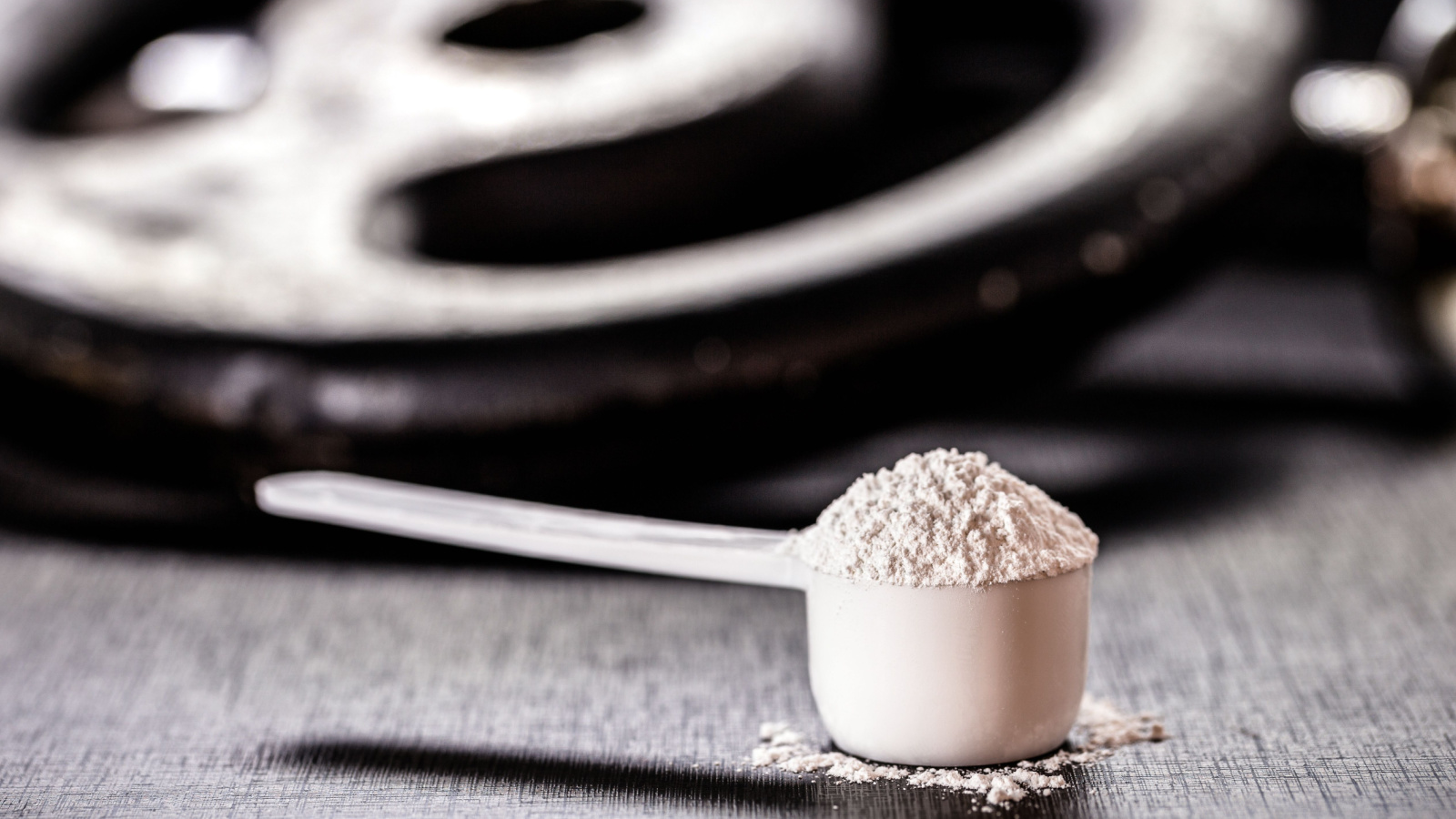
Creatine, stored primarily in the muscles as phosphocreatine (PCr), acts as a high-energy phosphate donor. Through the action of the enzyme creatine kinase, the phosphate group from PCr is transferred back to ADP, rapidly regenerating ATP. This allows an athlete to sustain maximal effort for several seconds longer than they would otherwise be able to. In practical terms, this translates to performing two or three additional repetitions during a heavy set of squats or maintaining a higher peak velocity during a 100-meter sprint.
Clinical Benefits: Strength, Hypertrophy, and Recovery
The primary draw for creatine supplementation remains its impact on physical performance. Meta-analyses of resistance training studies consistently show that individuals supplementing with creatine gain significantly more strength and muscle mass compared to those taking a placebo.
- Muscle Hypertrophy: Creatine promotes muscle growth through several pathways. Initially, it increases cellular hydration by drawing water into the muscle cells (osmosis). This "volumizing" effect not only makes muscles appear larger but also serves as a biological signal for protein synthesis. Long-term, creatine influences myogenic stem cells (satellite cells), which are crucial for muscle repair and growth.
- Protein Kinetics: Evidence suggests that creatine reduces the rate of muscle protein breakdown and may lower levels of myostatin, a protein that inhibits muscle cell growth.
- Recovery and Injury Prevention: Recent data indicates that creatine may help reduce muscle damage and inflammation following intense exercise. By maintaining higher levels of glycogen (stored carbohydrates) when taken alongside glucose, creatine facilitates faster recovery between training sessions.
Beyond the Gym: Neuroprotective and Cognitive Implications
One of the most significant shifts in creatine research involves its role in the brain. The brain is an energy-intensive organ, accounting for approximately 20% of the body’s total energy consumption. Like muscle cells, neurons rely on the ATP-PCr system for rapid energy.
Clinical trials have demonstrated that creatine supplementation can improve short-term memory and reasoning, particularly in individuals under stress or those suffering from sleep deprivation. Furthermore, there is burgeoning interest in creatine’s neuroprotective properties. Research into neurodegenerative diseases, such as Parkinson’s and Alzheimer’s, suggests that maintaining high brain creatine levels may help buffer neurons against oxidative stress and metabolic failure.
Additionally, populations that abstain from meat—the primary dietary source of creatine—often show more pronounced cognitive benefits upon supplementation. A 2020 study published in Nature suggested a correlation between low creatine intake and higher rates of depression and anxiety, highlighting the supplement’s potential role in mental health maintenance.

Strategic Implementation: Loading, Maintenance, and Timing
The goal of creatine supplementation is "muscle saturation"—filling the intramuscular stores to their maximum capacity. There are two primary protocols to achieve this:
The Loading Protocol:
To see immediate results, users often ingest 20 grams of creatine per day, split into four 5-gram doses, for five to seven days. This rapidly saturates the muscles. While effective, this high dose can occasionally cause gastrointestinal (GI) distress in sensitive individuals.
The Maintenance Protocol:
A more conservative approach involves taking 3 to 5 grams daily from the start. While it takes approximately 21 to 28 days to reach full saturation using this method, the end result is identical to the loading protocol, often with a lower risk of digestive upset.
Timing and Synergies:
While creatine can be taken at any time, research published in the Journal of the International Society of Sports Nutrition suggests that post-workout ingestion may be slightly superior. This is likely due to increased blood flow to the muscles and heightened insulin sensitivity following exercise, which may enhance creatine uptake. Combining creatine with a carbohydrate or protein-rich meal further aids absorption through insulin-mediated transport.
Addressing Public Misconceptions and Safety
The safety profile of creatine monohydrate is exceptionally robust, yet several myths persist in the public domain.

Renal Function and Creatinine:
A common concern involves kidney health. Supplementing with creatine naturally increases levels of creatinine, a byproduct of creatine metabolism. Because creatinine is a marker used to assess kidney function, elevated levels on a blood test can be misinterpreted by clinicians unfamiliar with the patient’s supplement regimen. However, numerous long-term studies (lasting up to five years) have shown that creatine does not impair kidney function in healthy individuals.
The Hair Loss Myth:
The concern regarding hair loss stems from a single 2009 study on rugby players, which found an increase in dihydrotestosterone (DHT) after creatine use. DHT is an androgen linked to male pattern baldness. However, this study has never been replicated, and no study has ever directly linked creatine to actual hair loss. Current scientific consensus views this as a correlation without proven causation.
Water Retention:
While creatine does cause water retention, it is intracellular (inside the muscle cell) rather than subcutaneous (under the skin). This distinction is critical; it does not result in a "bloated" appearance but rather a more hydrated and functional muscle.
Economic and Industry Implications
The popularity of creatine has led to a proliferation of "designer" versions, such as creatine HCl, buffered creatine, and creatine ethyl ester. These variants are often marketed as being more absorbable or requiring smaller doses. However, independent laboratory testing and clinical trials consistently show that none of these forms outperform the original, more affordable creatine monohydrate.
In recent years, the price of raw creatine monohydrate has seen fluctuations due to supply chain constraints and skyrocketing global demand. Despite this, it remains one of the most cost-effective supplements on a per-dose basis. Industry experts suggest that as the "longevity" and "anti-aging" markets continue to grow, creatine will likely see further integration into geriatric nutrition products aimed at combating sarcopenia (age-related muscle loss).

Conclusion: A Universal Tool for Performance and Longevity
Creatine monohydrate has transcended its origins as a tool for elite athletes to become a foundational supplement for anyone seeking to improve physical and cognitive resilience. Its ability to bolster the body’s primary energy system provides a multifaceted advantage, ranging from increased strength and muscle volume to potential protection against cognitive decline.
Given its extensive track record of safety, low cost, and high efficacy, the scientific consensus is clear: for the vast majority of the population, creatine supplementation offers significant upside with minimal risk. As research continues to peel back the layers of cellular energy metabolism, creatine’s status as the "gold standard" of the supplement industry appears more secure than ever. Individuals are encouraged to prioritize pure, micronized creatine monohydrate and maintain consistent daily intake to reap the full spectrum of its biological rewards.
