

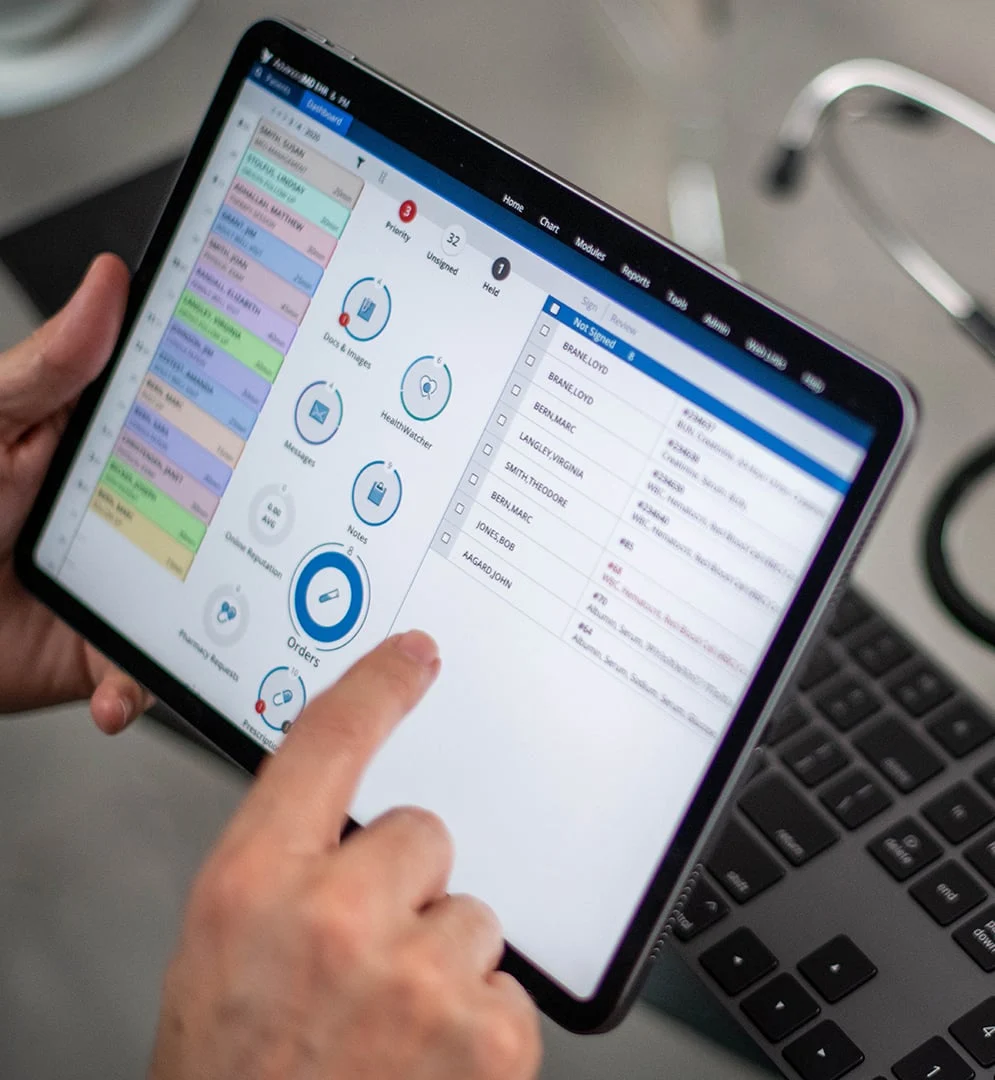
In the rapidly evolving landscape of modern medicine, the electronic health record (EHR) has transitioned from a mere digital repository of patient charts into a sophisticated clinical engine capable of driving complex decision-making. For endocrinologists, whose work involves the longitudinal management of chronic conditions such as diabetes, thyroid disorders, and hormonal imbalances, the requirements for a digital platform are exceptionally high. A high-functioning EHR must do more than record data; it must synthesize years of laboratory trends, integrate seamlessly with wearable diabetes technology, automate the cumbersome process of prior authorizations, and facilitate multidisciplinary coordination. As the healthcare industry moves toward value-based care, the selection of an EHR platform has become a strategic pivot point that determines both the clinical efficacy and the financial viability of an endocrinology practice.
The Evolution of Specialized Health Information Technology
The trajectory of EHR development has shifted significantly over the last two decades. Following the passage of the Health Information Technology for Economic and Clinical Health (HITECH) Act in 2009, the initial rush toward digitization often resulted in "one-size-fits-all" systems that burdened specialists with irrelevant data fields and cumbersome workflows. However, the period between 2015 and 2024 has seen a "specialization renaissance." Developers have increasingly recognized that an endocrinologist’s workflow is fundamentally different from that of a general practitioner or a surgeon.
In endocrinology, the "chronology of care" is paramount. Clinicians require the ability to view glycemic trends alongside medication changes over half a decade, not just half a year. The integration of Patient-Generated Health Data (PGHD)—specifically from Continuous Glucose Monitors (CGMs) and insulin pumps—has transformed the EHR from a static document into a dynamic monitoring station. Today’s market offers a spectrum of solutions, ranging from massive enterprise systems used by academic medical centers to nimble, cloud-based platforms tailored for independent private practices.
Leading Platforms and Clinical Capabilities
Epic: The Enterprise Standard for Interoperability
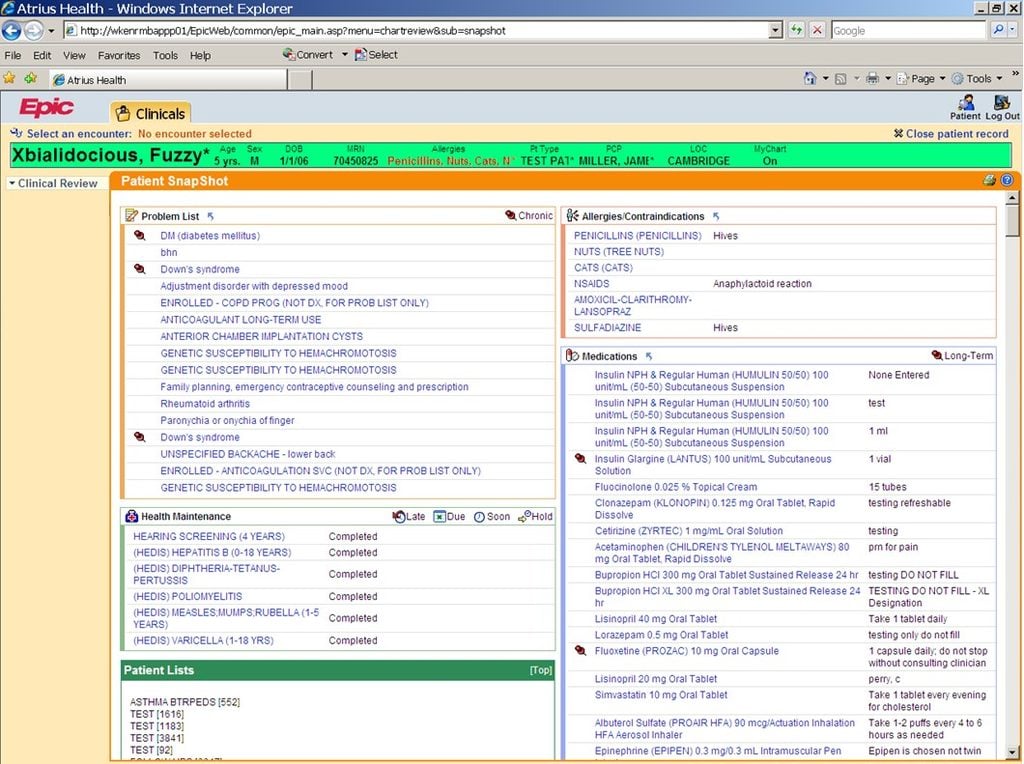
Epic remains the dominant force within large-scale health systems and academic institutions. Its strength lies in its "Care Everywhere" functionality, which allows for the seamless exchange of patient data across different geographical regions and health systems. For the endocrinologist, Epic provides a highly structured environment where longitudinal tracking is built into the core architecture.
The platform’s ability to support "SmartLinks" and "SmartPhrases" allows clinicians to pull laboratory results, such as HbA1c levels or thyroid-stimulating hormone (TSH) trends, directly into their notes, ensuring that documentation is both accurate and efficient. Furthermore, Epic’s robust integration with third-party diabetes management software allows for the direct import of CGM data, which can then be visualized within the patient’s chart. This reduces the need for clinicians to toggle between multiple windows, a known driver of digital fatigue.
athenahealth: Cloud-Native Efficiency and Revenue Support
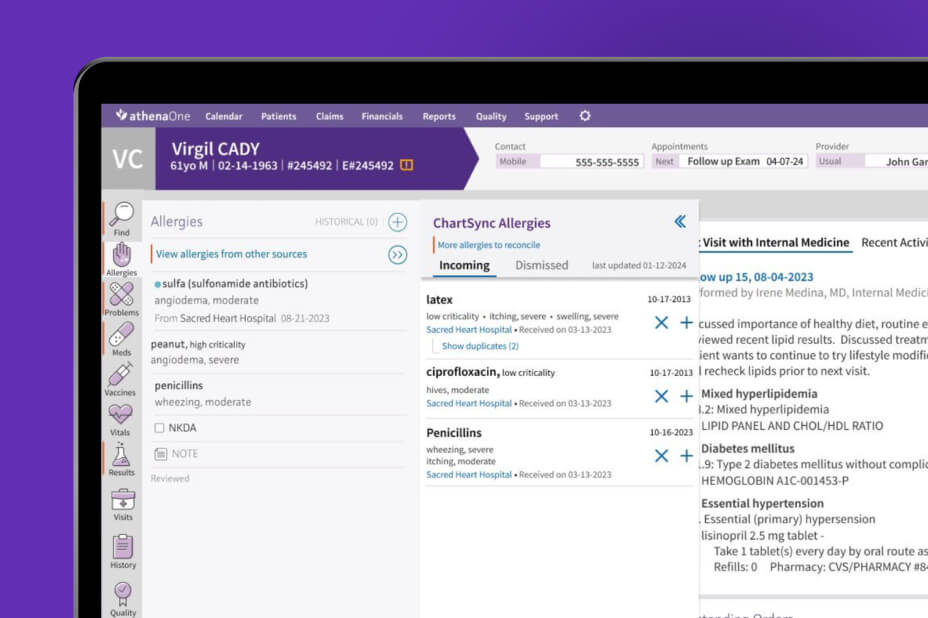
athenahealth has carved out a significant market share by focusing on the intersection of clinical care and administrative efficiency. As a cloud-based provider, it offers a "network effect," where updates to payer rules or clinical guidelines are pushed to all users simultaneously. This is particularly beneficial for endocrinology practices dealing with the high administrative burden of GLP-1 receptor agonists and growth hormone therapies, which frequently require complex prior authorizations.
The platform’s integrated revenue cycle management (RCM) tools help practices track denials and optimize billing codes for specialized procedures like fine-needle aspiration (FNA) of the thyroid or bone density interpretations. By automating patient outreach and reminders, athenahealth assists practices in maintaining the high frequency of follow-up visits necessary for stabilizing complex endocrine patients.
ModMed: Specialty-Specific Intuition
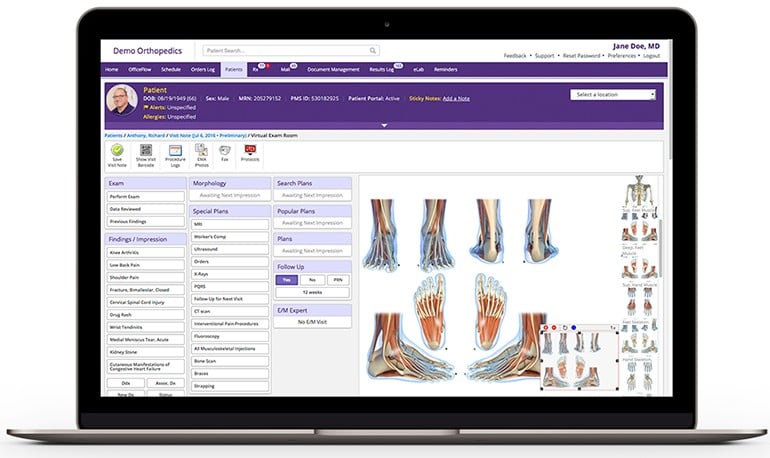
ModMed (Modernizing Medicine) was designed with a "specialty-first" philosophy. Its endocrinology-specific suite is built around the way a specialist thinks, rather than the way a coder bills. The interface is highly visual and mobile-friendly, allowing physicians to document at the point of care using tablets.
A standout feature of ModMed is its adaptive learning technology. The system observes the clinician’s common prescriptions, diagnoses, and plan recommendations, eventually pre-populating fields to save time. For a practice focused heavily on thyroid surveillance or osteoporosis, the platform can be configured to highlight specific diagnostic markers, ensuring that subtle shifts in patient health are not overlooked in the sea of data.
eClinicalWorks: Population Health and Telehealth Integration
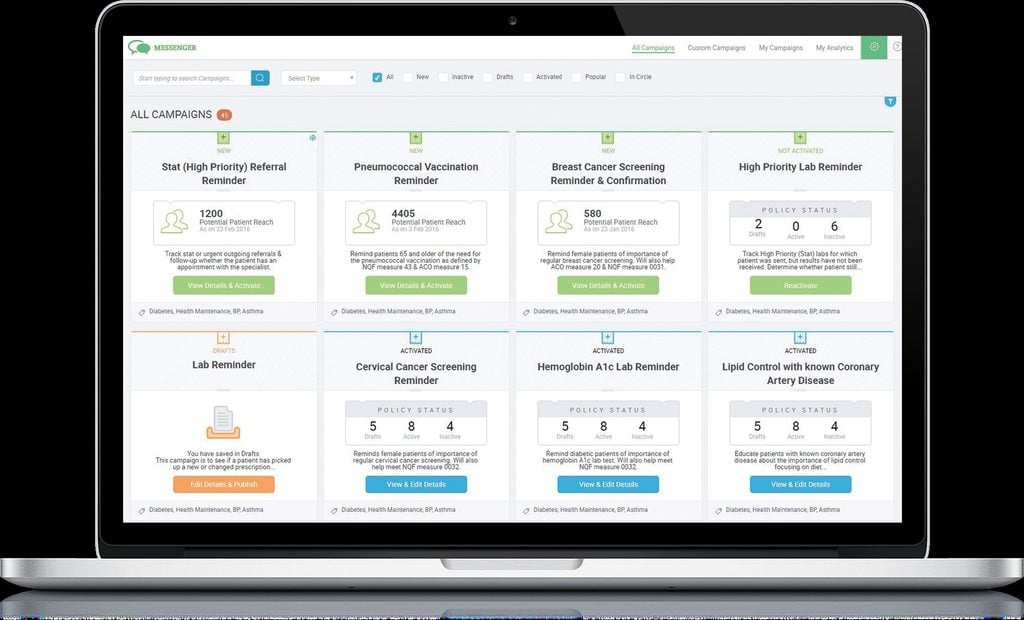
eClinicalWorks (eCW) has positioned itself as a leader in chronic disease management through its focus on population health. For endocrinology groups managing large cohorts of diabetic patients, eCW’s HEDIS (Healthcare Effectiveness Data and Information Set) dashboards are invaluable. These tools allow providers to identify "gaps in care"—such as patients who have missed their annual diabetic eye exams or those whose A1c levels have drifted above target thresholds.
The platform’s "healow" (Health and Online Wellness) ecosystem provides a robust patient portal and telehealth integration. This became a critical asset during the COVID-19 pandemic and remains essential for endocrinology, a field where many consultations—such as insulin dose adjustments or lab reviews—can be conducted effectively via remote monitoring and video visits.
NextGen Healthcare: Coordination Across the Care Continuum
NextGen Healthcare is frequently the choice for multi-specialty groups where endocrinologists must work in lockstep with primary care physicians, podiatrists, and cardiologists. Its interoperability features are designed to break down "data silos," ensuring that a patient’s latest lipid panel or renal function test is visible to every member of the care team.
NextGen’s clinical decision support (CDS) tools can be customized to alert providers to potential drug-to-drug interactions or to suggest evidence-based screenings based on the patient’s age and co-morbidities. This level of automation is vital for managing the "metabolic syndrome" patient, whose care often involves a delicate balance of multiple high-risk medications.
AdvancedMD: Bridging the Business-Clinical Divide
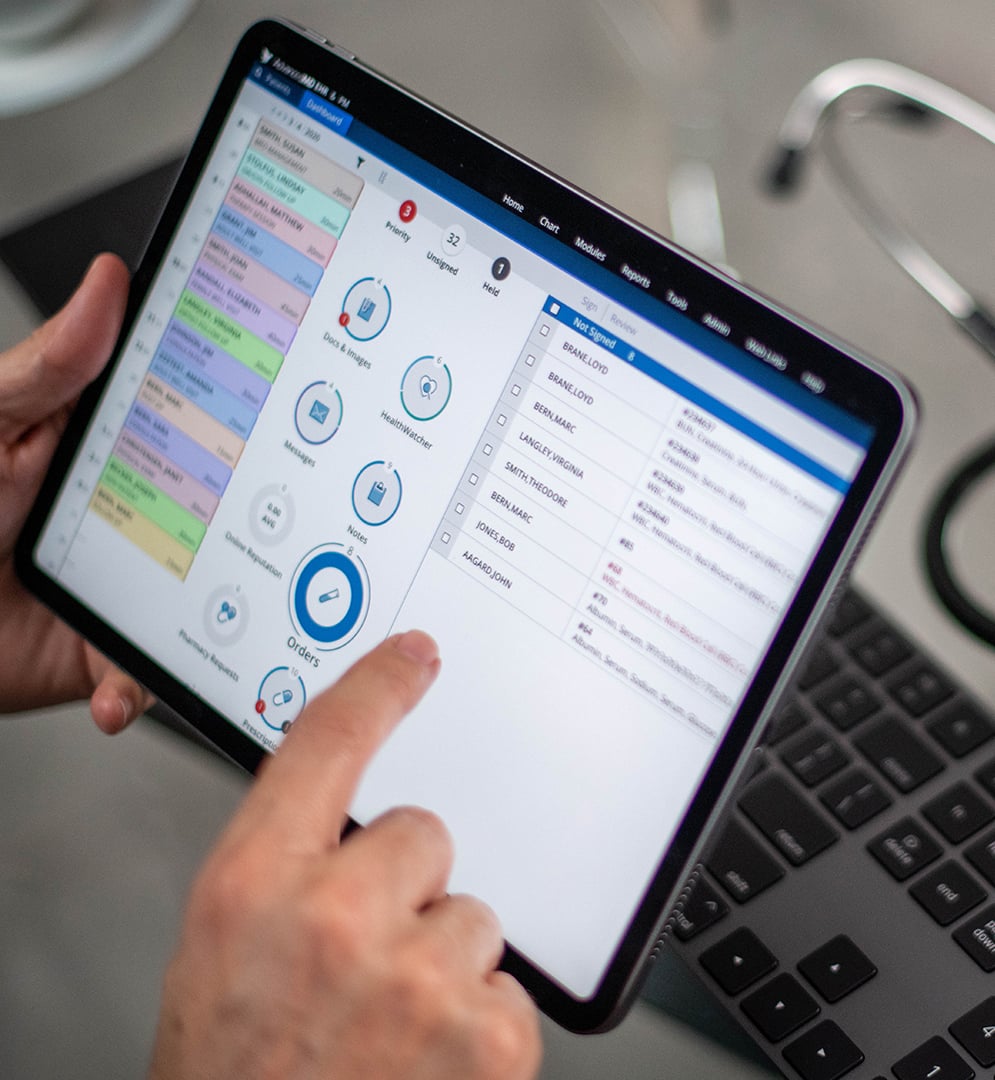
AdvancedMD offers a comprehensive "all-in-one" solution that is particularly attractive to independent endocrinology practices. It integrates EHR, practice management, and patient engagement into a single database. This eliminates the "data lag" that can occur when clinical and billing systems are disconnected.
The platform’s customizable templates allow for specific workflows for conditions like Addison’s disease or pituitary disorders, which may not be well-supported by more generic systems. Additionally, its financial reporting tools provide practice owners with deep insights into productivity and overhead, allowing for more informed business decisions in an era of tightening reimbursements.
Supporting Data and Market Trends
The drive toward specialized EHRs is backed by compelling industry data. According to a 2023 report on physician burnout, specialists spend an average of 15.5 hours per week on paperwork and administration, with endocrinologists frequently ranking in the top tier of this metric due to the data-intensive nature of the field. Market analysis indicates that the global EHR market is expected to reach $38.5 billion by 2030, with a significant portion of that growth driven by the demand for specialty-specific modules.
Furthermore, the prevalence of diabetes in the United States—currently affecting over 38 million people according to the CDC—has created a massive demand for endocrinology services. This volume necessitates systems that can automate routine tasks. Data suggests that practices utilizing integrated CGM-EHR workflows see a 20% reduction in time spent on data entry, allowing for more face-to-face patient interaction.
Implications for the Future of Endocrinology
The transition to advanced EHR platforms is not merely a technological upgrade; it is a fundamental shift in how endocrine care is delivered. The move toward "Big Data" in the clinic allows for predictive analytics. Future iterations of these platforms are expected to incorporate Artificial Intelligence (AI) that can predict a patient’s risk of diabetic ketoacidosis (DKA) or thyroid storm days before clinical symptoms manifest, based on subtle trends in laboratory data and vitals.
However, the "digital divide" remains a concern. While large health systems can afford the significant capital investment and IT support required for enterprise systems like Epic, smaller practices must weigh the cost of high-end platforms against the potential gains in efficiency. The "Total Cost of Ownership" (TCO) for an EHR includes not just the subscription fee, but also the time lost during training and the cost of maintaining cybersecurity protocols.
Official Responses and Industry Sentiment
While EHR vendors emphasize efficiency and "user-centric design," the sentiment from the medical community is often more nuanced. Organizations like the American Association of Clinical Endocrinology (AACE) have historically advocated for better data portability and reduced "click-count" to combat physician fatigue. In various industry forums, Chief Medical Information Officers (CMIOs) have noted that the "perfect EHR" does not exist; rather, the success of a platform depends on how well it is implemented and customized to the specific needs of the local clinical staff.
The consensus among health informatics experts is that the next five years will be defined by "open APIs" (Application Programming Interfaces). This will allow endocrinologists to "plug and play" various specialized apps—such as advanced insulin dosing calculators or thyroid nodule AI analyzers—directly into their primary EHR, creating a bespoke digital ecosystem.
Conclusion
The selection of an EHR platform is one of the most consequential decisions an endocrinology practice can make. Whether a practice prioritizes the interoperability of Epic, the cloud-based agility of athenahealth, or the specialty-specific intuition of ModMed, the goal remains the same: to harness data in a way that enhances the patient-physician relationship. As the complexity of endocrine care continues to grow, these digital platforms will serve as the essential infrastructure for delivering precise, coordinated, and compassionate care in the 21st century.
