

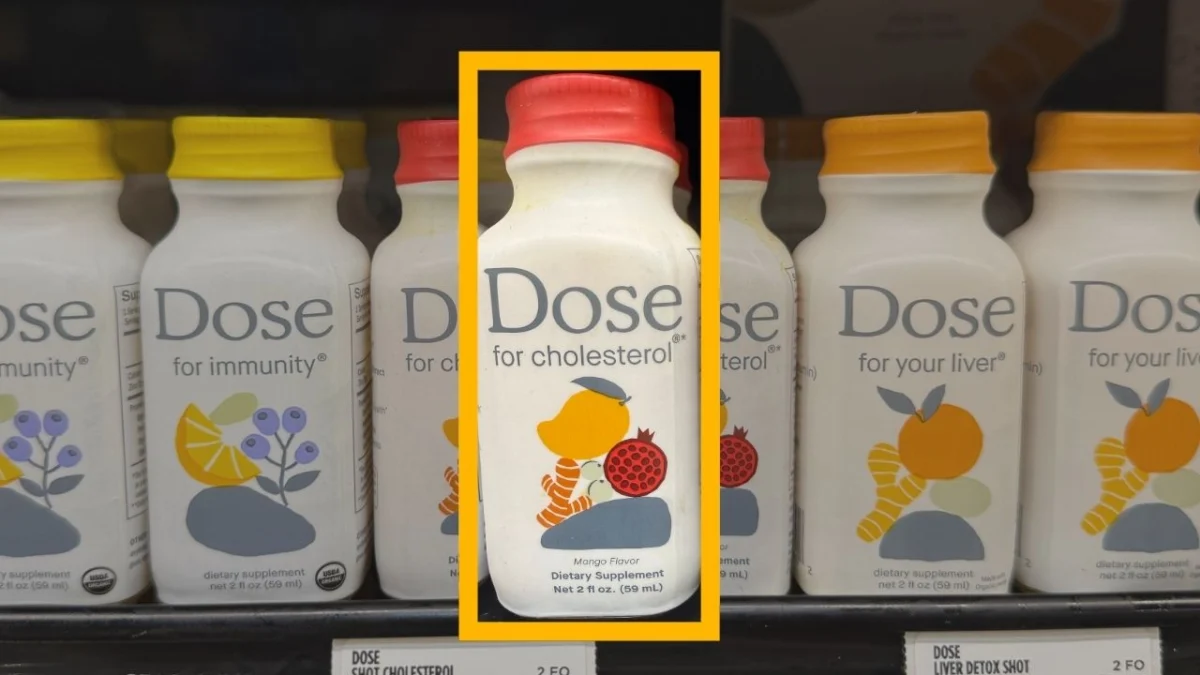
A recent clinical trial has provided robust scientific validation for the cholesterol-lowering claims of Dose for Cholesterol, a popular liquid dietary supplement. Published in the esteemed Journal of Dietary Supplements, the randomized, double-blind, placebo-controlled study revealed that participants who consumed the supplement experienced a notable reduction in LDL ("bad") cholesterol levels over a 90-day period. This finding offers a promising development for consumers seeking science-backed solutions to manage their cardiovascular health.
The study, which involved 86 participants aged 18 to 65, meticulously examined the effects of the Dose product. Participants were administered either 60 mL of the supplement or a placebo twice daily. The results indicated a significant decrease in LDL cholesterol among those taking the Dose formulation, averaging nearly 20 mg/dL. In stark contrast, the placebo group observed an increase of 21 mg/dL in their LDL cholesterol levels, highlighting the efficacy of the supplement.
Beyond LDL cholesterol, the clinical trial also reported significant positive impacts on other key lipid markers. The Dose supplement demonstrated a significant reduction in total cholesterol and triglycerides, two other critical indicators of cardiovascular risk. Furthermore, it was associated with a significant increase in HDL ("good") cholesterol, which plays a vital role in transporting excess cholesterol away from the arteries. This multi-faceted improvement in lipid profiles underscores the comprehensive approach of the Dose formulation towards cardiovascular support.
Safety and tolerability were also paramount considerations in the trial design. Researchers diligently monitored liver and kidney function to ensure the product’s safety profile. The study found no significant adverse increases in these vital biomarkers, suggesting that the supplement is safe for consumption within the tested parameters. While the supplement did lead to significant decreases in several liver enzyme levels, this was not accompanied by any reported adverse effects in either the supplement or placebo groups, indicating a generally well-tolerated product. This thorough safety evaluation adds another layer of confidence for consumers and healthcare professionals alike.
Dose, a brand recognized for its multi-ingredient formulations tailored to specific health needs, formulated its cholesterol product with a blend of scientifically supported ingredients. While the exact proprietary formulation details are often guarded, the study’s findings point to the synergistic action of its components. Commonly found in such formulations are ingredients like plant sterols, which are known to inhibit cholesterol absorption in the gut, and fiber sources such as beta-glucans, which can bind to cholesterol in the digestive tract and promote its excretion. The inclusion of coenzyme Q10, niacinamide (vitamin B3), and folate (vitamin B9) further suggests a holistic approach, as these nutrients play various roles in cardiovascular health, including energy production, lipid metabolism, and homocysteine regulation.
The publication of these trial results in the Journal of Dietary Supplements marks a significant milestone for Dose and the broader dietary supplement industry. Peer-reviewed clinical data provides a critical foundation for consumer trust and allows for more informed decision-making by healthcare providers. The supplement industry has faced scrutiny regarding the scientific backing of its products, and studies like this are essential for fostering credibility and demonstrating tangible health benefits.
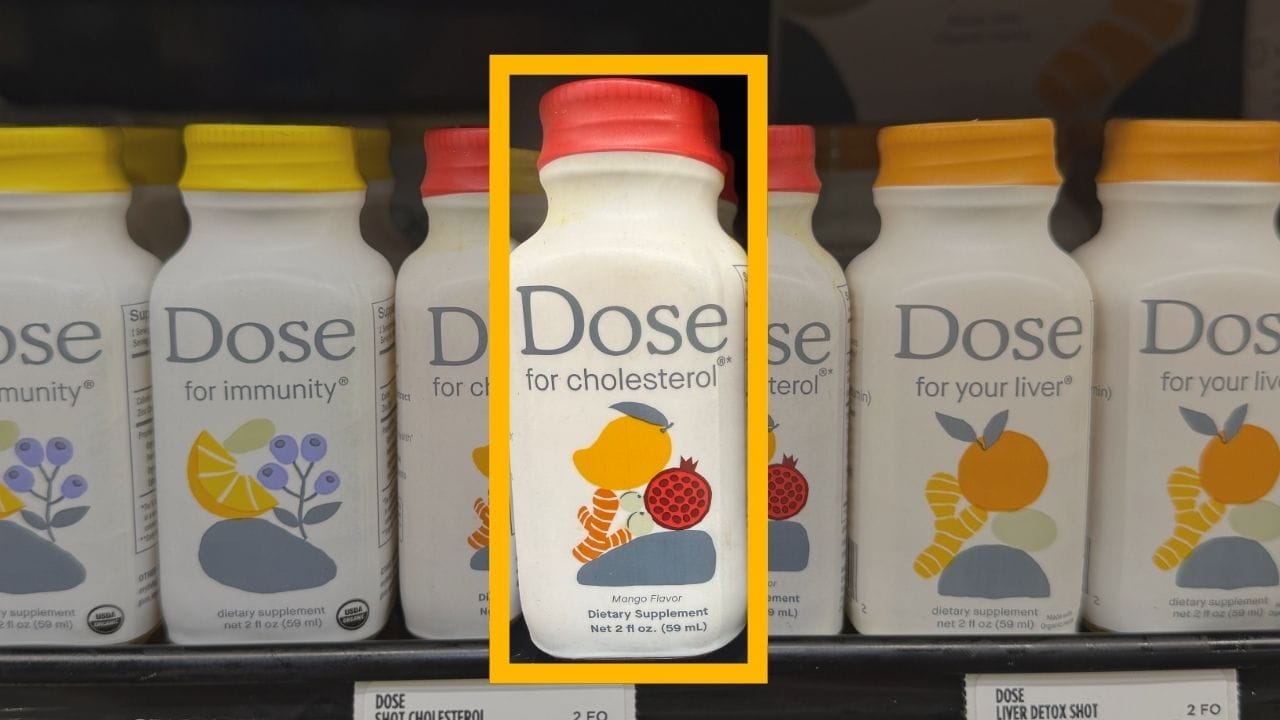
The history of dietary supplements targeting cholesterol management has been evolving. Early approaches often focused on single ingredients with varying degrees of efficacy and safety. Over time, research has shifted towards understanding the synergistic effects of multiple compounds, leading to more sophisticated formulations like Dose. The development of liquid supplements has also offered an alternative delivery system, which some consumers find more palatable or easier to digest than traditional capsules or tablets. This trend reflects a growing consumer demand for convenient and effective health solutions.
Timeline of Research and Development for Cholesterol-Targeting Supplements
The journey towards evidence-based cholesterol management through dietary supplements can be traced back several decades. Early research in the mid-to-late 20th century began to identify specific dietary components that could influence cholesterol levels.
- 1950s-1970s: Initial epidemiological studies highlighted the link between dietary fat intake and cardiovascular disease. Research into the role of cholesterol and its different forms (LDL and HDL) began to gain traction.
- 1980s-1990s: The isolation and study of plant sterols and stanols emerged as a significant area of research. These compounds were found to effectively compete with dietary and biliary cholesterol for absorption in the intestine. Soluble fibers, such as those found in oats and barley (beta-glucans), also demonstrated cholesterol-lowering potential through similar mechanisms.
- Late 1990s-Early 2000s: The development of the first commercially available products containing plant sterols and stanols began. Clinical trials started to investigate the efficacy of these ingredients, often in fortified foods. The understanding of the role of other nutrients, like niacin and coenzyme Q10, in lipid metabolism also deepened.
- 2000s-2010s: Research expanded to explore the synergistic effects of combining different ingredients. Multi-ingredient formulations, including those in liquid forms, started to appear on the market, aiming to provide a more comprehensive approach to cholesterol management. The focus shifted from single-ingredient efficacy to understanding how various compounds could work together.
- 2010s-Present: The industry has seen a greater emphasis on rigorous clinical trials to substantiate product claims. Regulatory bodies worldwide have also increased their oversight, demanding robust scientific evidence for health claims. Liquid supplement formats have gained popularity due to ease of use and potential for faster absorption. The current study on Dose for Cholesterol represents the continuation of this trend, providing concrete clinical data for a specific multi-ingredient liquid formulation.
Broader Impact and Implications
The findings from the Dose for Cholesterol clinical trial have several significant implications for the dietary supplement industry, consumers, and the broader landscape of cardiovascular health management.
For the dietary supplement industry, this study serves as a powerful example of how investing in rigorous scientific research can lead to market differentiation and enhanced consumer trust. Companies that prioritize evidence-based product development are likely to gain a competitive advantage in an increasingly discerning market. This study can encourage other brands to undertake similar clinical investigations, elevating the overall scientific credibility of the supplement sector. It also underscores the importance of transparent reporting of ingredient efficacy and safety.
For consumers, the trial provides a concrete, scientifically validated option for managing LDL cholesterol. Individuals seeking to proactively support their cardiovascular health now have access to data that supports the effectiveness of Dose for Cholesterol. This empowers them to make more informed choices, potentially alongside conventional medical advice, in collaboration with their healthcare providers. The availability of such evidence-based products can contribute to better adherence to health regimens and improved health outcomes.
From a public health perspective, the study contributes to the growing body of evidence supporting the role of dietary interventions in cardiovascular disease prevention and management. While not a replacement for prescribed medications, effective dietary supplements can play a complementary role, potentially reducing reliance on pharmaceuticals for some individuals or enhancing the overall effectiveness of a comprehensive health plan. The significant reduction in LDL cholesterol observed in the trial is particularly noteworthy, as high LDL is a well-established risk factor for heart disease.
Furthermore, the study’s detailed analysis of safety parameters, including liver and kidney function, provides reassurance regarding the product’s tolerability. This is crucial for long-term consumer use and for the integration of such supplements into broader health strategies. The decrease in certain liver enzymes, while not associated with adverse effects, warrants continued observation and may be an area for future investigation to fully understand its clinical significance.
The success of Dose for Cholesterol in this clinical trial also highlights the potential of innovative delivery systems, such as liquid supplements. For individuals who have difficulty swallowing pills or prefer alternative forms of supplementation, liquid formulations offer a convenient and potentially more bioavailable option. This can improve compliance and, consequently, the likelihood of achieving desired health outcomes.
The future trajectory of cholesterol management through supplements will likely involve continued research into synergistic ingredient combinations, personalized nutrition approaches, and the integration of supplements with other lifestyle interventions and medical treatments. Studies like the one conducted on Dose for Cholesterol are vital in building this future, offering a clear demonstration of scientific rigor leading to tangible health benefits.
The Journal of Dietary Supplements is a recognized platform for disseminating research in the nutraceutical field, and its publication of these findings lends significant weight to the results. The journal’s commitment to peer review ensures that the study’s methodology, data analysis, and conclusions have been scrutinized by independent experts, further validating its scientific merit.
As the science behind dietary supplements continues to advance, it is crucial for consumers and healthcare professionals to rely on credible, evidence-based information. The Dose for Cholesterol trial represents a positive step forward in this regard, offering a clear and compelling demonstration of a product’s ability to positively impact a critical health marker. This research not only supports the efficacy of the specific product but also contributes to the broader understanding of how targeted nutritional interventions can play a role in maintaining cardiovascular well-being.
