


The dietary supplement industry is once again at the forefront of scientific innovation and market accountability, with recent developments highlighting both challenges and promising advancements. In this comprehensive edition of Supplement Shorts, we delve into a critical investigation by Kaneka Nutrients, a leading ingredient supplier, which has revealed a significant issue of ubiquinol supplements failing to meet label claims. Simultaneously, emerging research points to the potent physiological benefits of beetroot, particularly its ability to boost VO2 max, a key indicator of cardiovascular fitness. The landscape is further shaped by ongoing supplier innovations and new finished product launches, reflecting the dynamic nature of the nutraceutical sector.
Ubiquinol Supplements Face Scrutiny Amidst Widespread Label Non-Compliance
A recent initiative by Kaneka Nutrients, a prominent supplier of ubiquinol ingredients, has brought to light a concerning trend of mislabeled products in the ubiquinol supplement market. Since the program’s inception in May 2023, Kaneka has identified a substantial number of dietary supplements that do not contain the ubiquinol content advertised on their labels. The testing initiative, conducted in partnership with the independent laboratory service provider Eurofins, involves sourcing products directly from online retail platforms, primarily Amazon, and subjecting them to rigorous third-party analysis.
The results unveiled by Kaneka Nutrients paint a stark picture. As of the latest announcement, a total of 24 products have been flagged for failing to meet their label claims. Disturbingly, reports indicate that all tested products from these non-compliant batches contained only negligible amounts of ubiquinol, suggesting a significant discrepancy between consumer expectations and the actual product contents.
Terese Mansell, Vice President at Kaneka Nutrients, articulated the program’s core objective: "By exposing products that misrepresent their contents, we aim to prevent misleading claims that undermine trust, devalue authentic ubiquinol products, and compromise health outcomes." This statement underscores the ingredient supplier’s commitment to safeguarding the integrity of the ubiquinol market, a category Kaneka has been instrumental in developing.
Mansell further emphasized the company’s sense of responsibility, stating, "We built this category, which means we have an obligation to protect it. That stewardship extends beyond our own manufacturing standards to what consumers find on shelves." This proactive stance highlights a growing awareness within the industry of the need for greater transparency and accountability throughout the supply chain, from ingredient sourcing to the final product reaching the consumer.
Ubiquinol, the reduced and more bioavailable form of coenzyme Q10 (CoQ10), is a vital antioxidant naturally produced in the body. It plays a crucial role in cellular energy production within the mitochondria, the powerhouses of cells. Research has explored its potential benefits across various health domains, including supporting mitochondrial function, promoting cardiovascular health, and contributing to female reproductive health. The widespread misrepresentation of ubiquinol content in supplements raises concerns about consumer access to products that may not deliver the purported health benefits, potentially leading to wasted expenditure and a decline in consumer confidence.
The implications of this widespread non-compliance extend beyond individual consumer deception. It poses a threat to the reputation of the entire ubiquinol market, potentially deterring consumers from purchasing products that are, in fact, legitimate and effective. Furthermore, it creates an uneven playing field for manufacturers who adhere to strict quality control measures and invest in high-quality ubiquinol ingredients. The long-term impact could be a stagnation of market growth and a reduction in investment in research and development if trust is eroded.
Beetroot’s Potential to Enhance Athletic Performance: A Scientific Spotlight
In contrast to the cautionary tale surrounding ubiquinol, emerging scientific evidence continues to highlight the significant physiological benefits of beetroot, particularly its impact on athletic performance. Recent studies and ongoing research are solidifying beetroot’s reputation as a potent natural ergogenic aid, primarily due to its rich content of dietary nitrates.

Dietary nitrates are converted in the body to nitric oxide (NO), a molecule that plays a critical role in vasodilation – the widening of blood vessels. This vasodilation leads to improved blood flow, reduced oxygen cost during exercise, and enhanced muscle contractility, all of which can contribute to better athletic performance.
Multiple clinical trials have demonstrated a consistent positive correlation between beetroot consumption and an increase in VO2 max. VO2 max, or maximal oxygen uptake, is a measure of the maximum amount of oxygen an individual can utilize during intense exercise. It is a key determinant of aerobic fitness and endurance capacity. Studies have reported increases in VO2 max ranging from 5% to as high as 15% following regular beetroot supplementation or consumption. For instance, a meta-analysis published in the Journal of the American College of Nutrition indicated a significant improvement in endurance performance in athletes consuming beetroot juice.
The timing and dosage of beetroot consumption can influence its effectiveness. Typically, studies involve consuming beetroot juice or extract several hours before exercise, allowing for the conversion of nitrates to nitric oxide. The recommended dosage often ranges from 300-600 mg of beetroot extract or approximately 500 ml of beetroot juice, although individual responses may vary.
The appeal of beetroot as a performance-enhancing supplement lies in its natural origin and perceived safety profile compared to some synthetic alternatives. As athletes and fitness enthusiasts increasingly seek natural ways to optimize their performance, beetroot-based products are gaining traction in the market. This growing interest is likely to drive further innovation in formulation, with companies exploring various delivery formats such as powders, capsules, and ready-to-drink beverages to cater to diverse consumer preferences.
The scientific community continues to explore the nuances of beetroot’s effects, including its impact on different types of exercise, varying populations (e.g., elite athletes versus recreational exercisers), and potential synergistic effects with other supplements. The robust and growing body of evidence positions beetroot as a valuable ingredient for dietary supplements aimed at improving cardiovascular health and enhancing athletic performance.
Ingredient Supplier Innovations and Finished Product News
The dietary supplement industry is characterized by a constant stream of innovation from ingredient suppliers and the subsequent development of novel finished products. These advancements are driven by scientific discovery, evolving consumer demands, and a commitment to providing effective and targeted nutritional solutions.
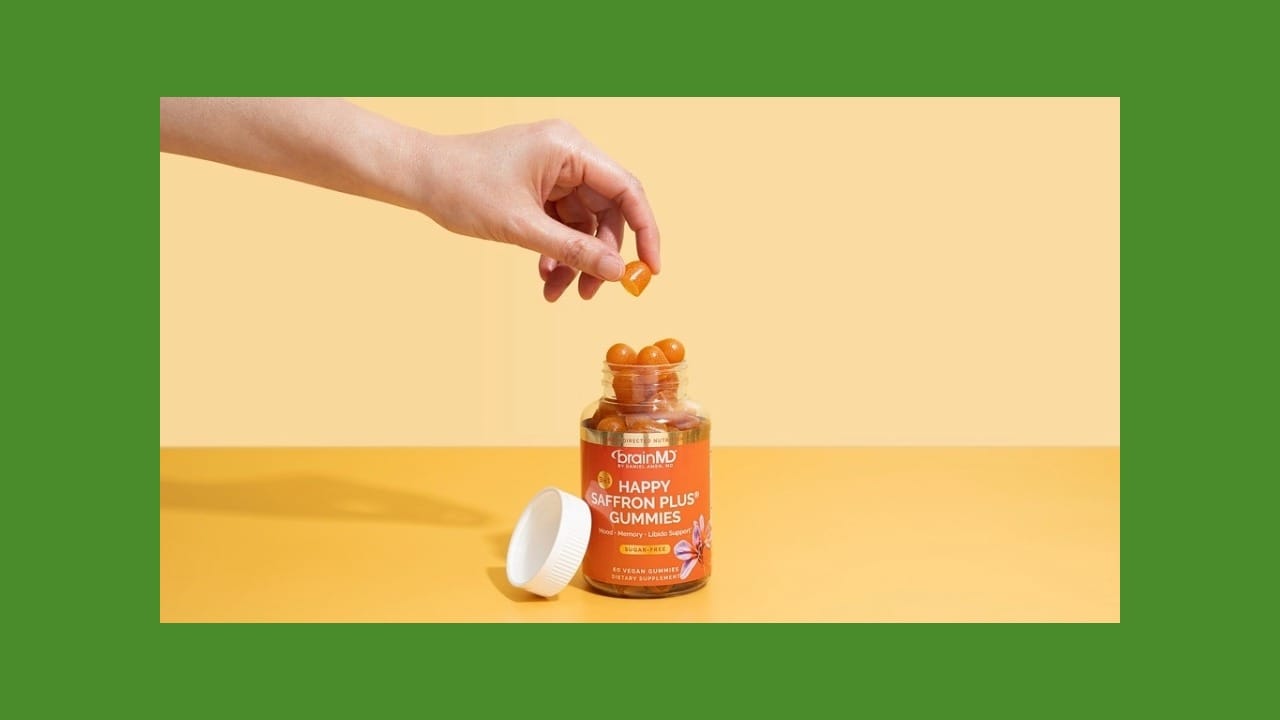
In the realm of finished products, BrainMD has recently launched its "Happy Saffron Plus" gummies. These innovative gummies are formulated with a synergistic blend of saffron and curcumin extracts, ingredients recognized for their potential to support mood regulation and cognitive function. Saffron, a potent spice, has been traditionally used to alleviate symptoms of mild depression and anxiety, while curcumin, the active compound in turmeric, is well-known for its anti-inflammatory and antioxidant properties, which can benefit brain health. This product launch exemplifies the trend towards functional gummies that offer targeted benefits beyond basic nutritional support, appealing to consumers seeking convenient and palatable ways to support their mental well-being.
The development of such products is often underpinned by ingredient suppliers who are continuously working to isolate, standardize, and enhance the bioavailability of key compounds. Innovations in extraction techniques, encapsulation technologies, and formulation science are crucial in ensuring that the active ingredients in these finished products are effectively delivered to the body and can exert their intended physiological effects.
Ingredient suppliers are also actively involved in expanding the applications of their existing portfolios and developing new ingredients based on emerging scientific research. For example, ongoing research into the microbiome and its impact on overall health is driving the development of novel probiotic and prebiotic ingredients. Similarly, advancements in understanding cellular aging and regeneration are spurring the creation of ingredients that support longevity and vitality.
The industry’s commitment to innovation is further evidenced by the proactive engagement of companies in sharing their research findings and product developments. This open exchange of information, often facilitated by industry publications and conferences, allows for a more rapid advancement of scientific understanding and product development.
Industry Trends and Future Outlook
The current landscape of the dietary supplement industry is marked by a duality of challenges and opportunities. The issue of ubiquinol label non-compliance, as highlighted by Kaneka Nutrients’ initiative, serves as a critical reminder of the persistent need for stringent quality control and regulatory oversight. Consumer trust is paramount, and any erosion of that trust can have far-reaching consequences for the entire industry. It is imperative that all stakeholders, from ingredient suppliers to manufacturers and retailers, prioritize transparency, accuracy, and ethical business practices.
The positive developments surrounding beetroot’s efficacy in boosting VO2 max underscore the power of natural ingredients supported by robust scientific evidence. As consumer interest in natural health solutions continues to grow, ingredients like beetroot, with their well-documented benefits and favorable safety profiles, are poised for increased market penetration. This trend is likely to encourage further research into other botanicals and natural compounds with potential health-promoting properties.
The ongoing innovation in finished product formulations, such as the introduction of functional gummies like BrainMD’s Happy Saffron Plus, reflects a broader trend towards personalized nutrition and targeted health solutions. Consumers are increasingly seeking supplements that address specific health concerns, from cognitive function and mood to immune support and athletic performance. This demand is driving the development of sophisticated formulations that combine multiple synergistic ingredients and utilize advanced delivery systems.
Looking ahead, the dietary supplement industry is expected to continue its trajectory of growth, fueled by an aging global population, increasing health consciousness, and a growing body of scientific research supporting the efficacy of various supplements. However, this growth must be accompanied by a steadfast commitment to quality, transparency, and ethical conduct. The success of the industry hinges on its ability to consistently deliver safe, effective, and accurately labeled products that meet the evolving needs and expectations of consumers.
For companies looking to contribute to this dynamic sector, staying abreast of scientific advancements, embracing innovative ingredient technologies, and prioritizing rigorous quality assurance will be key. Furthermore, a proactive approach to industry best practices and a willingness to address challenges head-on will be crucial in fostering a sustainable and trustworthy supplement market for years to come.
SupplySide Supplement Journal remains dedicated to reporting on these critical developments, providing insights into scientific innovations, ingredient news, and finished product launches. We encourage industry professionals to reach out with their own groundbreaking announcements, research findings, and product news to share with the wider nutraceutical community. Please contact Devon Gholam at [email protected] to share your contributions.
