


In the evolving landscape of sports nutrition and clinical dietetics, protein has emerged as the primary macronutrient of interest for athletes, fitness enthusiasts, and individuals pursuing metabolic health. While the "gym rat" archetype has historically been associated with high-protein consumption, modern nutritional science—supported by registered dietitians—increasingly highlights the broader physiological benefits of a protein-forward, low-carbohydrate approach. This nutritional strategy focuses on optimizing body composition, enhancing satiety, and leveraging the thermic effect of food to maintain a healthy weight. However, the efficacy of such a diet often hinges on variety and long-term compliance, moving away from the monotonous "chicken and broccoli" stereotype toward a diverse array of nutrient-dense whole foods.
The Physiological and Metabolic Foundations of Protein Intake
The prioritization of protein in a diet serves functions far beyond the visible repair and growth of skeletal muscle. From a clinical perspective, proteins are the building blocks of life, essential for the synthesis of hormones, enzymes, and immune system components. When compared to fats and carbohydrates, protein exhibits a significantly higher Thermic Effect of Food (TEF). Research published in the Journal of the American College of Nutrition indicates that the body expends roughly 20% to 30% of the energy consumed from protein simply to digest and process it, compared to 5% to 15% for carbohydrates and fats. This metabolic "advantage" means that a higher percentage of protein calories are utilized for processing rather than storage.

Furthermore, protein is the most satiating macronutrient. Clinical trials have consistently shown that high-protein meals increase the secretion of satiety hormones such as cholecystokinin (CCK) and glucagon-like peptide-1 (GLP-1), while suppressing ghrelin, the primary hunger hormone. For the general population, the Recommended Dietary Allowance (RDA) is set at a modest 0.8 grams per kilogram of body weight. However, for active individuals and those looking to preserve lean mass during weight loss, registered dietitians typically prescribe a range between 1.76 to 2.75 grams per kilogram (approximately 0.8 to 1.25 grams per pound) of body weight.
A Chronology of Dietary Protein Research and Guidelines
The understanding of protein requirements has shifted dramatically over the last century. In the early 20th century, protein was viewed primarily through the lens of preventing deficiency diseases. By the 1970s and 80s, the "Low-Fat Era" saw a shift toward high-carbohydrate diets, often at the expense of protein and healthy fats.
The 1990s and early 2000s marked a turning point with the rise of the Atkins and South Beach diets, which popularized low-carb living but were often criticized for a lack of nuance regarding food quality. In the last decade, the consensus among organizations like the International Society of Sports Nutrition (ISSN) and the Academy of Nutrition and Dietetics has moved toward "nutrient timing" and "protein quality," emphasizing the importance of leucine—a key amino acid for muscle protein synthesis—and the necessity of varied protein sources to ensure a complete micronutrient profile.

The 20 Essential High-Protein, Low-Carb Foods
To maintain dietary adherence, experts suggest rotating protein sources to prevent "palate fatigue." The following list represents the most effective options for a high-protein, low-carb lifestyle:
Avian and Land-Based Proteins
- Chicken Breast: The quintessential lean protein, providing approximately 31 grams of protein per 100 grams with minimal fat.
- Chicken Thighs: A more flavorful alternative that offers a moderate fat content, aiding in the absorption of fat-soluble vitamins.
- Lean Ground Beef (95/5): A versatile source of iron and Vitamin B12, essential for energy metabolism.
- Sirloin Steak: A lean red meat option that balances high protein with lower saturated fat compared to ribeye.
- Strip Steak: Similar to sirloin, this cut is a staple for athletes requiring high-quality amino acids and zinc.
- Ribeye Steak: While higher in fat and calories, it provides a dense source of nutrients and is often used in "bulking" phases or ketogenic protocols.
- Pork Chops: Often referred to as "the other white meat," lean pork is rich in thiamine and selenium.
- Pork Shoulder: Ideal for slow-cooking, this provides a moderate fat-to-protein ratio suitable for varied meal prep.
- Ham: A cured option that is relatively lean, though dietitians caution monitoring sodium levels in processed varieties.
- Beef Liver: A "superfood" among organ meats, it is exceptionally high in Vitamin A, copper, and B vitamins.
Marine-Based Proteins
- Salmon: Provides a potent combination of high-quality protein and Omega-3 fatty acids (EPA and DHA), which support cardiovascular health and reduce inflammation.
- Tuna: Whether fresh or canned in water, tuna is nearly pure protein and highly convenient for mobile lifestyles.
- Sardines: These small fish are nutrient powerhouses, offering calcium (from edible bones) and Vitamin D alongside protein.
- Shrimp: Extremely low in calories but high in protein, shrimp is an ideal choice for volume eating during weight loss phases.
Dairy and Egg-Based Proteins
- Whole Eggs: Considered the "gold standard" for protein quality due to their complete amino acid profile and healthy fats in the yolk.
- Egg Whites: A tool for increasing protein volume without adding fats or carbohydrates; often used in "protein-sparing" diets.
- Greek Yogurt: Strained to remove excess whey, Greek yogurt contains double the protein of traditional yogurt and provides probiotics for gut health.
- Cottage Cheese: High in casein protein, which digests slowly, making it an ideal pre-sleep snack to prevent muscle breakdown overnight.
Supplemental Proteins
- Whey Protein Powder: A fast-digesting supplement that is highly bioavailable, making it optimal for post-workout recovery.
- Casein Protein Powder: A slow-release supplement that provides a steady stream of amino acids to the bloodstream over several hours.
Supporting Data: The Impact of Protein Variety on Adherence
Data from the National Health and Nutrition Examination Survey (NHANES) suggests that individuals who consume a wider variety of protein sources are more likely to meet their daily requirements for essential minerals like magnesium, potassium, and zinc. Furthermore, a 2021 study on dietary compliance indicated that "food boredom" is one of the top three reasons individuals abandon low-carbohydrate diets. By integrating the 20 foods listed above, individuals can navigate the psychological barriers of dieting while ensuring a comprehensive intake of micronutrients.
Expert Analysis and Official Responses
The medical community has historically debated the safety of high-protein diets, particularly regarding kidney function. However, the Journal of the International Society of Sports Nutrition has published several long-term studies (up to one year) showing that high protein intake (up to 3.4g/kg) in healthy, resistance-trained individuals has no deleterious effects on renal or hepatic function.

Registered dietitians emphasize that while these 20 foods are "low-carb," they should not be consumed in a vacuum. "The goal is not the total elimination of carbohydrates, but rather the strategic use of protein to facilitate body composition goals," states the consensus among leading sports nutritionists. They advocate for "protein-centric" meals where the protein source is selected first, followed by fibrous vegetables and healthy fats to round out the nutritional profile.
Broader Implications for Public Health
The shift toward high-protein, low-carb eating has implications beyond the bodybuilding community. As the global population ages, the prevention of sarcopenia—the age-related loss of muscle mass—has become a public health priority. Higher protein intake, particularly from high-quality animal and dairy sources, is a primary intervention for maintaining mobility and independence in the elderly.
Additionally, the obesity epidemic has prompted a re-evaluation of satiety-based nutrition. By focusing on the 20 foods outlined by registered dietitians, the general public can move away from ultra-processed, high-sugar foods that drive overconsumption. The "protein leverage hypothesis" suggests that humans will continue to eat until they meet a specific protein threshold; therefore, by consuming protein-dense foods early in the day, individuals may naturally reduce their total caloric intake.
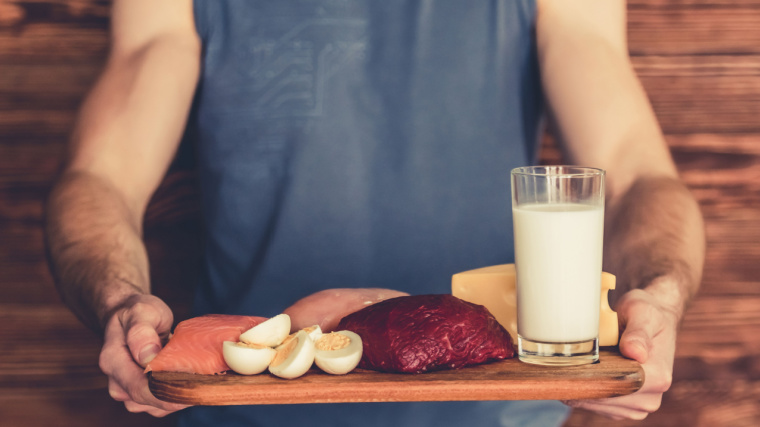
In conclusion, the transition to a high-protein, low-carbohydrate diet is more than a fitness trend; it is a scientifically backed approach to metabolic efficiency. By utilizing a diverse list of meats, seafood, dairy, and supplements, individuals can create a sustainable, enjoyable, and highly effective nutritional framework that supports long-term health and performance goals.
