


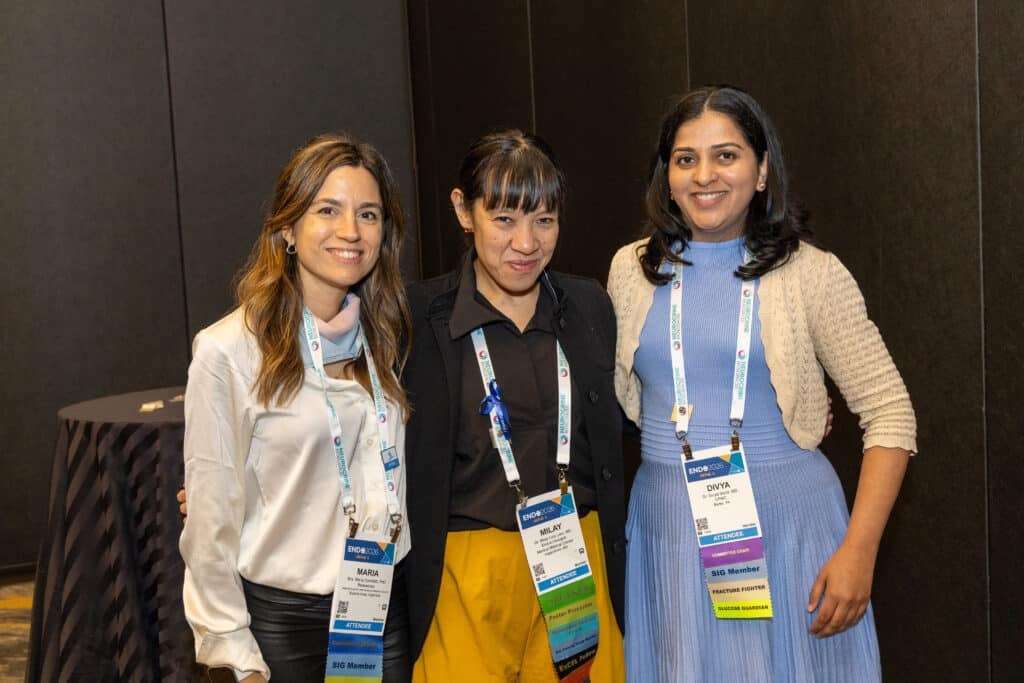
The intersection of clinical expertise and humanistic care remains a focal point for the medical community as the healthcare landscape becomes increasingly digitized and data-driven. Following the most recent Excellence in Clinical Endocrinology Leadership (EXCEL) meeting held at the Endocrine Society’s headquarters in Washington, D.C., medical professionals are re-evaluating the role of empathy and continuous learning in specialist practice. Milay Luis Lam, MD, Division Chief and Medical Director at Meritus Endocrinology, served as a faculty member for the event, offering a perspective that bridges the gap between high-level institutional leadership and the foundational human elements of patient care.
The EXCEL program, designed to cultivate the next generation of leaders within the field of endocrinology, provides a platform for both trainees and established faculty to engage in dialogue regarding the future of the specialty. For Dr. Lam, the transition from trainee to faculty highlights a critical evolution in professional development: the realization that the acquisition of knowledge is a lifelong trajectory rather than a destination. This sentiment reflects a broader movement within the Endocrine Society to foster environments where clinical leadership is synonymous with advocacy and interpersonal connection.
The Evolution of the EXCEL Program and Leadership Development
The EXCEL meeting is a cornerstone of the Endocrine Society’s mission to ensure that the specialty remains robust in the face of evolving healthcare demands. Historically, leadership in medicine was often viewed as an administrative or purely academic pursuit. However, the EXCEL framework emphasizes that leadership begins in the exam room and extends to the mentorship of junior colleagues.
The program focuses on several key pillars, including professional networking, strategic communication, and the navigation of complex healthcare systems. By bringing together diverse cohorts of endocrinologists, the Society aims to address the systemic challenges that lead to physician burnout and patient dissatisfaction. Data from the 2023 Medscape Physician Burnout & Depression Report suggests that endocrinologists face a burnout rate of approximately 43%, a figure often attributed to administrative burdens and a perceived loss of autonomy. Programs like EXCEL are designed to counteract these trends by providing clinicians with the tools to advocate for systemic changes while maintaining their professional purpose.
Addressing the Phenomenon of Quiet Dehumanization
A primary theme emerging from the recent Washington summit is the concept of "quiet dehumanization" within clinical settings. Endocrinology is a field characterized by precise measurements—hemoglobin A1c levels, thyroid-stimulating hormone (TSH) values, and bone mineral density scores. While these metrics are essential for evidence-based treatment, there is a growing concern that the over-reliance on data can lead to a detachment between the provider and the patient.
Dr. Lam observed that patients frequently perceive physicians as distant figures, while physicians may inadvertently reduce patients to a set of clinical diagnoses. This bidirectional dehumanization is often exacerbated by the 15-minute visit model prevalent in many outpatient settings. According to a study published in the Journal of General Internal Medicine, the average time a physician spends with a patient is approximately 17.4 minutes, leaving little room for the exploration of the social determinants of health or the emotional impact of chronic illness.

The EXCEL faculty emphasized that recognizing the person behind the lab value is not merely a matter of bedside manner; it is a clinical necessity. When patients feel seen and understood, adherence to complex treatment regimens—such as insulin titration or osteoporosis management—tends to increase. Conversely, when the human element is ignored, patients may disengage from the healthcare system, leading to poorer long-term outcomes and increased healthcare costs.
Cultural Nuance and the Complexity of Patient Noncompliance
The discussion at the EXCEL meeting also touched upon the critical role of cultural competency in endocrinology. In a globalized society, cultural backgrounds significantly influence how patients perceive illness, trust medical institutions, and interpret clinical advice. What a physician might label as "noncompliance" is often a manifestation of a deeper cultural or linguistic barrier.
For instance, dietary recommendations for managing diabetes must be tailored to the patient’s cultural heritage and socioeconomic status. A one-size-fits-all approach often fails to account for the availability of certain foods or the social significance of shared meals in various communities. Furthermore, historical mistreatment of certain populations by the medical establishment can result in a "resistance" that is actually a protective mechanism rooted in fear.
The EXCEL curriculum encourages leaders to view these challenges through an analytical lens. By advocating for culturally responsive care, endocrinologists can bridge the gap between clinical protocols and the lived realities of their patients. This approach requires a shift from a paternalistic model of medicine to a collaborative one, where the patient’s expertise in their own life is valued as highly as the physician’s expertise in physiology.
The Fragmented Healthcare System and Collaborative Advocacy
The structure of modern healthcare often contributes to a fragmented experience for both patients and providers. The EXCEL summit highlighted the tendency within large systems to "pass along" difficult cases, shifting responsibility rather than engaging in interdisciplinary collaboration. This fragmentation can lead to gaps in care, duplicated tests, and a general sense of frustration for patients navigating multiple specialties.
Dr. Lam and her colleagues argued that advocacy must extend beyond individual patient interactions. It must include advocating for systems that support collaboration across disciplines. In the context of endocrinology, this often involves working closely with primary care physicians, surgeons, nutritionists, and mental health professionals.
The economic implications of this fragmentation are significant. Research indicates that coordinated care models can reduce hospital readmissions and lower overall expenditures by streamlining communication and ensuring that treatment plans are cohesive. Leadership in this area involves pushing for institutional changes that prioritize "warm hand-offs" and integrated care teams over siloed departments.
Mentorship and the Continuity of Learning
One of the most profound takeaways from the EXCEL meeting was the erosion of the traditional hierarchy between "teacher" and "learner." Even for seasoned professionals like Dr. Lam, who oversees Meritus Endocrinology in Maryland, the act of teaching serves as a catalyst for personal and professional growth.
The psychology of mentorship suggests that the mentor-mentee relationship is symbiotic. While the trainee gains clinical pearls and career guidance, the mentor is forced to re-examine their own biases, stay current with emerging research, and reconnect with the foundational motivations of their career. This cycle of continuous learning is vital for the longevity of the specialty.
The Endocrine Society’s commitment to this cycle is evidenced by the diverse participation in their annual meetings, such as ENDO 2023 and the upcoming ENDO 2026. These gatherings serve as more than just academic conferences; they are forums for the exchange of ideas that shape the ethical and philosophical direction of the field.
Broader Impact and Future Implications
The insights gained from the Spring EXCEL meeting have broad implications for the future of endocrinology. As the United States faces a projected shortage of endocrinologists—with demand expected to outpace supply through 2030—the quality of leadership within the field will determine its ability to attract and retain new talent.
Programs that emphasize humanity and leadership are likely to improve physician retention by fostering a sense of community and purpose. When clinicians feel that they are part of a system that values their humanity and supports their growth, they are less likely to experience the "moral injury" that often leads to early retirement or career changes.
Furthermore, the focus on humanity in medicine aligns with the industry-wide shift toward value-based care. Value-based models reward outcomes and patient satisfaction rather than the volume of services provided. By prioritizing the human connection, endocrinologists are positioning themselves to excel in a system that defines success through the holistic health of the patient.
In conclusion, the EXCEL meeting in Washington, D.C., served as a reminder that the "excellence" in clinical leadership is as much about emotional intelligence as it is about medical expertise. As Dr. Lam noted, the question for the modern endocrinologist is not whether they have finished learning, but whether they remain open to the lessons that their patients and colleagues continue to provide. The future of the specialty depends on this openness—a commitment to seeing the person behind the numbers and the humanity within the science.
