


The Evolution of Creatine: A Historical Chronology
The journey of creatine from a laboratory discovery to a global supplement staple spans nearly two centuries. It was first identified in 1832 by the French chemist Michel Eugène Chevreul, who extracted the compound from meat and named it after the Greek word for flesh, kreas. By the early 20th century, researchers had observed that oral creatine intake could significantly increase the creatine content stored within muscle tissue.
The transition from clinical curiosity to athletic performance enhancer accelerated in the late 1980s. However, it was the 1992 Barcelona Olympics that served as a pivotal turning point for the supplement’s public profile. Reports surfaced that gold medalists, including sprinters Linford Christie and Sally Gunnell, had utilized creatine to enhance their training. By the mid-1990s, creatine monohydrate became commercially available on a mass scale, sparking a revolution in the sports nutrition industry. In the decades since, thousands of studies have been conducted, making it arguably the most data-supported supplement available for improving high-intensity exercise capacity and lean body mass.
Biological Mechanism and ATP Resynthesis
To understand the efficacy of creatine, one must examine the cellular energy systems that power human movement. The primary currency of energy in the body is adenosine triphosphate (ATP). During explosive, high-intensity activities such as sprinting or heavy resistance training, the body rapidly breaks down ATP into adenosine diphosphate (ADP) to release energy.
The limitation of human performance in these contexts is the speed at which ATP can be regenerated. Creatine is stored primarily in skeletal muscle as phosphocreatine (PCr). When ATP stores are depleted, phosphocreatine "donates" a high-energy phosphate group to ADP, effectively recycling it back into ATP. This process, known as phosphorylation, allows muscles to maintain peak power output for several additional seconds. By supplementing with creatine, individuals increase their intramuscular phosphocreatine stores, thereby enhancing the capacity of this rapid energy-replenishment system.
Supporting Data: Performance and Hypertrophy
The performance benefits of creatine are well-documented across a variety of metrics. Meta-analyses of hundreds of studies indicate that creatine supplementation typically results in a 5% to 15% increase in maximal power and strength. Furthermore, it has been shown to improve the volume of work performed during sets of high-intensity muscle contractions.
Beyond immediate performance, creatine is a potent driver of muscle hypertrophy (growth). This occurs through several distinct pathways:
- Cell Volumization: Creatine is osmotically active, meaning it draws water into the muscle cells. This increased intracellular hydration not only makes muscles appear larger but also serves as a biological signal for protein synthesis.
- Anabolic Signaling: Research suggests that creatine supplementation can influence the expression of myogenic regulatory factors, such as myostatin and IGF-1, which play critical roles in muscle tissue repair and growth.
- Increased Training Volume: By reducing fatigue, creatine allows athletes to perform more total work (reps and sets) over time, which is the primary driver of long-term muscle adaptation.
Beyond the Gym: Neuroprotection and Cognitive Health
In recent years, the scientific community has expanded its focus from the neck down to the neck up. The brain, much like skeletal muscle, is a metabolically demanding organ that relies heavily on ATP for cognitive function. Emerging research suggests that creatine acts as a metabolic buffer in the brain, providing neuroprotective benefits.

Clinical trials have indicated that creatine may improve short-term memory and reasoning, particularly in individuals under stress or experiencing sleep deprivation. Furthermore, there is growing interest in its therapeutic potential for neurodegenerative diseases. While more human trials are required, preliminary data suggests that creatine may help mitigate the progression of conditions such as Parkinson’s disease, Huntington’s disease, and certain forms of depression. For vegetarian and vegan populations, who typically have lower baseline creatine levels due to the absence of meat in their diets, supplementation has shown even more pronounced cognitive benefits.
Strategic Implementation: Loading, Maintenance, and Timing
The objective of creatine supplementation is to achieve "muscle saturation," the point at which the muscle’s storage capacity for the compound is maximized. There are two primary protocols for reaching this state:
The Loading Phase
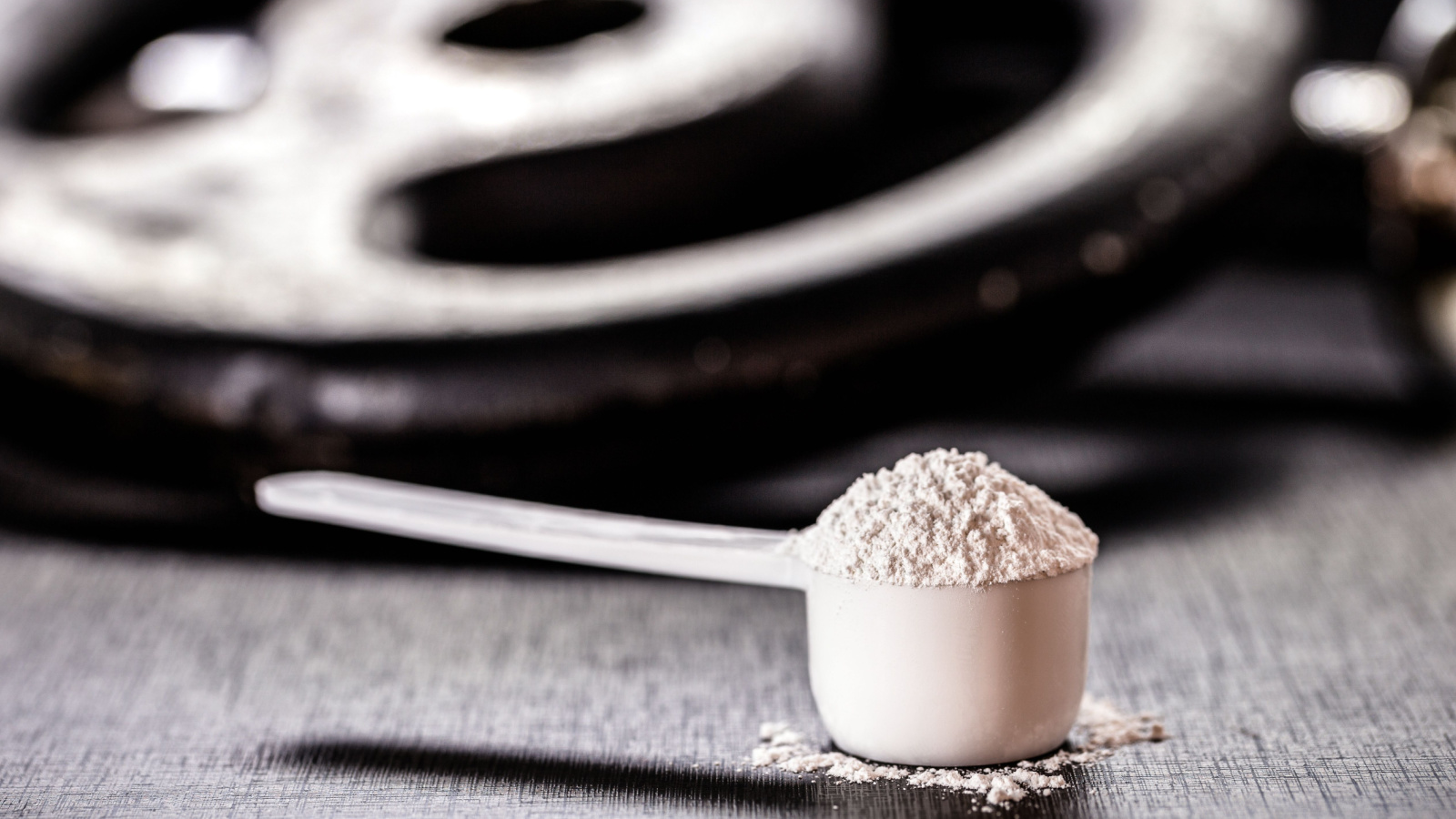
This involves a high-dose period designed to saturate the muscles as quickly as possible. The standard protocol is 20 grams per day, divided into four 5-gram doses, for five to seven days. This method allows users to experience the performance benefits within a week.
The Maintenance Approach
Alternatively, individuals can skip the loading phase and take a consistent dose of 3 to 5 grams per day. While this method takes longer to reach full saturation—typically three to four weeks—it ultimately yields the same results and may be preferable for those who experience gastrointestinal discomfort with higher doses.

Timing and Hydration
While creatine can be effective at any time of day, some research suggests a slight advantage to post-workout consumption. After exercise, muscles are more sensitive to nutrient uptake due to increased blood flow and insulin sensitivity. Consuming creatine alongside a carbohydrate or protein-rich meal can further enhance absorption. Regardless of timing, adequate hydration is paramount. Because creatine shifts water into the muscle cells, users should ensure they are consuming at least 64 to 80 ounces of water daily to maintain systemic hydration.
Addressing Common Misconceptions and Safety
The safety profile of creatine monohydrate is exceptionally high. The International Society of Sports Nutrition (ISSN) has officially stated that creatine is one of the most beneficial and safe supplements available. However, several persistent myths continue to circulate:
Renal Function: A common concern is that creatine damages the kidneys. This stems from the fact that creatine supplementation raises levels of creatinine, a waste product used as a marker for kidney function. However, elevated creatinine caused by supplementation is not indicative of kidney damage; it is simply a byproduct of the increased creatine turnover in the body. Long-term studies on healthy individuals have shown no adverse effects on renal filtration rates.
Hair Loss: The link between creatine and hair loss is largely based on a single 2009 study of rugby players, which found an increase in dihydrotestosterone (DHT) levels. DHT is a hormone linked to male pattern baldness. However, the study did not actually measure hair loss, and dozens of subsequent studies have failed to replicate these results or find any direct causal link between creatine use and alopecia.

Gastrointestinal Issues: Some users report bloating or stomach upset. This is often the result of taking too much at once or using a poorly soluble form of the supplement. Utilizing micronized creatine monohydrate, which has a smaller particle size, generally resolves these issues.
Broader Impact and Future Implications
The implications of creatine research extend far beyond sports performance. As the global population ages, the prevention of sarcopenia (age-related muscle loss) and cognitive decline has become a public health priority. Creatine, when combined with resistance training, has proven to be one of the most effective interventions for preserving muscle mass and bone density in the elderly.
Furthermore, the supplement’s low cost and high safety margin make it a viable candidate for widespread clinical use. From supporting recovery after traumatic brain injuries to aiding those with metabolic disorders, the potential applications of creatine continue to expand.
In conclusion, creatine monohydrate stands as a rare example of a supplement that lived up to its initial hype and then exceeded it through rigorous scientific validation. For the modern athlete, student, or aging adult, it represents a cost-effective, evidence-based tool for enhancing both physical and mental resilience. As long as users adhere to standard dosing protocols and maintain adequate hydration, creatine remains a foundational element of a science-based nutritional strategy.
