

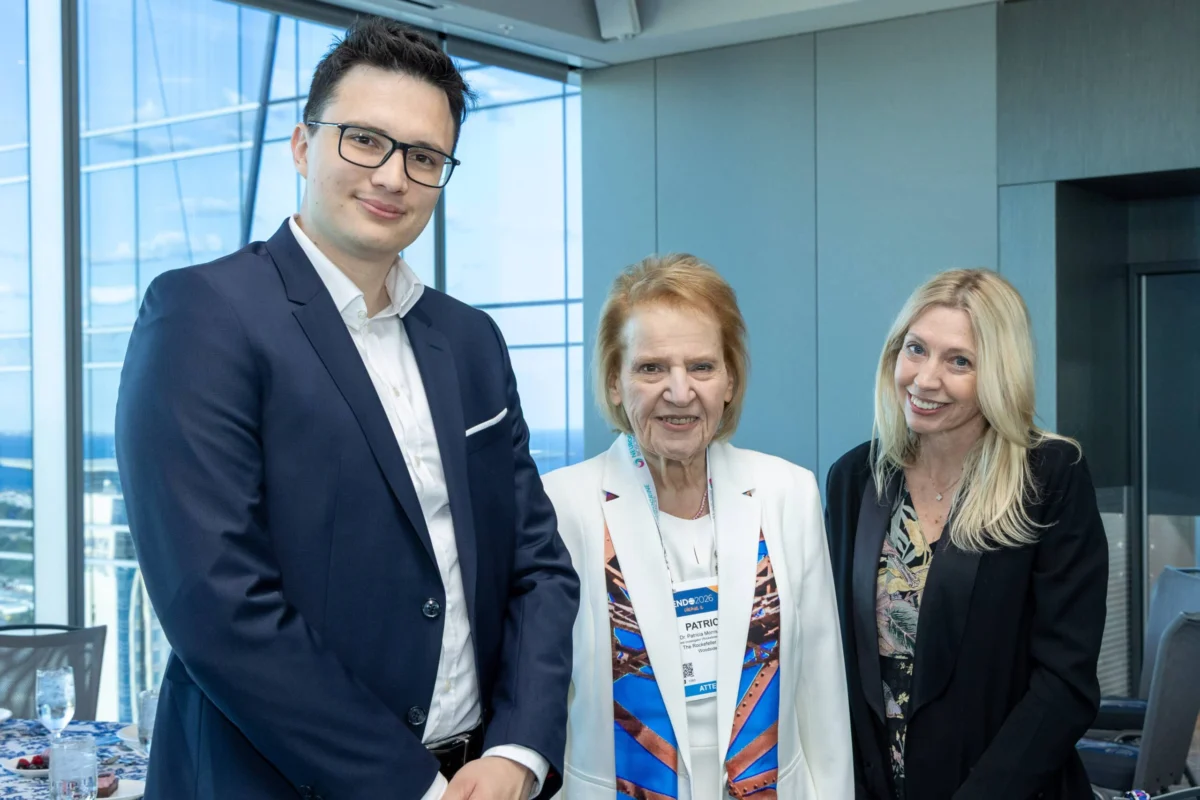
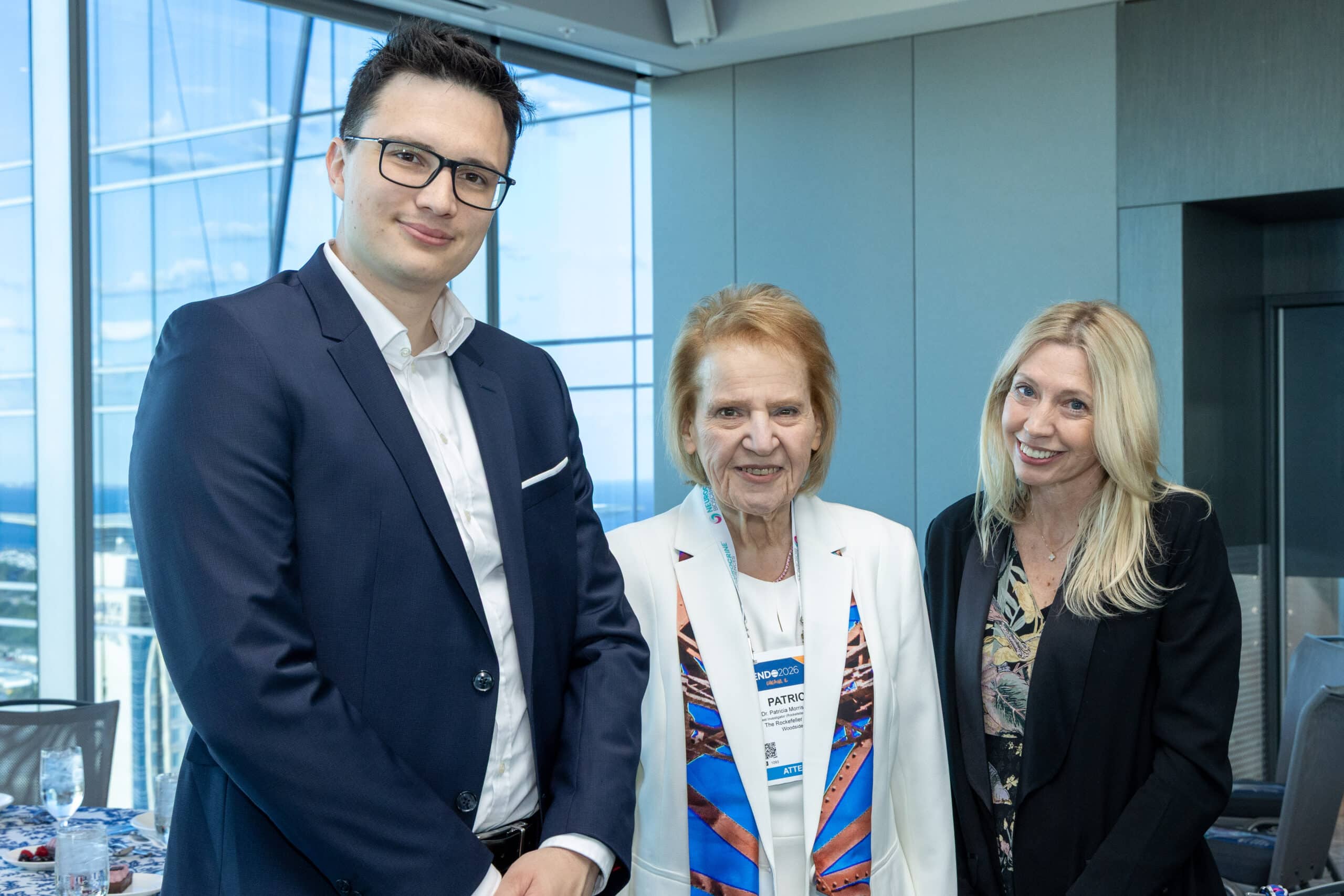
The landscape of obesity research shifted significantly during the ENDO 2026 conference in Chicago, Illinois, as Rok Herman, MD, was honored with the 2026 C. Wayne Bardin, MD, International Travel Award. Dr. Herman, an internal medicine resident at the University Medical Centre Ljubljana in Slovenia, received the prestigious accolade for his pioneering abstract regarding the effects of tirzepatide on brown adipose tissue (BAT). His study, known as the TABFAT trial, suggests that the current generation of weight-loss medications may possess a dual-action mechanism—not only suppressing appetite through neurological pathways but also actively stimulating energy expenditure at the cellular level. This discovery marks a potential watershed moment in metabolic medicine, providing a clearer understanding of how dual GIP and GLP-1 receptor agonists like tirzepatide transform human physiology.
The C. Wayne Bardin, MD, International Travel Award is one of the Endocrine Society’s most distinguished honors for early-career scientists. It recognizes outstanding research submitted by international fellows or junior faculty members, commemorating the legacy of Dr. Bardin, a former president of the Endocrine Society known for his contributions to reproductive endocrinology and his dedication to mentorship. For Dr. Herman, the award represents more than professional validation; it serves as a bridge between rigorous clinical research and the ultimate goal of improved patient care.
A Chronology of Clinical Curiosity and Academic Rigor
Dr. Herman’s trajectory toward this milestone began during his tenure as a medical student in Slovenia. While many students find the complexities of internal medicine daunting, Herman was drawn to the field’s demand for precise physiology and complex clinical reasoning. His early exposure to research was facilitated by a robust mentorship program at the Department of Endocrinology, Diabetes and Metabolic Diseases at the University Medical Centre Ljubljana. Under the guidance of Prof. Andrej Janež and Prof. Mojca Jensterle, Herman was integrated into high-level research teams, where he developed a passion for the investigative process.
The conception of the TABFAT (Tirzepatide Brown and Beige Adipose Tissue Activation) trial was the result of years of observation and a specific scientific curiosity regarding energy homeostasis. While the medical community has widely documented the efficacy of tirzepatide in inducing significant weight loss, the underlying mechanisms were largely attributed to delayed gastric emptying and central nervous system-mediated satiety. Herman’s team sought to investigate a third possibility: the activation of thermogenic fat.
The transition from a technically demanding clinical idea to a completed randomized controlled trial involved years of intensive labor. Herman describes the process as one defined by "long nights, setbacks, and doubts," which were eventually mitigated by the support of his clinical team and his family. His success underscores a growing trend of high-quality, mechanistic clinical research emerging from Central Europe, positioning Slovenia as a rising hub for metabolic science.
The TABFAT Trial: Methodology and Core Findings
The TABFAT trial was designed as a randomized, placebo-controlled clinical trial focusing on premenopausal women with obesity. This demographic was specifically chosen to isolate metabolic variables and provide a clear window into adipose tissue behavior. Over a 24-week period, participants were treated with tirzepatide, a dual glucose-dependent insulinotropic polypeptide (GIP) and glucagon-like peptide-1 (GLP-1) receptor agonist.
To measure the activation of brown adipose tissue, the research team utilized a sophisticated multi-modal imaging approach. This included:
- Cold-stimulated PET/CT imaging: The gold standard for identifying metabolically active fat by tracking glucose uptake in response to thermal stress.
- MRI scans: Used to assess the volume and fat fraction of adipose depots.
- Infrared thermography: A non-invasive method to measure skin temperature changes overlying BAT depots, providing a real-time proxy for thermogenesis.
The results were statistically significant and visually striking. The proportion of participants with PET/CT-detectable brown adipose tissue in the tirzepatide group jumped from 41.2% at the start of the study to 64.7% after 24 weeks. In contrast, the placebo group showed no comparable change. Furthermore, the researchers observed not only an increase in the activity of existing brown fat but also an increase in its total volume.
Perhaps most intriguingly, the study found preliminary evidence of "beiging"—the process by which white subcutaneous fat, which primarily stores energy, begins to take on the characteristics of "beige" fat. Beige fat cells are more metabolically active and can burn calories to produce heat, much like brown fat. This suggests that tirzepatide may fundamentally "reprogram" the body’s fat storage units into energy-burning units.
Supporting Data: The Role of Brown Adipose Tissue in Obesity
Understanding the implications of Dr. Herman’s research requires a look at the biological role of brown adipose tissue. Unlike white adipose tissue (WAT), which stores excess calories as lipids, BAT contains a high density of mitochondria and expresses uncoupling protein 1 (UCP1). This protein allows the mitochondria to bypass the normal process of ATP production, instead releasing energy as heat—a process known as non-shivering thermogenesis.
In infants, BAT is abundant and vital for maintaining body temperature. However, it was long believed that BAT disappeared as humans reached adulthood. Modern imaging has since proven that adults retain small but significant depots of BAT, particularly in the supraclavicular and neck regions. Higher levels of BAT activity are associated with lower body mass index (BMI), improved insulin sensitivity, and better glucose metabolism.
The TABFAT trial’s finding that tirzepatide activates BAT suggests a synergy between two metabolic goals: reducing caloric intake and increasing caloric expenditure. This "metabolic revving" could explain why tirzepatide has shown superior weight-loss results in clinical trials compared to selective GLP-1 agonists. By targeting the GIP receptor in addition to the GLP-1 receptor, tirzepatide may be leveraging pathways that specifically influence fat tissue thermogenesis.
Broader Impact and Scientific Implications
The implications of Dr. Herman’s work extend far beyond a single award. By demonstrating that tirzepatide modulates energy expenditure at the tissue level, the research opens the door for a new generation of "thermogenic-targeted" therapies. Future obesity care could potentially involve tailored approaches where medications are chosen based on a patient’s specific BAT profile or their capacity for fat beiging.

Dr. Herman is currently finalizing the data analysis for the TABFAT trial, with plans to publish the full results in a high-impact peer-reviewed journal later this year. His team is also moving into deeper molecular territory, analyzing adipose tissue biopsies to understand the genetic and cellular signals that trigger the transition from white to beige fat.
Beyond the TABFAT trial, Herman’s research pipeline remains prolific. He is currently investigating:
- Skeletal Muscle Status: Exploring how obesity pharmacotherapy affects muscle mass and quality, a critical concern for ensuring that weight loss is "healthy" loss (fat rather than muscle).
- Postural Orthostatic Tachycardia Syndrome (POTS): Examining the endocrine mechanisms underlying this complex autonomic disorder.
- Polycystic Ovary Syndrome (PCOS): Specifically focusing on bone-metabolic interactions.
- Systemic Mastocytosis: Studying bone health in patients with this rare condition.
- Fasting Adaptations: Analyzing how the endocrine system adapts to periods of caloric restriction.
Official Responses and Professional Significance
The recognition of Dr. Herman at ENDO 2026 has been met with praise from the international endocrine community. Endocrine Society President Carol Lange, PhD, emphasized the importance of supporting early-career physician-scientists who bridge the gap between the lab and the clinic. The Society views Herman’s work as a prime example of why international collaboration is essential for the advancement of medical science.
In his remarks following the award ceremony, Dr. Herman emphasized the dual nature of his role. "I quickly learned that becoming a strong researcher also makes you a better physician," he stated. He credited the collaborative environment at the University Medical Centre Ljubljana for fostering an atmosphere where "new ideas almost never stop coming."
For the Slovenian medical community, the award serves as a validation of their clinical expertise and growing research infrastructure. It proves that high-quality, mechanistic clinical research is not restricted to the largest global institutions but can thrive anywhere there is a combination of intellectual curiosity, rigorous methodology, and strong mentorship.
As the global medical community continues to grapple with the obesity pandemic, the research presented by Dr. Herman at ENDO 2026 provides a much-needed beacon of hope. By uncovering the "hidden" thermogenic potential of the human body, the TABFAT trial provides a roadmap for more effective, sustainable, and biologically sophisticated treatments for metabolic disease. The award conferred upon Dr. Herman is not just a recognition of past achievement, but a signal of the vital contributions yet to come from this promising physician-scientist.
