

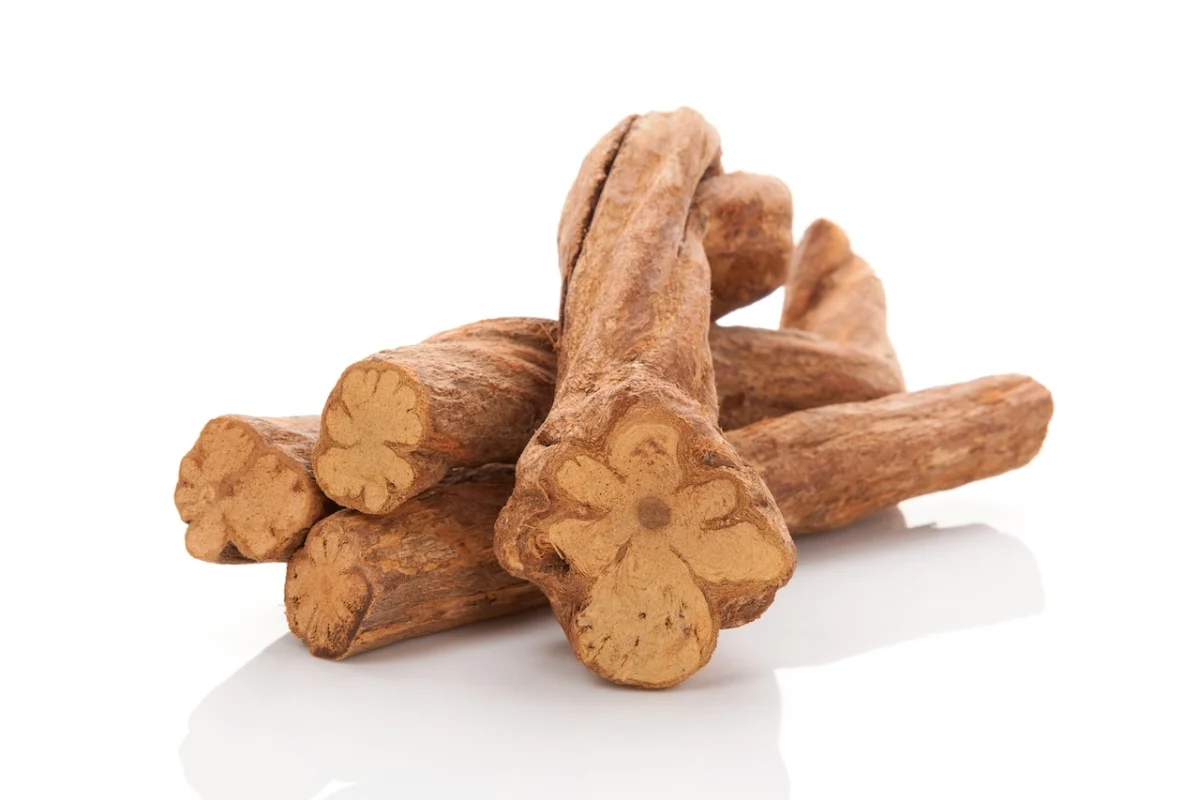
A novel dietary supplement, Happy Caapi, has officially entered the market, leveraging a constituent of the Amazonian Banisteriopsis caapi vine. This product, positioned as a pioneering offering in the supplement space, made its formal debut at Biohackers World NYC in late June 2026. The launch follows a successful audience choice award win at the recent Nutrition Capital Network meeting, also held in New York City, signaling a growing interest in the ingredient’s potential.
The emergence of Happy Caapi highlights a broader trend of exploring traditional botanical knowledge for modern wellness applications. Ayahuasca, a complex psychoactive brew traditionally used in shamanistic ceremonies, has gained increased public awareness in recent years, partly due to its portrayal by public figures and in media. However, the traditional preparation, comprising both Psychotria viridis (containing DMT) and Banisteriopsis caapi, induces significant psychoactive effects, making it unsuitable for widespread commercial distribution as a dietary supplement. Happy Caapi aims to navigate this challenge by isolating and utilizing a non-psychoactive component of the B. caapi vine.
The Science Behind Happy Caapi: Isolating the Benefits
Jose Gonzalo, co-founder of Happy Caapi, explained the rationale behind the product’s formulation. "Ayahuasca has profoundly impacted many lives, including my own and my family’s," Gonzalo stated. "However, the presence of DMT in the traditional brew presents significant regulatory and safety hurdles for a mainstream supplement. Our focus is on the B. caapi vine, which possesses its own remarkable properties that can be harnessed for cognitive enhancement and stress management without the psychedelic component."
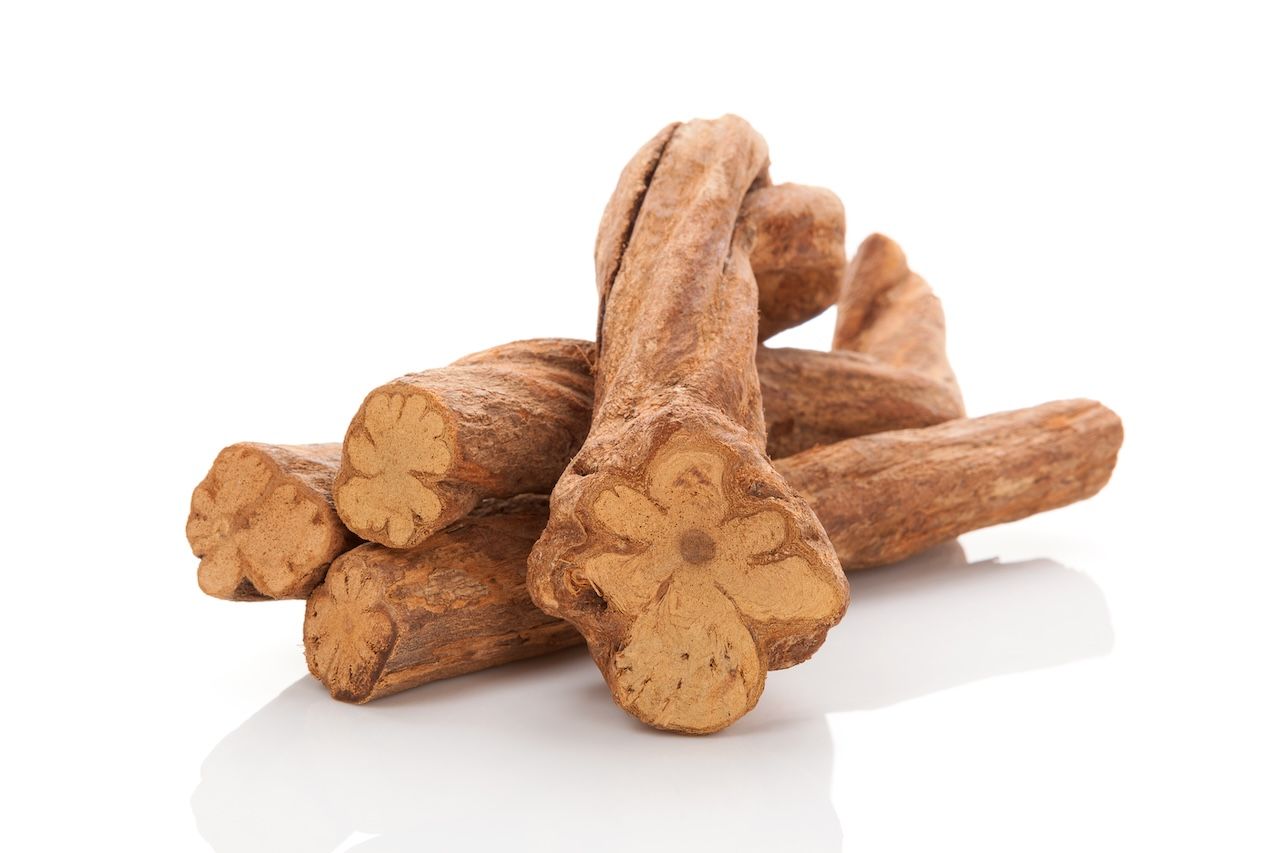
The B. caapi vine is known to contain a class of compounds called beta-carbolines, including harmine, harmaline, and tetrahydroharmine. These compounds are potent inhibitors of monoamine oxidase A (MAO-A), an enzyme responsible for breaking down key neurotransmitters such as serotonin, dopamine, and norepinephrine. In the context of traditional ayahuasca, the MAO-A inhibition by B. caapi allows DMT, ingested from the Psychotria viridis leaves, to become orally active and reach the brain, producing the characteristic psychedelic effects.
Happy Caapi’s product formulation reportedly utilizes an extract of the B. caapi vine that maintains the natural ratio of these beta-carbolines. The company asserts that this extract gently inhibits MAO-A, thereby increasing the availability of neurotransmitters like serotonin. This mechanism is presented as a way to "give serotonin more room to operate," potentially leading to improved mood and cognitive function.
"The inhibition we achieve is reversible and wears off within hours," explained Gonzalo. "This offers a distinct advantage over some conventional antidepressant medications, which can take weeks to show effects and may have longer-lasting side effects. Our approach aims for a more immediate and transient, yet beneficial, impact."
Market Debut and Industry Reception
The official launch at Biohackers World NYC provided a platform for industry professionals, enthusiasts, and potential consumers to engage with the product. The event, a gathering for those interested in optimizing human performance through science and technology, served as an ideal venue for introducing an innovative supplement like Happy Caapi.
Prior to the Biohackers World NYC debut, Happy Caapi garnered attention at the Nutrition Capital Network (NCN) meeting. The NCN is a prominent industry event that facilitates connections between ingredient suppliers, manufacturers, and retailers in the nutrition and health sector. Winning the audience choice award at NCN underscored the industry’s recognition of Happy Caapi’s innovative approach and market potential. This early validation suggests a positive reception from a discerning audience familiar with ingredient efficacy and market trends.
Product Details and Sourcing Strategy
Happy Caapi is currently available as a liquid extract, presented in a 10-serving pump bottle priced at $40, equating to approximately $8 per 500 mg serving. The company emphasizes its commitment to purity and natural ratios of active compounds, assuring consumers that the product is free from DMT.
The sourcing of the B. caapi vines is a critical aspect of the company’s operations and ethical considerations. Initially, the vines are sourced from third-party vendors. However, Gonzalo revealed that the company is actively developing its own cultivation project in Panama. This initiative is essential, as B. caapi vines require several years to mature to a harvestable stage. This long-term cultivation strategy aligns with the company’s stated mission of ensuring sustainable and ethically responsible sourcing.
"Our mission is to bring nature’s ancestral wisdom to the adapting modern human, with the highest standards of sustainability, quality, and cultural respect," Gonzalo articulated. "Banisteriopsis caapi is where that mission begins."
Collaboration with Botanical Expert Chris Kilham
The cultivation project in Panama involves collaboration with Chris Kilham, a renowned ethnobotanist and advocate for traditional plant knowledge, often referred to as "The Medicine Hunter." Kilham’s involvement lends significant credibility to Happy Caapi’s sourcing and ethical practices.
"I’ve admired Banisteriopsis caapi for decades and spent two years researching its sustainability in the Amazon," Kilham commented. "It stands at the top of the pyramid among Amazonian plants in terms of cultural and botanical significance. Happy Caapi has done the hard work of bringing it to market the right way, and that matters to me."
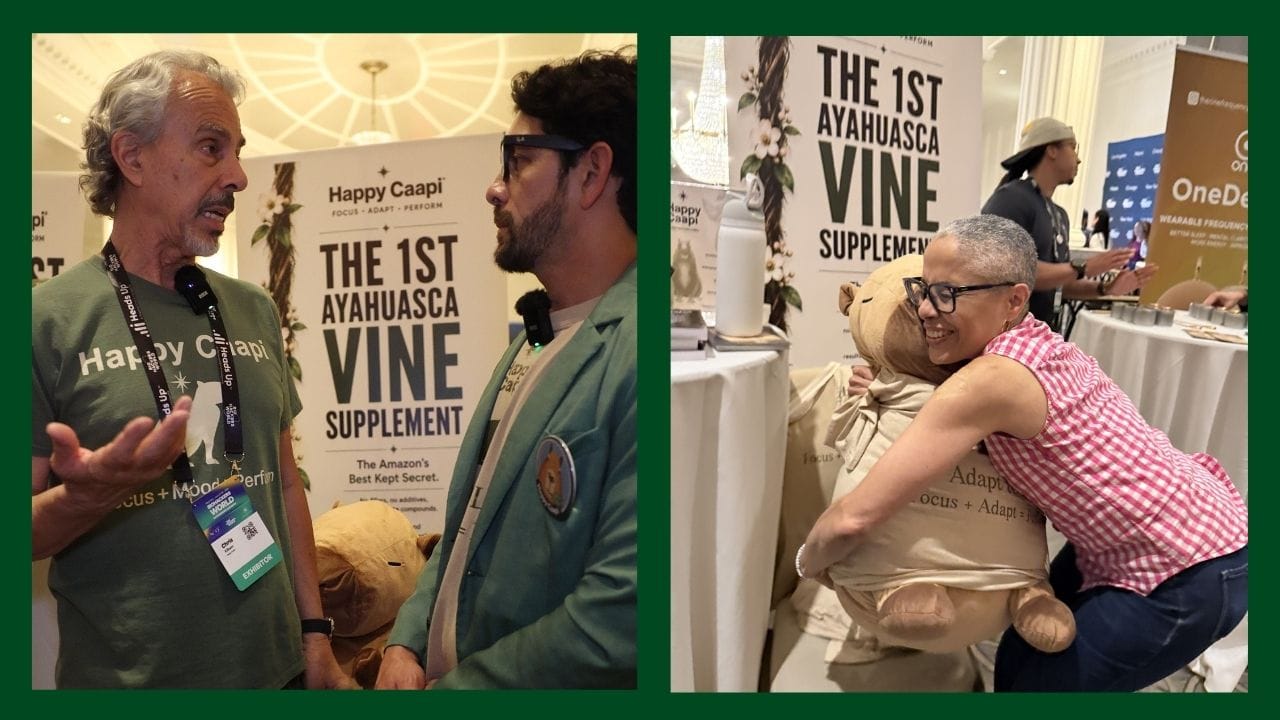
Kilham’s endorsement highlights the importance of respecting the origins and ecological impact of botanical ingredients. His expertise in assessing the sustainability and cultural significance of plant-based products provides a strong foundation for Happy Caapi’s ethical framework.
Potential Applications and Market Positioning
The company positions Happy Caapi as both an adaptogen and a focus booster. The product’s tagline, "Adapt to Life," and its accompanying equation, "Focus + Adapt = Perform," suggest its intended benefits for individuals seeking enhanced mental clarity, resilience to stress, and overall improved performance in daily life.
As an adaptogen, Happy Caapi is intended to help the body better manage stress and maintain homeostasis. Adaptogenic herbs are known for their ability to support the body’s natural resistance to physical, chemical, and biological stressors. The proposed mechanism of action, by influencing neurotransmitter availability, could contribute to a more balanced stress response.
The "focus booster" aspect points to potential cognitive benefits, such as improved concentration, mental clarity, and sustained attention. The gentle modulation of neurotransmitter systems, particularly those involved in mood and executive function, could support these cognitive enhancements.
Broader Implications for the Supplement Industry
The introduction of Happy Caapi raises several interesting points for the dietary supplement industry:
- Innovation in Botanical Extracts: The successful isolation and marketing of specific beneficial compounds from traditional ethnobotanicals, while carefully managing psychoactive properties, represents a significant area of innovation. This approach allows for broader consumer access to the benefits of plants previously associated with restricted or culturally specific uses.
- Regulatory Landscape: The product’s formulation, intentionally avoiding DMT, positions it to navigate the complex regulatory environment surrounding dietary supplements. The clear distinction from the full ayahuasca brew is crucial for market acceptance and compliance.
- Ethical Sourcing and Sustainability: The emphasis on sustainable cultivation and cultural respect, as highlighted by the collaboration with Chris Kilham and the development of the Panama project, sets a precedent for responsible ingredient sourcing in the industry. Consumers are increasingly aware of and concerned about the ethical implications of product origins.
- Consumer Education: The successful market penetration of Happy Caapi will likely depend on effective consumer education. Clearly communicating the science behind the product, its benefits, and its distinction from traditional ayahuasca will be paramount in building trust and understanding.
- The Biohacking Movement: The product’s debut at Biohackers World NYC underscores its alignment with the growing biohacking community, which actively seeks out novel methods and substances to optimize physical and cognitive performance. This segment of the market is often early adopters of innovative wellness products.
The development and launch of Happy Caapi represent a sophisticated approach to leveraging ancestral botanical knowledge for contemporary wellness needs. By focusing on the MAO-A inhibiting properties of the B. caapi vine and carefully excluding psychoactive compounds, the company aims to offer a product that is both effective and accessible. As the market continues to evolve, innovations like Happy Caapi may pave the way for a new generation of botanical supplements derived from time-tested traditions. The company’s commitment to sustainable sourcing and scientific rigor will be key factors in its long-term success and its impact on the broader supplement landscape.
