

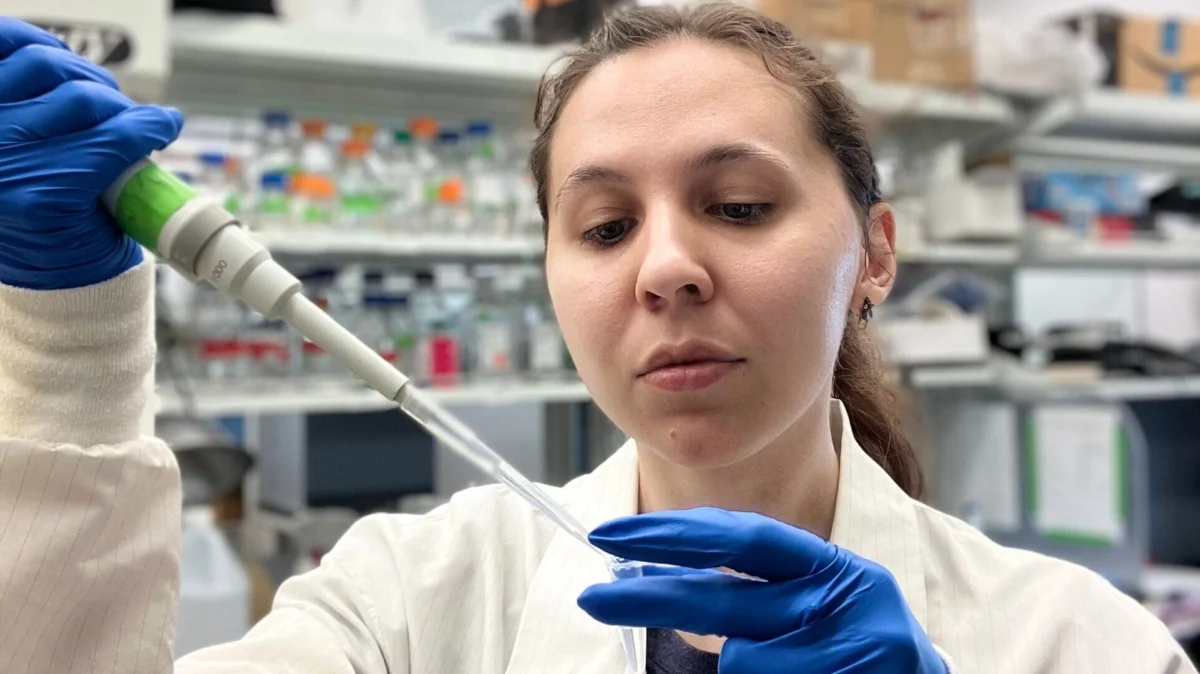
The annual ENDO conference, hosted by the Endocrine Society, serves as a global stage for the most significant advancements in hormone research and clinical endocrinology. At the ENDO 2026 meeting held in Chicago, Illinois, one of the most anticipated segments was the Rising Star Power Talks, a high-stakes research communication competition designed to highlight the work of early-career scientists and in-training members. Among a competitive field of fifteen finalists, Lila Dabill, a PhD student from Washington University in St. Louis, Missouri, emerged as the Basic Science winner. Her research into the enzyme Sarm1 and its role in metabolic dysfunction offers a potential paradigm shift in how the medical community understands and treats obesity and type 2 diabetes.
The Evolution and Impact of the Rising Star Power Talks
The Rising Star Power Talks have become a cornerstone of the ENDO annual meeting, evolving from a standard poster session into a dynamic, "blitz-style" presentation format. This structure requires researchers to distill complex, multi-year studies into concise, high-impact "elevator pitches" delivered to a diverse audience of peers, mentors, and industry leaders. The goal is twofold: to disseminate groundbreaking data rapidly and to sharpen the communication skills of the next generation of endocrine leaders.
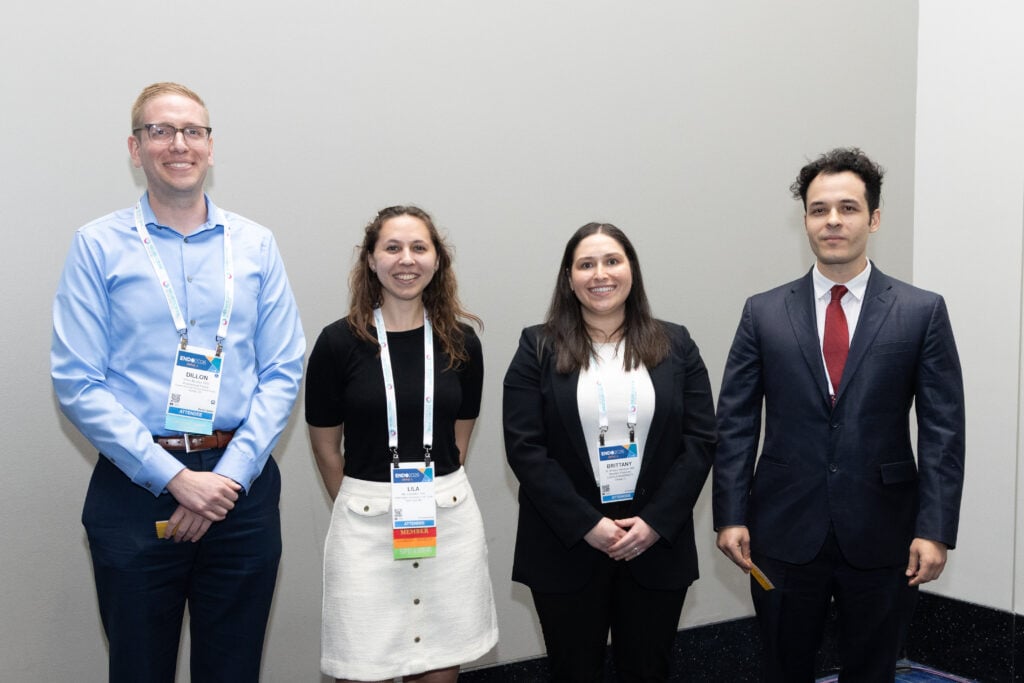
In 2026, the competition showcased a broad spectrum of research across four categories. Alongside Lila Dabill’s victory in Basic Science, Brittany Weisbrot of Loyola University Medical Center took home the Clinical Science award, and Dillon Boulton, PhD, from the University of Colorado Anschutz Medical Campus, secured the Translational Science category. The Audience Choice award was bestowed upon Konstantinos Stefanakis, MD, PhD candidate from Harvard Medical School and Beth Israel Medical Center. These winners represent the vanguard of endocrine research, addressing issues ranging from molecular signaling to bedside patient care.
Unveiling the Role of Sarm1 in Metabolic Health
Lila Dabill’s award-winning research focuses on Sarm1, an NADase enzyme primarily localized within the nervous system. Historically, Sarm1 has been recognized by the scientific community as the "central executioner" of Wallerian axon degeneration—a process where nerve fibers break down after injury or as a result of disease. Because of its pivotal role in nerve decay, several pharmaceutical companies are already in the process of developing Sarm1 inhibitors to treat neurodegenerative conditions and peripheral neuropathy.
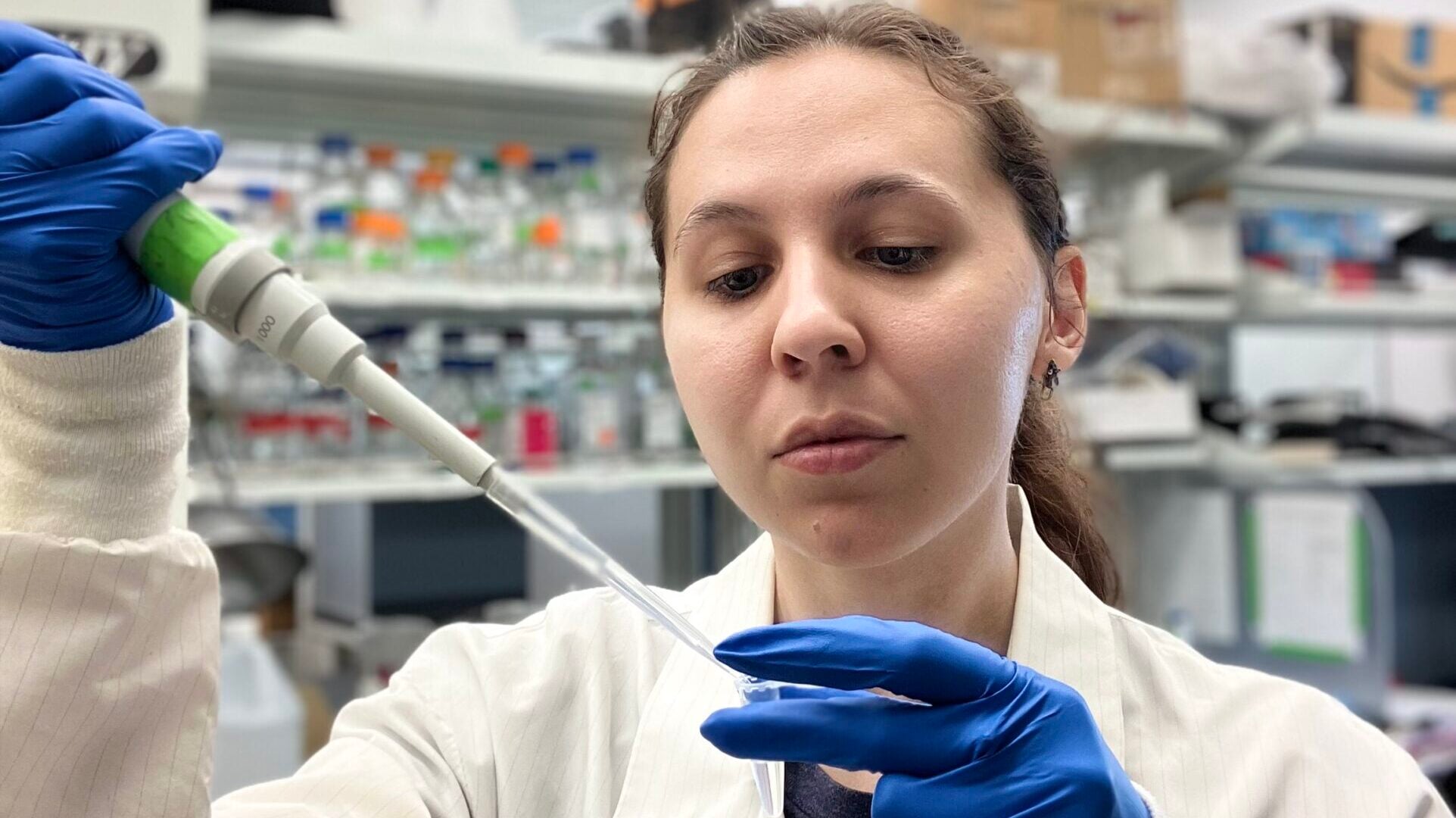
However, Dabill’s work in Dr. Erica Scheller’s lab at Washington University has uncovered a previously unrecognized metabolic dimension to this enzyme. By utilizing mouse models where Sarm1 was "knocked out" or inactivated within the nervous system, the research team observed a remarkable resistance to the adverse effects of a high-fat diet. Specifically, these mice were protected against the onset of obesity, insulin resistance, and liver steatosis (fatty liver disease).
The implications of these findings are significant. Traditionally, weight gain prevention is attributed to increases in physical activity or changes in how the body burns energy (thermogenesis). However, Dabill’s team performed rigorous metabolic caging assessments and thermogenic testing, which revealed that the prevention of weight gain in Sarm1-deficient mice was entirely independent of energy expenditure, activity levels, or heat production. This suggests a more complex, neural-driven mechanism at play that bypasses the traditional caloric balance equation.
The Obesity Epidemic and the Search for New Therapeutic Targets
The clinical necessity for Dabill’s research is underscored by the escalating rates of obesity and metabolic syndrome globally. According to data from the Centers for Disease Control and Prevention (CDC), the prevalence of obesity in the United States has surpassed 40%, contributing to a surge in type 2 diabetes, cardiovascular disease, and non-alcoholic fatty liver disease (now often referred to as metabolic dysfunction-associated steatotic liver disease or MASLD).
While the advent of GLP-1 receptor agonists has revolutionized obesity treatment, these medications are not universally effective and can be associated with gastrointestinal side effects or muscle mass loss. Furthermore, they do not always address the underlying neural damage—specifically neuropathy—that often accompanies chronic metabolic stress. Dabill’s research into Sarm1 offers a "multi-pronged" approach. If Sarm1 inhibitors can protect the nervous system while simultaneously preventing weight gain and insulin resistance, they could represent a new class of "metabolic-neuroprotective" therapies.
Shifting Focus to the Gut-Brain Axis
With the initial discovery that Sarm1 neural knockout prevents weight gain independent of thermogenesis, Dabill’s research has moved into its next critical phase: investigating the gut. The enteric nervous system, often referred to as the "second brain," plays a vital role in regulating digestion, nutrient absorption, and satiety signaling.
Dabill’s current hypothesis suggests that Sarm1 may be a key driver of enteric neuropathy—damage to the nerves in the gut—caused by high-fat diets. When these nerves are damaged, the communication between the gut and the brain (the gut-brain axis) becomes dysregulated, potentially leading to metabolic dysfunction. The research team is now employing wholemount imaging techniques and functional assays to determine if preserving neural integrity in the gut can prevent the systemic metabolic collapse typically seen in obesity.
By protecting the enteric nerves, it may be possible to maintain healthy gut motility and signaling, thereby preventing the body from entering a state of chronic insulin resistance. This line of inquiry is particularly relevant for diabetic patients who often suffer from gastroparesis and other digestive complications resulting from nerve damage.
The Professional Journey: From Student to Principal Investigator
The success of Lila Dabill at ENDO 2026 highlights the importance of institutional support and professional societies in fostering scientific talent. Dabill credited the Endocrine Society for providing a "home-base" that encourages both rigor in research and excellence in communication. The ability to present to a room full of experts and receive immediate feedback is a vital component of the PhD experience, preparing students for the transition to independent research.
Dabill’s trajectory is indicative of the long-term commitment required in basic science. She expects to defend her thesis in the spring of 2027, after which she plans to pursue a postdoctoral position to further refine her expertise in metabolism and neural regulation. Her ultimate goal is to establish her own laboratory as a Principal Investigator (PI), where she can continue to bridge the gap between neuroscience and endocrinology.
The timeline of her research coincides with an era of "big data" and precision medicine. As researchers like Dabill uncover specific molecular targets like Sarm1, the path toward personalized endocrine care becomes clearer. Her work suggests that the future of obesity treatment may lie not just in suppressing appetite or increasing exercise, but in protecting the very nerves that coordinate the body’s metabolic response to the environment.

Analysis of Broader Implications for the Endocrine Field
The recognition of Dabill’s work by the Endocrine Society signals a broader shift in the field toward "neuroendocrinology"—the study of how the brain and hormones interact to maintain homeostasis. For decades, obesity was viewed primarily through the lens of adipose tissue and pancreatic function. The emerging focus on the nervous system’s role in metabolic health suggests that the "command center" for obesity may be just as important as the peripheral organs.
Furthermore, the "blitz" style of the Rising Star Power Talks reflects a changing landscape in science communication. In an era where public trust in science is paramount, the ability for researchers to explain the "why" behind their work is essential. Dabill’s success in this format demonstrates that high-level basic science can be made accessible and compelling without sacrificing scientific integrity.
As the scientific community looks forward to ENDO 2027, the groundwork laid by Dabill and her colleagues provides a promising foundation for future discoveries. The potential to treat obesity, liver disease, and neuropathy with a single pharmacological intervention—a Sarm1 inhibitor—remains one of the most exciting prospects in metabolic research today. For patients struggling with the multifaceted complications of type 2 diabetes, these "Rising Stars" offer more than just data; they offer the hope of more effective, holistic treatments in the decade to come.
