

A comprehensive study published in the Journal of the Endocrine Society has established a significant correlation between exposure to phthalates—chemicals ubiquitous in modern consumer goods—and elevated blood pressure levels in pregnant women. This research, led by scientists at the Harvard T.H. Chan School of Public Health, underscores a growing public health concern regarding "everywhere chemicals" and their potential role in exacerbating hypertensive disorders of pregnancy, which remain a primary driver of maternal morbidity and mortality in the United States.
Phthalates are a group of synthetic chemicals used as plasticizers to increase the flexibility, transparency, and durability of plastics, and as solvents in personal care products to help fragrances last longer. While their industrial utility is vast, their biological impact is increasingly scrutinized. Known as endocrine disruptors, these chemicals can interfere with the body’s hormonal signaling. The new findings suggest that the cardiovascular system during pregnancy may be particularly vulnerable to these disruptions, potentially leading to adverse outcomes for both mother and child.
The Scope of the Public Health Challenge
Hypertensive disorders of pregnancy (HDP), including gestational hypertension and preeclampsia, affect approximately 5% to 10% of all pregnancies worldwide. In the United States, these conditions are a leading cause of maternal death and are associated with long-term cardiovascular risks for the mother later in life. Furthermore, maternal hypertension is a significant risk factor for preterm birth, intrauterine growth restriction, and developmental issues in the offspring.
While traditional risk factors such as maternal age, body mass index (BMI), pre-existing diabetes, and family history are well-documented, they do not account for all cases of HDP. This has led environmental health researchers to investigate the role of exogenous factors. The study titled "Associations of Urinary Phthalate Metabolite and Replacement Chemical Concentrations with Gestational Blood Pressure" provides critical evidence that environmental chemical exposure is a modifiable risk factor that warrants urgent attention.
Methodology: The ERGO Study Framework
The research utilized data from the Environmental Reproductive and Glucose Outcomes (ERGO) study, a longitudinal cohort designed to examine how environmental exposures influence pregnancy health. The study tracked 338 pregnant women, collecting data and biological samples at three distinct intervals during their pregnancies. This longitudinal approach allowed researchers to assess the cumulative impact of chemical exposure as gestation progressed.
To quantify exposure, the team measured concentrations of phthalate metabolites and replacement chemicals in the participants’ urine. These metabolites are the breakdown products of chemicals after they have been processed by the human body. Simultaneously, the researchers monitored the participants’ systolic and diastolic blood pressure. By analyzing these variables both individually and as a mixture (using multi-pollutant models), the team sought to identify specific chemical culprits and the combined "cocktail effect" of multiple exposures.
Detailed Findings and Statistical Analysis
The results revealed a troubling trend: women with higher urinary concentrations of phthalates associated with personal care products and fragrances exhibited higher systolic and diastolic blood pressure markers. These elevated markers are recognized precursors to clinically diagnosed hypertensive disorders.
Specifically, the study found that approximately 13% of the participants developed a pregnancy-related high blood pressure disorder. A significant portion of this risk was associated with exposure to phthalates commonly found in scented products, such as lotions, perfumes, and shampoos. The data indicated that the impact of these chemicals became more pronounced as the pregnancy reached its later stages, a period when the maternal cardiovascular system is already under physiological stress.
"Our study suggests that having higher concentrations of personal care products-associated chemicals, known as phthalates, in the body might contribute to elevated blood pressure in pregnancy," stated Kimberly Parra, PhD, the study’s lead author from the Harvard T.H. Chan School of Public Health. Although the study is observational and does not definitively prove a causal link, the statistical associations are robust enough to suggest a biological interaction.
The Fragrance Factor and Personal Care Products
One of the most specific takeaways from the research is the link between fragrance-associated phthalates and blood pressure spikes. Diethyl phthalate (DEP), for instance, is frequently used as a fixative in perfumes and scented cosmetics. Unlike the phthalates used in heavy industrial plastics, DEP is more easily absorbed through the skin or inhaled, leading to higher internal concentrations in consumers who use scented products daily.
The researchers noted that because "fragrance" is often protected as a trade secret on ingredient labels, consumers are frequently unaware of their exposure levels. This lack of transparency makes it difficult for pregnant women to make informed choices to protect their health. The study suggests that reducing the use of scented personal care products could be a practical, albeit voluntary, step toward mitigating risk.
Biological Mechanisms: How Phthalates Disrupt Cardiovascular Health
While the Harvard study focuses on statistical associations, the broader scientific community has proposed several mechanisms for how phthalates might influence blood pressure. As endocrine disruptors, phthalates can interfere with estrogen-related pathways. Estrogen plays a vital role in maintaining vascular health and regulating blood pressure by promoting the production of nitric oxide, which helps blood vessels dilate.
Furthermore, phthalate exposure has been linked to oxidative stress and systemic inflammation. During pregnancy, the placenta requires a delicate balance of vascular pressure to ensure adequate nutrient and oxygen transfer to the fetus. If phthalates induce oxidative stress in the placental tissue or maternal vasculature, it can lead to the vasoconstriction and endothelial dysfunction characteristic of preeclampsia.
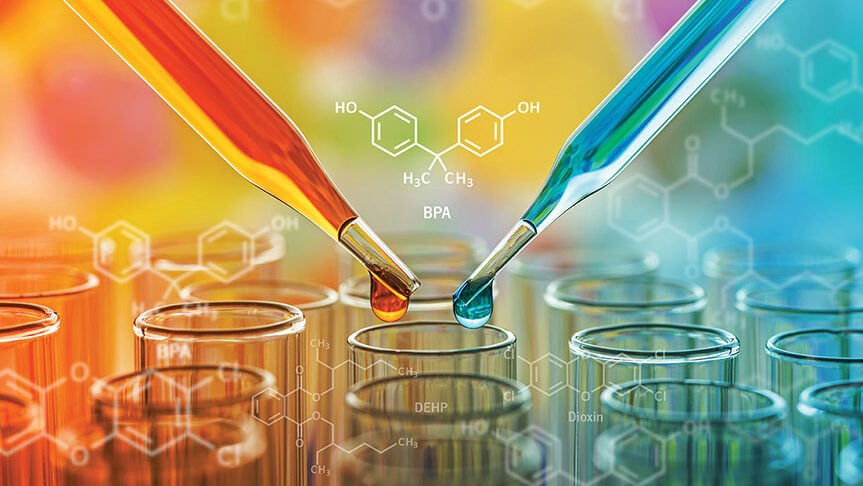
The study also touched upon the emergence of replacement chemicals. As regulatory pressure has increased on traditional phthalates like DEHP (di-2-ethylhexyl phthalate), manufacturers have shifted to alternative plasticizers. However, the researchers emphasized that these "replacement" chemicals are not necessarily safer and require rigorous independent study to ensure they do not replicate the toxicological profiles of the chemicals they replaced.
Chronology of Regulatory Action and Scientific Discovery
The concern over phthalates is not new, but its focus has shifted over the decades.
- 1990s-2000s: Initial research focused on phthalates’ impact on male reproductive development, leading to the "Phthalate Syndrome" hypothesis.
- 2008: The U.S. Congress passed the Consumer Product Safety Improvement Act (CPSIA), which banned several types of phthalates in children’s toys and childcare articles.
- 2010s: Studies began to expand into the metabolic and cardiovascular effects of phthalates in adults, particularly vulnerable populations like pregnant women and the elderly.
- Present: Current research, including the ERGO study, is now examining the complex interactions of chemical mixtures and the long-term epigenetic effects of prenatal exposure.
This timeline reflects an evolving understanding of environmental toxins, moving from acute developmental toxicity to chronic, systemic health impacts that affect the general population.
Expert Reactions and Public Health Implications
The findings have sparked a call for more stringent oversight from environmental health advocates and medical professionals. While Dr. Parra and her team advocate for individual caution, many in the field argue that the burden of safety should not rest solely on the consumer.
"While our study does not show that phthalates cause high blood pressure during pregnancy, it suggests that reducing exposure… may be a way to address high blood pressure in pregnancy and improve pregnancy health," Parra noted.
Public health experts suggest that if these findings are replicated in larger, more diverse cohorts, they could provide the basis for new clinical guidelines. Obstetricians might eventually include environmental exposure counseling as part of standard prenatal care, advising patients on how to identify and avoid phthalate-laden products.
From a policy perspective, the study adds weight to the argument for the "Precautionary Principle" in chemical regulation—the idea that chemicals should be proven safe before they are allowed in widespread consumer use, rather than being removed only after harm is demonstrated.
Broader Socioeconomic and Health Equity Analysis
An important dimension of this research is the potential for health disparities. Previous studies have shown that exposure to environmental toxins is not distributed equally across the population. Low-income communities and people of color often face higher cumulative exposure to environmental pollutants due to proximity to industrial sites and the higher prevalence of phthalates in lower-cost consumer goods.
If phthalates contribute to pregnancy-related hypertension, they may also be contributing to the disproportionately high rates of maternal mortality seen among Black women in the United States. Addressing chemical exposure is therefore not just a matter of individual health, but a matter of environmental justice and health equity.
Future Research Directions
The research team, which included experts from Beth Israel Deaconess Medical Center, Harvard Medical School, and the Centers for Disease Control and Prevention (CDC), emphasized that this study is a starting point. Future research must delve deeper into the specific biological pathways, particularly the interaction between phthalates and the endocrine system during the second and third trimesters.
Additionally, there is a pressing need to study the "replacement" chemicals that have entered the market. As the industry moves away from well-known toxins, the safety of their substitutes remains a significant unknown. The researchers also hope to expand their study to look at the long-term health of the children born to the women in the ERGO study, tracking whether prenatal phthalate exposure correlates with childhood hypertension or metabolic disorders.
Conclusion
The Harvard T.H. Chan School of Public Health study provides a sobering look at how the modern chemical landscape may be impacting the most fundamental aspects of human health. By linking fragrance and personal care product chemicals to gestational blood pressure, the research offers both a warning and an opportunity for intervention. As the medical community continues to struggle with the rising tide of maternal health complications, looking beyond genetics and lifestyle to the very air we breathe and the products we apply to our skin may be the key to safeguarding the next generation.
The study was supported by a coalition of high-profile institutions, including the National Institute of Environmental Health Sciences (NIEHS) and the CDC, signaling the high priority that federal health agencies are placing on understanding the environmental determinants of maternal health. As this body of evidence grows, it is likely to influence both consumer behavior and the future of chemical regulation on a global scale.
