

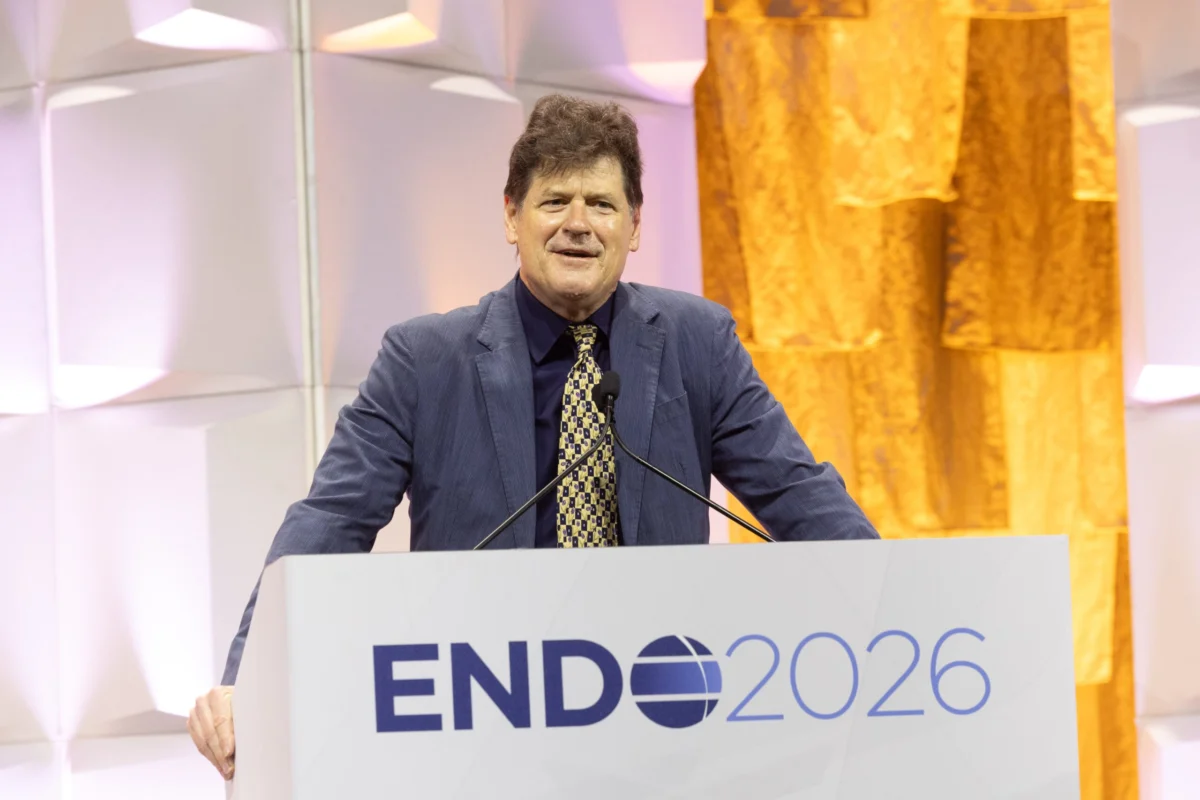
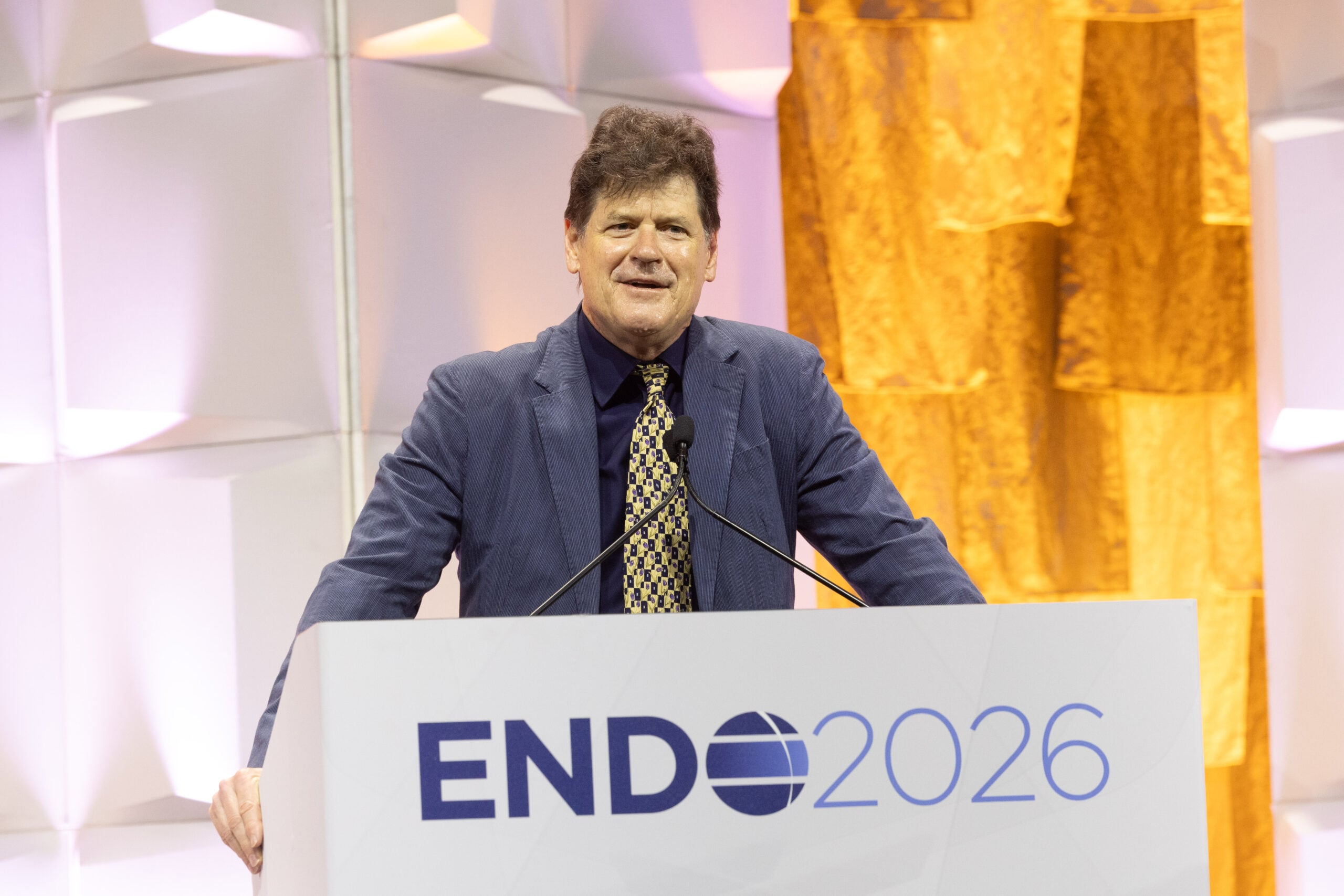
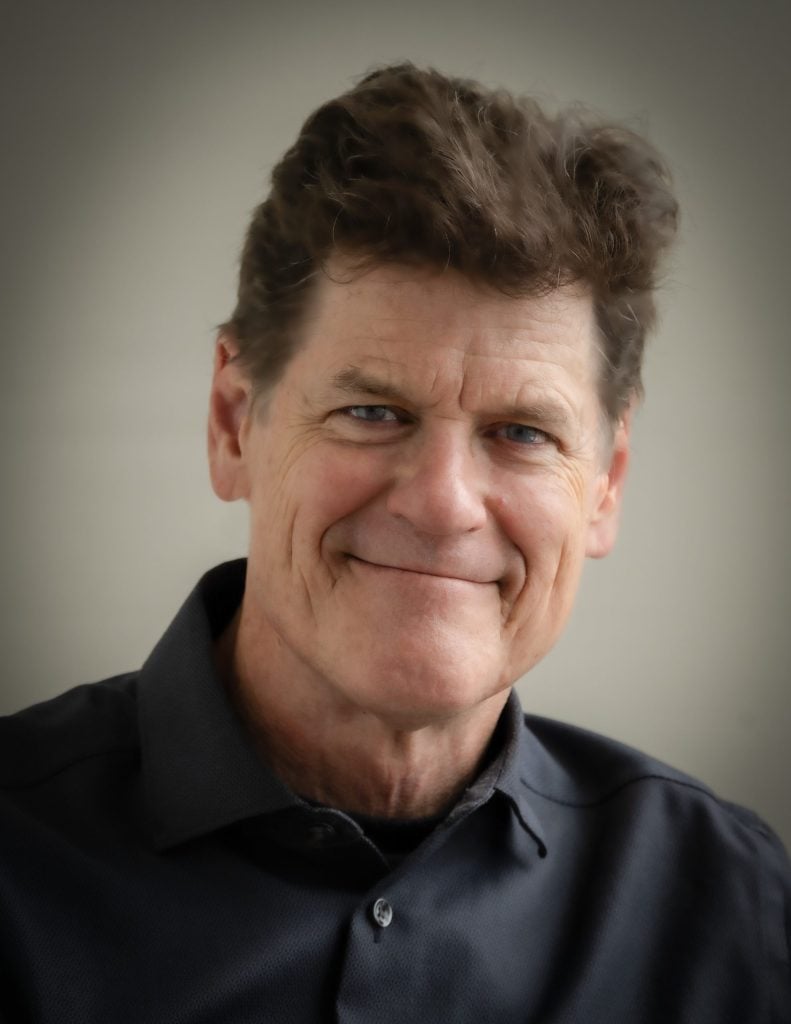
The Endocrine Society has officially named Bradley David Anawalt, MD, as the recipient of the 2026 Outstanding Educator Laureate Award, a prestigious recognition that highlights his transformative impact on medical education and his pioneering contributions to the field of andrology. Dr. Anawalt, a professor and vice chair in the Department of Medicine at the University of Washington School of Medicine in Seattle, stands among a select group of clinicians and researchers recognized for their lifelong dedication to the advancement of hormone research and clinical practice. The Laureate Awards, established in 1944, represent the highest honors bestowed by the Endocrine Society, acknowledging individuals who have demonstrated exceptional leadership, innovation, and a commitment to the global endocrine community.
Dr. Anawalt’s selection for the Outstanding Educator Award is a reflection of a career spent bridging the gap between complex physiological research and the practical needs of medical learners. Known for his ability to distill intricate concepts of male reproductive endocrinology into accessible, engaging lessons, he has become a fixture at the Society’s annual meeting, ENDO, where he has contributed as a scientific presenter, plenary lecturer, and meeting planner for over three decades. His influence extends from the lecture halls of Seattle to the international stage, where he is regarded as a foremost expert in the diagnosis and treatment of male hypogonadism and the development of novel male contraceptive methods.
A Legacy of Excellence in Medical Education
The Outstanding Educator Laureate Award is specifically designed to recognize those who have made significant contributions to the training of the next generation of endocrinologists. For Dr. Anawalt, the path to this distinction was paved by a philosophy of "saying yes" to teaching opportunities. Throughout his tenure at the University of Washington, he has consistently sought out roles that allow him to interact with a diverse array of learners, from first-year medical students to seasoned faculty members.
The University of Washington School of Medicine is frequently ranked among the top institutions in the United States for primary care and research, and Dr. Anawalt’s role as vice chair of the Department of Medicine has been instrumental in maintaining these standards. His colleagues note that his teaching style is characterized by a unique blend of factual rigor and infectious enthusiasm. By tailoring his pedagogical approach to the specific needs of his audience, Dr. Anawalt ensures that the joy of discovery remains at the forefront of the educational experience. This adaptability is crucial in a field as rapidly evolving as endocrinology, where new diagnostic tools and therapeutic protocols are introduced with increasing frequency.
Chronology of a Distinguished Career
Dr. Anawalt’s journey into the world of endocrinology was not without its early challenges. During his undergraduate years, a biochemistry professor expressed doubt regarding his potential in science and medicine. Rather than discouraging him, this skepticism fueled a determination to master the subject. This early experience profoundly influenced his later approach to education, instilling a belief that a teacher’s primary role is to inspire and support rather than to gatekeep.
His formal training began at the University of California at Davis, where he was mentored by an endocrinologist who recognized his aptitude for the specialty. Following his mentor’s advice, Anawalt moved to the University of Washington for his residency, an institution known for its robust endocrine research programs. It was here that he crossed paths with Dr. William "Bill" Bremner, a towering figure in the field of male reproduction and then-chief of medicine at the Veterans Affairs (VA) hospital.
Under Dr. Bremner’s guidance, Dr. Anawalt joined a laboratory dedicated to the study of male hormonal contraception. This partnership proved to be the cornerstone of his research career. Since attending his first ENDO meeting in 1992, Dr. Anawalt has been a constant presence in the society, utilizing the platform to share findings from clinical trials and to advocate for the expansion of reproductive health options for men.
Contributions to Andrology and Male Hypogonadism
While his educational achievements are the focus of the 2026 Laureate Award, Dr. Anawalt’s clinical expertise in andrology is equally significant. Andrology, the branch of medicine concerned with male health and the male reproductive system, often receives less public attention than its female counterpart, gynecology. However, Dr. Anawalt’s work has been pivotal in bringing male reproductive health to the forefront of endocrine science.
His research has primarily focused on male hypogonadism, a condition characterized by the body’s inability to produce sufficient levels of testosterone or sperm. According to clinical data, male hypogonadism affects an estimated 2.1% to 12.8% of the male population, with prevalence increasing significantly with age. Dr. Anawalt has been a vocal advocate for rigorous diagnostic standards, emphasizing that testosterone therapy should be reserved for those with a clear clinical syndrome and confirmed laboratory deficiencies, thereby preventing the over-medicalization of natural aging.
Furthermore, Seattle has emerged as a global hub for male contraceptive research, with Dr. Anawalt playing a lead role. For decades, the burden of contraception has fallen disproportionately on women. Dr. Anawalt’s participation in clinical trials for male hormonal methods—such as gels, pills, and injectables—aims to redistribute this responsibility. These studies involve the suppression of gonadotropins to inhibit sperm production, a delicate hormonal balance that requires precise monitoring. His work with hundreds of research participants has contributed to a growing body of evidence suggesting that safe, reversible male hormonal contraception is a biological possibility.
Analysis of Educational Philosophy and Impact
Dr. Anawalt’s approach to instruction is rooted in the mantra that "repetition is the mother of learning." However, he expands upon this traditional view by integrating "collegiality and joy" into the curriculum. In an era where medical education can often become a series of high-stakes assessments and bureaucratic hurdles, Anawalt’s emphasis on the "joy of learning" serves as a vital reminder of the human element in medicine.
The implications of his teaching philosophy are far-reaching. By fostering a sense of curiosity in his students, he prepares them not just to pass exams, but to become lifelong learners capable of navigating the complexities of patient care. In the context of endocrinology, where many conditions are chronic and require long-term management (such as diabetes or thyroid disorders), the ability to communicate effectively and empathetically with patients is as important as technical knowledge. Dr. Anawalt models this behavior, showing students how to translate scientific data into compassionate clinical advice.
Peer Recognition and the 2026 Laureate Cohort
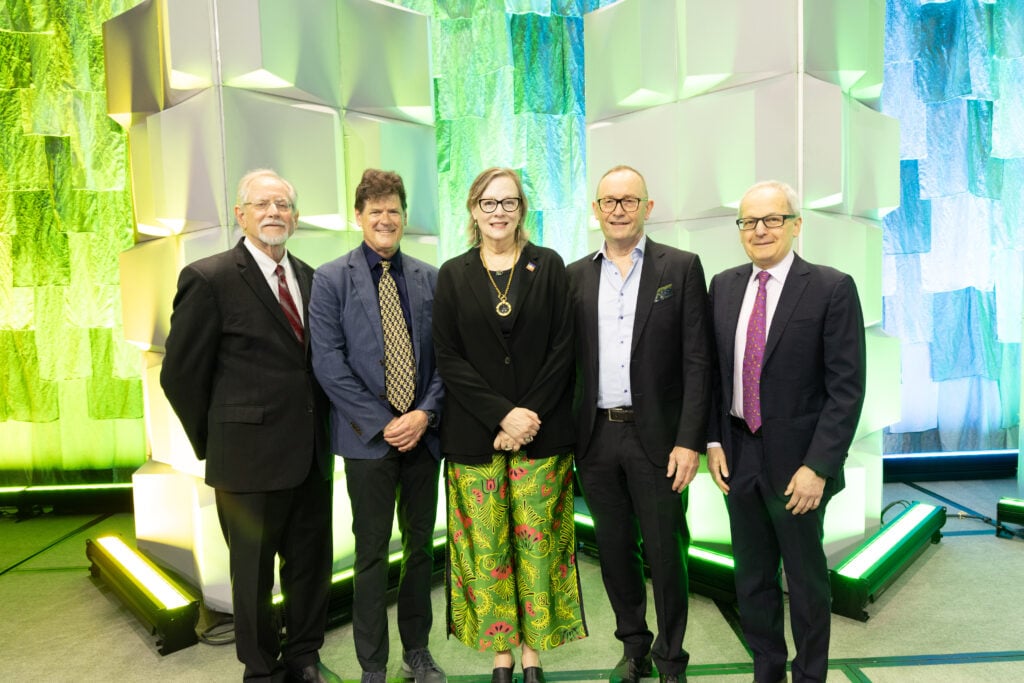
The announcement of the 2026 Laureates was met with widespread acclaim from the endocrine community. Dr. Anawalt is joined by other distinguished figures, including Alvin C. Powers, MD, recipient of the Roy O. Greep Award for Outstanding Research; Martin Reincke, MD, who received the Outstanding Scholarly Physician Award; and Samuel Klein, MD, honored as the Outstanding Clinical Investigator.
This cohort represents the pinnacle of achievement in various facets of the field. The recognition of Dr. Anawalt alongside these research and clinical giants underscores the Endocrine Society’s commitment to valuing education as a core pillar of the profession. Outgoing Endocrine Society President Carol Lange, PhD, noted that the Laureate Awards serve as a testament to the diverse ways in which members contribute to the society’s mission of "advancing hormone health and the field of endocrinology."
Broader Implications for the Future of Endocrinology
The honoring of an educator like Dr. Anawalt comes at a critical time for the medical field. The United States is currently facing a projected shortage of specialist physicians, including endocrinologists. Inspiring medical students to enter this specialty is essential for ensuring that future patients have access to expert care for hormonal conditions. Dr. Anawalt’s career demonstrates that the recruitment of the next generation depends heavily on the quality and enthusiasm of their early mentors.
Moreover, his work in andrology addresses a significant gap in public health. As the medical community moves toward more personalized and equitable care, the development of male-centered reproductive health options and the refinement of treatments for male hormonal deficiencies will play an increasingly important role. Dr. Anawalt’s dual legacy as a researcher and an educator ensures that these issues will continue to be addressed by a well-trained and motivated workforce.
Personal Interests and Life Beyond the Laboratory
Despite the demanding nature of his roles at the University of Washington and the Endocrine Society, Dr. Anawalt maintains a commitment to work-life balance—a concept he also imparts to his trainees. An avid outdoorsman, he incorporates physical activity into his daily routine, frequently running or biking through the Pacific Northwest landscape.
His personal pursuits are as varied as his professional interests. He and his wife are known for embarking on challenging "walking vacations," with upcoming treks planned for the Havasupai region of the Grand Canyon and the Scottish Highland Trail. His appreciation for the arts, ranging from chamber music to contemporary artists like Noah Kahan, reflects a well-rounded perspective that informs his empathetic approach to patient care and teaching.
Conclusion
The 2026 Outstanding Educator Laureate Award is a fitting tribute to Dr. Bradley David Anawalt’s decades of service to the medical community. Through his innovative research in male reproduction and his dedicated mentorship of countless students, he has left an indelible mark on the field of endocrinology. As he prepares to receive his award at the ENDO 2026 plenary session, his career stands as a model for how a physician can successfully combine scientific inquiry with a passion for teaching, ultimately improving the lives of both his students and his patients. The Endocrine Society’s recognition ensures that his philosophy of "joy in learning" will continue to influence the field for generations to come.
