

The field of clinical endocrinology often functions as a discipline of medical detectives, where practitioners must untangle complex biochemical webs to understand the systemic interactions of various glands and tissues. A remarkable case presented at the ENDO 2026 conference in Chicago has provided the medical community with a rare glimpse into a phenomenon described as "endogenous pharmacotherapy." The case, involving a 52-year-old male with two concurrent, rare endocrine tumors, illustrates a novel biologic signaling mechanism where the hormonal output of one tumor effectively managed the symptoms and secretion levels of the other.
The findings, originally detailed in the April 2025 issue of JCEM Case Reports and subsequently highlighted during the "Clinical Pearls from JCEM Case Reports" symposium, center on a patient who presented with cerebrospinal fluid (CSF) rhinorrhea—a condition where the fluid surrounding the brain leaks through the nose, often indicating a breach in the skull base. Clinical investigations revealed a massive 4.2-centimeter invasive pituitary mass. While a tumor of this size would typically be associated with extremely high levels of the hormone prolactin, the patient’s initial labs showed only modestly elevated levels, creating a diagnostic puzzle for the treating physicians.
The Clinical Presentation and Initial Discovery
The patient’s journey began with the alarming symptom of CSF rhinorrhea, which necessitated immediate imaging. Magnetic resonance imaging (MRI) of the brain and sella turcica identified an invasive macroadenoma measuring 4.2 cm. In the context of pituitary tumors, a mass of this size—classified as a giant adenoma—usually triggers a prolactin response in the tens of thousands of ng/mL. However, this patient’s prolactin levels were unexpectedly low for the tumor’s volume, initially suggesting a non-functional adenoma or perhaps the "hook effect," a laboratory phenomenon where excessively high hormone levels lead to falsely low readings.
Further diagnostic workup changed the trajectory of the case. "Additional imaging discovered a mediastinal mass suspicious for a thoracic paraganglioma," the study authors noted. Paragangliomas are rare neuroendocrine tumors that arise from the extra-adrenal autonomic nervous system. While many paragangliomas secrete catecholamines like norepinephrine or epinephrine, leading to hypertension and tachycardia, this patient’s biochemical screening demonstrated a marked and isolated elevation of plasma and urinary dopamine.
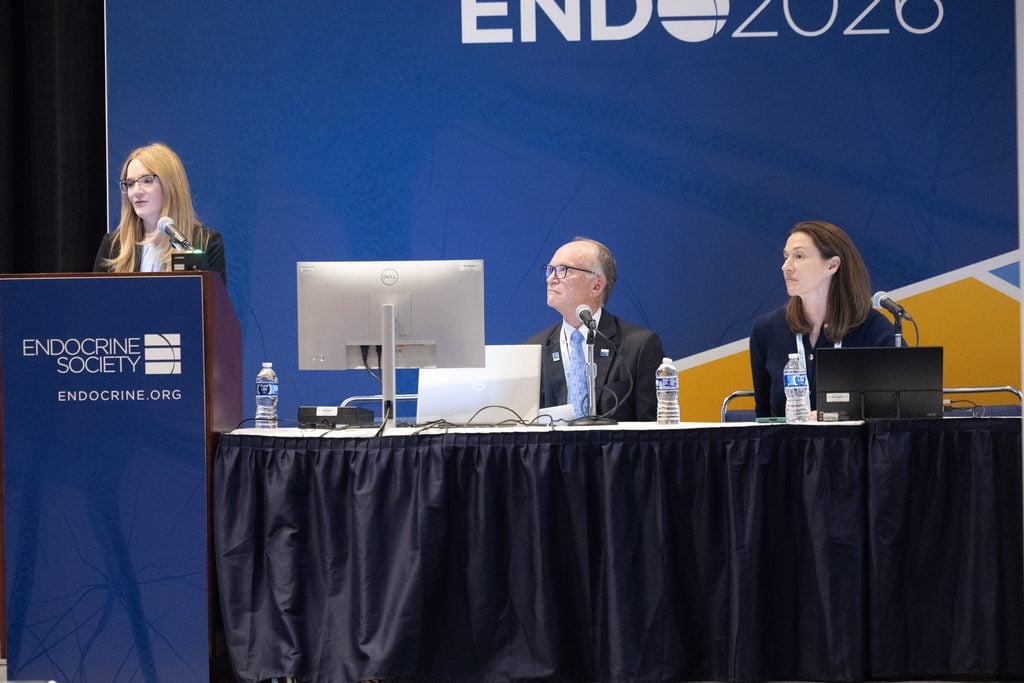
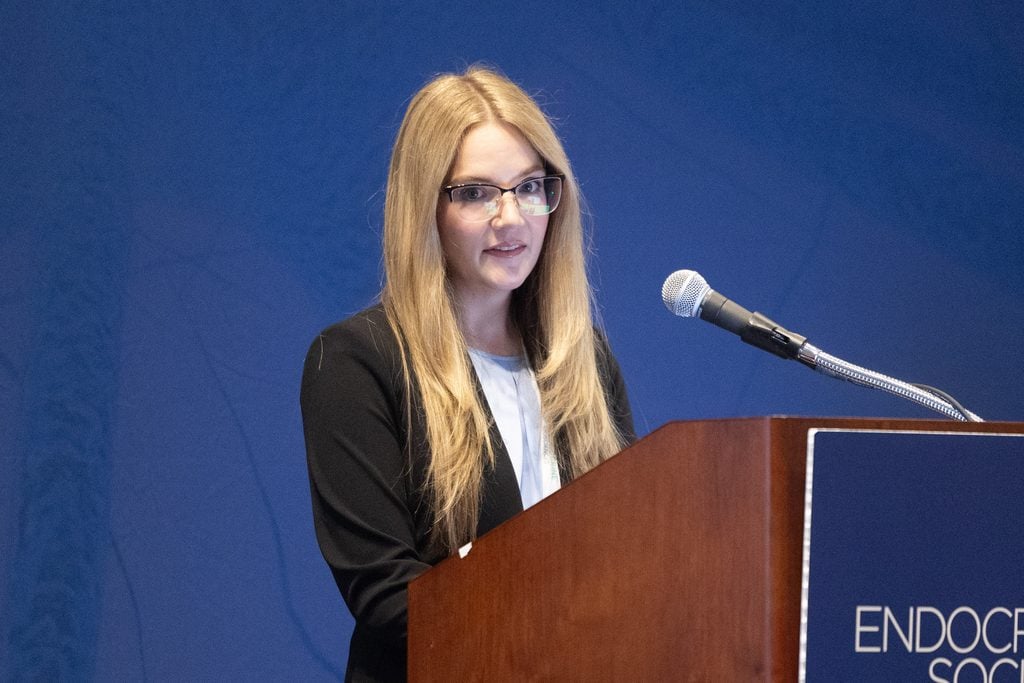
Lead author Tamaryn Fox, MD, a clinical fellow at Cedars-Sinai Medical Center in Los Angeles, presented these findings to a packed audience at the ENDO 2026 session. The discovery of the second tumor provided the missing piece of the puzzle: the dopamine being secreted by the thoracic paraganglioma was acting as a natural, internal medication for the pituitary tumor.
The Mechanism of Endogenous Pharmacotherapy
To understand the significance of this case, one must look at the physiological relationship between dopamine and the pituitary gland. In normal human biology, dopamine produced by the hypothalamus acts as the primary inhibitory factor for prolactin. It binds to D2 receptors on the lactotroph cells of the anterior pituitary to suppress the secretion of prolactin.
In clinical practice, when a patient is diagnosed with a prolactinoma (a prolactin-secreting tumor), the first line of treatment is typically a dopamine agonist, such as cabergoline or bromocriptine. These synthetic drugs mimic the action of dopamine to shrink the tumor and normalize hormone levels. In this unique case, the patient’s mediastinal paraganglioma was producing such high levels of endogenous dopamine that it was performing the role of these drugs.
William F. Young, MD, MSc, the Tyson Family Endocrinology Clinical Professor at the Mayo Clinic and editor-in-chief of JCEM Case Reports, emphasized the rarity of this interaction. "This case is so remarkable because it is the hormonal production from one endocrine neoplasm that is actually very effectively treating a separate and unrelated endocrine neoplasm," Dr. Young stated. "It is not often that you see this type of endogenous pharmacotherapy."
Surgical Chronology and the Unmasking of Symptoms
The medical team faced a complex management strategy. The primary concern was the invasive pituitary mass and the associated CSF leak, but the presence of a dopamine-secreting neuroendocrine tumor required careful sequencing of interventions.
The chronology of the treatment was pivotal in confirming the hormonal interaction. The surgical team first moved to resect the mediastinal paraganglioma. Prior to this surgery, the patient’s prolactin levels remained suppressed by the circulating dopamine from the thoracic mass. However, the true nature of the pituitary tumor was unmasked almost immediately following the removal of the paraganglioma.
Two weeks after the paraganglioma was successfully resected, the patient’s prolactin levels underwent a dramatic six-fold increase. This spike confirmed that the dopamine-secreting tumor had been exertively "tonically inhibiting" the pituitary adenoma. Without the constant supply of endogenous dopamine, the prolactinoma began to secrete the hormone at levels more consistent with its 4.2-cm size.
Pathological and Genetic Complexity
The investigation did not end with the surgical removal of the tumors. Pathological analysis of the pituitary mass provided further insights. Immunohistochemical staining revealed that the tumor was PIT-1 positive. PIT-1 is a transcription factor essential for the differentiation of the pituitary lineage that produces growth hormone, thyroid-stimulating hormone, and prolactin.
Despite the clinical diagnosis of a prolactinoma, the tumor was negative for the expected lineage hormones on staining, including prolactin itself. Dr. Fox explained this discrepancy: "We felt this was most consistent with an immature PIT-1-lineage pituitary adenoma, a rare tumor type that can be less differentiated, larger, and more aggressive, with variable hormone staining and secretion." This lack of differentiation explains why the tumor was so invasive and why the hormone secretion was unusual.
Furthermore, the patient underwent genetic testing to determine if there was an underlying hereditary syndrome linking these two rare tumors. The testing revealed a previously unreported germline variant of uncertain significance (VUS) in the SDHC gene. The SDHx family of genes (including SDHA, SDHB, SDHC, and SDHD) encodes subunits of the succinate dehydrogenase enzyme, which is part of both the mitochondrial citric acid cycle and the electron transport chain. Mutations in these genes are well-known to predispose individuals to hereditary paraganglioma-pheochromocytoma syndromes.
"Genetic testing is important for all patients with pheochromocytoma or paraganglioma, regardless of whether additional endocrine tumors are present," Dr. Fox noted. While the SDHC variant in this patient was classified as a VUS—meaning it cannot yet be definitively labeled as the cause—the presence of multiple endocrine tumors strongly suggests a genetic link that may be clarified as medical databases expand.
Broader Implications for Clinical Practice
The case of the 52-year-old male provides several "clinical pearls" for the global endocrine community. First, it highlights that dopamine-secreting paragangliomas can be clinically "silent" or subtle. Unlike tumors that secrete norepinephrine, which cause obvious symptoms like heart palpitations and high blood pressure, dopamine excess may not present with a clear clinical syndrome, leading to underdiagnosis.
Second, the case underscores the importance of considering biochemical "crosstalk" when multiple tumors are present. In this instance, the laboratory values for one condition (prolactinoma) were obscured by the secondary condition (paraganglioma). If the medical team had not discovered the mediastinal mass, the low prolactin levels might have led to an incorrect diagnosis of a non-secreting tumor, potentially altering the surgical and medical approach.
Currently, the patient remains asymptomatic following the surgeries. To manage the residual pituitary tumor and prevent further growth or prolactin spikes, he has elected to continue treatment with cabergoline—a synthetic version of the dopamine his body was once producing on its own. He has declined radiation therapy for the time being, opting for pharmacological management and close monitoring.
Reflections from ENDO 2026
The presentation at ENDO 2026 served as a highlight of the conference, which was themed around "Progress and Resilience." The session, moderated by Dr. Young and Dr. Sarah Mayson, focused on the educational value of rare case reports in advancing medical knowledge.
Dr. Fox expressed her gratitude for the collaborative effort involved in the case, citing the support of her mentors at Stanford Endocrinology and the insights provided by Dr. Lauren Fishbein, an expert in neuroendocrine tumors. "Having these two rare endocrine tumors occur together is highly unusual, and in this patient, their interaction provided a fascinating window into the physiologic relationship between endogenous dopamine and prolactin," Fox said.
The case serves as a reminder that the human endocrine system is a highly integrated network. The discovery of "endogenous pharmacotherapy" in this patient not only solved a clinical mystery but also reinforced the necessity of comprehensive biochemical and genetic screening in patients presenting with complex neuroendocrine pathologies. As molecular genetics and imaging continue to advance, cases like this will likely provide the foundation for understanding how various tumors communicate within the body, potentially leading to new insights into tumor suppression and hormonal regulation.
