

The modernization of endocrine practice hinges on the transition from static digital repositories to dynamic, interoperable Electronic Health Record (EHR) platforms capable of synthesizing decades of patient data. For endocrinologists, the clinical demands are uniquely rigorous, requiring the management of longitudinal laboratory trends, the integration of continuous glucose monitoring (CGM) data, and the orchestration of multidisciplinary care for chronic conditions like diabetes, thyroid disorders, and osteoporosis. As healthcare systems move toward value-based care models, the choice of an EHR has shifted from a mere administrative necessity to a strategic clinical decision that influences patient outcomes, provider burnout, and the financial viability of the practice.
The Evolution of Health Information Technology in Specialized Medicine
The trajectory of EHR adoption in the United States was largely catalyzed by the Health Information Technology for Economic and Clinical Health (HITECH) Act of 2009, which introduced the "Meaningful Use" program. Over the subsequent decade, the focus shifted from basic digitization to the Medicare Access and CHIP Reauthorization Act (MACRA) of 2015, which tied reimbursement to quality metrics. For endocrinology, this evolution has been particularly significant. Early systems were often criticized for being generic and failing to account for the specific data visualization needs of hormonal management, such as growth charts or the correlation between insulin dosages and glycemic variability.
By 2020, the COVID-19 pandemic accelerated the integration of telehealth and remote patient monitoring (RPM) into EHR ecosystems. Today, the industry is entering a new phase defined by the 21st Century Cures Act, which mandates "information blocking" prohibitions and encourages the use of standardized Application Programming Interfaces (APIs). This regulatory environment ensures that endocrinologists can increasingly pull data from disparate sources—such as insulin pumps and retail pharmacies—directly into their clinical workflow.
Epic: The Enterprise Standard for Integrated Care
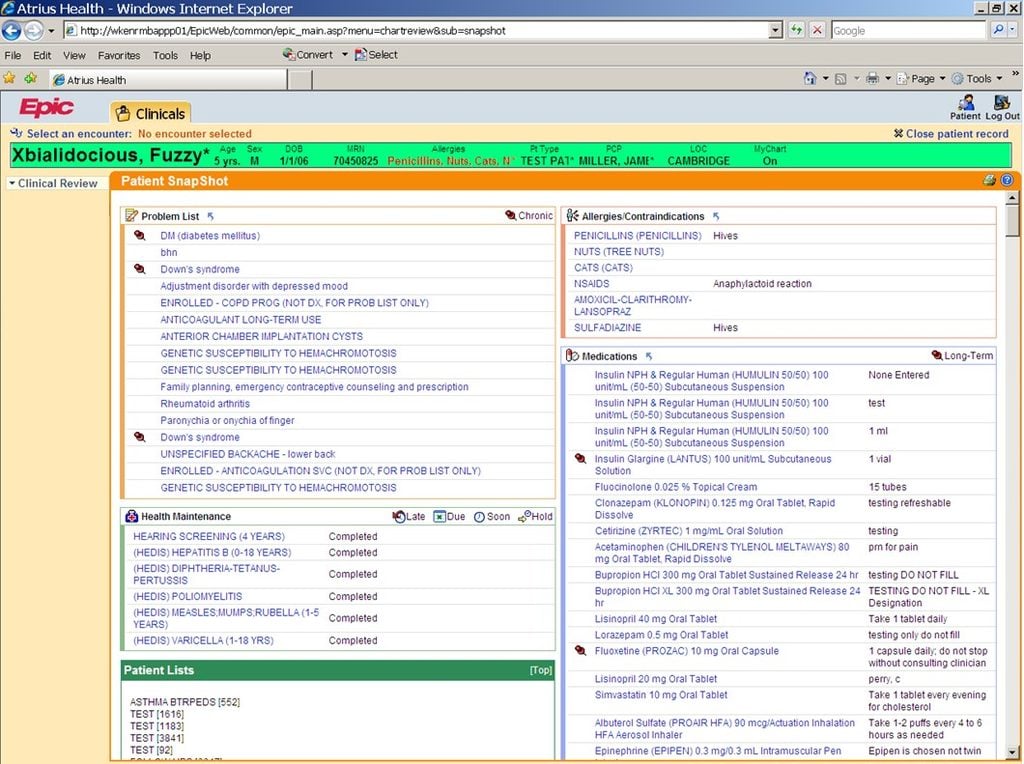
Epic Systems Corporation remains the dominant force in large-scale health systems and academic medical centers, commanding a significant portion of the acute care market. For the endocrinologist operating within these large networks, Epic’s "Endocrine" module offers a deep level of integration that is difficult to replicate in smaller systems. The platform’s strength lies in its ability to facilitate "Care Everywhere," a feature that allows clinicians to pull records from other Epic-using institutions seamlessly.
In the context of endocrinology, Epic provides specialized tools for thyroid nodule tracking and longitudinal surveillance of pituitary tumors. Its integration with third-party diabetes technology platforms, such as Glooko or Dexcom, allows for the direct ingestion of CGM and insulin pump data into the patient’s chart. This eliminates the need for clinicians to log into multiple portals during a 15-minute consultation. Furthermore, Epic’s robust reporting tools enable academic researchers to aggregate data across thousands of patients to study rare endocrine disorders or the long-term efficacy of new GLP-1 receptor agonists.
athenahealth: Leveraging the Cloud for Administrative Efficiency
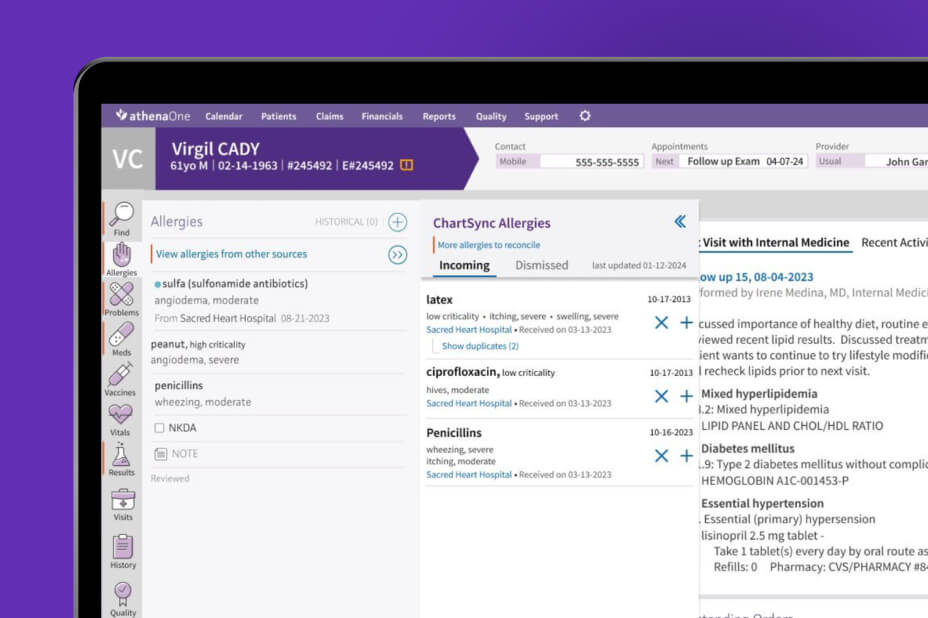
In contrast to the heavy infrastructure requirements of enterprise systems, athenahealth offers a cloud-native solution that has gained substantial traction among independent and mid-sized endocrinology practices. The platform is designed around the "network effect," where data from millions of patients across the country informs the system’s automated rules for billing and prior authorization.
Endocrinologists frequently deal with high-cost therapies, including growth hormones and the latest generation of diabetes medications, which often require complex prior authorizations. athenahealth’s integrated payer tools are designed to surface these requirements at the point of care, potentially reducing the administrative burden on office staff. Additionally, the platform’s patient engagement suite—featuring automated reminders and online scheduling—addresses the high "no-show" rates often seen in chronic disease management. Data from athenahealth indicates that practices using integrated patient engagement tools see a measurable increase in patient retention and adherence to follow-up testing.
ModMed: Specialty-Specific Design and User Experience
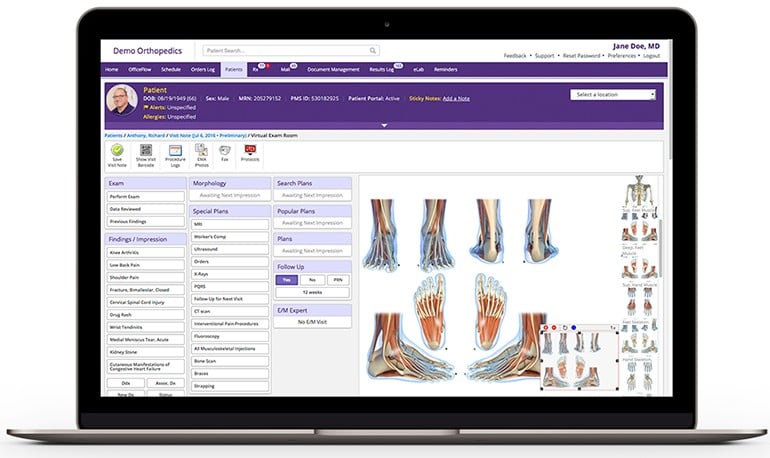
ModMed (formerly Modernizing Medicine) has carved out a niche by focusing on specialty-specific workflows. Their approach is built on the premise that an endocrinologist’s documentation needs are fundamentally different from those of a general surgeon or a pediatrician. The platform’s "EMA" (Electronic Medical Assistant) uses an adaptive learning engine that remembers a clinician’s preferred treatments and documentation patterns for common diagnoses like Hashimoto’s thyroiditis or Type 2 diabetes.
The mobile-first design of ModMed is a critical differentiator. Clinicians can use tablets to document visits, which allows for better eye contact and engagement with the patient compared to a traditional desktop setup. For endocrinologists, the ability to quickly visualize laboratory trends—such as TSH levels or bone mineral density scores—through an intuitive touch interface can enhance the diagnostic process. Industry analysts note that such user-centric designs are vital in combating the "EHR fatigue" that contributes to high rates of physician burnout.
eClinicalWorks: Bridging Population Health and Telehealth
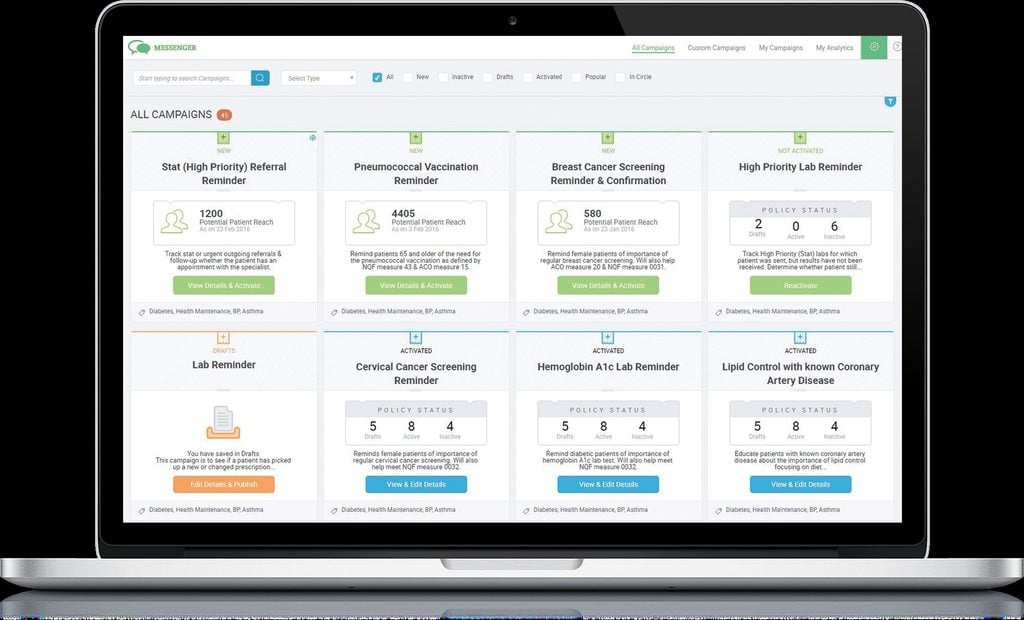
eClinicalWorks (eCW) has positioned itself as a comprehensive solution for practices that prioritize population health management. In endocrinology, managing a "population" often means identifying groups of patients with uncontrolled A1C levels or those who have missed their annual diabetic retinopathy screenings. eCW’s population health tools allow practices to run complex queries and initiate automated outreach to high-risk patients.
The platform’s HEALOW (Health and Online Wellness) app is one of the most widely used patient-facing tools in the industry. It enables patients to sync data from wearable devices, including smart scales and blood pressure monitors, which can be critical for managing the metabolic syndromes often associated with endocrine disorders. By integrating telehealth directly into the EHR, eCW ensures that virtual visits are documented with the same level of detail as in-person encounters, maintaining a continuous clinical narrative.
NextGen Healthcare: Prioritizing Interoperability and Multidisciplinary Coordination
NextGen Healthcare is frequently selected by multi-specialty groups where endocrinologists must work in close coordination with primary care providers, cardiologists, and nephrologists. The platform’s emphasis on interoperability is supported by "NextGen Share," a tool that simplifies the exchange of clinical documents across different EHR systems.
For patients with complex diabetes, coordination is essential to prevent complications like chronic kidney disease or cardiovascular events. NextGen’s clinical decision support (CDS) tools can alert an endocrinologist if a patient’s latest lab results suggest declining renal function, prompting a referral to nephrology or a medication adjustment. The system also includes robust quality-reporting modules that help practices comply with the Merit-based Incentive Payment System (MIPS), ensuring that the practice is optimized for maximum reimbursement under current federal guidelines.
AdvancedMD: Integrating Clinical Care with Business Intelligence
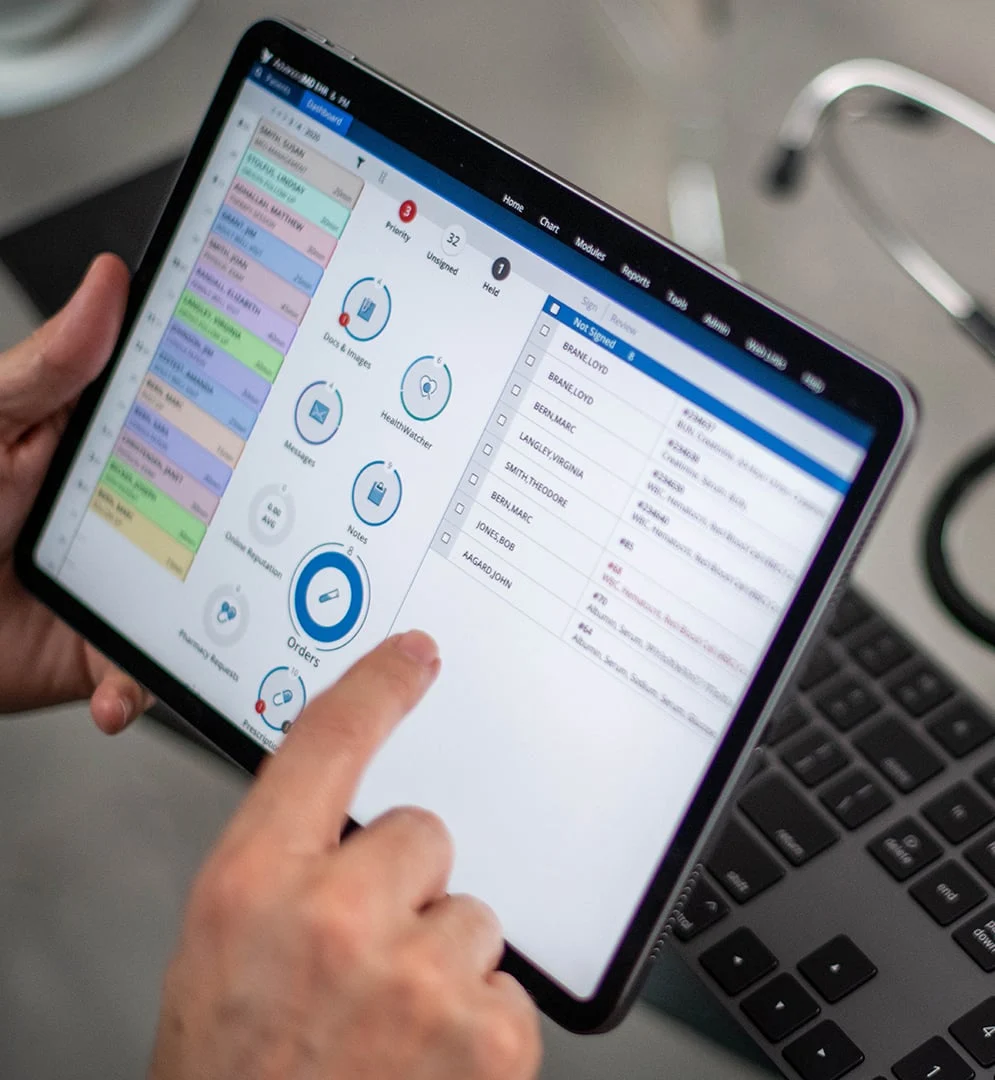
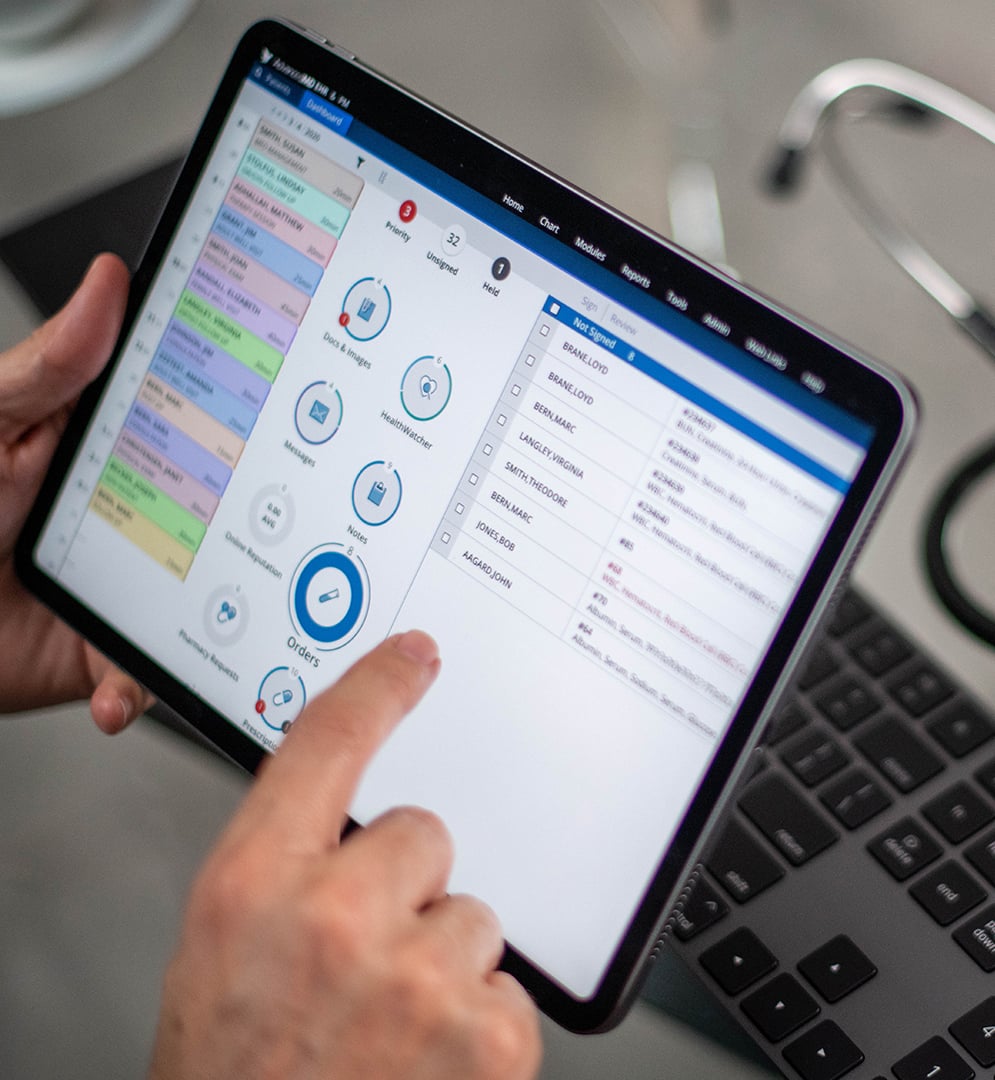
AdvancedMD provides a unified suite that blends clinical documentation with advanced practice management and billing features. This platform is particularly attractive to private endocrinology practices that operate as small businesses. The system’s "Dashboard" provides real-time insights into the practice’s financial health, tracking metrics such as "days in accounts receivable" and "claim denial rates."
On the clinical side, AdvancedMD offers customizable templates for various endocrine sub-specialties. For instance, a reproductive endocrinologist can configure the system to track fertility cycles and hormone therapy protocols, while a general endocrinologist might focus on osteoporosis management and FRAX scores. The integration of billing and clinical data allows the system to automatically suggest the most appropriate E/M (Evaluation and Management) codes based on the complexity of the documentation, reducing the risk of audits and ensuring fair compensation for the clinician’s time.
Supporting Data: The Impact of EHRs on Endocrine Outcomes
Recent studies in the Journal of Clinical Endocrinology & Metabolism highlight the tangible benefits of integrated EHR systems. Research indicates that clinics utilizing automated alerts for overdue lab tests saw a 15% improvement in patient adherence to thyroid monitoring protocols. Furthermore, the integration of CGM data into the EHR has been linked to a 0.5% average reduction in A1C levels among patients with Type 1 diabetes, as clinicians are able to make more informed adjustments to insulin regimens during visits.
However, the transition to these high-powered systems is not without cost. The average implementation of a new EHR can cost a private practice between $15,000 and $70,000 per provider, factoring in licensing fees, hardware, and lost productivity during the training phase. Despite these costs, the long-term Return on Investment (ROI) is often realized through improved billing accuracy, reduced transcription costs, and the ability to participate in lucrative value-based care contracts.
Broader Implications and the Future of Endocrine Informatics
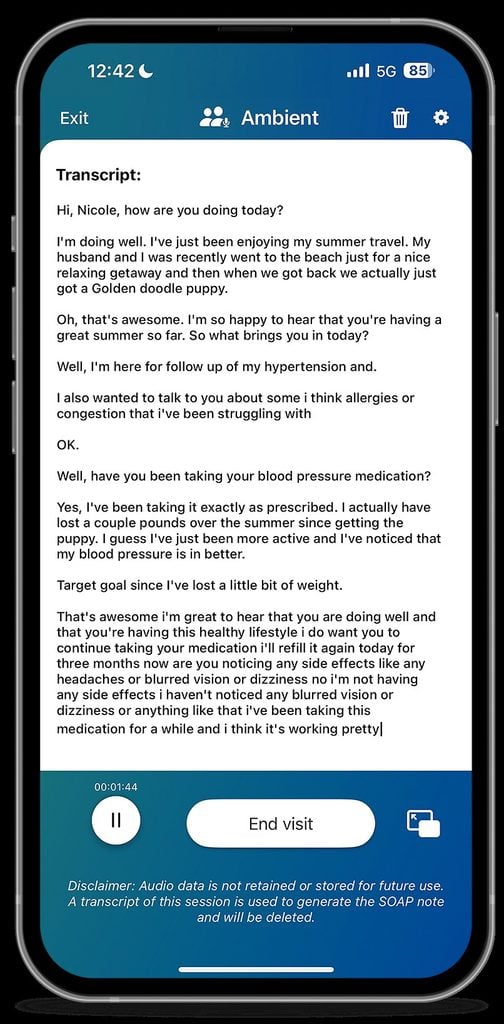
Looking forward, the integration of Artificial Intelligence (AI) and Machine Learning (ML) is set to redefine the EHR landscape. Future iterations of these platforms will likely include predictive analytics that can forecast a patient’s risk of developing complications like diabetic ketoacidosis (DKA) days before it occurs. Ambient listening technology—already being piloted by companies like Epic and Nuance—aims to eliminate manual typing altogether by using AI to transcribe patient-physician conversations into structured clinical notes.
For the endocrinology community, the shift toward "Big Data" presents both an opportunity and a challenge. While EHRs provide the tools to manage complex information, the responsibility remains with the clinician to interpret that data within the context of the individual patient’s life. The goal of the modern EHR is not to replace clinical judgment but to provide a clear, data-driven foundation upon which that judgment can be exercised. As these platforms continue to mature, they will play an indispensable role in the quest to provide personalized, precise, and proactive care for patients with endocrine disorders.
