

A significant legal development in the dietary supplement industry has seen a federal court invalidate key claims in a patent held by Kaneka Corporation, a prominent manufacturer of ubiquinol, also known as reduced coenzyme Q10 (CoQ10). The ruling, issued on September 2nd by the U.S. District Court for the Eastern District of New York, declared two claims of U.S. Patent No. 7,829,080, which pertains to the stabilization of ubiquinol, to be invalid. This decision directly challenges Kaneka’s intellectual property rights concerning its ubiquinol stabilization technology and has prompted the company to announce its intention to appeal the verdict.
The lawsuit, initiated by Kaneka Corporation in 2023, alleged patent infringement against competitor Cocrystal Technology. Kaneka claimed that Cocrystal’s reduced CoQ10 ingredient, originally marketed as Crystal QH and now rebranded as CrysQnol, violated its patent protections. However, the court’s dismissal of the lawsuit was based on the finding that Kaneka’s patent "is invalid for lack of enablement." This means the court determined that the patent did not sufficiently disclose how to make and use the invention to a person skilled in the art, a crucial requirement for patentability.
This recent New York ruling stands in stark contrast to a previous judgment in early 2024 by the U.S. District Court for the District of Delaware. In that instance, Kaneka had also filed suit, this time against Designs for Health and American River Nutrition, alleging infringement of the same patent. The Delaware court had ruled in favor of Kaneka, underscoring the complexity and diverging legal interpretations surrounding this crucial ingredient’s intellectual property.
Kaneka Corporation, a global leader in chemicals and materials, has been a significant player in the CoQ10 market for decades. Its ubiquinol product has been a cornerstone of its supplement ingredient portfolio. The company maintains a strong stance on protecting its innovations. In response to the New York ruling, Kaneka issued a statement asserting that "The New York ruling should not be interpreted as permission for third parties to disregard Kaneka’s intellectual property rights." The company further emphasized its commitment to safeguarding its market position, stating, "Kaneka reserves all rights and will continue to monitor the market and take appropriate legal action against parties that infringe those rights." The company’s immediate plan to appeal the decision to the U.S. Court of Appeals for the Federal Circuit signals its determination to reinstate its patent claims.
Cocrystal Technology, on the other hand, has welcomed the court’s decision. Xuefeng Mei, founder of Cocrystal, expressed optimism about the implications of the ruling. "Our focus has never been on following an established path, but on solving difficult scientific problems through our own research and technology," Mei stated in a press release. He further articulated that the ruling is not an endpoint but rather an "opportunity to bring our technology to more customers and continue innovating in the U.S. market." Cocrystal’s CrysQnol ingredient is poised to gain broader market access following this legal victory, potentially intensifying competition in the ubiquinol segment.
The legal battle highlights the ongoing challenges in protecting and enforcing intellectual property within the rapidly evolving dietary supplement industry. Ubiquinol, the reduced and more bioavailable form of CoQ10, is a popular ingredient used in supplements aimed at supporting cardiovascular health, energy production, and antioxidant defense. The market for CoQ10 and its derivatives is substantial, with global sales reaching billions of dollars annually. Innovations in stabilization and delivery methods are critical for manufacturers seeking to differentiate their products and ensure efficacy.
Background and Chronology of the Legal Dispute
The patent in question, U.S. Patent No. 7,829,080, was granted for a method of stabilizing reduced coenzyme Q10. Kaneka Corporation, a Japanese chemical company with a significant presence in the health and nutrition sector, has historically been a dominant force in the CoQ10 market, particularly with its proprietary Kaneka Ubiquinol™ ingredient.
The legal disputes involving this patent have unfolded over several years:

- 2021: Kaneka Corporation files a lawsuit against Designs for Health and American River Nutrition in the U.S. District Court for the District of Delaware, alleging infringement of its ubiquinol stabilization patent.
- Early 2024: The Delaware court rules in favor of Kaneka, finding in its favor against Designs for Health and American River Nutrition. This decision appeared to affirm Kaneka’s patent rights.
- 2023: Kaneka Corporation files a separate lawsuit against Cocrystal Technology in the U.S. District Court for the Eastern District of New York, alleging infringement of the same patent by Cocrystal’s reduced CoQ10 ingredient.
- September 2, 2024: The New York court issues a ruling invalidating two key claims of Kaneka’s U.S. Patent No. 7,829,080, finding it to be invalid for lack of enablement and dismissing Kaneka’s lawsuit against Cocrystal Technology.
- Post-Ruling: Kaneka announces its intention to appeal the New York decision to the U.S. Court of Appeals for the Federal Circuit. Cocrystal Technology prepares to further market its CrysQnol ingredient in the U.S.
The differing outcomes in the Delaware and New York courts underscore the complexities of patent law and the specific evidence presented in each case. The "enablement" requirement in patent law is critical; a patent must teach a skilled person how to make and use the invention without undue experimentation. If a court finds that a patent fails to meet this standard, the patent can be deemed invalid.
Broader Implications for the Supplement Industry
The invalidation of patent claims, especially those related to widely used and scientifically supported ingredients like ubiquinol, can have ripple effects across the dietary supplement landscape. For Kaneka, this ruling represents a significant setback in its efforts to protect its technological investments and maintain a competitive advantage. The company’s commitment to appeal suggests a belief that the New York court’s interpretation of the patent’s enablement was flawed or that new evidence might sway an appellate court.
For competitors like Cocrystal Technology, the ruling opens doors to a more robust market presence. The ability to market their reduced CoQ10 ingredient without the immediate threat of infringement litigation from Kaneka could lead to increased market share and potential price competition. This could ultimately benefit consumers by offering more choices and potentially more affordable ubiquinol products.
The decision also raises questions about the enforceability of existing patents in the supplement industry. Companies that have invested heavily in research and development and subsequently secured patents may face increased scrutiny regarding the thoroughness and clarity of their patent disclosures. This could incentivize a more rigorous approach to patent drafting and prosecution.
Furthermore, the case highlights the importance of scientific innovation and independent research. Cocrystal’s emphasis on "solving difficult scientific problems through our own research and technology" suggests a strategy of developing proprietary solutions rather than relying on existing, patented technologies. This approach can foster a more dynamic and competitive market environment.
The broader scientific community continues to explore the multifaceted benefits of CoQ10 and its reduced form, ubiquinol. Research has consistently pointed to its role in cellular energy production, as a potent antioxidant, and its potential benefits for heart health, cognitive function, and exercise performance. A 2022 review published in the International Journal of Molecular Sciences highlighted ubiquinol’s superior absorption and bioavailability compared to ubiquinone (the oxidized form of CoQ10), making it a preferred choice for many supplement formulations. Studies have also investigated its role in mitigating oxidative stress associated with aging and various chronic conditions. The ongoing scientific interest in ubiquinol underscores its commercial significance and the continued importance of innovation in this sector.
New Scientific Developments and Product Innovations
Beyond the legal arena, the supplement industry is constantly abuzz with new scientific discoveries and product developments. This edition of Supplement Shorts delves into several emerging areas, including novel research on niacin, chicken peptides, and saffron, alongside an innovative approach to delivering sulforaphane.
Clinical Currents and Science News:
Recent scientific reports continue to shed light on the diverse health applications of various compounds.
-
Niacin’s Evolving Role: Niacin, a form of Vitamin B3, has long been recognized for its role in metabolism and its ability to positively influence lipid profiles. However, emerging research is exploring its broader impact on cellular health and inflammation. Studies are investigating niacin’s potential in supporting DNA repair mechanisms and its influence on the gut microbiome, areas that were less understood previously. While its lipid-lowering effects are well-established, further clinical trials are underway to confirm its efficacy and safety in specific patient populations and for a wider range of health outcomes. The U.S. National Institutes of Health (NIH) continues to fund research into the therapeutic potential of niacin and its derivatives, aiming to elucidate its mechanisms of action at a molecular level.
-
Chicken Peptides in Focus: Research into the bioactivity of protein hydrolysates derived from food sources is gaining traction. Chicken peptides, obtained through enzymatic hydrolysis of chicken protein, are being investigated for their potential health benefits. These peptides, which are smaller protein fragments, may exhibit enhanced absorption and unique functional properties. Preliminary studies suggest potential applications in areas such as immune modulation and muscle protein synthesis. While the science is still in its nascent stages, researchers are exploring their antioxidant and anti-inflammatory properties, with an eye toward developing functional foods and supplements.
-
Saffron’s Cognitive and Mood Support: Saffron (Crocus sativus L.), a prized spice with a long history in traditional medicine, is increasingly being studied for its positive effects on mood and cognitive function. Several clinical trials have indicated that standardized saffron extracts can be effective in managing symptoms of mild to moderate depression and anxiety. The proposed mechanisms involve the modulation of neurotransmitters such as serotonin, dopamine, and norepinephrine. Beyond mood, research is also exploring saffron’s antioxidant and neuroprotective properties, suggesting a potential role in supporting overall brain health and combating age-related cognitive decline. A meta-analysis published in the Journal of Affective Disorders in 2020 reviewed several studies and concluded that saffron extract demonstrates significant efficacy in improving depressive symptoms.
Dietary Supplement Finished Product News:
Innovation in product delivery and formulation continues to be a driving force in the finished product market.
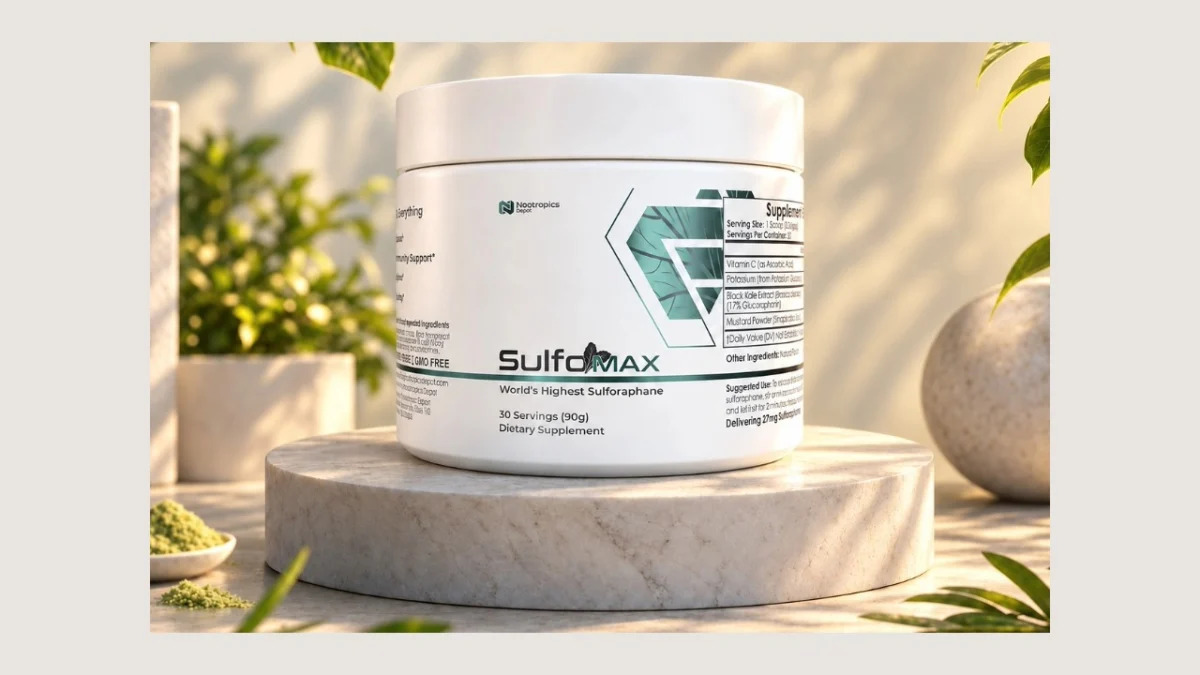
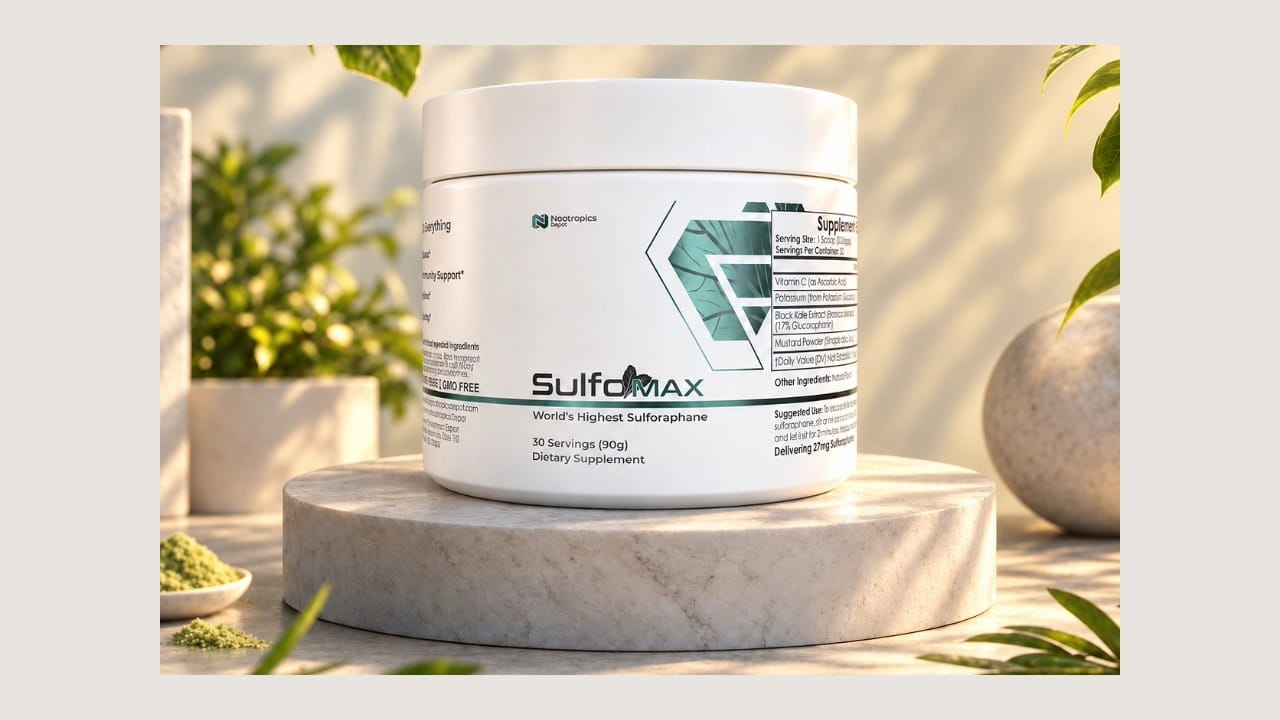
- Sulforaphane Delivery Breakthrough: Sulforaphane, a potent phytonutrient found in cruciferous vegetables like broccoli, is well-known for its powerful antioxidant and detoxification properties. However, its stability and bioavailability have been challenges in supplement formulation. Nootropics Depot has introduced a new product, SulfoMax, which utilizes an innovative delivery method designed to enhance the efficacy of sulforaphane. This formulation combines black kale and mustard, ingredients rich in glucosinolates and the enzyme myrosinase, respectively. When the powder is mixed with water, these components interact to generate sulforaphane in situ, potentially leading to improved absorption and a more consistent delivery of the active compound. This approach aims to overcome the limitations of traditional sulforaphane supplements, which can suffer from degradation or inconsistent conversion.
This blend of ongoing scientific exploration and innovative product development underscores the dynamic nature of the dietary supplement industry, where advancements in research are quickly translated into consumer-ready solutions. The industry’s commitment to scientific rigor, coupled with creative formulation strategies, promises a continued stream of beneficial products for consumers.
The author, Devon Gholam, Ph.D., is an editor at SupplySide Supplement Journal and brings nearly two decades of experience in the functional food and nutraceutical industry. Her expertise spans product development, innovation, technical sales, and technical writing, having worked with companies such as Kellogg Co., Ganeden Biotech, and Step Change Innovations. Dr. Gholam’s passion lies in women’s health and understanding the impact of emerging trends, such as GLP-1 medications, on the food, beverage, and supplement sectors. She is dedicated to fostering a spirit of innovation and collaboration within the nutraceutical community by sharing her knowledge and advocating for credible science.
