

The dietary supplement industry is currently witnessing a significant surge in innovation, driven by a confluence of critical trends. Emerging research and market demand are highlighting the intricate connections between women’s health, weight management strategies, advancements in botanical ingredient research, and the development of new products tailored for postnatal recovery and perimenopausal support. This edition of Supplement Shorts delves into these dynamic areas, exploring scientific breakthroughs, emerging finished products, and the underlying market forces shaping the landscape.
A Growing Opportunity in Women’s Unique GLP-1 Needs
A stark reality underscores a significant unmet need within women’s health: more than half of women globally are currently overweight or obese. Projections from a recent report in The Lancet Obstetrics, Gynaecology & Women’s Health indicate this figure is expected to climb to a staggering 60% by 2050. This escalating public health challenge is further complicated by the evolving landscape of weight management therapies, particularly the widespread adoption of glucagon-like peptide-1 (GLP-1) receptor agonist (RA) medications.
Despite their increasing use, the scientific understanding and clinical guidance surrounding women’s specific responses to these powerful medications lag significantly behind their broad application. This gap is exacerbated by socioeconomic factors, which disproportionately affect access and understanding in low- and middle-income countries. The authors of the Lancet report explicitly noted that "The efficacy of GLP-1 receptor agonists in women in low-income and middle-income countries remains poorly understood due to their under-representation in trials."
Furthermore, the report highlights that while women often experience greater weight loss with these therapies compared to men, they also face a unique set of challenges. These include critical considerations related to reproduction and fertility, a greater vulnerability to adverse effects, and an increased risk of losing lean body mass. This delicate balance of benefits and risks presents a compelling opportunity—and perhaps an urgent call to action—for the dietary supplement industry.
Brands and manufacturers are uniquely positioned to explore the intersections of GLP-1 support, metabolic health, and women’s specific physiological needs. Identifying these "white spaces" could lead to the development of novel, cost-effective formulations that directly address the nuanced requirements of female consumers. The authors of the Lancet study concluded, "Tackling the global challenges in access to GLP-1 receptor agonists provides substantial opportunities to improve women’s health internationally." However, they stressed that achieving equitable access necessitates a multi-pronged approach, including strengthening supply chains, enhancing regulatory oversight to combat falsified and compounded products, and fostering the development of innovative therapies that are stable, scalable, and potentially more affordable.
Clinical Currents and Science News: Unveiling the Botanical Frontier
The scientific exploration of botanical ingredients continues to be a cornerstone of innovation in the supplement industry. Research into the therapeutic potential of plant-derived compounds is yielding promising results, particularly in areas relevant to women’s health and metabolic support.
For instance, ongoing studies are investigating the anti-inflammatory and antioxidant properties of various botanicals that could play a role in managing conditions associated with weight gain and hormonal fluctuations. Ingredients like green tea extract, known for its catechins such as epigallocatechin gallate (EGCG), have been extensively studied for their potential to boost metabolism and aid in fat oxidation. Similarly, ingredients such as curcumin, derived from turmeric, are being explored for their anti-inflammatory effects, which can be crucial for women experiencing discomfort during perimenopause or postpartum recovery.

The scientific community is also increasingly focusing on the gut microbiome’s role in overall health, including weight management and hormonal balance. Research into prebiotics and probiotics, often derived from botanical sources or symbiotic cultures, is revealing their potential to influence nutrient absorption, reduce inflammation, and even impact mood and energy levels – factors critical for women navigating life transitions.
The demand for evidence-based products is driving a greater emphasis on clinical trials and rigorous scientific validation. Manufacturers are investing in research to substantiate the efficacy and safety of their formulations, moving beyond traditional uses to understand the precise mechanisms of action of botanical ingredients. This commitment to science is not only building consumer trust but also paving the way for more targeted and effective supplement solutions.
Dietary Supplement Finished Product News: Innovations for Key Life Stages
The market is responding to the growing demand for specialized women’s health supplements with a wave of new product launches. These innovations are strategically targeting critical periods in a woman’s life, from the demanding postpartum phase to the complex hormonal shifts of perimenopause.
Postnatal Recovery: The postpartum period is a time of significant physical and emotional adjustment for new mothers. Recognizing this, the supplement industry is introducing products designed to support recovery, energy levels, and nutrient replenishment. Formulations often include essential vitamins and minerals like iron, folate, and vitamin D, which are crucial for restoring the body after childbirth and breastfeeding. Beyond basic nutrition, newer products are incorporating adaptogens like Ashwagandha to help manage stress and fatigue, and botanicals like Fenugreek, traditionally used to support milk production. The focus is shifting towards holistic support, addressing not just physical recovery but also mental well-being and energy restoration.
Perimenopause Support: The transition through perimenopause and menopause presents a unique set of challenges for women, including hot flashes, mood swings, sleep disturbances, and bone health concerns. The supplement market is actively developing solutions to alleviate these symptoms. Ingredients such as Black Cohosh and Red Clover are long-standing staples, known for their potential to manage vasomotor symptoms. However, innovation is also emerging with the inclusion of newer compounds and synergistic blends. For example, research into the benefits of specific strains of probiotics for mood and gut health is leading to their integration into perimenopause formulas. Additionally, ingredients like Maca root, an adaptogen, are being explored for their potential to balance hormones and improve energy. The emphasis is on providing comprehensive support that addresses the multifaceted nature of menopausal transitions, aiming to improve quality of life during this significant life stage.
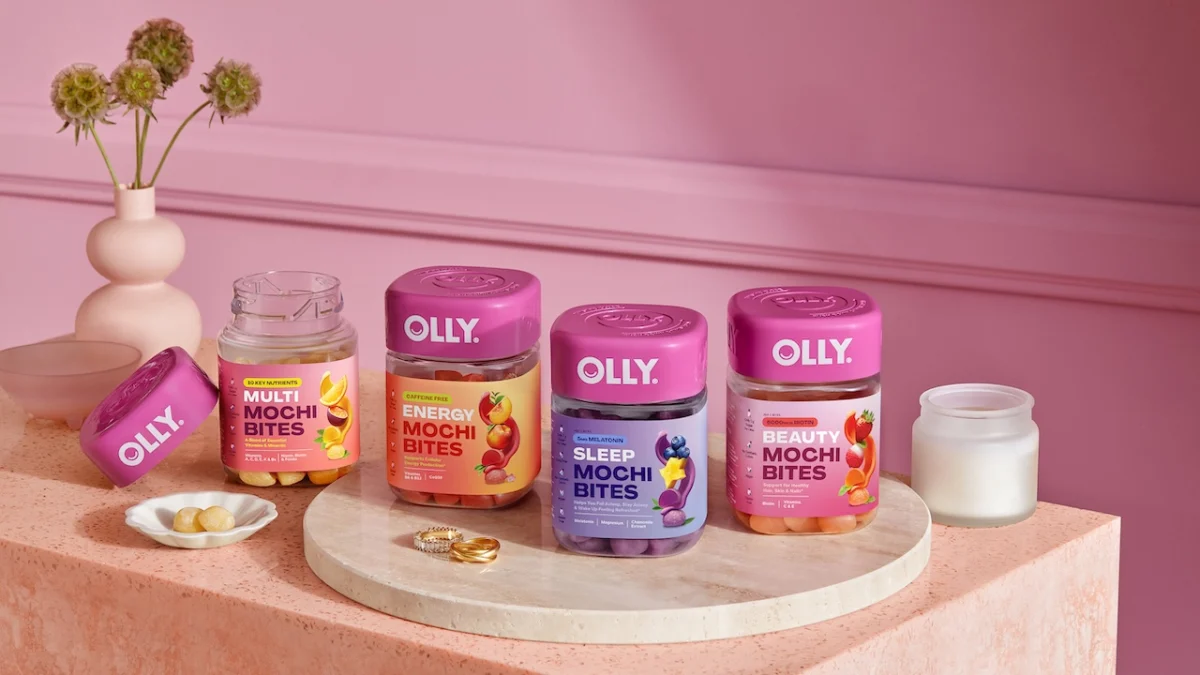
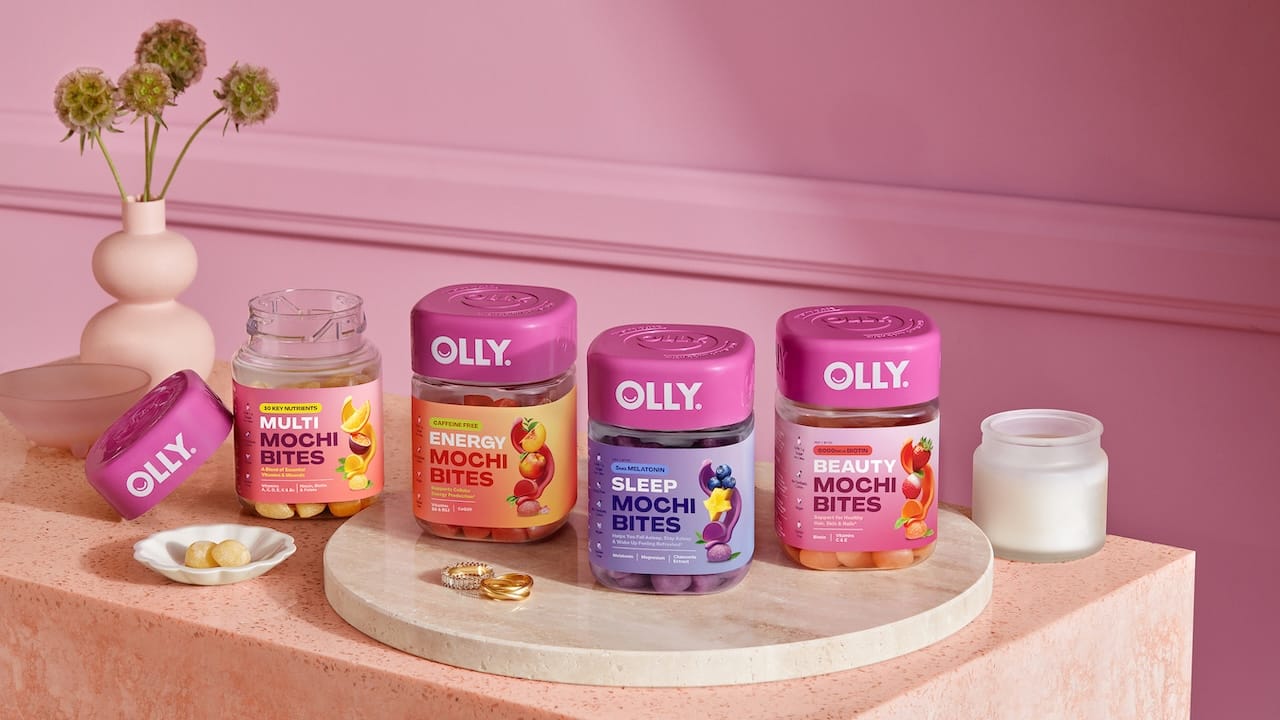
A notable example of product innovation is OLLY’s new line of mochi bites, available in four distinct formulas. While specific details of their formulations are not provided, the brand’s history of creating approachable and appealing supplement formats suggests a focus on consumer convenience and palatability. Such product launches reflect a broader industry trend towards making supplements more accessible and enjoyable, catering to diverse consumer preferences and lifestyles. The inclusion of innovative formats like mochi bites indicates a strategic effort to engage consumers who may be seeking alternatives to traditional pills or powders.
Company and Organization Updates: A Pulse on Industry Developments
The dynamism of the supplement sector is further evidenced by ongoing updates from companies and industry organizations. These developments often signal shifts in research priorities, market strategies, and collaborative efforts.
Ingredient Innovations: Companies specializing in ingredient development are continuously working to identify and validate novel botanical extracts and other functional compounds. This includes investing in proprietary extraction methods to enhance bioavailability and efficacy, as well as conducting preclinical and clinical studies to support their product claims. The focus is increasingly on ingredients with scientifically backed benefits for women’s health, metabolism, and cognitive function.
Regulatory and Quality Standards: Industry organizations are playing a crucial role in establishing and promoting higher quality standards and regulatory compliance. Initiatives aimed at ensuring product purity, potency, and safety are paramount, especially in a market with increasing scrutiny. For example, efforts to develop standardized testing protocols for botanicals, like the BAPP lab guide for elderberry, are essential for building consumer confidence and ensuring product integrity. Such guidelines help manufacturers and researchers alike to produce reliable and consistent ingredients.
Collaborative Research: The complexity of women’s health issues often necessitates collaborative research efforts between supplement companies, academic institutions, and research organizations. These partnerships can accelerate the discovery and validation of new ingredients and formulations. The sharing of scientific insights and the pooling of resources can lead to breakthroughs that address critical unmet needs more effectively.
Market Expansion and Consumer Education: Companies are also focusing on expanding their reach and educating consumers about the benefits of specific supplements. This involves developing clear and transparent labeling, providing accessible scientific information, and engaging with consumers through various platforms. The goal is to empower consumers to make informed choices about their health and well-being.
The ongoing engagement and proactive development within the supplement industry, from foundational ingredient research to finished product innovation and organizational advancements, underscore a robust commitment to addressing evolving consumer needs, particularly within the critical and expanding domain of women’s health. The intersection of scientific discovery, market demand, and a focus on specific life stages promises a future of increasingly targeted and effective nutritional solutions.
For those within the industry looking to share their own innovations, whether it’s the launch of groundbreaking ingredients, new clinical trial results, or significant company announcements, SupplySide Supplement Journal welcomes contributions. Reaching out to Devon Gholam at [email protected] is encouraged to ensure these important developments are highlighted within the industry.
About the Author:
Devon Gholam, Ph.D., serves as an editor for SupplySide Supplement Journal, bringing nearly two decades of experience in the functional food and nutraceutical industries. Her career has spanned product development, innovation, technical sales, and technical writing at prominent companies including the Kellogg Co., Ganeden Biotech (now part of Kerry), and Step Change Innovations. Dr. Gholam possesses a deep passion for women’s health and an keen interest in the impact of emerging health trends, such as GLP-1 medication, on the food, beverage, and supplement sectors. Her commitment lies in leveraging her expertise and passion for credible science to foster an environment of innovation and collaboration within the nutraceutical community.
