

The supplement industry is witnessing a dynamic evolution, driven by critical unmet needs in women’s health, groundbreaking clinical research into active ingredients, and an influx of innovative new product launches, particularly in the burgeoning longevity market. This edition of Supplement Shorts delves into the multifaceted landscape of supplement news, spanning scientific advancements, finished product introductions, and the underlying market forces shaping the sector.
The Untapped Potential of Women’s Health and Longevity
While sales in the women’s health supplement category have shown consistent upward trends in recent years, new consumer research indicates a significant reservoir of untapped potential, particularly concerning female longevity. A comprehensive 2026 global longevity study conducted by Boston Consulting Group (BCG) has shed light on this critical gap. The research revealed that women experiencing perimenopause and menopause face the most pronounced unmet needs, underscoring a systemic failure within healthcare systems to adequately address the unique biological and physiological aging processes experienced by women compared to men.
Parul Bajaj, a managing director and partner at BCG and a co-author of the study, articulated the industry’s oversight. "Companies tend to wait until menopause before they engage women in conversations about long-term health," Bajaj stated. "However, the crucial window for intervention and proactive health management actually opens about a decade earlier. Misinterpreting hormonal shifts in the mid-30s as mere short-term symptoms, rather than recognizing them as significant turning points, represents one of the most substantial blind spots in how the market currently serves women."
This perspective aligns with a growing global trend of women taking a more proactive stance regarding their personal well-being. A white paper released by ingredient supplier Lubrizol, focusing on women in the Asia-Pacific region, corroborated this shift, highlighting an increased consumer focus on long-term wellness strategies. Bernardo Medieros, Global VP of Lubrizol Life Science, echoed this sentiment, observing, "Consumers are no longer adopting a reactive approach, waiting for health problems to manifest. Instead, they are investing earlier in their health, actively seeking solutions that empower them to maintain confidence, vitality, and an optimal quality of life across all stages of their journey."
The implications of this research are substantial for supplement manufacturers and marketers. The findings suggest a significant market opportunity for products designed to address the specific needs of women in their mid-30s and beyond, focusing on hormonal balance, energy levels, cognitive function, bone health, and other age-related concerns that often precede the onset of menopause. Companies that can effectively target these "pre-menopausal" and "perimenopausal" stages with science-backed formulations are likely to capture a substantial share of this expanding market.
For businesses looking to navigate this complex landscape, educational resources are becoming increasingly vital. The availability of specialized digital magazines focusing on life-cycle formulation strategies for women, alongside dedicated educational sessions at industry events like SupplySide Global—which has featured discussions on women’s sexual health—underscores the industry’s commitment to addressing these specific needs. These initiatives aim to equip formulators and marketers with the knowledge and tools necessary to develop effective and resonant products for female consumers.
Clinical Currents and Scientific Advancements
The scientific underpinnings of supplement efficacy continue to be a focal point for innovation. Emerging research is constantly exploring the potential of various active ingredients to address a wide spectrum of health concerns, from cognitive decline and immune support to mood regulation and enhanced athletic performance. The rigorous investigation of these compounds, often through double-blind, placebo-controlled clinical trials, is crucial for establishing credibility and driving consumer confidence.
The supplement industry, while sometimes facing scrutiny, is increasingly investing in robust scientific validation. Organizations and companies are prioritizing the publication of clinical trial data, which serves as the bedrock for product claims and market positioning. This commitment to scientific evidence is essential for differentiating products in a crowded marketplace and for building trust with consumers who are becoming more discerning about the efficacy and safety of the supplements they choose.
The timeline for bringing a new ingredient or supplement formulation to market is often lengthy, involving extensive research and development, pre-clinical testing, human clinical trials, and regulatory approvals. This process can take several years, highlighting the significant investment and dedication required to introduce scientifically validated products. For instance, the development of novel compounds for longevity or specific women’s health conditions often involves multi-phase clinical studies, with each phase building upon the findings of the previous one.
Industry stakeholders, including ingredient suppliers, contract research organizations, and finished product manufacturers, are collaborating more closely to accelerate the pace of innovation while maintaining scientific integrity. This collaborative ecosystem facilitates the translation of scientific discoveries into tangible consumer benefits. The emphasis on peer-reviewed publications and presentations at scientific conferences ensures that new findings are subject to rigorous scrutiny and readily accessible to the broader scientific and industry communities.
New Frontiers in Longevity and Finished Product Launches

The burgeoning longevity market is a significant driver of new product development within the supplement industry. Consumers are increasingly interested in products that promise to extend healthspan—the period of life spent in good health—rather than simply lifespan. This focus on "healthy aging" has led to a surge in innovative formulations targeting cellular health, mitochondrial function, telomere support, and other biological processes associated with aging.
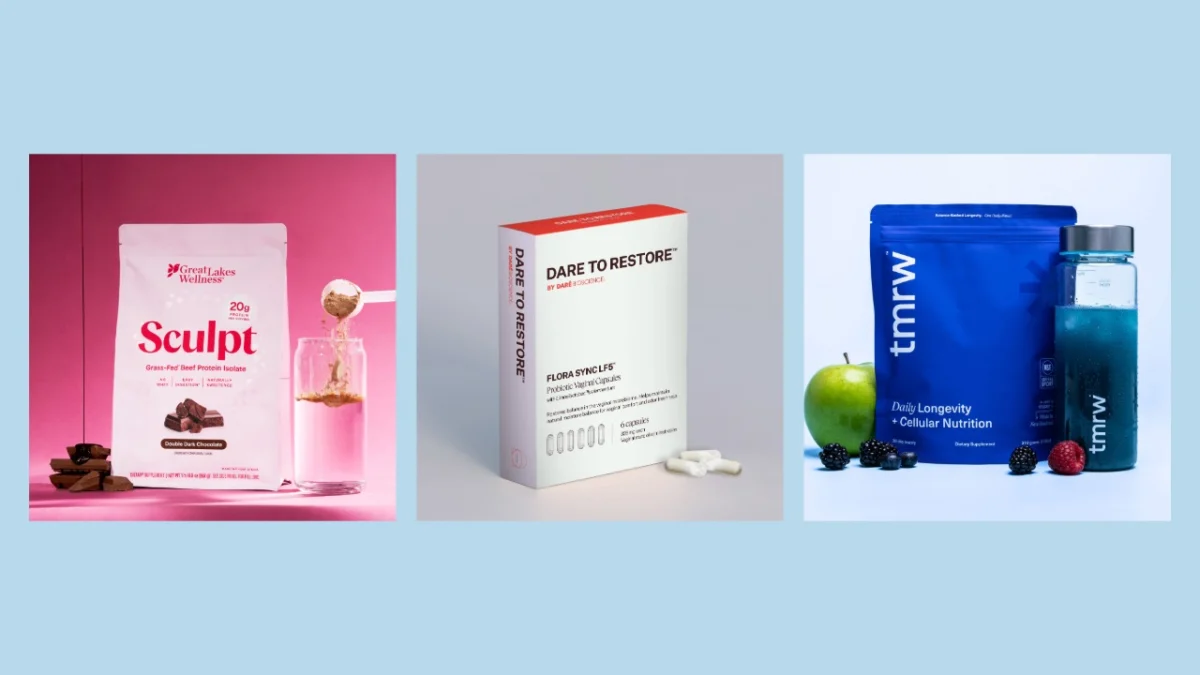
Recent product launches exemplify this trend. Great Lakes Wellness has introduced a grass-fed beef protein, catering to the demand for high-quality protein sources that support muscle health and overall vitality, crucial components of healthy aging. Daré Biosciences has launched vaginal probiotic capsules, addressing a specific women’s health need with a focus on microbiome support, an area gaining increasing scientific attention for its role in overall well-being. Tmrw has entered the market with a blue longevity drink, a visually appealing and convenient format for consumers seeking ingestible solutions for extended vitality.
These new products reflect a diversification in supplement offerings, moving beyond traditional capsules and powders to include beverages, functional foods, and other convenient delivery systems. The aesthetic and sensory appeal of these products is also becoming increasingly important, as manufacturers aim to create enjoyable and sustainable consumption experiences. The use of vibrant colors, appealing flavors, and innovative packaging design can significantly influence consumer adoption and brand loyalty.
The development of these finished products often draws upon the latest scientific research into active ingredients. For example, the longevity drink might incorporate ingredients like NMN (nicotinamide mononucleotide), resveratrol, or various antioxidants, all of which have been subjects of extensive research regarding their potential anti-aging properties. Similarly, the vaginal probiotic capsules are formulated with specific strains of probiotics that have demonstrated benefits for vaginal health and the broader reproductive system.
The success of these launches hinges not only on the novelty of the product but also on the clarity of its scientific backing and its ability to resonate with consumer needs. Marketing efforts often emphasize the science behind the ingredients, the specific benefits offered, and the target demographic. For instance, companies may highlight clinical studies demonstrating the efficacy of their key ingredients or provide testimonials from satisfied customers.
Company and Organization Updates: A Landscape of Growth and Collaboration
The supplement industry is characterized by constant activity, with companies and organizations frequently announcing updates related to product development, clinical research, strategic partnerships, and market expansions. These updates provide valuable insights into the industry’s trajectory and emerging trends.
The ongoing commitment to innovation is evident in the consistent release of new scientific findings and product formulations. Companies are actively investing in research and development to identify novel ingredients, optimize existing formulations, and validate the efficacy of their products through rigorous scientific study. The publication of clinical trial results, whether in peer-reviewed journals or through press releases, serves to inform both the scientific community and the broader market.
Strategic collaborations between ingredient suppliers, contract manufacturers, and finished product brands are becoming increasingly common. These partnerships facilitate the efficient development and commercialization of new products, leveraging the expertise and resources of each entity. For example, an ingredient supplier might partner with a contract manufacturer to develop a unique delivery system for a new botanical extract, which is then marketed by a finished product brand.
Mergers and acquisitions also play a significant role in shaping the industry landscape. Larger companies may acquire smaller, innovative firms to gain access to new technologies, product lines, or market segments. These strategic moves can lead to consolidation within the industry and can also signal emerging areas of growth and investment.
Furthermore, industry organizations and trade associations are actively engaged in promoting best practices, advocating for supportive regulatory environments, and facilitating knowledge exchange among members. Events, conferences, and publications organized by these entities serve as crucial platforms for networking, learning, and staying abreast of the latest developments.
For companies and organizations poised to introduce innovative ingredients, groundbreaking products, or significant clinical trial results, communicating these developments effectively is paramount. SupplySide Supplement Journal, as indicated by the original article’s closing statement, actively seeks to cover such announcements, emphasizing the importance of reaching the relevant industry audience. The call for companies to share their news highlights the interconnectedness of the industry and the value placed on disseminating information about scientific progress and market innovation.
The continuous flow of updates from companies and organizations underscores the dynamic and competitive nature of the supplement industry. It reflects a sector that is not only responsive to consumer demands but also actively shaping the future of health and wellness through scientific inquiry and product innovation. The focus on women’s health and longevity, in particular, represents a significant and growing area of opportunity, driven by a deeper understanding of unmet needs and a commitment to developing science-backed solutions.
