

The dietary supplement industry is experiencing a dynamic surge of innovation, with a particular focus on women’s health, encompassing the critical intersections of weight management, the burgeoning field of botanical ingredient research, and the introduction of new products tailored for postnatal care and perimenopause. This edition of Supplement Shorts delves into the latest developments, from groundbreaking scientific discoveries to the unveiling of finished products and the intricate ecosystem that supports them.
Opportunity in Women’s Unique GLP-1 Needs
A significant and growing concern within global health is the prevalence of overweight and obesity among women. Current data indicates that over half of women worldwide fall into this category, a figure projected to escalate to a staggering 60% by 2050, according to a comprehensive report published in The Lancet Obstetrics, Gynaecology & Women’s Health. This alarming trend highlights a critical gap in the scientific understanding and clinical guidance surrounding the use of glucagon-like peptide-1 (GLP-1) receptor agonist (RA) medications by women. Despite the widespread adoption of this class of drugs, the research landscape has not kept pace with their application in female populations, exacerbated by socioeconomic disparities.
The authors of the Lancet report underscore the insufficient understanding of GLP-1 receptor agonists’ efficacy in women residing in low- and middle-income countries, a direct consequence of their underrepresentation in clinical trials. While studies suggest women may experience greater weight loss with these therapies compared to men, they also face distinct challenges. These include implications for reproduction and fertility, a higher susceptibility to adverse effects, and an increased vulnerability to lean mass loss.
This complex landscape presents a compelling opportunity for dietary supplement brands and manufacturers. By examining the overlapping concerns of GLP-1 support, metabolic health, and women’s specific physiological needs, companies can identify unmet market demands and develop novel, cost-effective formulations. The potential for white spaces in product development is substantial, particularly for solutions that address these unique consumer needs. The report’s concluding remarks emphasize that "Tackling the global challenges in access to GLP-1 receptor agonists provides substantial opportunities to improve women’s health internationally." However, achieving this equitable access necessitates a concerted effort to strengthen supply chains, enhance regulatory oversight to combat falsified and compounded products, and embrace innovative therapies that are not only stable and scalable but also potentially more affordable.
The implications for the supplement industry are profound. As the understanding of GLP-1 mechanisms and their impact on women’s health evolves, there is a clear demand for evidence-based supplements that can complement existing medical interventions or offer alternative support. This could involve ingredients that:
- Support healthy metabolism: Exploring botanical extracts and compounds known for their metabolic benefits, such as cinnamon, green tea extract, or chromium, which may play a role in glucose regulation and energy expenditure.
- Mitigate lean mass loss: Investigating protein sources, amino acid profiles, and other nutrients like Vitamin D and calcium that are crucial for maintaining muscle mass, a common concern with significant weight loss.
- Address hormonal fluctuations: Identifying ingredients that can support hormonal balance during reproductive years and perimenopause, potentially including adaptogens like ashwagandha, maca, or specific B vitamins.
- Enhance nutrient absorption and bioavailability: Developing formulations that ensure optimal absorption of key nutrients, especially for women who may have specific dietary restrictions or absorption challenges.
- Support digestive health: Recognizing the link between gut health and overall well-being, and exploring probiotics and prebiotics that can contribute to a balanced microbiome, which is increasingly being recognized as a factor in weight management and hormonal health.
The call to action from the Lancet report is not merely academic; it is a direct signal to the industry to innovate and create solutions that are both scientifically sound and accessible, particularly to underserved populations. The development of such products could significantly contribute to improving women’s health outcomes globally, fostering a more equitable approach to well-being.

Clinical Currents and Science News
The scientific community continues to explore the vast potential of natural compounds for health and wellness. Research into botanical ingredients is a cornerstone of this exploration, driven by a growing consumer preference for natural and plant-based solutions. The identification and validation of novel botanical compounds with specific health benefits are crucial for the advancement of the dietary supplement market.
One area of intense scientific interest is the development of new ingredients derived from traditional botanical sources. For instance, ongoing research into the therapeutic properties of ancient herbs and plants, often supported by ethno-botanical knowledge, is yielding promising results. This includes studies focusing on:
- Anti-inflammatory properties: Investigating botanicals like turmeric (curcumin), ginger, and boswellia for their ability to modulate inflammatory pathways, which are implicated in a wide range of chronic diseases.
- Antioxidant capacity: Examining the protective effects of compounds found in berries, green tea, and certain fruits against oxidative stress, a key contributor to aging and cellular damage.
- Cognitive enhancement: Exploring ingredients such as Bacopa monnieri, Ginkgo biloba, and lion’s mane mushroom for their potential to support memory, focus, and overall brain function.
- Stress and mood support: Researching adaptogenic herbs like rhodiola rosea, ashwagandha, and holy basil for their ability to help the body adapt to stress and promote emotional well-being.
- Immune system modulation: Identifying botanicals that can support a healthy immune response, such as echinacea, elderberry, and medicinal mushrooms like reishi and shiitake.
The rigor of clinical trials is paramount in validating these findings. As more robust scientific data emerges, the credibility and market acceptance of botanical supplements are expected to grow. This continuous cycle of research, validation, and product development is essential for the sustained growth and trustworthiness of the supplement industry. The scientific news in this sector is often characterized by incremental yet significant discoveries that build upon existing knowledge, paving the way for more targeted and effective supplement formulations.
Dietary Supplement Finished Product News
The market for finished dietary supplements is characterized by a constant stream of new product launches, reflecting both emerging scientific insights and evolving consumer demands. The focus on women’s health is particularly evident, with companies actively developing products tailored to specific life stages and concerns.
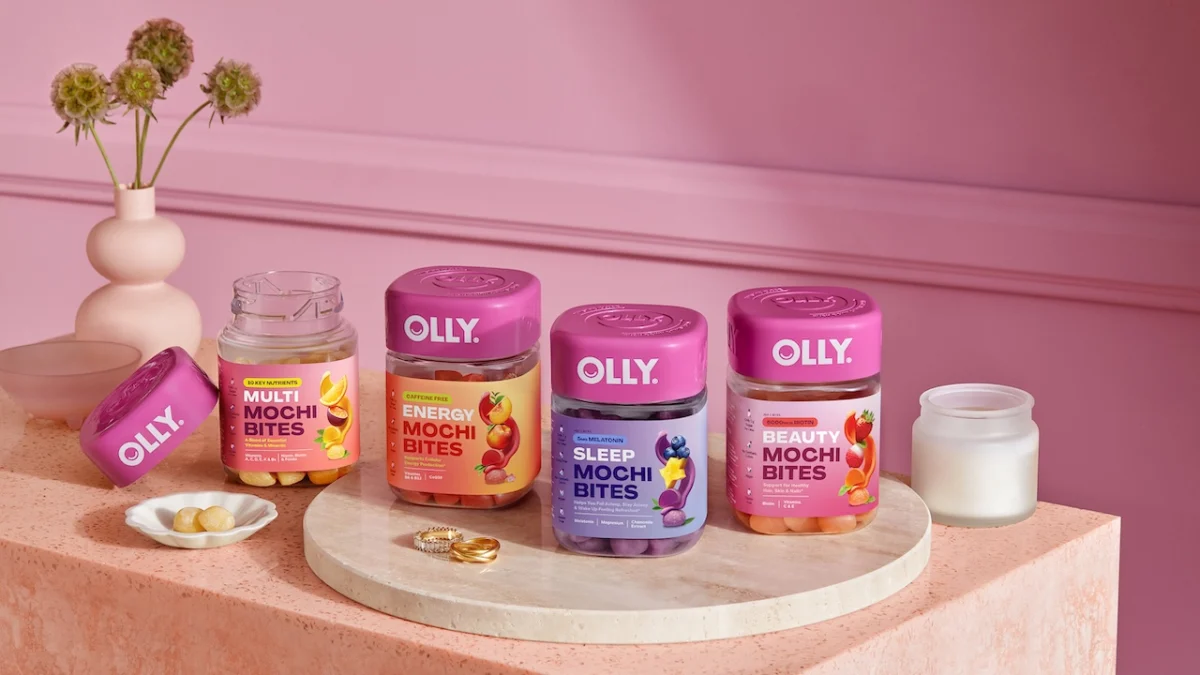
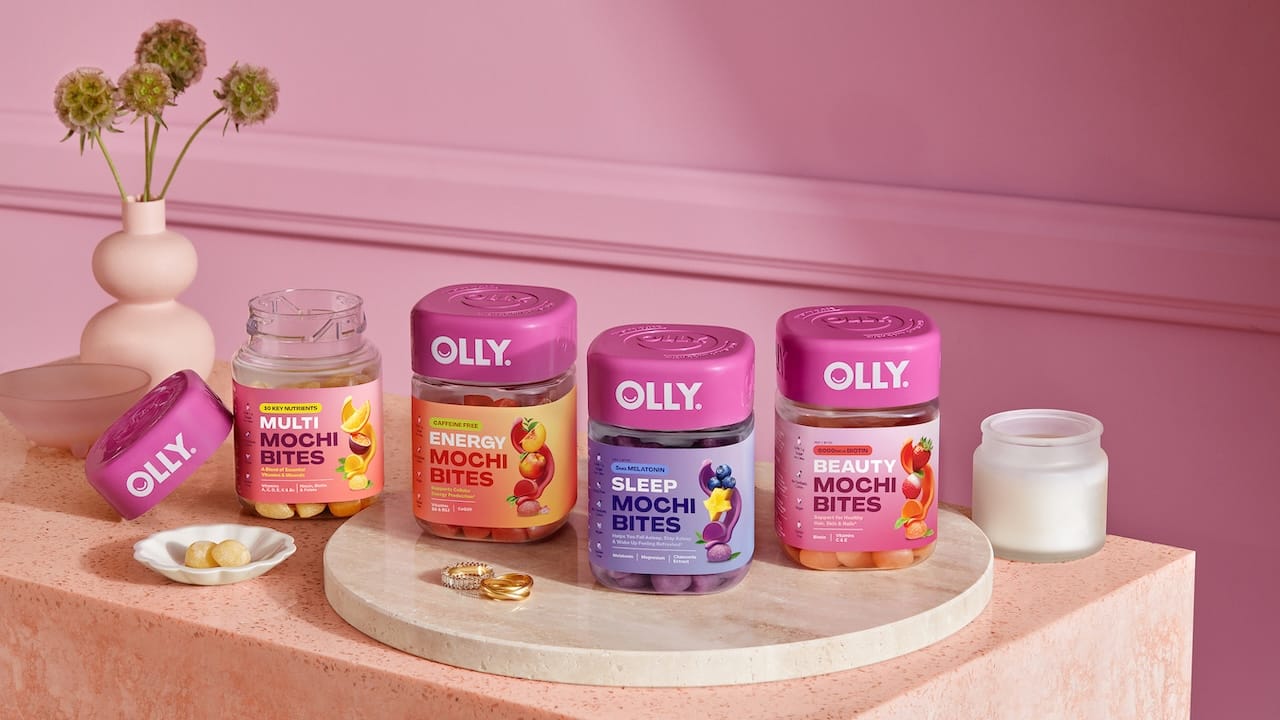
One notable example of this trend is the introduction of innovative product formats designed for enhanced convenience and palatability. For instance, OLLY, a well-known supplement brand, has launched a line of "mochi bites" available in four distinct formulas. These novel delivery systems aim to make supplementation more enjoyable and accessible, particularly for consumers who may struggle with traditional pills or capsules. The diversification of product formats, from gummies and powders to chewables and now mochi bites, signals a strategic effort by brands to cater to a broader range of consumer preferences and to integrate supplements more seamlessly into daily routines.
The development of these finished products often draws upon the latest scientific research in ingredient efficacy and formulation science. Companies are investing in:
- Targeted formulations: Creating products specifically designed for postnatal recovery, addressing concerns such as nutrient depletion, mood support, and energy levels after childbirth.
- Perimenopause solutions: Developing supplements aimed at alleviating common perimenopausal symptoms, including hot flashes, sleep disturbances, mood swings, and bone health support, often incorporating ingredients like black cohosh, soy isoflavones, and calcium.
- Weight management support: Introducing products that complement healthy lifestyle choices, potentially featuring ingredients that promote satiety, boost metabolism, or support fat metabolism, aligning with the broader discussion on GLP-1 needs.
- Digestive wellness: Expanding the range of probiotic and prebiotic products, recognizing the growing consumer awareness of the gut-brain axis and its impact on overall health, including mood and metabolism.
- Nutrient-dense formulations: Developing comprehensive multivitamin and mineral supplements that provide essential nutrients for women at different life stages, ensuring adequate intake of vitamins like D, B vitamins, and minerals such as iron and magnesium.
The success of these finished products hinges on their ability to deliver tangible benefits to consumers, backed by scientific evidence and manufactured to high-quality standards. Transparency in ingredient sourcing and rigorous quality control are becoming increasingly important as consumers become more discerning about the supplements they choose. The continuous introduction of new products signals a healthy and competitive market, driven by a commitment to meeting the evolving health and wellness needs of consumers.
Company and Organization Updates
The landscape of the dietary supplement industry is also shaped by ongoing updates from companies and organizations, reflecting strategic shifts, new initiatives, and collaborative efforts. These updates often provide insights into the industry’s trajectory and its commitment to advancing scientific understanding and product quality.
For instance, industry associations and regulatory bodies play a crucial role in setting standards, providing guidance, and fostering research. Initiatives like the publication of laboratory guides for specific ingredients, such as the one mentioned for elderberry by BAPP (Botanical Adulterants Prevention Program), are vital for ensuring the authenticity and quality of raw materials. Such resources help manufacturers and formulators to identify potential adulterants and ensure the integrity of their supply chains.
Furthermore, companies are actively engaging in partnerships and research collaborations to accelerate innovation. This can involve:
- Joint research initiatives: Collaborating with academic institutions or other research organizations to conduct clinical trials and investigate the efficacy of new ingredients or formulations.
- Supply chain partnerships: Working closely with raw material suppliers to ensure sustainable sourcing, traceability, and adherence to stringent quality standards.
- Mergers and acquisitions: Strategic consolidation within the industry can lead to the integration of expertise and resources, driving further innovation and market expansion.
- New facility expansions or upgrades: Investments in manufacturing capabilities, research and development laboratories, and quality control systems underscore a company’s commitment to growth and product excellence.
These organizational updates, from the introduction of new products to the establishment of new research protocols, collectively contribute to the dynamic evolution of the dietary supplement industry. They reflect a continuous effort to meet consumer demands, adhere to regulatory requirements, and contribute to the broader scientific understanding of health and wellness.
The editorial team at SupplySide Supplement Journal actively seeks to cover these developments, encouraging companies and organizations to share their innovations. As highlighted in the call for submissions, "Launching innovative ingredients and products? Did you just publish a new clinical trial? Getting ready to announce something big? SupplySide Supplement Journal would love to know." This open invitation underscores the journal’s role as a central platform for disseminating critical information and fostering a collaborative spirit within the nutraceutical community.
Devon Gholam, Ph.D., Editor at SupplySide Supplement Journal, brings a wealth of experience to this role. With nearly two decades in the functional food and nutraceutical industry, her background spans product development, innovation, technical sales, and technical writing. Her passion for women’s health and the profound impact of emerging areas like GLP-1 medication on the food, beverage, and supplement industries is a driving force behind her editorial focus. Gholam’s commitment to knowledge and credible science aims to foster an innovative and collaborative environment within the nutraceutical sector, ensuring that important industry news and scientific advancements are effectively communicated to a broad audience.
