


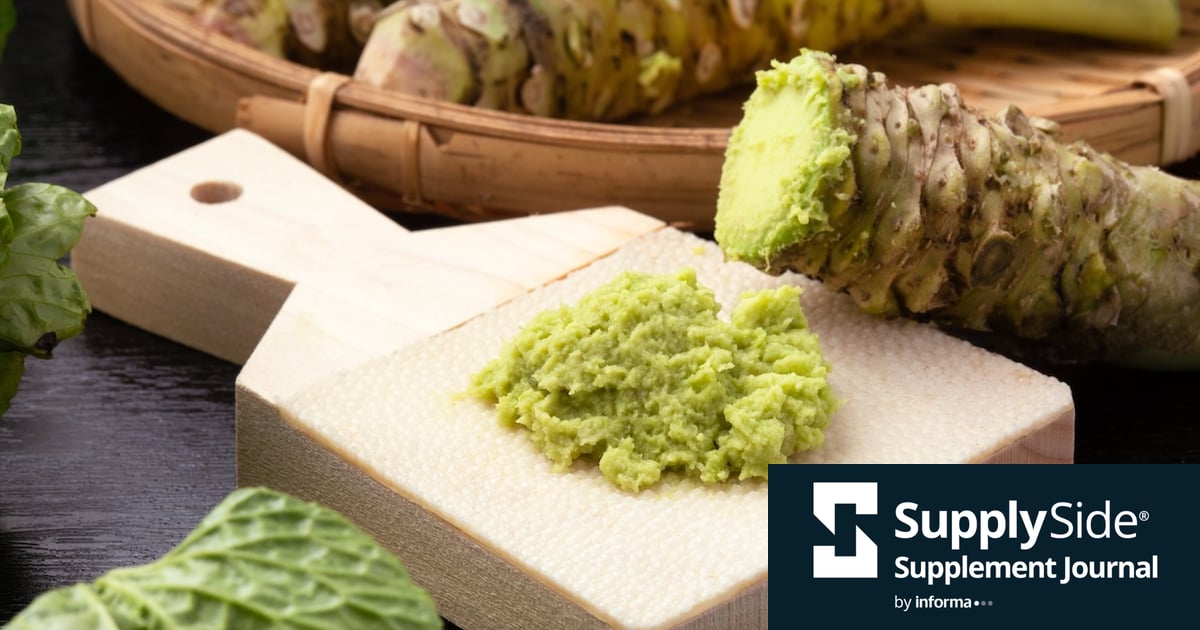
The global dietary supplement market continues its relentless expansion, driven by a growing consumer demand for natural ingredients and scientifically validated health benefits. In a significant development for the nutraceutical sector, Kinjirushi, a prominent Japanese company specializing in wasabi cultivation and processing, has officially launched its innovative hexaraphane ingredient into the United States market. This move marks a pivotal moment, bringing to the forefront the lesser-known cognitive and anti-aging potential of wasabi (Eutrema japonicum), a plant historically revered for its pungent culinary applications. The introduction of hexaraphane, a naturally occurring isothiocyanate derived from wasabi, is underpinned by recent clinical research suggesting notable improvements in cognitive functions, particularly working and episodic memory, in healthy older adults.
From Culinary Staple to Cognitive Ally: The Evolution of Wasabi Research
For centuries, wasabi has been an indispensable component of Japanese cuisine, prized for its intense flavor and antimicrobial properties. However, scientific inquiry is increasingly revealing a multifaceted profile for this potent plant. Hexaraphane, the active compound at the heart of Kinjirushi’s new offering, belongs to the glucosinolate family, which upon enzymatic hydrolysis, converts into isothiocyanates. These compounds have been the subject of extensive research, with a particular focus on their antioxidant and anti-inflammatory capabilities.
The journey from understanding wasabi’s culinary impact to recognizing its potential as a cognitive enhancer has been a gradual but scientifically robust process. Recent clinical trials have provided compelling evidence for hexaraphane’s efficacy. A significant study published in the peer-reviewed journal Nutrients in 2023 specifically investigated the effects of a wasabi-derived hexaraphane ingredient on cognitive function in older adults. The findings indicated a statistically significant improvement in working memory, the capacity to hold and manipulate information over short periods, and episodic memory, which relates to the recall of specific life events. These improvements are crucial for maintaining independence and quality of life as individuals age.
The implications of these findings are substantial. As global populations age, the demand for effective and natural strategies to support cognitive health is escalating. Conditions such as mild cognitive impairment and age-related memory decline represent a growing public health concern. The introduction of a wasabi-derived ingredient that demonstrates promise in enhancing these critical cognitive functions offers a novel and natural avenue for intervention.
Kinjirushi’s Strategic Entry into the US Market
The launch of Kinjirushi’s hexaraphane ingredient in the U.S. signifies a strategic expansion, aiming to capitalize on the robust American supplement market and the increasing consumer interest in functional foods and ingredients. Isao Okunishi, Ph.D., a fellow researcher at Kinjirushi, articulated the company’s vision: "Wasabi has a long history in Japanese food culture, but our understanding of the plant continues to evolve. Research into hexaraphane is helping us explore an entirely different side of wasabi. We want to bring greater awareness of that science to North America and encourage continued interest in the relationship between wasabi, nutrition and cognitive health."
This statement underscores a commitment to not only commercializing the ingredient but also to educating the market about its scientific underpinnings. The company’s proactive approach involves disseminating research findings and fostering a deeper understanding of how this ancient plant can contribute to modern health and wellness. The U.S. market, with its established regulatory framework for dietary supplements and a large consumer base receptive to scientific innovation, presents an ideal environment for such an introduction.
Beyond Cognition: A Broader Spectrum of Health Benefits
The scientific narrative surrounding hexaraphane extends beyond its impact on memory. Pre-clinical studies and earlier human trials have also explored its safety and efficacy in addressing other health concerns. Research has demonstrated the safety profile of hexaraphane in both rodent and human models, a critical prerequisite for any ingredient intended for human consumption. Furthermore, supplementation with hexaraphane has shown potential benefits for individuals suffering from chronic fatigue syndrome, a debilitating condition characterized by extreme tiredness. In healthy populations, preliminary findings suggest a positive association with improved fatigue levels and enhanced sleep quality.
These additional findings paint a picture of hexaraphane as a versatile bioactive compound with a potential to address multiple facets of well-being, from mental acuity to physical energy and restorative sleep. This broad spectrum of benefits could significantly broaden its appeal across various consumer demographics and health objectives.
Navigating the Regulatory Landscape and Market Integration
The successful integration of a new ingredient like hexaraphane into the U.S. market necessitates a thorough understanding of the regulatory environment and a commitment to scientific transparency. The U.S. Food and Drug Administration (FDA) regulates dietary supplements under the Dietary Supplement Health and Education Act of 1994 (DSHEA). Companies introducing new dietary ingredients must ensure they are safe and that any claims made about their products are substantiated by scientific evidence. Kinjirushi’s emphasis on publishing clinical trial results and demonstrating safety through research aligns with these regulatory expectations.
The broader supplement industry is characterized by a dynamic interplay between scientific discovery, product innovation, and consumer trends. The introduction of wasabi-derived hexaraphane arrives at a time when consumers are increasingly scrutinizing ingredient sourcing and seeking natural, plant-based solutions. The trend towards "clean label" products and a preference for ingredients with a history of traditional use, coupled with modern scientific validation, positions hexaraphane favorably.
Industry Reactions and Future Implications

While direct statements from competitors or industry analysts are not available in the provided text, the launch of such a novel ingredient is likely to generate interest and potentially spur further research and development within the cognitive health and healthy aging supplement categories. Companies specializing in brain health supplements may explore similar plant-derived compounds, while ingredient suppliers might seek to develop or source their own hexaraphane-based offerings.
The implications of this development are far-reaching:
- Diversification of Cognitive Health Market: The introduction of a unique ingredient like hexaraphane can diversify the offerings available to consumers seeking cognitive support, moving beyond established ingredients like omega-3 fatty acids or certain B vitamins.
- Exploration of Underutilized Botanicals: This launch highlights the potential for uncovering novel health benefits from underutilized or traditional botanicals, encouraging further scientific investigation into plant-based compounds.
- Growth in the Healthy Aging Segment: As populations age, the demand for products that support healthy aging will continue to rise. Ingredients like hexaraphane that target cognitive function and overall vitality are well-positioned to benefit from this demographic shift.
- Increased Consumer Awareness: The marketing and educational efforts surrounding hexaraphane could lead to greater consumer awareness of the multifaceted benefits of wasabi, potentially influencing purchasing decisions beyond its culinary use.
The Broader Context: Supplement Shorts and Industry Trends
This news about wasabi-derived hexaraphane is part of a larger landscape of innovation within the supplement industry. The "Supplement Shorts" format itself indicates a trend towards rapid dissemination of news and updates from a sector constantly evolving. Other recent developments, such as the improvement of short-chain fatty acid (SCFA) production with carob extract and the mainstreaming of creatine with new product launches from major players like Abbott, underscore the industry’s dynamism.
The mention of Abbott’s Ensure Max Protein with creatine highlights the increasing integration of scientifically backed ingredients into mainstream nutritional products. Creatine, long recognized for its benefits in muscle building and athletic performance, is now finding its way into broader protein supplements, reflecting a wider acceptance and application of such compounds. Similarly, the implicit mention of other finished product news, such as gummies containing chasteberry, red clover, and L-theanine for women’s health (Her Cycle), demonstrates the ongoing innovation in delivery formats and targeted formulations.
The interconnectedness of scientific discovery, ingredient development, and finished product innovation is a hallmark of the modern supplement industry. The successful launch of Kinjirushi’s hexaraphane ingredient is a testament to this ecosystem, showcasing how rigorous scientific research can translate into tangible health solutions for consumers. As the industry continues to mature, the focus on scientifically validated, natural ingredients with demonstrable benefits, like those offered by wasabi, is expected to remain a dominant trend. The journey of hexaraphane from a spicy condiment to a potential cognitive enhancer serves as a compelling case study in the evolving science and application of dietary supplements.
