

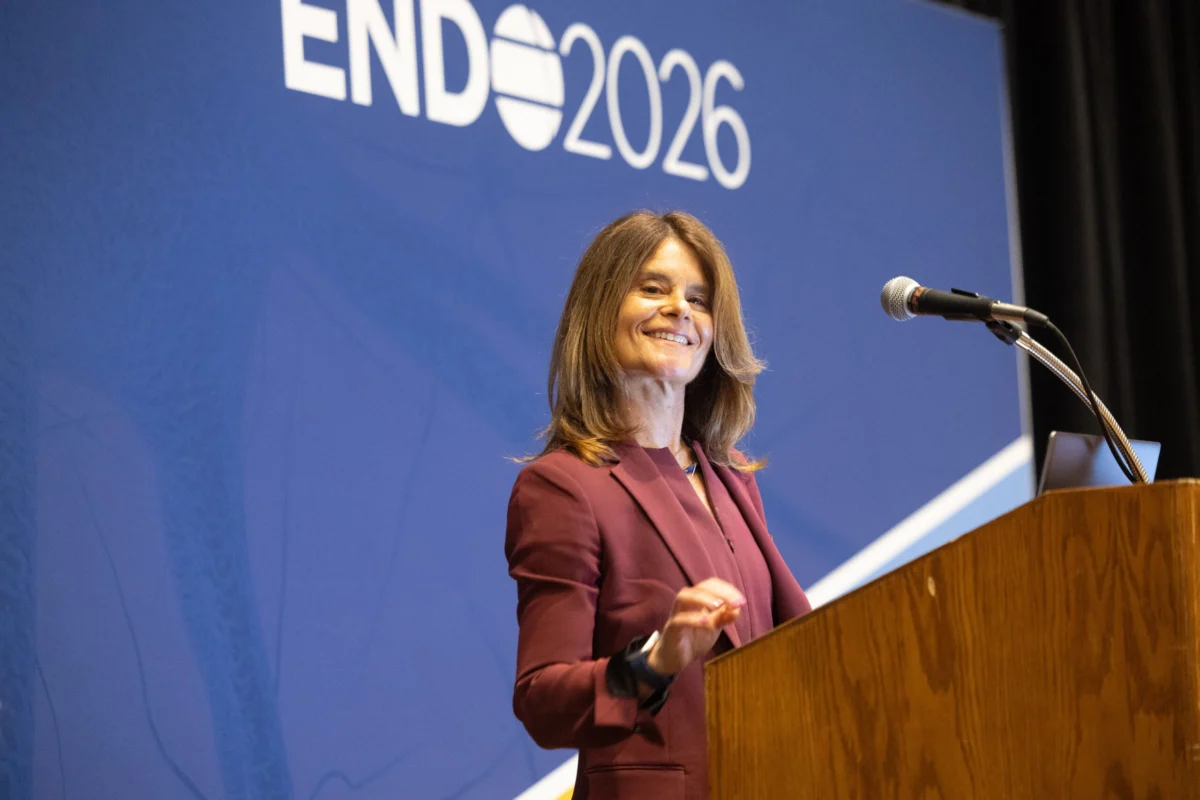
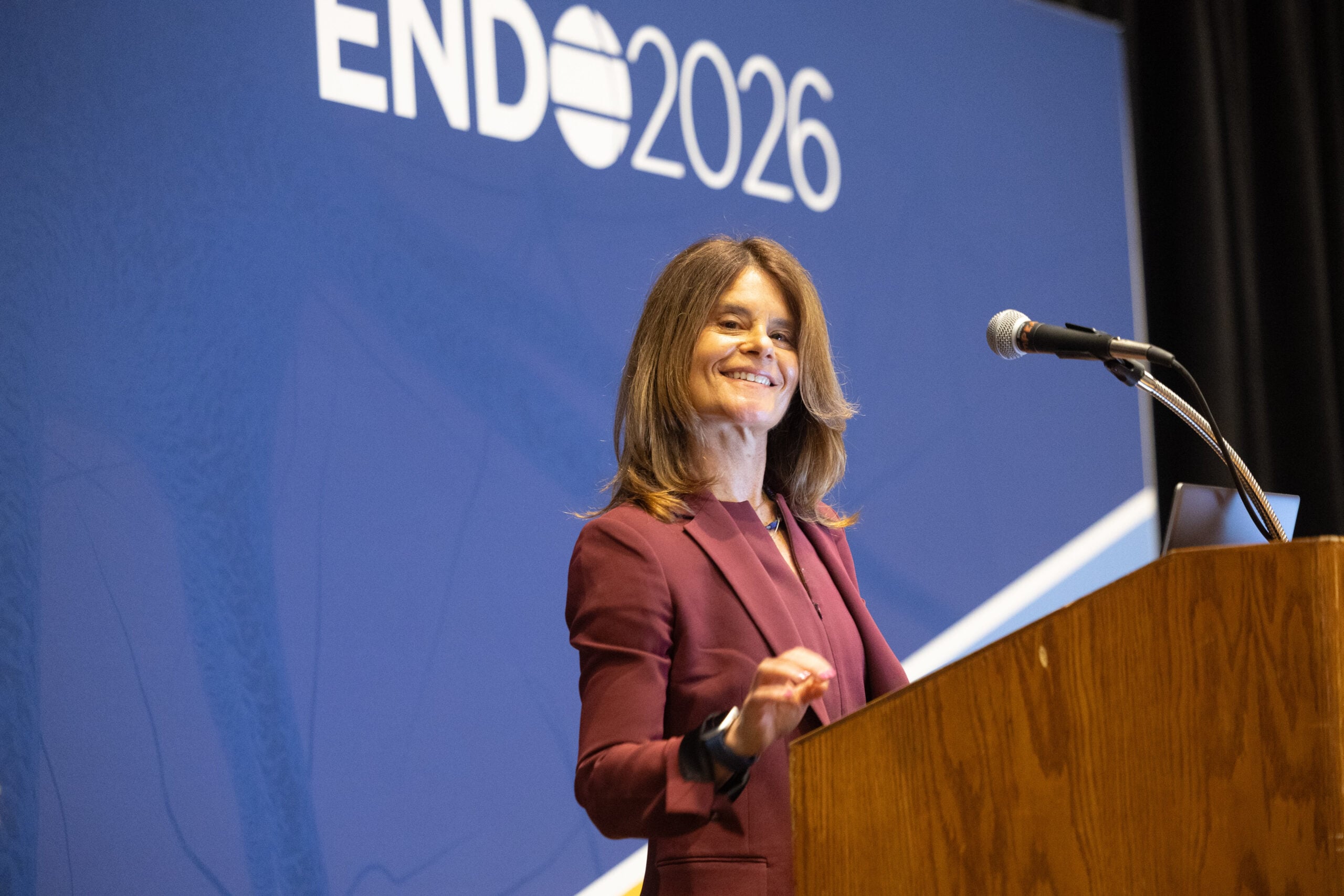
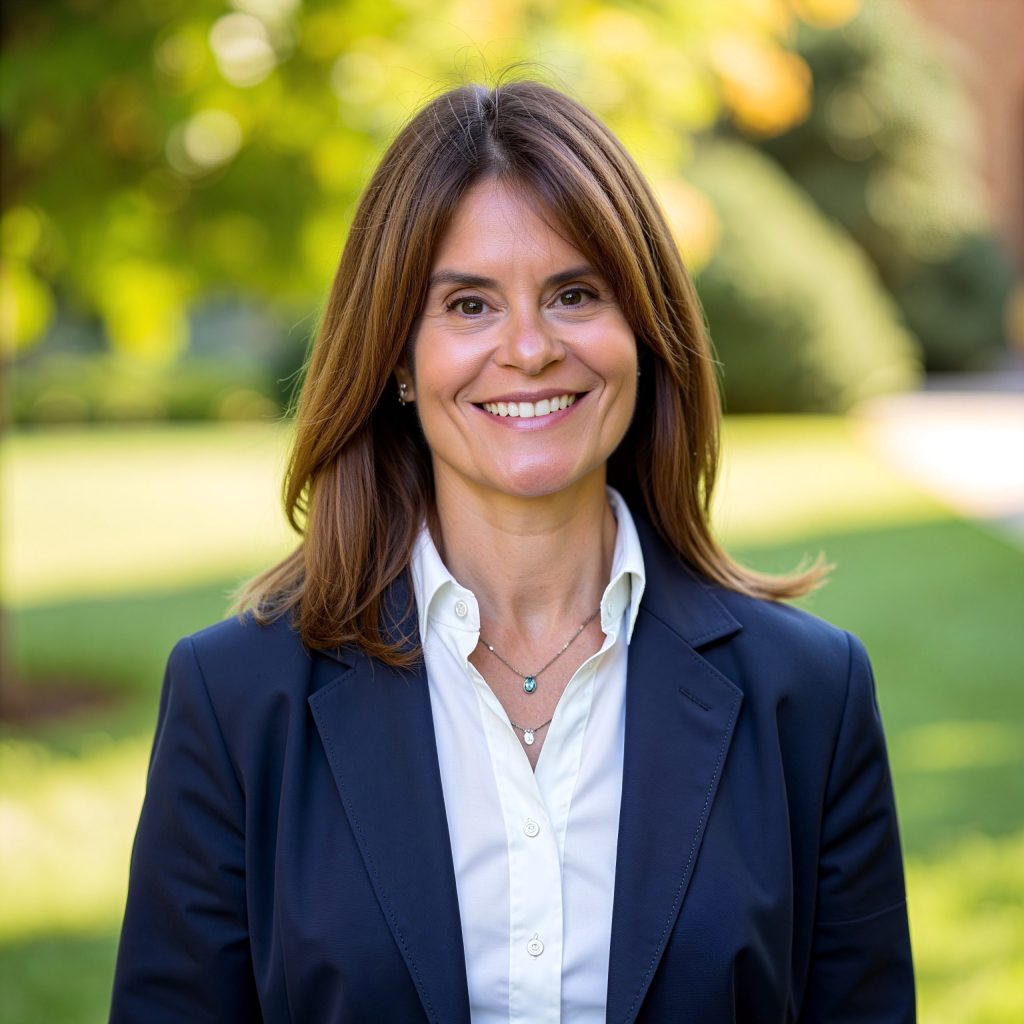
The Endocrine Society has officially named Lisa B. Nachtigall, MD, as the 2026 recipient of the Vigersky Outstanding Clinical Practitioner Award, a prestigious Laureate honor that recognizes physicians who have demonstrated exceptional commitment to patient care and the advancement of clinical endocrinology. As the Medical Director of the Mass General Brigham Pituitary Center and an Associate Professor of Medicine at Harvard Medical School, Dr. Nachtigall has spent decades specializing in the diagnosis and management of rare and complex neuroendocrine conditions. Her selection for this award highlights a career defined not only by clinical precision in treating disorders such as acromegaly and Cushing disease but also by a deep-seated commitment to patient advocacy, medical education, and the development of the next generation of specialists.
The Vigersky Award is part of the Endocrine Society’s annual Laureate Awards, which are among the highest honors in the field of hormone research and clinical practice. Established to recognize individuals who have made significant contributions to the endocrine community, the award specifically focuses on those who excel in the "trenches" of clinical medicine. Dr. Nachtigall’s recognition comes at a time when the field of endocrinology is grappling with an increasing demand for specialized care amid a shifting landscape of pharmaceutical innovation and administrative complexity.
A Career Built on Clinical Precision and Longitudinal Care
Dr. Nachtigall’s clinical focus is centered on the pituitary gland, often referred to as the "master gland" because of its role in regulating vital body functions through hormone production. Her expertise particularly shines in the management of functioning pituitary tumors, which can lead to debilitating conditions if left untreated. Acromegaly, a rare disorder caused by the overproduction of growth hormone, and Cushing disease, resulting from excess cortisol, are two areas where Dr. Nachtigall has made significant clinical impacts.
These conditions are notoriously difficult to diagnose, often requiring years of clinical observation before a definitive conclusion is reached. For Dr. Nachtigall, the diagnostic process is one of the most rewarding aspects of her work. She has noted that diagnosing a functioning pituitary tumor based on a patient’s clinical history and subsequently witnessing the dramatic improvement in their quality of life after achieving remission is a profound experience. Unlike many acute medical specialties, neuroendocrinology often requires longitudinal care. Dr. Nachtigall frequently manages patients over several decades, building relationships that transcend the traditional doctor-patient dynamic. This continuity of care allows for a deeper understanding of the patient’s journey, which she identifies as a cornerstone of her practice.
The Evolution of Endocrine Pharmacology
The 2026 Laureate recipient’s career has spanned a period of rapid technological and pharmacological advancement. In recent years, the introduction of targeted therapies has revolutionized the treatment of metabolic and pituitary disorders. Dr. Nachtigall has expressed particular excitement regarding the development of drugs that target specific G-protein coupled receptors (GPCRs).
One such advancement is the emergence of GLP-1 receptor agonists. Originally developed for type 2 diabetes, these medications have become transformative in treating obesity and metabolic dysfunction. Dr. Nachtigall notes that their potential is still being realized, with emerging research suggesting they may play a role in treating inflammatory disorders and other systemic diseases.
Within her specific area of expertise—pituitary medicine—new oral therapies are changing the standard of care. For decades, many patients with acromegaly relied on monthly injections of somatostatin analogs, which can be painful and burdensome. The introduction of paltusotine, a new oral therapy that targets the somatostatin receptor type 2 (SST2), represents a significant shift toward patient-centric care. By providing an oral alternative that maintains efficacy in suppressing growth hormone levels, clinicians can improve patient adherence and quality of life. Similarly, setmelanotide has emerged as a critical tool for hypothalamic obesity (HO), a condition that occurs when damage to the hypothalamus (often from a tumor or surgery) disrupts the body’s hunger signaling. Setmelanotide targets the melanocortin-4 receptor (MC4R) to bypass these damaged pathways, offering hope for a patient population that previously had few effective options.
Addressing the Administrative Burden in Specialty Medicine
Despite the clinical optimism surrounding new therapies, Dr. Nachtigall remains vocal about the systemic challenges facing practitioners today. A primary "thorn" in the side of modern specialty practice is the issue of prior authorization and the rising cost of medications. While the science of endocrinology is advancing at a record pace, the administrative infrastructure often lags behind, creating barriers to patient access.
Securing approval for high-cost, specialized drugs is a time-consuming process that requires extensive documentation and negotiation with insurance providers. Dr. Nachtigall emphasizes that this burden falls on both the physician and the patient, potentially delaying life-altering treatments. At the Mass General Brigham Pituitary Center, she has implemented a model that includes a dedicated full-time staff member solely focused on handling prior authorizations. This structural solution highlights the reality of modern healthcare: clinical excellence now requires administrative support to ensure that medical breakthroughs actually reach the bedside.
Chronology of Service and the Endocrine Society
Dr. Nachtigall’s relationship with the Endocrine Society serves as a roadmap for her professional development. Her involvement began in 1996 when, as a fellow, she delivered an oral presentation at the society’s international meeting in San Francisco. This early exposure to the rigor of scientific discourse set the stage for 30 years of continuous engagement with the organization.
Throughout her career, she has served on numerous committees and task forces, contributing to the development of clinical guidelines and educational initiatives. She views the Endocrine Society not just as a professional association, but as a "hub of professional opportunities" that provides a platform for collaboration outside the confines of one’s home institution. This global network has allowed her to connect with investigators and educators worldwide, fostering a multidisciplinary approach that she brings back to her practice in Boston.
Cultivating the Pipeline: The Visiting Scholars Program
Perhaps one of Dr. Nachtigall’s most lasting legacies will be her work in addressing the "workforce pipeline" in endocrinology. Data from the American Board of Internal Medicine and other medical organizations have consistently shown a looming shortage of endocrinologists in the United States, particularly as the prevalence of diabetes and metabolic disorders continues to rise.
To combat this, Dr. Nachtigall co-founded and currently directs three distinct visiting programs at Mass General Brigham:
- The International Program: This initiative attracts students and professors from around the world to learn pituitary-specific clinical skills, facilitating a cross-cultural exchange of medical knowledge.
- The Harvard Advanced Clinical Clerkship: A specialized program for Harvard medical students focusing on neuroendocrinology.
- The Visiting Scholars Program: This program is uniquely designed to reach students early in their educational journey—from the second year of college through medical school. By targeting students from diverse backgrounds before they have even chosen a specialty, Dr. Nachtigall provides a "window" into the daily reality of endocrine practice.
The success of these programs is measured by the number of students who pivot toward endocrinology after witnessing the long-term relationships and the "bedside-to-bench" research model of the pituitary center. Dr. Nachtigall recounts the story of a student who initially intended to enter emergency medicine but changed course after seeing the value of knowing patients over many years. This emphasis on early exposure is critical for the long-term health of the specialty.
Broader Impact and Future Implications
The recognition of Dr. Nachtigall with the 2026 Vigersky Award is a testament to the importance of the clinical practitioner in an era often dominated by research metrics. Her career demonstrates that clinical excellence is a multifaceted endeavor, requiring diagnostic acumen, a willingness to navigate administrative hurdles, and a commitment to mentorship.
As the medical community looks toward 2026, Dr. Nachtigall’s work serves as a reminder of the human element in medicine. Her patients’ use of her advice as a "mantra" underscores the psychological and emotional weight that endocrine disorders carry. Because hormones affect everything from mood to metabolism, the endocrinologist’s role is uniquely holistic.
The implications of her work extend to how medical centers might structure themselves in the future. The multidisciplinary model of the Mass General Brigham Pituitary Center, which integrates specialized nursing, administrative support for drug access, and a robust educational pipeline, provides a blueprint for managing rare diseases in a complex healthcare environment. By honoring Dr. Nachtigall, the Endocrine Society reaffirms its commitment to clinical practitioners who successfully bridge the gap between innovative science and compassionate, long-term patient care.
