


In the evolving landscape of sports nutrition and clinical dietetics, protein has emerged as the primary macronutrient for those seeking to optimize body composition and metabolic health. While traditionally the domain of competitive athletes and bodybuilders, high-protein, low-carbohydrate dietary patterns are increasingly adopted by the general public to manage weight, improve insulin sensitivity, and preserve lean muscle mass during aging. Registered dietitians emphasize that while the "chicken and broccoli" stereotype of fitness dieting persists, the modern nutritional approach prioritizes variety to ensure micronutrient density and long-term adherence.
The Biological Imperative: Why Protein and Low-Carb Strategies Prevail
The prioritization of protein is supported by several physiological mechanisms. Beyond its role in the repair and synthesis of muscle tissue, protein is essential for the production of hormones and enzymes that regulate nearly every system in the body. From a metabolic standpoint, protein offers a significant advantage through the Thermic Effect of Food (TEF). Research indicates that the energy expenditure required to process protein is significantly higher than that for fats or carbohydrates. Approximately 20% to 30% of the calories consumed from protein are burned during digestion, compared to 5% to 10% for carbohydrates and 0% to 3% for fats.
Furthermore, protein is the most satiating macronutrient. Clinical studies have consistently demonstrated that high-protein meals suppress ghrelin—the hunger hormone—while stimulating the production of peptide YY, which promotes feelings of fullness. By pairing high protein intake with low carbohydrate consumption, individuals can stabilize blood glucose levels, reducing the insulin spikes that often lead to fat storage and subsequent energy crashes.
A Chronology of High-Protein Dietary Trends
The shift toward high-protein, low-carb living is not a modern fad but the result of over a century of nutritional evolution:
- The 1860s: William Banting published "Letter on Corpulence," one of the first documented low-carb, high-protein diets, which focused on lean meats and the avoidance of starches and sugars.
- The 1970s: Dr. Robert Atkins popularized the ketogenic approach, emphasizing high fat and protein with nearly zero carbohydrates to induce ketosis.
- The 1990s-2000s: The Zone and South Beach diets refined these concepts, focusing on "lean" proteins and the glycemic index of carbohydrates.
- The 2010s to Present: The "Paleo" and "Carnivore" movements, alongside evidence-based sports nutrition, have brought a renewed focus on whole-food protein sources. Registered dietitians now advocate for a "protein-first" approach that allows for flexible carbohydrate intake based on activity levels.
Comprehensive Nutritional Profiles: The Top 20 Foods
To maintain a successful high-protein, low-carb lifestyle, variety is essential. The following 20 foods have been identified by nutritional experts as the gold standard for quality, bioavailability, and nutrient density.
The Poultry and Pork Category
1. Chicken Breast
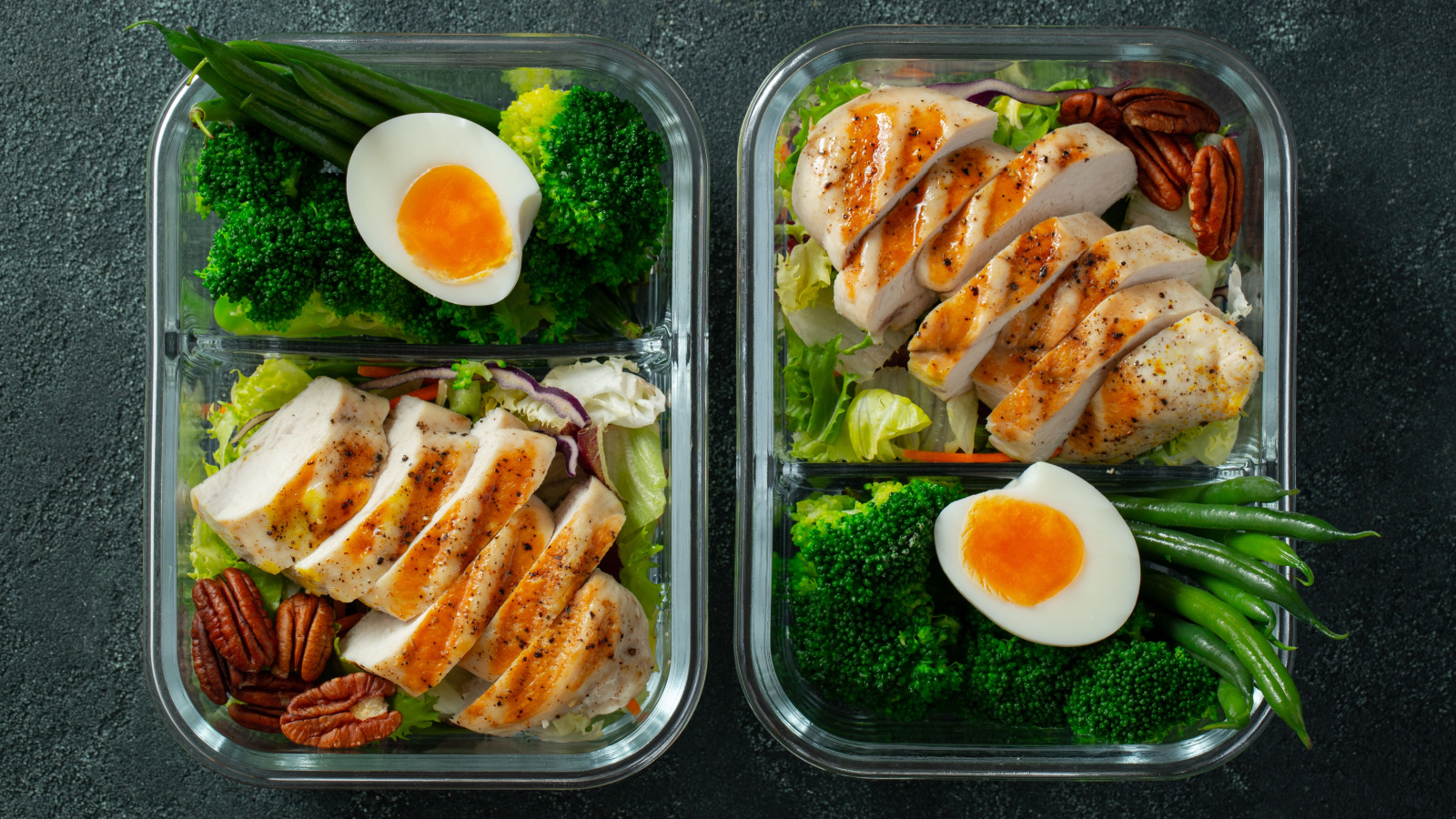
The quintessential lean protein, chicken breast contains approximately 31 grams of protein per 100 grams with minimal fat. Its neutral flavor profile makes it a versatile staple for various cuisines, serving as an effective vehicle for diverse spice profiles.
2. Chicken Thighs
Offering a slightly higher fat content than breasts, thighs provide a more succulent texture and higher concentrations of iron and zinc. They are an excellent choice for slow-cooking and roasting, providing 26 grams of protein per 100 grams.
3. Pork Chops
Often referred to as "the other white meat," lean pork chops are comparable to chicken breast in calorie and protein content. They are rich in thiamine (Vitamin B1), which is crucial for energy metabolism.
4. Pork Shoulder
A moderate-fat option, pork shoulder is ideal for braising or smoking. While higher in calories, it provides a significant satiety factor and is a rich source of selenium.
5. Ham
Cured and often smoked, ham is a lean, convenient protein source. Consumers should look for low-sodium, nitrate-free varieties to align with heart-health recommendations.
The Seafood Selection
6. Salmon
Salmon is a nutritional powerhouse, providing high-quality protein alongside Omega-3 fatty acids (EPA and DHA). These fats are essential for cardiovascular health and reducing systemic inflammation.
7. Sardines
Small but nutrient-dense, sardines are one of the few food sources of Vitamin D and calcium (when eaten with bones). Their low position on the food chain also means they have lower mercury levels compared to larger fish.
8. Tuna
Whether fresh or canned in water, tuna is almost pure protein. It is a favorite for weight loss due to its extremely low calorie-to-protein ratio.

9. Shrimp
Shrimp is exceptionally low in calories and fat while providing nearly 24 grams of protein per 100-gram serving. It also contains astaxanthin, an antioxidant that supports skin and heart health.
The Bovine and Organ Meat Category
10. Sirloin Steak
A leaner cut of beef, sirloin provides a robust amino acid profile along with significant amounts of Vitamin B12 and heme iron, which is more easily absorbed by the body than plant-based iron.
11. Strip Steak
Also known as the New York Strip, this cut offers a balance of marbling and lean meat, making it a favorite for grilling without excessive caloric load.
12. Ribeye Steak
High in fat and flavor, the ribeye is best suited for those on ketogenic protocols or those with higher caloric requirements. Its high fat content aids in the absorption of fat-soluble vitamins.
13. Lean Ground Beef (95/5)
Ground beef is a versatile ingredient for meal prepping. Choosing a 95% lean variety ensures a high protein-to-fat ratio, suitable for burgers, bowls, and sauces.
14. Beef Liver
Often called "nature’s multivitamin," beef liver is dense with Vitamin A, copper, and B vitamins. While its flavor is polarizing, its nutritional density is unrivaled among muscle meats.
Dairy and Egg Sources
15. Whole Eggs
The "gold standard" for protein quality, eggs contain all nine essential amino acids. The yolk contains choline, a nutrient vital for brain health and lipid metabolism.

16. Egg Whites
For those looking to increase protein volume without adding fat, liquid egg whites are a convenient addition to shakes or scrambles.
17. Greek Yogurt
By straining out the liquid whey, Greek yogurt achieves a thick consistency and double the protein of regular yogurt. It also provides probiotics for gut health.
18. Cottage Cheese
High in casein protein, cottage cheese is a slow-digesting dairy product that provides a steady release of amino acids, making it an ideal pre-sleep snack for muscle recovery.
Supplemental Proteins
19. Whey Protein Powder
A byproduct of cheesemaking, whey is rapidly absorbed, making it the preferred choice for post-workout recovery. It is highly effective at stimulating muscle protein synthesis.
20. Casein Protein Powder
Unlike whey, casein forms a gel in the stomach, leading to a slow, sustained release of protein over several hours. It is frequently used to prevent muscle breakdown during long periods without food.
Expert Perspectives and Clinical Recommendations
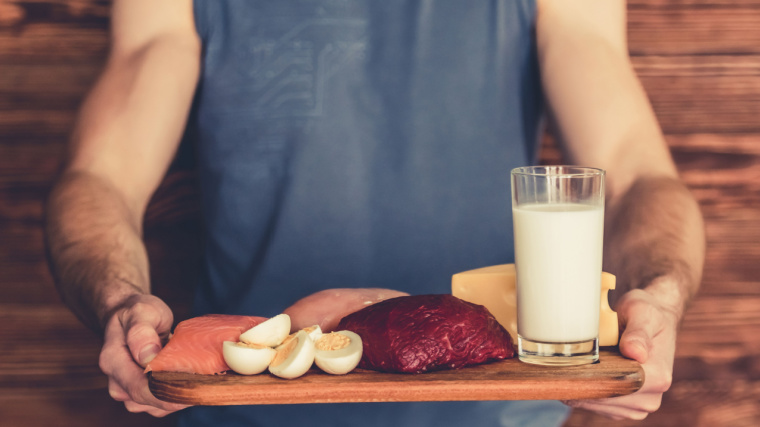
Registered dietitians suggest that protein requirements are not "one size fits all." Current clinical guidelines recommend a range of 0.8 to 1.25 grams of protein per pound of body weight for active individuals. For a 200-pound athlete, this equates to 160 to 250 grams of protein daily.
"The key to a successful high-protein diet is not just the quantity, but the distribution," states the clinical consensus. Consuming protein in 30-to-50-gram increments throughout the day is more effective for muscle maintenance than consuming the entire daily requirement in a single sitting. Furthermore, experts warn that "low-carb" should not mean "no-fiber." Incorporating non-starchy vegetables like spinach, kale, and broccoli alongside these protein sources is vital for digestive health and micronutrient balance.
Case Study: A 3,500-Calorie High-Protein Day
To illustrate the practical application of these foods, consider a sample menu for a 200-pound athlete aiming for muscle gain while maintaining a low-carb profile:
- Meal 1: A four-egg omelet with spinach and 1.5 cups of oatmeal (for complex carbs).
- Total: 50g Protein, 684 Calories.
- Snack 1: A protein shake consisting of two scoops of whey and a serving of almonds.
- Total: 45g Protein, 505 Calories.
- Meal 2: 8 oz of grilled chicken breast with a large sweet potato and mixed greens.
- Total: 65g Protein, 949 Calories.
- Snack 2: 1 cup of Greek yogurt topped with pumpkin seeds.
- Total: 34g Protein, 390 Calories.
- Meal 3: 8 oz of sirloin steak with 1.5 cups of cooked white rice and grilled asparagus.
- Total: 67g Protein, 905 Calories.
Daily Total: 261g Protein, 3,433 Calories.
Broader Impact and Market Implications
The rising demand for high-protein, low-carb foods has fundamentally shifted the global food industry. The "High Protein" label has become a powerful marketing tool, leading to the development of protein-fortified pastas, breads, and snacks. However, dietitians caution consumers to prioritize whole food sources—such as those on the top 20 list—over highly processed "protein-enriched" alternatives, which often contain artificial sweeteners and fillers.
As public health initiatives continue to combat the global obesity epidemic, the role of protein-centric nutrition is expected to expand. By focusing on high-quality animal and dairy proteins while managing carbohydrate intake, individuals can leverage the thermic effect of food and the satiety of protein to achieve sustainable health outcomes. The transition from a restrictive "diet" mindset to a "nutrient-dense" lifestyle remains the most effective strategy for long-term physiological success.
