

A pivotal new study published in the Journal of the International Society of Sports Nutrition suggests that creatine supplementation, even in the absence of a dedicated exercise regimen, can play a significant role in maintaining muscle mass among older adults. This research, led by renowned creatine expert Dr. Richard B. Kreider of Texas A&M University, significantly expands the understanding of creatine’s benefits, positioning it as a potent lifestyle intervention for healthy aging, extending beyond its well-established applications in sports nutrition for strength enhancement.
The Science Behind the Findings
The research aimed to directly compare the effects of creatine supplementation alone versus creatine combined with an exercise program on body composition. This investigation was crucial for understanding whether the benefits observed in previous studies, which typically involved active individuals, could be replicated in a less active population. The study’s design meticulously accounted for various factors, including diet and age-related physiological changes, to isolate the specific impact of creatine.
Study Design and Methodology
The 12-week study enrolled 64 healthy adults, aged between 45 and 65, who were living independently. Participants were strategically divided into four distinct groups:
- Creatine Only: Received creatine supplementation twice daily without any exercise.
- Placebo Only: Received a placebo supplement twice daily without any exercise.
- Creatine + Exercise: Received creatine supplementation twice daily and followed a structured exercise routine.
- Placebo + Exercise: Received a placebo supplement twice daily and followed the same structured exercise routine.
This controlled approach allowed researchers to differentiate the effects of creatine, exercise, and their synergistic combination.
Dietary Considerations
A key aspect of the study’s design involved a modest daily caloric restriction of 300 to 500 calories. Beyond this restriction, participants were not subjected to highly specialized diets. Their general dietary intake was designed to align with the American Heart Association’s recommendations for macronutrient balance, which is approximately 55% carbohydrates, 15% protein, and 30% fat. This ensured that dietary influences were minimized, allowing the effects of creatine and exercise to be more clearly observed.
Supplementation Protocol
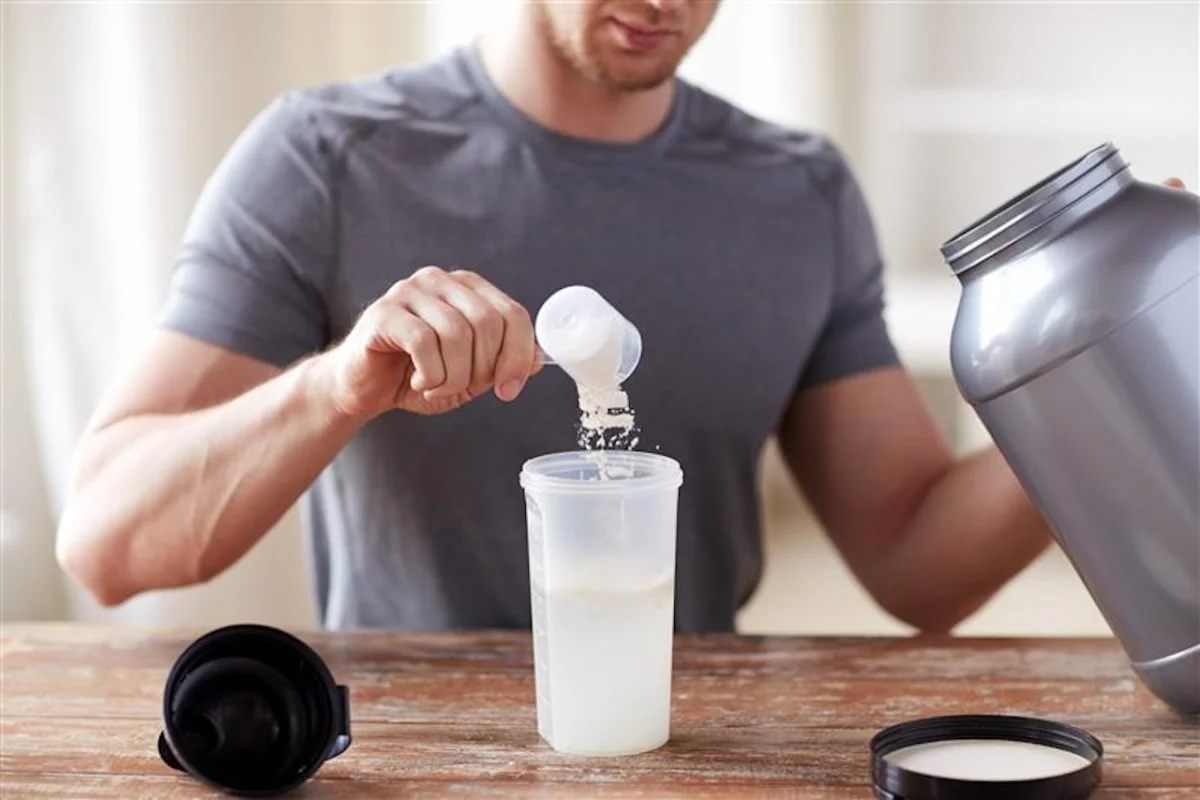
The creatine intervention involved participants consuming 5 grams of creatine monohydrate powder twice daily, dissolved in water or another beverage. This dosage, totaling 10 grams per day, was chosen to potentially enhance creatine’s uptake into the brain, as only about 20% of ingested creatine crosses the blood-brain barrier. The placebo group received an identical-looking maltodextrin powder in identical sachets to maintain blinding and prevent bias.
Exercise Regimen
The exercise routine for the designated groups was comprehensive, incorporating both strength training and aerobic exercise. Strength training involved the use of weight machines and bodyweight exercises, targeting various muscle groups. Aerobic conditioning was performed on cycling ergometers, contributing to cardiovascular health and overall physical fitness.
Beyond Muscle: Cognitive and Mood Assessments
Recognizing creatine’s emerging role in neurological health, the researchers also investigated its potential effects on cognition and mood. Given the higher daily dosage of 10 grams, the study aimed to assess whether this level of supplementation could positively influence cognitive functions and emotional well-being in middle-aged and older adults.
The cognitive assessments included a battery of standardized tests designed to measure:
- Word Recall: The ability to remember words from a previously presented list.
- Word Recognition: The ability to identify words that were previously encountered.
- Choice Reaction Time: The speed at which participants could respond to a specific stimulus among several options.
In addition to cognitive performance, secondary outcomes meticulously tracked included:
- Mood States: Assessed through validated questionnaires measuring various emotional dimensions.
- Perception of Memory: Participants’ subjective evaluation of their memory capabilities.
- Quality of Life: A broad assessment of overall well-being and life satisfaction.
These secondary measures provided a holistic view of how creatine supplementation might impact an individual’s daily functioning and perception of their health.
Key Findings and Implications
The results of the 12-week study yielded significant insights. While the group that combined creatine supplementation with exercise demonstrated the most substantial benefits across all measured parameters, the group that received creatine supplementation without exercise also exhibited statistically significant improvements.

The researchers concluded: "Creatine supplementation (10 g/d) without exercise training and diet intervention increased lean tissue mass, strength and muscular endurance, promoted favorable changes in selected blood-lipid measures, reduced HbA1c (hemoglobin A1c) levels, and improved selected markers of cognitive function and memory in middle-aged and older adults. Creatine supplementation during an exercise and weight-loss diet intervention in middle-aged and older adults promoted a greater reduction in body fat percentage, gains in muscular strength and endurance, and improved selected markers of cognitive function and memory. These findings may have important implications for middle-aged and older individuals seeking to reduce body fat while maintaining muscle mass and cognitive function."
Supporting Data and Previous Research
This study builds upon a growing body of evidence supporting creatine’s multifaceted benefits. For decades, creatine monohydrate has been a cornerstone of sports nutrition, primarily for its role in enhancing ATP (adenosine triphosphate) regeneration, which is crucial for high-intensity activities and muscle power output. Numerous meta-analyses have confirmed its efficacy in increasing muscle mass, strength, and performance in athletes and active individuals.
However, recent research has begun to explore its potential beyond athletic performance. Studies have indicated that creatine plays a vital role in cellular energy production not only in muscles but also in the brain. This neurological role is attributed to its ability to facilitate energy transfer within brain cells, potentially improving cognitive functions such as working memory, reasoning, and processing speed.
The present study’s finding that creatine alone can positively impact lean tissue mass is particularly noteworthy. Muscle mass naturally declines with age, a process known as sarcopenia, which is associated with reduced physical function, increased risk of falls, and metabolic disturbances. The ability of creatine to mitigate this decline, even without exercise, suggests a direct cellular mechanism that supports muscle protein synthesis or reduces muscle protein breakdown in older adults.
Furthermore, the observed improvements in blood lipid profiles and HbA1c levels are significant. Lowering HbA1c, a marker for long-term blood sugar control, is crucial for preventing or managing type 2 diabetes, a prevalent condition in older populations. Favorable changes in blood lipids, such as reductions in LDL ("bad") cholesterol, contribute to cardiovascular health, a primary concern for aging individuals.
Expert Reactions and Broader Impact
The implications of this research are far-reaching. Dr. Kreider’s extensive work in the field has consistently pushed the boundaries of our understanding of creatine. His team’s latest findings are likely to be met with considerable interest from the scientific community, healthcare professionals, and the public.
"This study is a game-changer for how we view creatine’s role in health and aging," commented a hypothetical expert in gerontology, Dr. Eleanor Vance, who was not involved in the study. "For too long, creatine has been relegated to the sports nutrition aisle. This research convincingly demonstrates its potential as a vital component of a healthy aging strategy, offering tangible benefits for muscle maintenance, metabolic health, and cognitive function, even for those who may struggle with consistent exercise."
The findings could encourage a broader adoption of creatine supplementation among older adults, potentially leading to improved quality of life, greater independence, and reduced healthcare burdens associated with age-related muscle loss and associated comorbidities. The study’s methodology, particularly the inclusion of cognitive and mood assessments, opens new avenues for research into creatine’s neuroprotective effects.
Future Directions and Considerations
While these results are promising, it is important to acknowledge that this is one study. Further research with larger, more diverse populations and longer follow-up periods will be essential to solidify these findings and explore optimal dosing strategies for different age groups and health conditions.
The study’s dietary intervention, while modest, highlights the interplay between nutrition, supplementation, and exercise. Future research could delve deeper into how creatine interacts with various dietary patterns and exercise intensities in older adults. Additionally, exploring the specific molecular mechanisms by which creatine exerts its non-exercise-related benefits on muscle and brain tissue will be crucial for a comprehensive understanding.
The positive impact on HbA1c levels also warrants further investigation into creatine’s potential role in glycemic control and diabetes management, particularly in conjunction with lifestyle interventions.
Conclusion
In summary, the research from Texas A&M University provides compelling evidence that creatine supplementation, independent of exercise, can yield significant health benefits for middle-aged and older adults. By enhancing lean tissue mass, strength, muscular endurance, and even cognitive function, creatine emerges as a powerful tool for promoting healthy aging. This study not only reinforces creatine’s established role in sports nutrition but also firmly establishes its potential as a vital dietary supplement for supporting overall well-being and mitigating the adverse effects of aging. The implications for public health and personalized health strategies are substantial, potentially reshaping how we approach the challenges of maintaining vitality and cognitive acuity as we age.
