








The increasing prevalence of ketogenic diets has spurred a significant transformation in culinary practices, particularly within social dining settings like traditional cookouts. As millions worldwide embrace low-carbohydrate, high-fat eating plans for various health and wellness objectives, the demand for delicious yet compliant meal options during communal gatherings has soared. This shift has led to an innovative wave of recipes and products designed to ensure that adhering to a keto lifestyle does not equate to sacrificing flavor, enjoyment, or social participation. Resources like Perfect Keto are at the forefront of this movement, providing accessible and appetizing solutions that integrate seamlessly into the quintessential backyard barbecue.
The Rise of the Ketogenic Diet and its Societal Impact
The ketogenic diet, commonly known as keto, is a dietary regimen characterized by a drastic reduction in carbohydrate intake, a moderate protein consumption, and a significant increase in fat consumption. This metabolic shift aims to induce a state of ketosis, where the body primarily burns fat for fuel instead of carbohydrates. While originally developed in the 1920s as a therapeutic diet for epilepsy, its modern resurgence is largely attributed to its perceived benefits for weight management, improved energy levels, blood sugar regulation, and enhanced cognitive function.

Over the past decade, the keto diet has moved from a niche health trend to a mainstream dietary choice. Market research indicates a substantial growth in the global ketogenic diet market, with projections estimating billions in revenue from keto-specific foods, supplements, and educational resources. For instance, reports from Grand View Research suggested the global ketogenic diet food market size was valued at over $10 billion in 2020 and is expected to expand at a compound annual growth rate (CAGR) of over 5% from 2021 to 2028. This widespread adoption reflects a broader consumer trend towards personalized nutrition and a heightened awareness of the impact of dietary choices on overall well-being. However, maintaining such a restrictive diet often presents challenges, particularly in social environments where food is a central component of interaction and celebration.
The Cookout Conundrum: Traditional BBQ vs. Keto Principles
Traditional American cookouts and barbecues are deeply ingrained cultural rituals, synonymous with summer, family, and indulgence. They typically feature an array of high-carbohydrate staples: sugary barbecue sauces, hamburger buns, hot dog rolls, potato salads, corn on the cob, sweet baked beans, and desserts loaded with sugar. For individuals committed to a ketogenic lifestyle, these gatherings often present a dilemma: either compromise dietary goals or feel excluded from the communal dining experience.
The conflict arises from the fundamental incompatibility of these traditional foods with keto principles. A single standard hamburger bun can contain upwards of 25-30 grams of carbohydrates, often exceeding a keto dieter’s entire daily carb allowance, which typically ranges from 20-50 grams. Store-bought BBQ sauces are notorious for their high sugar content, with some brands packing more than 10 grams of sugar per serving, while many popular side dishes are starch-heavy. This landscape historically left keto adherents with limited options, often resorting to plain grilled meats or bringing their own, sometimes awkward, separate meals. The social implications of such dietary restrictions can be significant, potentially leading to feelings of isolation or the burden of explaining one’s choices repeatedly to well-meaning but uninformed hosts. Nutritionists and dietitians frequently advise clients on strategies for navigating social eating, emphasizing preparation and communication to minimize dietary stress.
Innovating the Keto Cookout: A Culinary Revolution
Recognizing this gap, culinary innovators and health-focused brands have stepped up to bridge the divide, offering creative and flavorful keto-friendly alternatives that replicate the joy and satisfaction of traditional cookout fare without the carb load. This movement isn’t just about substitution; it’s about crafting dishes that stand on their own merits, delivering robust flavors and satisfying textures. The focus is on leveraging naturally low-carb ingredients and ingenious preparation methods to transform classic recipes, ensuring that dietary adherence doesn’t mean culinary deprivation. This approach aligns with the broader food industry trend of "better-for-you" alternatives that do not compromise on taste.
Main Courses: Reinventing the Grill
At the heart of any cookout are the grilled proteins. While plain grilled meats are inherently keto-friendly, the challenge lies in enhancing their flavor profile without resorting to sugary marinades or carb-heavy toppings. The current trend emphasizes bold spice rubs, fresh herbs, and zesty citrus to create vibrant main dishes that are both delicious and compliant.
-
Zesty Chipotle Lime Turkey Burgers: A prime example of this innovation, these burgers elevate the humble turkey patty with fresh cilantro, vibrant lime, and smoky chipotle. Traditional beef burgers are often served on high-carb buns and slathered with sugary condiments. By opting for turkey, a leaner protein, and infusing it with such dynamic flavors, the need for carb-heavy accompaniments diminishes. Toppings like creamy chipotle mayo (often made with avocado oil for healthy fats), sliced avocado, and fresh lettuce wraps transform this into a decadent yet compliant meal. This approach ensures that the main event remains a star while adhering strictly to low-carb parameters. The use of natural fats from avocado and healthy oils further supports the ketogenic macronutrient profile, offering satiety and sustained energy crucial for a balanced diet.
-
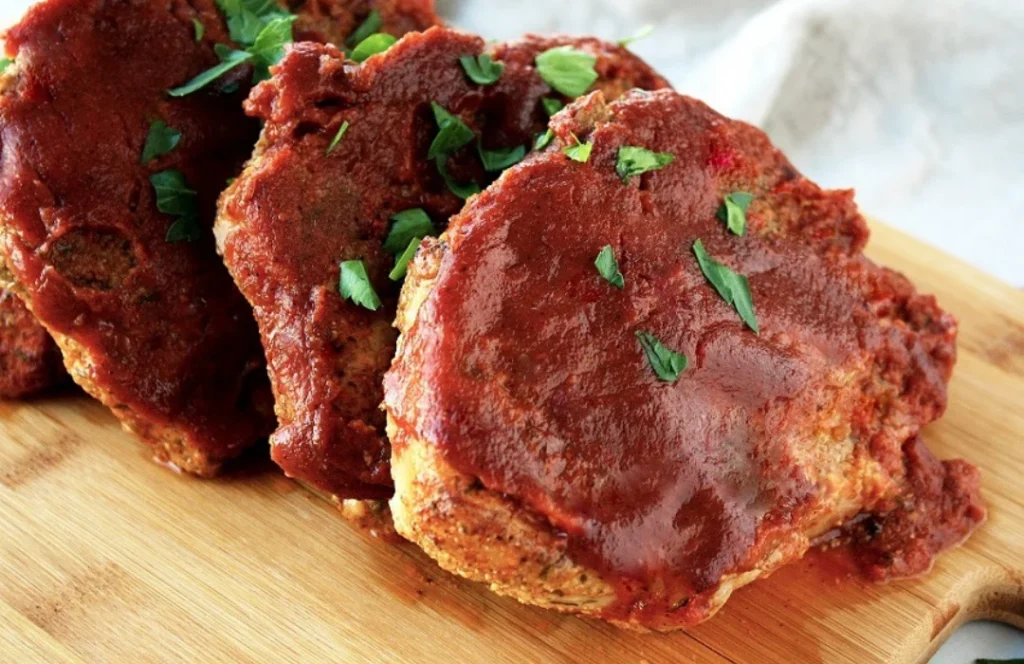
Baked Keto Pork Chops: While grilling is central to the cookout experience, baking offers another versatile method for preparing flavorful meats, especially for larger gatherings or when grill space is limited. These pork chops feature a crispy coating made from parmesan cheese and herbs, replacing traditional breading that would be high in carbohydrates. The parmesan provides a savory, umami-rich crust that locks in moisture, ensuring juicy results. Paired with a sugar-free BBQ sauce (a critical innovation in itself) and an assortment of grilled non-starchy vegetables like asparagus or bell peppers, these chops offer a comforting and satisfying alternative to their conventional counterparts. This method allows for a ‘set it and forget it’ approach, freeing up grill space and host attention.
-
Crispy Keto Chicken Tenders: Chicken tenders are a universal crowd-pleaser, particularly among younger guests or those seeking a lighter protein option. The keto version maintains the beloved crispy texture by utilizing almond flour, parmesan, and a blend of herbs for the coating. Almond flour, a popular gluten-free and low-carb alternative to wheat flour, creates a delightful crunch when baked or air-fried. These tenders are perfect for dipping in sugar-free BBQ sauce, making them an accessible and enjoyable option for everyone, not just those on a keto diet. Their versatility makes them an excellent addition to any cookout spread, providing a familiar yet healthier choice.
-
20-Minute Blackened Chicken: Speed and intense flavor are paramount for cookout hosts managing multiple dishes. This blackened chicken, featuring bold Cajun-inspired spices, delivers a smoky kick without any added sugar. The technique of blackening involves cooking meat at high heat with a rich spice rub, creating a dark, flavorful crust. This method is inherently keto-friendly and allows for quick preparation, making it ideal for impromptu gatherings or busy hosts. It can be served directly off the grill as a stand-alone protein or sliced over a fresh salad for a lighter meal, demonstrating its adaptability and appealing to a wide range of palates.
Essential Accompaniments: Sides and Sauces Redefined
The success of a keto cookout extends beyond the main protein. Sides and sauces play a crucial role in completing the meal experience, and they often present the biggest carb traps. Innovation in these areas has been vital to creating a truly comprehensive keto-friendly cookout menu.
-
Homemade Keto BBQ Sauce: Perhaps one of the most significant innovations for keto cookouts is the development of truly delicious sugar-free barbecue sauce. Traditional BBQ sauces are often laden with high-fructose corn syrup and refined sugars, rendering them unsuitable for low-carb diets. This homemade version captures the sweet, smoky, and tangy notes characteristic of classic BBQ sauce but intelligently uses keto-friendly sweeteners like erythritol or stevia, alongside ingredients like tomato paste, apple cider vinegar, and various spices. This allows dieters to enjoy their grilled meats with authentic flavor without compromising their carb intake. Its versatility makes it an indispensable condiment for burgers, chicken, pork chops, and any other grilled item, proving that robust flavor doesn’t have to come with a sugar spike.
-
Easy Keto Chicken Salad: While many traditional cookout side salads are potato or pasta-based and inherently high in carbohydrates, refreshing, protein-rich alternatives are gaining traction. This make-ahead chicken salad, typically made with creamy mayonnaise (preferably avocado oil-based), crisp celery, and fresh herbs, is a perfect example of a keto-friendly side that can complement grilled meats beautifully. It’s an excellent option for meal prepping and can be served in crisp lettuce cups, scooped alongside other low-carb vegetables, or even used as a topping for burgers, offering a cool, creamy contrast to hot grilled dishes. Its simplicity and ability to be prepared in advance make it a practical choice for hosts and guests alike, demonstrating that low-carb options can be both convenient and delicious.
The Broader Implications: Health, Market, and Social Dynamics
The proliferation of keto-friendly cookout options has far-reaching implications across several sectors, reflecting a maturation of dietary trends into mainstream lifestyle choices.
Health and Wellness: By providing viable low-carb alternatives, these recipes directly support individuals in maintaining their dietary goals, which can be crucial for managing conditions like type 2 diabetes, metabolic syndrome, and obesity. They promote the consumption of whole, unprocessed foods, lean proteins, and healthy fats, aligning with general recommendations for a balanced diet, even for those not strictly adhering to keto. The emphasis on fresh ingredients and controlled sugar intake contributes to better overall health outcomes and can help mitigate the common post-cookout sugar crash associated with traditional carb-heavy meals. Public health bodies and nutritional experts increasingly acknowledge the role of dietary flexibility in sustained healthy eating.
Food Industry Innovation: The sustained demand for keto-friendly products has spurred significant innovation in the food manufacturing sector. Companies are investing heavily in research and development to create low-carb bread alternatives, sugar-free condiments, and ready-to-eat keto meals. This trend extends beyond specialized health food stores, with mainstream supermarkets increasingly stocking a wider array of keto-compliant items in their regular aisles. This responsiveness indicates a maturing market segment and a long-term shift in consumer preferences towards functional foods and specialized dietary solutions. Analysts predict continued investment in this area as consumers become more discerning about ingredients and nutritional profiles.
Social Inclusivity: Perhaps one of the most understated yet profound impacts is the improvement in social inclusivity. When delicious and accessible keto options are available, individuals on restrictive diets can participate fully in communal dining experiences without feeling ostracized, singled out, or having to make cumbersome special requests. This fosters a more welcoming environment and reduces the psychological burden often associated with dietary restrictions, reinforcing the social fabric of shared meals. It allows for a more seamless integration of diverse dietary needs into traditional social rituals.
Economic Impact: For brands like Perfect Keto, catering to this specific niche represents a significant economic opportunity. By offering curated recipes, comprehensive guides, and specialized products, they tap into a growing consumer base actively seeking solutions to their dietary challenges. The emphasis on weekly newsletters and recipe recommendations highlights the ongoing engagement and value proposition for their audience, creating a loyal community around shared health goals. This subscription-based content model is a testament to the continued consumer interest in educational resources that support their dietary journeys.
Challenges and Future Outlook
Despite the advancements and widespread adoption, challenges remain within the keto-friendly culinary space. The cost of specialized keto ingredients, such as almond flour or specific sweeteners, can sometimes be higher than traditional alternatives, posing an accessibility barrier for some consumers. Educating the broader public on the benefits and proper execution of a ketogenic diet, particularly in social settings, is also an ongoing effort, as misconceptions persist. Furthermore, ensuring that "keto-friendly" labels genuinely reflect low-carb content without hidden sugars or unhealthy additives requires constant vigilance from consumers and industry watchdogs. Transparency in labeling and ingredient sourcing remains a critical area for improvement.
Looking ahead, the trend towards personalized nutrition and health-conscious eating is expected to continue its upward trajectory. We can anticipate further innovation in keto-friendly products, greater accessibility in mainstream markets, and an evolving culinary landscape where dietary restrictions are met with creative and delicious solutions rather than limitations. The modern cookout is no longer a carb-laden minefield but a vibrant demonstration of how culinary creativity can adapt to diverse dietary needs, proving that flavor and health can indeed coexist harmoniously. The journey to a more inclusive and health-conscious culinary future is well underway, with the humble backyard cookout serving as a delicious proving ground for innovation and social adaptation.