







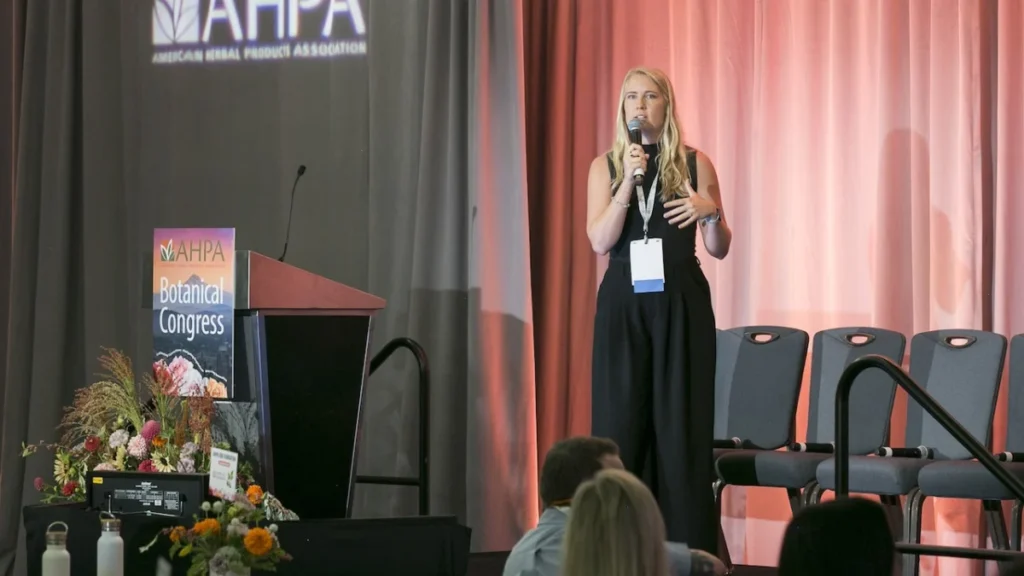
The American Herbal Products Association (AHPA) convened its annual Botanical Congress in Portland, Oregon, on September 15th and 16th, bringing together a diverse array of industry leaders, including farmers, scientists, ingredient suppliers, and brand representatives. This pivotal event served as a platform for in-depth discussions on critical trends, scientific advancements, and regulatory landscapes shaping the future of botanical ingredients within the expansive dietary supplement market. Attendees were immersed in a rich program featuring farmer testimonials, scientific presentations, and forward-looking analyses of consumer behavior and product innovation, all aimed at fostering growth and integrity in the herbal products sector.
AHPA Unveils Comprehensive Botanical Atlas to Enhance Industry Navigation
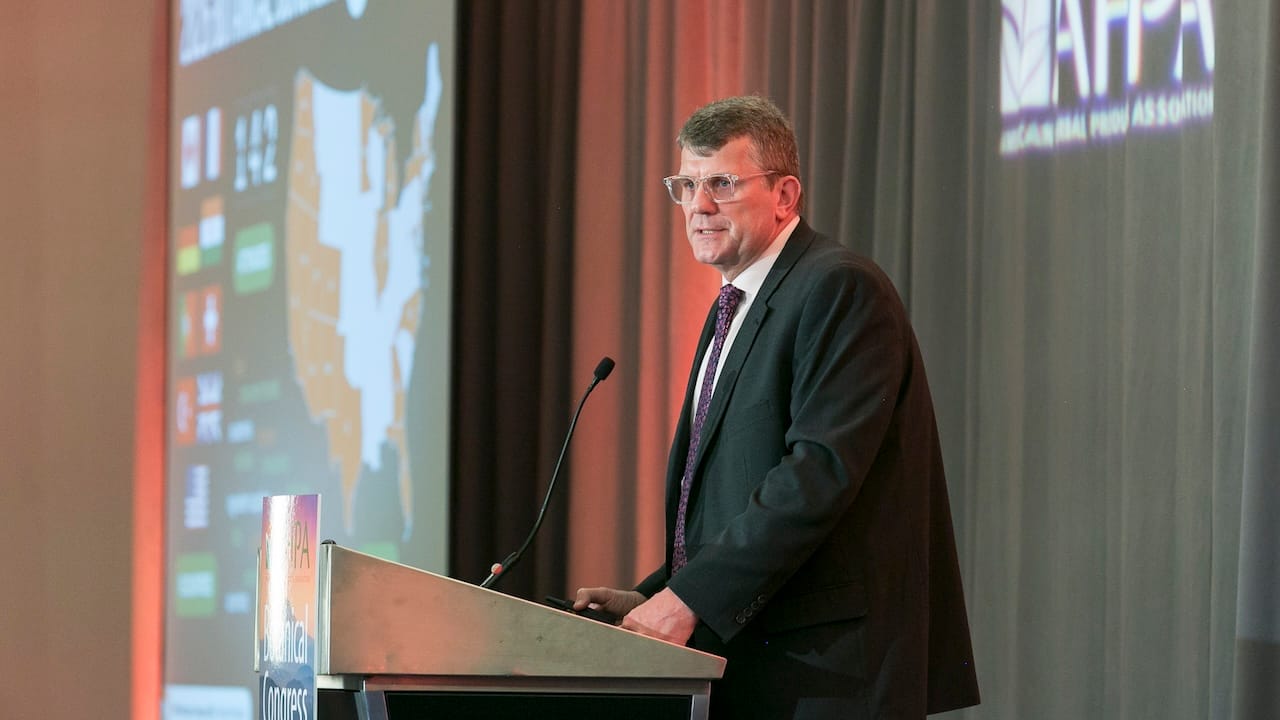
A significant highlight of the congress was the unveiling of the AHPA Atlas, a groundbreaking digital resource designed to streamline information access for AHPA members. Graham Rigby, President and CEO of AHPA, introduced the atlas as a vital tool for navigating the complex world of botanical ingredients. The platform consolidates information from the organization’s esteemed publications, including "Herbs of Commerce" and the "Botanical Safety Handbook," alongside the U.S. Food and Drug Administration’s (FDA) New Dietary Ingredient (NDI) database. This integrated approach provides users with a centralized and easily searchable repository of data on various botanicals, covering aspects such as sourcing, trade names, and safety profiles.

The creation of the AHPA Atlas represents a proactive response to the growing need for readily accessible and reliable information within the rapidly evolving botanical supplement market. As the industry expands, so does the complexity of regulatory requirements and the demand for robust scientific substantiation. By integrating these critical data sources, AHPA aims to empower its members with the knowledge necessary to make informed decisions, ensure product quality, and maintain compliance. This initiative underscores AHPA’s commitment to fostering transparency and scientific rigor, providing a foundational layer of support for companies operating in this dynamic sector. The atlas is expected to become an indispensable tool for product developers, regulatory affairs professionals, and anyone involved in the sourcing and formulation of botanical supplements.
Health Optimizers Drive Surge in Botanical Supplement Consumption
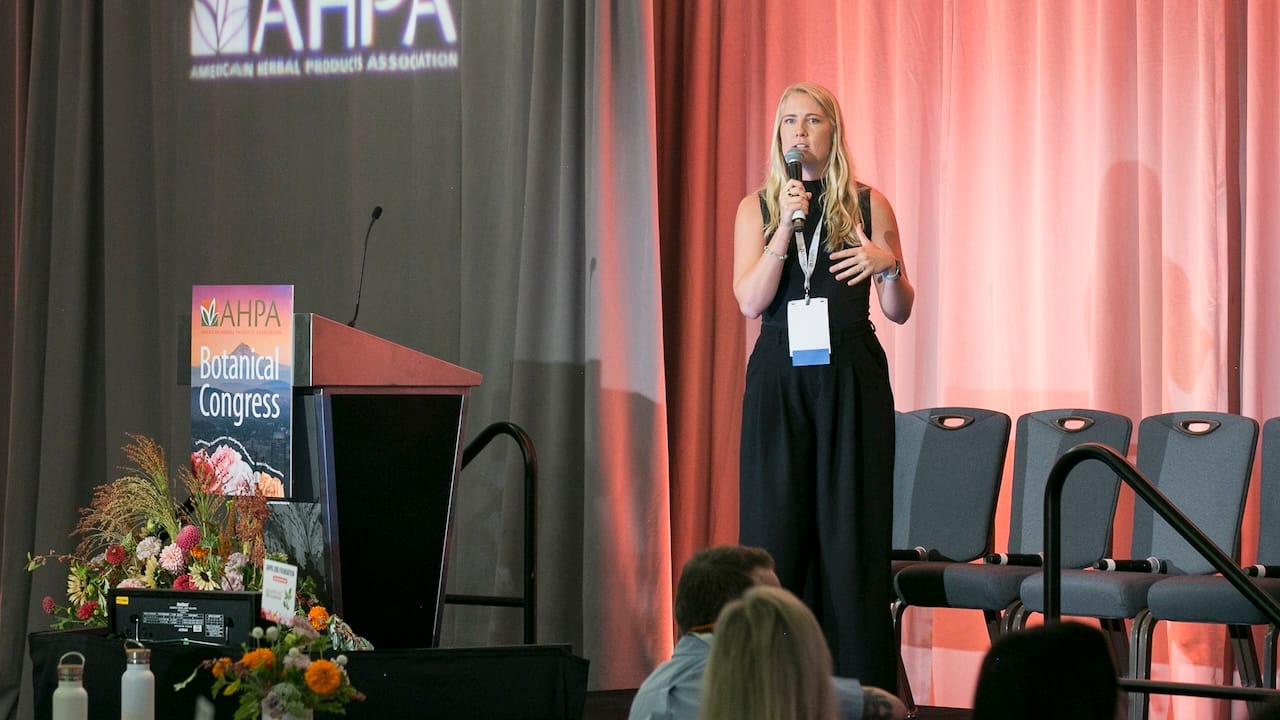
Erika Craft, Data and Insights Manager at Nutrition Business Journal, delivered a compelling presentation on prevailing consumer trends, underscoring the robust growth trajectory of herbs and botanicals within the dietary supplement landscape. Currently holding the third-largest market share and demonstrating the third-fastest growth rate among supplement categories, botanicals are experiencing a significant upswing. Craft identified a key demographic driving this expansion: "health optimizers." This segment, representing a substantial 48% of the population, is characterized by its proactive approach to well-being and a keen interest in natural solutions.
Health optimizers are reportedly more inclined to incorporate botanical-based supplements into their daily regimens, actively seeking out products that align with their holistic health goals. This contrasts with older demographics, who, according to Craft’s analysis, tend to prioritize foundational nutrients like vitamins and omega-3 fatty acids. The findings suggest a generational shift in supplement preferences, with younger consumers demonstrating a greater affinity for the diverse benefits offered by botanical ingredients.
Further analysis from Craft’s presentation revealed that herbal combination formulas are outpacing single-ingredient formulations in terms of growth. This trend indicates a consumer preference for synergistic blends that offer multi-faceted support. E-commerce channels have emerged as the dominant force in both market share and growth for these products, reflecting the increasing reliance on online platforms for supplement purchasing. The implications for brands are clear: a strategic focus on targeted formulations, leveraging the power of botanical synergies, and optimizing online presence are crucial for capturing this expanding market segment. The data presented by Craft paints a picture of a dynamic and expanding market, heavily influenced by the evolving priorities and purchasing habits of a health-conscious consumer base.
The Imperative for Product-Specific Scientific Evidence in the Botanical Market
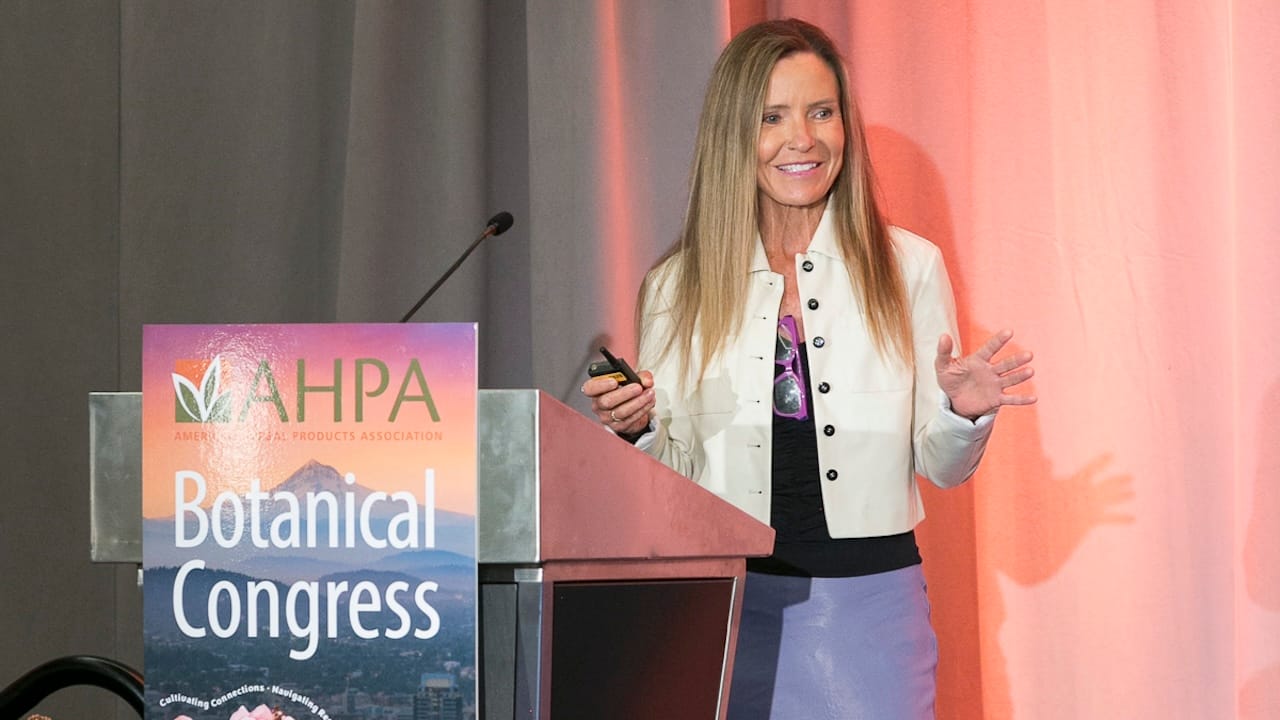
Susan Hewlings, Ph.D., a respected voice in scientific affairs and co-founder of consultancy Substantiation Sciences, emphasized the critical need for product-specific scientific evidence to support the efficacy and safety of botanical ingredients. During her presentation on clinical trial design, Hewlings asserted that as consumers gain unprecedented access to information, amplified by advancements in artificial intelligence, they are increasingly demanding transparency and empirical data. "It’s not about the claims first; it’s about the science," Hewlings declared, highlighting a fundamental shift in consumer expectations.
Hewlings stressed that the credibility of botanical supplements hinges on rigorous scientific validation. She outlined a foundational framework for research, emphasizing that before embarking on any clinical trial or study, a thorough understanding of the ingredient’s identity, purity, strength, composition, and stability is paramount. "These five are the difference between a study of your product and a study of something that shares its name," she explained, underscoring the vital importance of characterizing the specific ingredient being investigated. Without this meticulous attention to detail, studies may yield inconclusive or misleading results, failing to provide the robust substantiation consumers are seeking.
The implications of Hewlings’ insights are far-reaching for the dietary supplement industry. Brands and ingredient suppliers must invest in comprehensive research that validates the specific formulations they bring to market. This commitment to product-specific science not only builds consumer trust but also strengthens the industry’s reputation and navigates the evolving regulatory landscape. As consumers become more discerning and informed, the companies that prioritize evidence-based products will be best positioned for sustained success and growth. The call for scientific rigor is a direct response to market maturity and a clear signal that the era of unsubstantiated claims is rapidly drawing to a close.
Championing Women’s Health: Integrating Female Perspectives Across the Botanical Supply Chain
A recurring and vital theme at the Botanical Congress was the imperative to involve women at every stage of the botanical product lifecycle, from cultivation and ingredient development to product formulation and marketing. Presentations by industry leaders Maggie Luther and Komal Baldwa illuminated the significant impact of women’s contributions and perspectives in creating effective and relevant botanical solutions, particularly for women’s health.
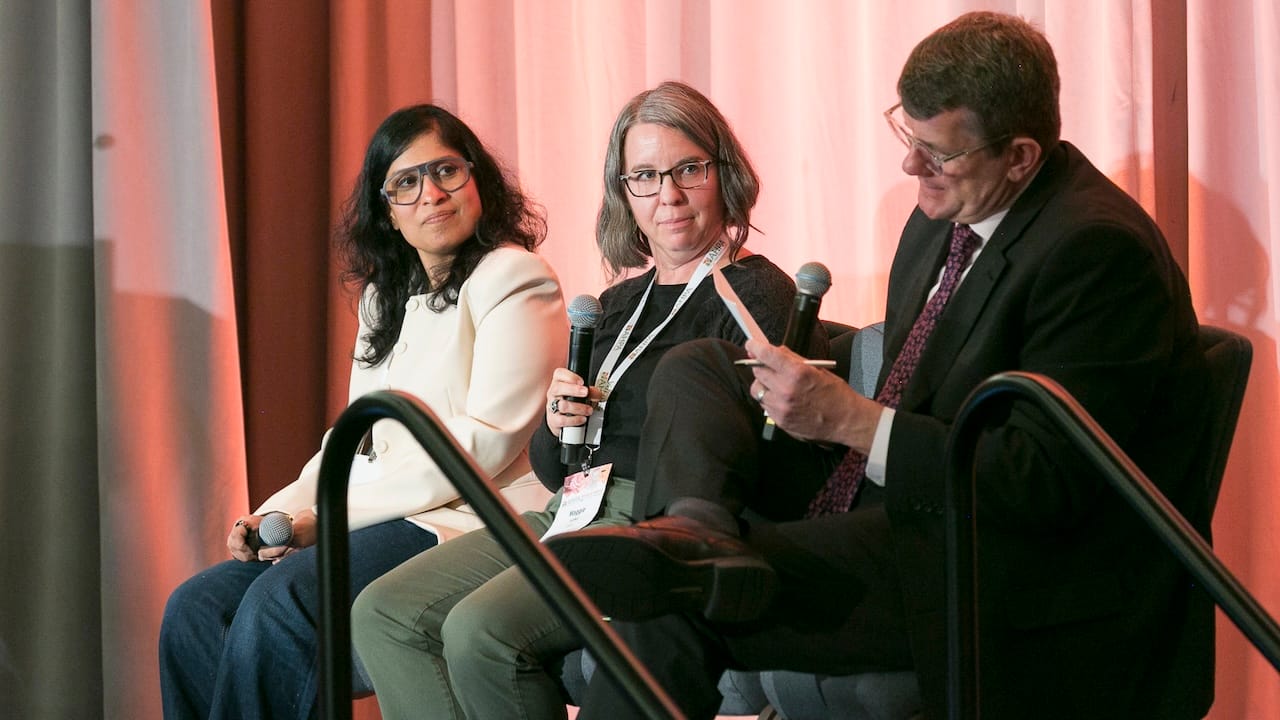
Maggie Luther, Naturopathic Doctor and VP of Innovation and Regulatory at supplement brand Biologica, advocated for a more nuanced approach to formulating products for women. She challenged the industry to move beyond generalized formulations and instead design products that address specific physiological needs across different life stages. Luther’s work focuses on striking a delicate balance between rectifying dietary deficiencies and developing formulations that actively optimize biomarkers. "Are we designing around her biological needs or settling for the lowest common denominator?" she posed, urging for a more sophisticated and women-centric approach to product development. This perspective highlights the untapped potential for innovation in a market segment that often receives one-size-fits-all solutions.
Komal Baldwa, Founder and CEO of ingredient supplier Waleria Biotech, provided a compelling case study on the integral role women played in the development of their flagship shatavari ingredient. From the initial stages of plant cultivation to the insights gained through clinical trials, women were involved in every critical phase. Baldwa emphasized that incorporating women into leadership positions fosters a culture that addresses women’s health at its core. Her impassioned plea, "If not us, then who?" resonated with attendees, underscoring the urgency and importance of empowering women to drive innovation and impact within the industry. The collective message from these presentations is clear: embracing diverse perspectives, particularly those of women, is not only a matter of equity but a strategic imperative for developing more effective, targeted, and successful botanical products. This focus on inclusivity promises to unlock new avenues of growth and address unmet consumer needs.
Longevity and Cellular Health: The Promising Role of Herbs in Extending Healthspan
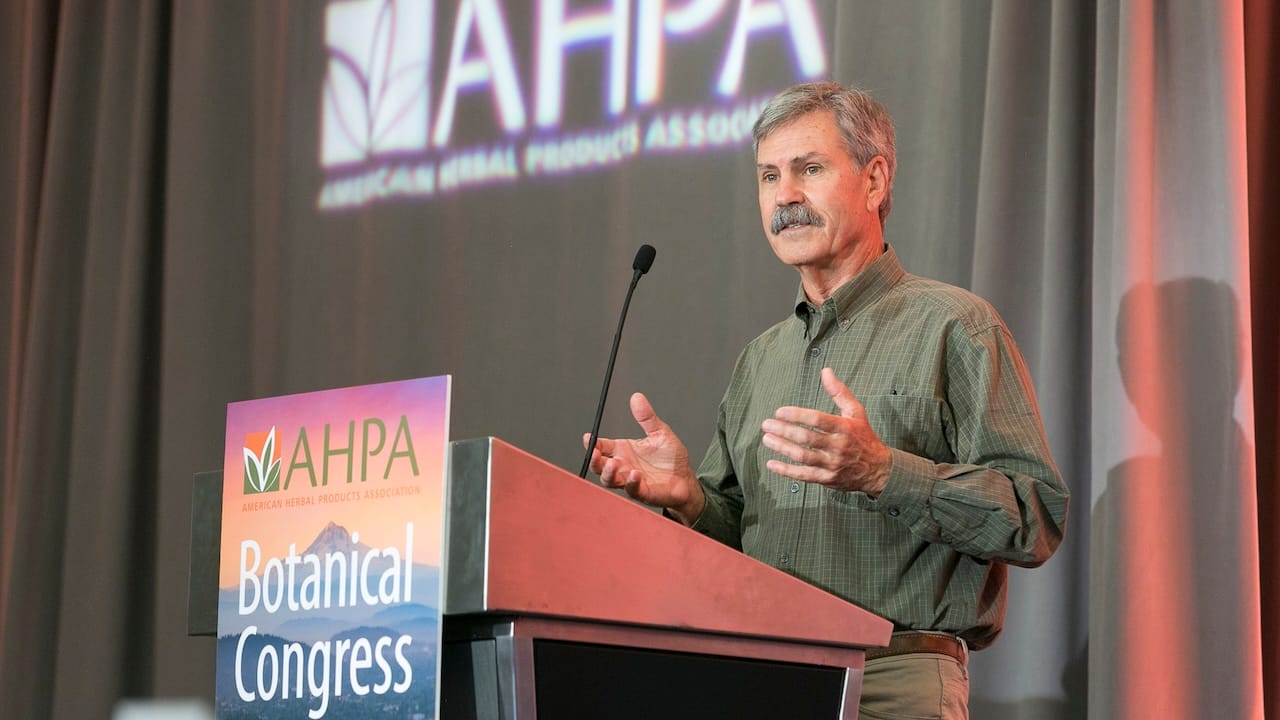
Bill Rawls, M.D., Founder and Medical Director of supplement brand Vital Plan, shared his insights into the powerful intersection of herbs and longevity. Drawing from his personal experience of using herbal medicine to manage chronic illness, Dr. Rawls has dedicated his work to educating others about the multifaceted benefits of botanicals. He articulated a fundamental principle: "Plants solve problems using chemistry." He elaborated that these are not random chemical compounds but rather a sophisticated biological system honed through evolution, enabling plants to thrive in their natural environments and resist various stressors.
Dr. Rawls explained that when consumers ingest herbs, they are effectively harnessing the plant’s innate protective mechanisms. This internal defense system, he posits, translates into tangible benefits at a cellular level. He strongly emphasized cellular health as a cornerstone of longevity, suggesting that by supporting the body’s fundamental building blocks, herbs can contribute significantly to a longer and healthier life. This perspective aligns with a growing body of scientific research exploring the role of natural compounds in mitigating cellular damage, reducing inflammation, and supporting cellular repair processes – all key factors in the aging process and the prevention of chronic diseases.
The implications of Dr. Rawls’ perspective are profound for the future of the dietary supplement industry. It suggests a paradigm shift from merely treating symptoms to proactively supporting the body’s intrinsic ability to maintain health and resilience. As the global population ages, the demand for solutions that promote healthy aging and extend "healthspan" – the period of life spent in good health – is expected to surge. Herbs and botanicals, with their complex phytochemical profiles and evolutionary-tested mechanisms of action, are ideally positioned to meet this growing need. Dr. Rawls’ message serves as a powerful reminder of the enduring wisdom found in nature and its potential to unlock pathways to a healthier and more vibrant future for individuals seeking to optimize their well-being throughout their lives. His work underscores a growing scientific understanding of how natural compounds can positively influence cellular function, offering a promising frontier in the pursuit of enhanced longevity and quality of life.