








The prioritization of protein within the human diet has transitioned from a niche concern of competitive athletes and bodybuilders to a central pillar of public health and metabolic wellness. As nutritional science evolves, the consensus among registered dietitians and clinical researchers has solidified around the multifaceted benefits of a high-protein, low-carbohydrate approach for weight management, muscle preservation, and hormonal regulation. Protein is no longer viewed merely as a "building block" for skeletal muscle but as a critical regulator of the thermic effect of food (TEF) and a primary driver of satiety.
The Evolution of Macronutrient Prioritization: A Brief Chronology
To understand the current emphasis on high-protein, low-carb diets, one must examine the shifting landscape of dietary guidelines over the past half-century. In the 1970s and 1980s, the "low-fat" era dominated clinical discourse, leading to an accidental surge in carbohydrate consumption through processed grains and sugars. By the late 1990s, the emergence of the Atkins diet and similar ketogenic protocols began to challenge the status quo, albeit with significant controversy regarding saturated fat intake.
In the 2010s, the rise of the "Paleo" and "Whole30" movements refocused public attention on whole-food protein sources, emphasizing the quality of meat and plant-based proteins over processed alternatives. Today, in the 2020s, the focus has shifted toward personalized nutrition. Registered dietitians now utilize high-protein, low-carb frameworks to combat the rising tide of insulin resistance and metabolic syndrome, tailoring intake to the specific physiological needs of the individual rather than a one-size-fits-all pyramid.

The Science of Protein and Metabolism
The efficacy of a high-protein diet is rooted in several biological mechanisms. Chief among these is the Thermic Effect of Food (TEF). Research indicates that protein has a significantly higher TEF compared to fats and carbohydrates. While the body utilizes approximately 5% to 10% of the energy from carbohydrates for digestion and 0% to 3% for fats, it requires 20% to 30% of the energy consumed from protein just to process the macronutrient. This metabolic "tax" means that a higher protein intake naturally increases the total daily energy expenditure (TDEE).
Furthermore, protein is the most satiating macronutrient. Clinical trials have consistently shown that high-protein meals suppress ghrelin (the hunger hormone) while stimulating the production of peptide YY and GLP-1, hormones that signal fullness to the brain. For athletes, the recommendation typically ranges from 0.8 to 1.25 grams of protein per pound of body weight to support Muscle Protein Synthesis (MPS) and recovery from resistance training.

Categorical Analysis of the Top 20 High-Protein, Low-Carb Foods
A successful nutritional plan requires a diverse array of protein sources to ensure a full spectrum of amino acids and micronutrients. The following list, curated from registered dietitian standards, categorizes these foods by their nutritional profile and culinary utility.
Poultry and Lean Meats
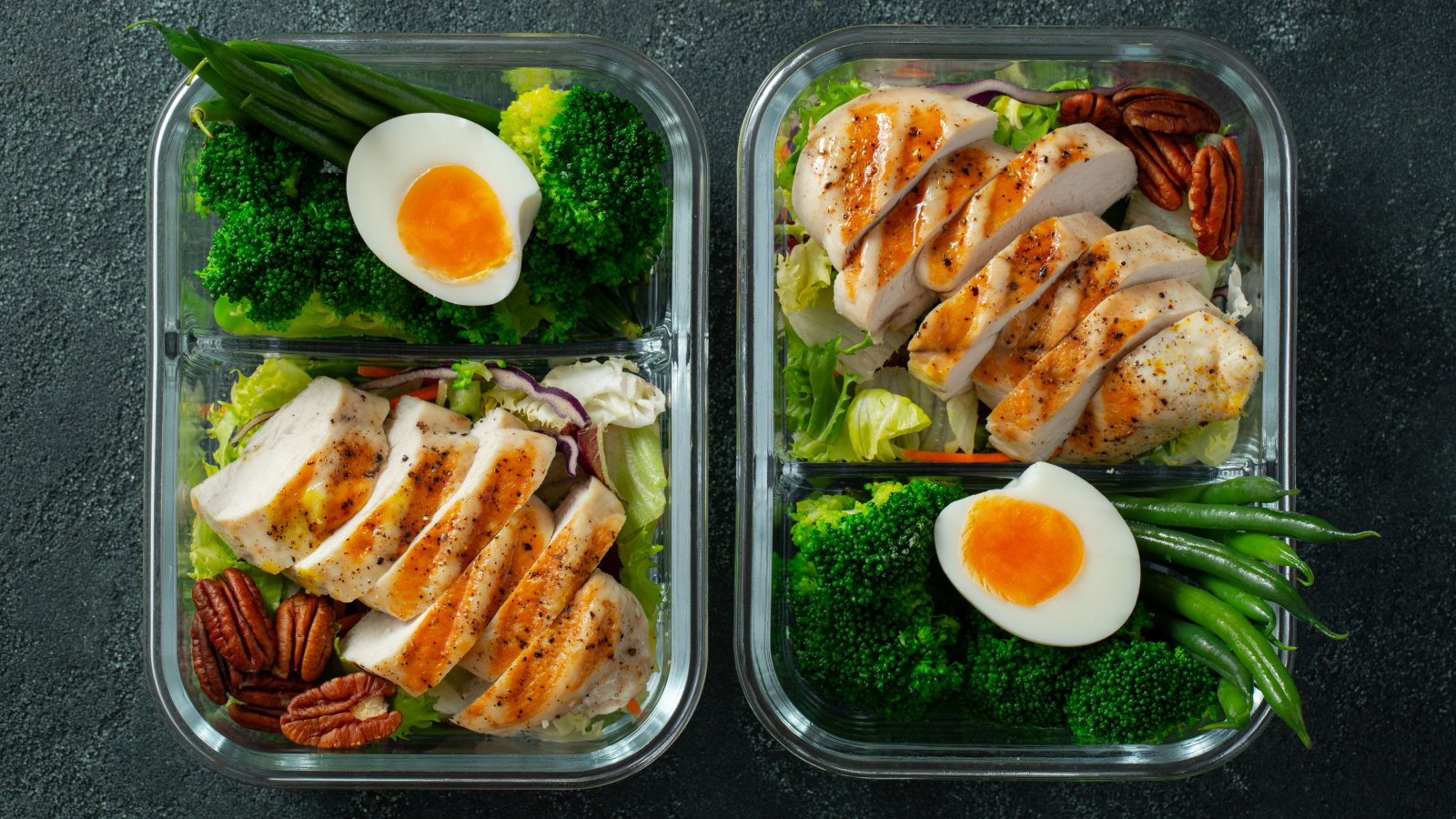
- Chicken Breast: Often cited as the gold standard for lean protein, a 6-ounce serving provides approximately 52 grams of protein with minimal fat. Its neutral flavor profile makes it a versatile "blank slate" for various cuisines.
- Chicken Thighs: While slightly higher in fat than the breast, thighs offer a richer source of iron and zinc. The higher fat content (approx. 10-15g per serving) provides increased flavor and moisture, which can improve dietary adherence.
- Pork Chops: Modern pork farming has resulted in leaner cuts. A center-cut pork chop is nearly as lean as a skinless chicken breast but offers a different micronutrient profile, including significant amounts of thiamine (Vitamin B1).
- Pork Shoulder: This cut is ideal for slow-cooking and "pulled" preparations. While it contains moderate fat, it is an excellent source of protein for those requiring higher caloric intake during building phases.
- Ham: Cured ham provides a convenient, ready-to-eat protein source. Dietitians recommend looking for nitrate-free options to minimize processed additives while benefiting from its high protein-to-calorie ratio.
Red Meats and Organ Meats
- Sirloin Steak: One of the leanest cuts of beef, sirloin provides high-quality protein alongside heme iron, which is more easily absorbed by the body than plant-based iron.
- Strip Steak: Similar to sirloin, the strip steak offers a balance of tenderness and lean protein, making it a staple for those monitoring saturated fat intake.
- Ribeye Steak: Known for its marbling, the ribeye is a high-fat, high-protein option. It is particularly useful for individuals on ketogenic diets who require higher fat percentages to maintain ketosis.
- Lean Ground Beef (95/5): Ground beef is highly bioavailable and versatile. The 95% lean variety allows for the consumption of red meat benefits without excessive caloric density.
- Beef Liver: Historically a staple of bodybuilding diets, liver is nature’s multivitamin. It is exceptionally high in Vitamin A, B12, and copper, though its strong flavor profile often requires specific preparation methods like "liver and onions."
Seafood and Shellfish
- Salmon: Beyond its protein content, salmon is prized for its Omega-3 fatty acids (EPA and DHA), which support cardiovascular health and reduce systemic inflammation.
- Sardines: These small fish are nutrient powerhouses. Because they are often consumed with the bones, they provide a rare non-dairy source of calcium and Vitamin D.
- Tuna: Whether fresh or canned in water, tuna is almost pure protein. It is a favorite for weight-loss phases due to its extremely low calorie-to-protein ratio.
- Shrimp: Shrimp is one of the most protein-dense foods available by volume. It contains astaxanthin, an antioxidant that has been linked to skin and heart health.
Dairy and Egg Products
- Whole Eggs: The "perfect protein," eggs contain all essential amino acids in the ideal ratio for human absorption. The yolk contains choline, a nutrient essential for brain health.
- Egg Whites: For those needing to hit high protein targets without additional fats, egg whites are an indispensable tool. They can be added to shakes, oats, or scrambles to increase volume and protein density.
- Greek Yogurt: Strained to remove excess whey and lactose, Greek yogurt has double the protein of regular yogurt. It also provides probiotics essential for gut health.
- Cottage Cheese: This slow-digesting dairy product is rich in casein protein. It is often recommended as a pre-sleep snack to provide a steady release of amino acids throughout the night.
Supplemental Proteins
- Whey Protein Powder: A fast-digesting supplement ideal for post-workout recovery. It has a high concentration of Leucine, the primary amino acid responsible for triggering muscle protein synthesis.
- Casein Protein Powder: The "slow" counterpart to whey, casein forms a gel in the stomach, leading to a prolonged release of nutrients. This makes it highly effective for satiety and muscle preservation during caloric deficits.
Expert Analysis: The Importance of Dietary Rotation
Nutritional experts emphasize that "dietary boredom" is a leading cause of failure in long-term nutrition plans. By rotating between these 20 sources, individuals can avoid micronutrient deficiencies. For instance, while chicken is high in Vitamin B6, red meat provides B12 and zinc, and seafood provides iodine and Omega-3s. A varied approach ensures that the body receives a comprehensive array of vitamins and minerals necessary for metabolic function.
Clinical Implications and Sample Daily Protocol
To illustrate the practical application of these foods, consider a 200-pound athlete requiring 3,500 calories with a protein target of 250 grams (1.25g per pound).

- Breakfast: 4 whole eggs scrambled with 1 cup of liquid egg whites, served with spinach and 1 cup of oats. (Protein: 50g)
- Lunch: 8 ounces of grilled chicken breast with 1.5 cups of white rice and mixed vegetables. (Protein: 65g)
- Mid-Day Snack: 1 cup of Greek yogurt mixed with 1 scoop of whey protein and a handful of berries. (Protein: 45g)
- Dinner: 8 ounces of sirloin steak with a large baked potato and asparagus. (Protein: 67g)
- Evening Snack: 1 cup of cottage cheese with a tablespoon of almond butter. (Protein: 34g)
This distribution ensures a steady stream of amino acids throughout the day, maximizing the body’s ability to repair tissue and maintain a high metabolic rate.
Broader Impact and Future Outlook
The shift toward high-protein, low-carb eating patterns has significant implications for global health. As rates of Type 2 diabetes and obesity continue to climb, medical professionals are increasingly looking toward protein-sparing modified diets as a primary intervention. Furthermore, the "protein-first" approach is gaining traction in geriatric medicine to combat sarcopenia (age-related muscle loss), which is a leading cause of frailty and loss of independence in the elderly.
In conclusion, the strategic selection of high-protein, low-carb foods is more than a fitness trend; it is a scientifically backed approach to optimizing human physiology. By utilizing a diverse array of whole-food sources—from lean poultry to nutrient-dense organ meats and heart-healthy seafood—individuals can achieve their body composition goals while supporting long-term health and vitality. The key to success lies in the balance of variety, quality, and consistent execution.