








The modern fitness landscape is increasingly defined by the integration of specialized nutritional interventions, with pre-workout supplements emerging as a cornerstone of the multi-billion-dollar sports nutrition industry. Designed to be consumed 30 to 60 minutes before physical exertion, these multi-ingredient formulas serve as ergogenic aids intended to enhance acute exercise performance. While once the exclusive domain of professional bodybuilders and elite athletes, the use of pre-workouts has transitioned into the mainstream, fueled by social media trends and a growing cultural emphasis on "optimized" training.
The Contemporary Role of Pre-Workout Supplements
A pre-workout supplement is a complex blend of ingredients categorized into stimulants, strength enhancers, and blood-flow vasodilators. The primary objective is to provide a transient window of heightened physiological and psychological readiness. According to market analysis reports, the global pre-workout supplement market was valued at approximately $15.5 billion in 2021 and is projected to expand at a compound annual growth rate (CAGR) of 8.4% through 2030. This growth reflects a shift in consumer behavior toward products that promise immediate, tangible results in focus, power output, and endurance.

From a physiological standpoint, these supplements target the central nervous system (CNS) and muscular metabolic pathways. By modulating neurotransmitters and increasing the availability of energy substrates, pre-workouts allow individuals to train at higher intensities for longer durations. However, the efficacy of these products is heavily dependent on the specific formulation, the dosages of active ingredients, and the individual’s unique metabolic response.

A Chronological Overview of Ergogenic Development
The evolution of pre-workout supplementation provides critical context for understanding the modern market. In the mid-20th century, "pre-workout" was often synonymous with a simple cup of black coffee or basic sugar-based snacks. The 1980s saw the introduction of early powdered formulas, though these were often rudimentary and lacked the sophisticated delivery systems seen today.
A pivotal moment occurred in 1994 with the passage of the Dietary Supplement Health and Education Act (DSHEA) in the United States. This legislation reclassified supplements, placing the burden of proof for safety on the government rather than the manufacturer, which led to a rapid expansion of the industry. The early 2000s marked the "Wild West" era of pre-workouts, characterized by the inclusion of potent stimulants such as ephedrine and later, 1,3-dimethylamylamine (DMAA).

The subsequent ban of these substances by the Food and Drug Administration (FDA)—ephedrine in 2004 and DMAA in 2012—due to cardiovascular risks forced the industry to pivot toward more researched, legally compliant ingredients. Today, the trend has shifted toward "non-proprietary" labels, where manufacturers disclose the exact milligram amount of each ingredient, responding to a consumer base that is increasingly scientifically literate and health-conscious.
The Physiological Mechanisms of Key Ingredients
To understand what a pre-workout does, one must analyze the pharmacological properties of its constituent parts. Modern formulas typically rely on a core group of science-backed compounds.
Stimulants and Cognitive Enhancers
Caffeine anhydrous remains the most prevalent ingredient in pre-workout formulas. It acts as an adenosine receptor antagonist, preventing the binding of adenosine—a neurotransmitter that signals fatigue—thereby increasing alertness and reducing the rate of perceived exertion (RPE). Clinical data suggests that caffeine doses of 3–6 mg/kg of body weight can significantly improve aerobic and anaerobic performance.

Other cognitive enhancers, such as L-Tyrosine and L-Theanine, are frequently added to modulate the effects of caffeine. L-Tyrosine serves as a precursor to dopamine and norepinephrine, which can be depleted during high-stress training sessions. L-Theanine, an amino acid found in tea, is utilized to mitigate the "jittery" side effects of high-stimulant doses, promoting a state of "calm focus."
Vasodilation and the "Pump"
Nitric oxide (NO) boosters, primarily L-Citrulline or Citrulline Malate, are included to enhance vasodilation. By increasing the diameter of blood vessels, these compounds facilitate greater blood flow to active muscle tissues, improving nutrient delivery and waste removal. This physiological state is colloquially referred to in gym culture as "the pump." Research indicates that 6 to 8 grams of Citrulline Malate can enhance repetitive lifting performance and reduce muscle soreness in the 48 hours following exercise.
Buffering and Endurance
Beta-alanine is a non-essential amino acid that increases the concentration of carnosine in skeletal muscle. Carnosine acts as an intracellular pH buffer, neutralizing the accumulation of hydrogen ions during high-intensity exercise. This delay in acidosis allows athletes to perform more repetitions before reaching the point of muscular failure. The common side effect of beta-alanine, known as paresthesia (a tingling sensation on the skin), is considered harmless but often serves as a sensory cue to users that the supplement is "working."

Regulatory Oversight and the Proprietary Blend Controversy
A significant challenge within the supplement industry is the use of "proprietary blends." This labeling practice allows companies to list a group of ingredients under a single total weight, concealing the specific dosages of individual components. Journalists and health advocates have frequently criticized this practice, noting that it allows manufacturers to "label dress"—including a popular ingredient in negligible amounts while filling the majority of the blend with cheaper stimulants or fillers.
The FDA does not approve dietary supplements for safety or effectiveness before they are marketed. Instead, the agency monitors the market for "adulterated" or "misbranded" products. This regulatory gap has led to the rise of third-party testing organizations, such as NSF International and Informed-Choice, which certify that products are free of banned substances and that the label accurately reflects the contents. For competitive athletes, choosing a third-party-certified pre-workout is a critical step in avoiding accidental doping violations.
Health Implications and Cardiovascular Considerations
While pre-workouts offer performance benefits, they are not without risk. The high stimulant content in many formulas can lead to adverse cardiovascular events, including tachycardia (rapid heart rate), hypertension, and arrhythmias. For individuals with underlying heart conditions or anxiety disorders, the ingestion of 300-400mg of caffeine in a single dose can be dangerous.

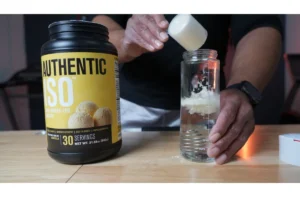
Furthermore, the "dry scooping" trend—consuming the powder without water—has been flagged by medical professionals as a significant health hazard. This practice increases the risk of accidental inhalation (aspiration pneumonia) and leads to a more rapid absorption of stimulants, which can overwhelm the cardiovascular system.
The broader impact of long-term pre-workout use is still being studied. Concerns regarding "adrenal fatigue" or the desensitization of adenosine receptors suggest that chronic, high-dose usage may lead to a cycle of dependency, where the user requires increasingly larger doses to achieve the same ergogenic effect.
Broader Societal and Cultural Impact
The rise of pre-workout supplements reflects a broader societal trend toward "biohacking" and the commodification of fitness. Social media platforms like TikTok and Instagram have played a pivotal role in normalizing supplement use among younger demographics. The "pre-workout ritual"—the act of mixing and consuming the supplement—has become a psychological trigger for many, serving as a symbolic transition from the workday to the training session.

However, this culture has also drawn criticism for promoting an "all-or-nothing" mentality toward exercise. Critics argue that the reliance on chemical stimulants may mask the body’s natural signals of overtraining or poor recovery, potentially leading to injury. There is also a growing movement toward "stim-free" pre-workouts, which focus solely on blood flow and endurance ingredients, catering to those who train late at night or wish to avoid the systemic stress of high-dose caffeine.
Strategic Implementation and Best Practices
For those choosing to utilize pre-workout supplements, experts recommend a strategic approach to maximize benefits while minimizing risks.
- Tolerance Assessment: New users should begin with a half-serving to assess their sensitivity to stimulants and beta-alanine.
- Timing: For optimal absorption, the supplement should be consumed 30 to 45 minutes prior to the start of the session.
- Cycling: To prevent desensitization, users should consider "cycling" their pre-workout—using it only for high-intensity sessions or taking a full week off every 4 to 6 weeks.
- Hydration: Many pre-workout ingredients, such as creatine and glycerol, alter fluid balance. Increasing water intake is essential to avoid dehydration.
- Contextual Use: A pre-workout is a supplement, not a substitute. It cannot compensate for poor sleep, inadequate caloric intake, or a lack of structured programming.
In summary, a pre-workout supplement functions as a complex tool designed to temporarily enhance the physiological and psychological parameters of exercise. While the science supports the efficacy of specific ingredients like caffeine, citrulline, and beta-alanine, the industry remains a "buyer beware" market. Transparency in labeling, an understanding of individual health profiles, and a disciplined approach to dosage are the prerequisites for the safe and effective use of these potent ergogenic aids.