



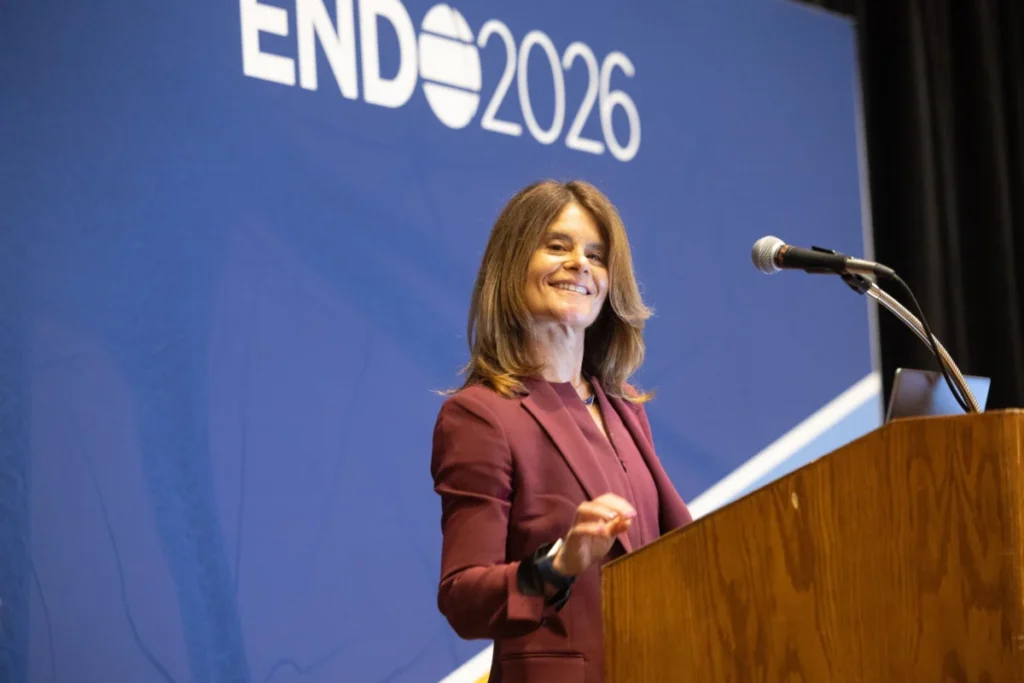
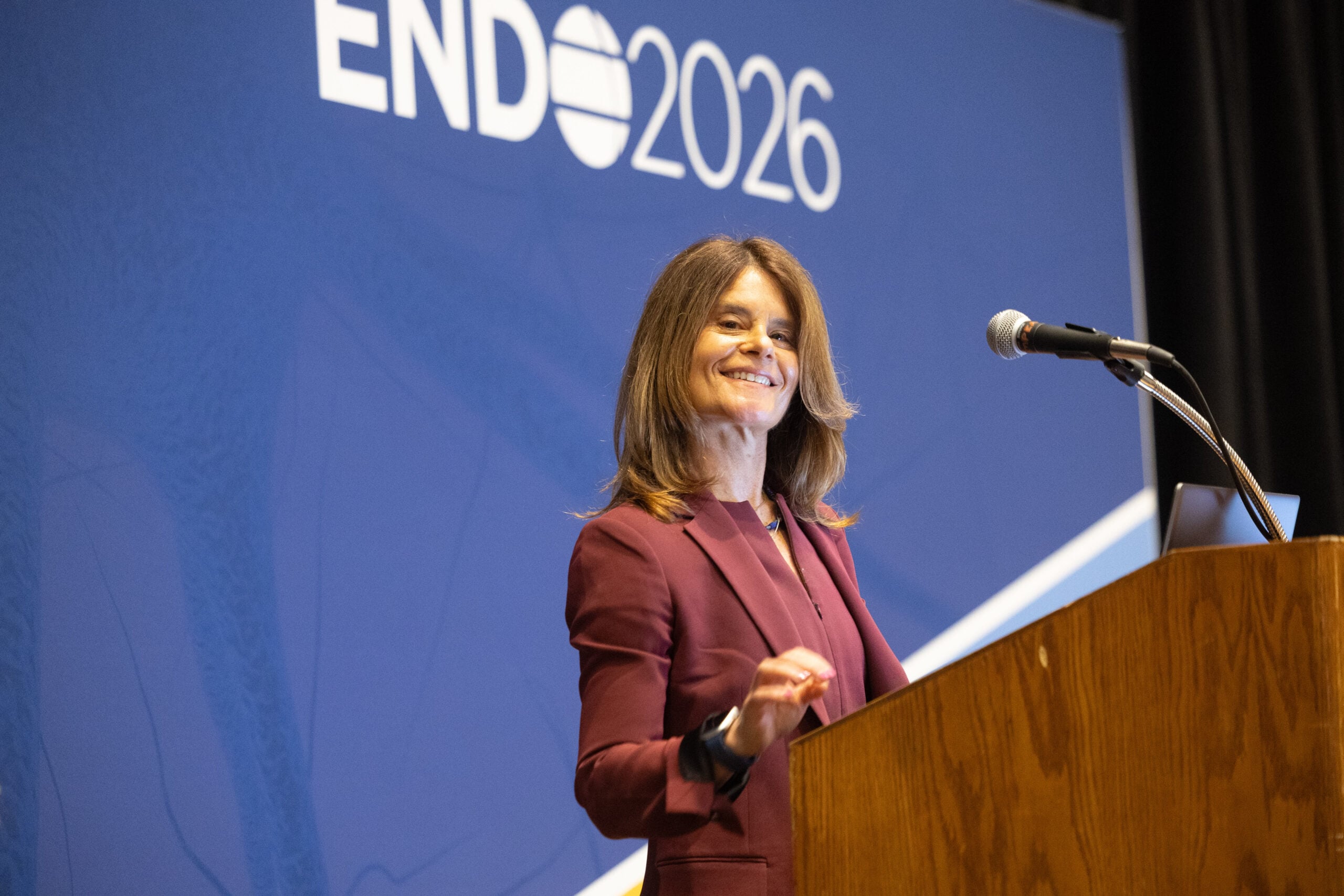
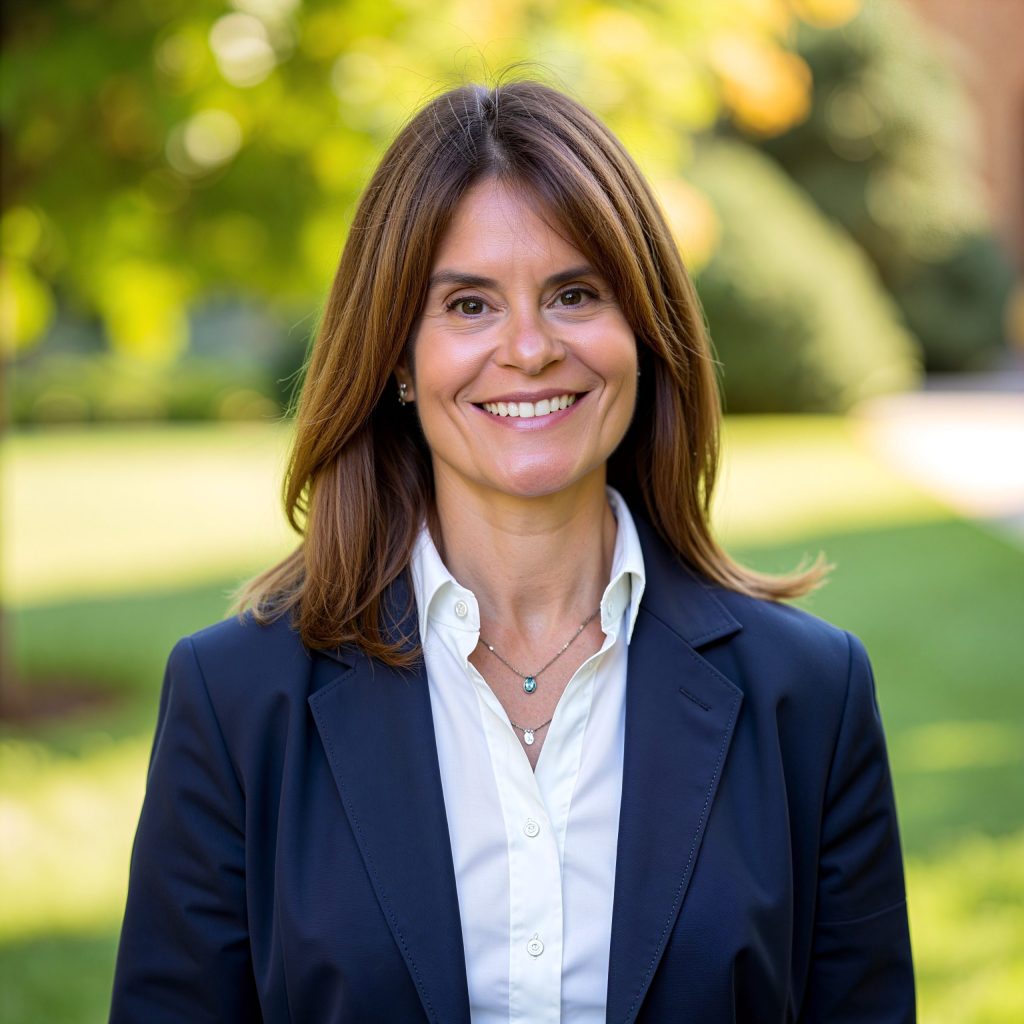
The Endocrine Society, a global organization representing more than 18,000 physicians and scientists, has officially named Lisa B. Nachtigall, MD, as a 2026 Laureate recipient of the Vigersky Outstanding Clinical Practitioner Award. This prestigious honor recognizes individuals who have demonstrated extraordinary contributions to the practice of clinical endocrinology, reflecting a career-long commitment to patient care, medical education, and the advancement of the specialty. As the Medical Director of the Mass General Brigham Pituitary Center and an Associate Professor of Medicine at Harvard Medical School, Dr. Nachtigall has distinguished herself as a leading authority on neuroendocrine disorders, specifically functioning pituitary tumors such as those causing acromegaly and Cushing disease.
The Vigersky Award is part of the Endocrine Society’s Laureate Awards program, which has recognized the highest achievements in the field since 1944. Dr. Nachtigall’s selection underscores a professional trajectory characterized not only by clinical expertise but also by a deep-seated dedication to the patient experience and the systemic health of the endocrinology workforce. Her work bridges the gap between high-level academic research and the compassionate, longitudinal care required for patients navigating the complexities of rare hormonal conditions.
A Career Defined by Clinical Excellence and Longitudinal Care
Dr. Nachtigall’s clinical focus centers on the diagnosis and long-term management of pituitary disorders. These conditions often involve functioning tumors that secrete excessive hormones, leading to systemic complications that can affect nearly every organ system in the body. Two of the most prominent conditions in her practice are acromegaly, caused by an overproduction of growth hormone, and Cushing disease, resulting from excessive cortisol production due to an ACTH-secreting pituitary tumor.
For many patients, the journey to a diagnosis is fraught with delays, as the symptoms of these rare diseases often mimic more common ailments. Dr. Nachtigall’s expertise lies in the nuanced interpretation of clinical history and biochemical data to achieve early and accurate diagnoses. Beyond the initial clinical triumph of identifying a rare tumor, she emphasizes the importance of the longitudinal relationship. Many of her patients remain under her care for decades, navigating the transition from acute treatment—often involving transsphenoidal surgery—to long-term monitoring and medical management.
The gratification of this work, according to Dr. Nachtigall, stems from the transformative impact of successful treatment. When a patient enters remission from Cushing disease or acromegaly, the reversal of debilitating physical and psychological symptoms is often profound. This deep patient-provider bond is a hallmark of her practice, where she has become known for providing "mantras" or words of encouragement that patients carry with them long after their appointments have concluded.
Advancements in Targeted Therapies and Metabolic Medicine
The landscape of clinical endocrinology is currently undergoing a period of rapid pharmacological innovation, a shift that Dr. Nachtigall views with both optimism and a critical eye toward accessibility. In her specific field of neuroendocrinology, the emergence of targeted therapies based on G-protein coupled receptor (GPCR) signaling has provided new avenues for patients who require medical therapy beyond surgery.
One such advancement is the development of paltusotine, an investigational oral therapy for acromegaly. Unlike traditional somatostatin receptor ligands (SRLs) that often require painful, large-volume intramuscular or subcutaneous injections, paltusotine targets the somatostatin receptor type 2 (SST2) through a once-daily oral dose. For patients with acromegaly, who often suffer from "injection fatigue" and breakthrough symptoms between doses, the shift toward oral options represents a significant improvement in quality of life.
Similarly, Dr. Nachtigall highlights the role of setmelanotide in treating hypothalamic obesity (HO). This condition, which can occur following damage to the hypothalamus (often during surgery for pituitary tumors like craniopharyngiomas), results in insatiable hunger and rapid weight gain. Setmelanotide works by targeting the melanocortin-4 receptor (MC4R), effectively bypassing the damaged signaling pathways to regulate appetite and weight.
Beyond rare diseases, Dr. Nachtigall points to the transformative nature of GLP-1 receptor agonists in the broader fields of obesity and metabolic dysfunction. Originally developed for type 2 diabetes, these medications have shown remarkable efficacy in weight loss and are now being investigated for their anti-inflammatory properties and potential benefits in cardiovascular and renal health.
Navigating the Administrative and Economic Barriers to Care
Despite the excitement surrounding new therapeutic options, Dr. Nachtigall identifies significant systemic hurdles that prevent these innovations from reaching patients efficiently. The primary "thorn" in modern specialty practice, she notes, is the arduous process of prior authorization. As drug costs rise and insurance protocols become increasingly complex, the administrative burden on clinical teams has grown exponentially.
The time-consuming nature of securing medication approvals often delays treatment and creates unnecessary stress for patients already dealing with chronic illness. In response to this challenge, the Mass General Brigham Pituitary Center has implemented a specialized administrative model, employing a full-time staff member dedicated solely to managing prior authorizations. While this allows Dr. Nachtigall’s team to maintain a high standard of care, she acknowledges that many smaller or less-resourced practices struggle to overcome these barriers, highlighting a broader need for policy reform within the healthcare system to streamline patient access to life-saving medications.
Strengthening the Endocrinology Pipeline Through Mentorship
A central pillar of Dr. Nachtigall’s career has been her commitment to ensuring the future of the endocrinology workforce. The United States is currently facing a projected shortage of endocrinologists, a trend that could jeopardize patient access to specialized care for diabetes, thyroid disorders, and rare endocrine diseases. To combat this, Dr. Nachtigall has co-founded and currently directs three distinct programs designed to attract and nurture new talent.
The first is an international program that hosts students and professors from around the world, fostering a global exchange of knowledge regarding pituitary disorders. The second is an advanced clinical neuroendocrine clerkship specifically for Harvard medical students, providing them with deep exposure to the specialty during their formative years.
The third, and perhaps most unique, is the Visiting Scholars program. This initiative targets students from diverse backgrounds early in their educational journey—ranging from the second year of college through medical school. By offering early exposure to the "bedside to bench" nature of endocrinology, Dr. Nachtigall provides a window into the daily realities of clinical practice. This early intervention is critical; many students who initially intended to pursue high-intensity fields like emergency medicine have pivoted to endocrinology after witnessing the rewarding nature of long-term patient relationships in Dr. Nachtigall’s clinic.
Professional Service and the Endocrine Society
Dr. Nachtigall’s relationship with the Endocrine Society spans three decades, beginning in 1996 when she delivered her first oral presentation as a fellow in San Francisco. Since then, she has been a mainstay at the Society’s annual ENDO meetings, which she credits as a vital source of high-quality education and scientific innovation.
Throughout her career, she has served on numerous committees and task forces, contributing to the development of clinical practice guidelines and educational curricula. She views the Society as more than just a professional organization; it is a "hub of professional opportunities" that operates with a commitment to fairness and integrity, independent of the internal politics of individual medical institutions. This national and international network has allowed her to collaborate with leading experts, further enriching her clinical practice and research efforts.
Implications for the Future of Clinical Endocrinology
The recognition of Dr. Nachtigall with the 2026 Vigersky Award serves as a reminder of the essential role of the clinical practitioner in an increasingly technology-driven medical landscape. While genomic sequencing and molecular biology continue to drive drug development, the ability to translate those findings into improved patient outcomes depends on clinicians who can navigate the complexities of diagnosis, insurance, and long-term management.
Dr. Nachtigall’s career provides a blueprint for how academic medical centers can balance high-volume clinical care with meaningful mentorship and advocacy. Her focus on rare pituitary disorders highlights the need for specialized centers of excellence where multidisciplinary teams—including neurosurgeons, radiologists, and endocrinologists—can provide integrated care.
As she looks toward the future, Dr. Nachtigall remains energized by the potential for new discoveries and the opportunity to shape the next generation of doctors. When away from the clinical environment, she finds balance through outdoor activities, such as coastal walks and urban hikes, emphasizing the importance of mental well-being for those in the high-pressure field of medicine.
The 2026 Vigersky Outstanding Clinical Practitioner Award not only honors Dr. Nachtigall’s past achievements but also highlights the ongoing evolution of endocrinology. It is a field that requires a unique blend of scientific rigor and long-term empathy—a combination that Dr. Nachtigall has spent thirty years perfecting. Through her leadership at Mass General Brigham and her influence within the Endocrine Society, she continues to advocate for a healthcare system that prioritizes both scientific innovation and the enduring human connection between physician and patient.