








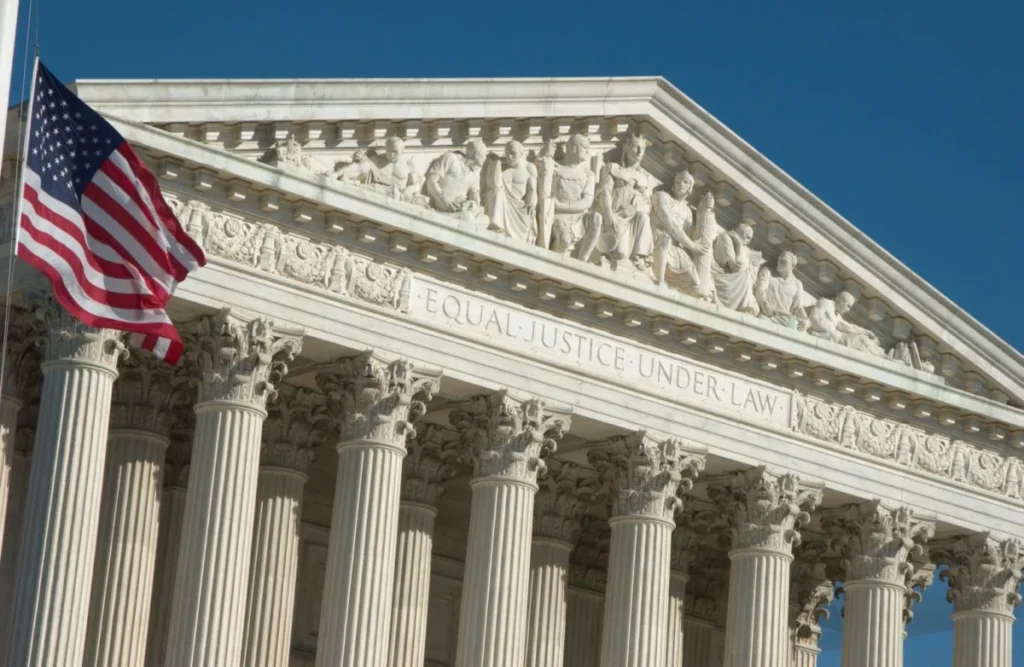
The U.S. Supreme Court has declined to hear an appeal from the Council for Responsible Nutrition (CRN) challenging a New York State law that restricts the sale of certain dietary supplements to individuals under the age of 18. This decision by the nation’s highest court leaves in place a lower court’s ruling that denied CRN’s request for a preliminary injunction against the legislation. The law, enacted with the stated intent of protecting minors from potential harm, specifically targets supplements categorized as "muscle-building" or "weight-loss" products, as well as those containing ingredients like creatine. The legislative rationale behind these restrictions is rooted in the concern that such supplements may exacerbate or contribute to the development of eating disorders among young people.
CRN’s challenge to the New York law hinged on several key arguments. The industry group contended that the law was improperly based on marketing claims associated with these supplements rather than on any inherent dangers posed by the products themselves or their constituent ingredients. Furthermore, CRN disputed the scientific foundation upon which the New York legislation was built, questioning the evidence linking these specific supplements to negative health outcomes in minors.
The Scientific Basis of the New York Law
The scientific underpinnings of the New York law are largely attributed to research conducted by the Strategic Training Initiative for the Prevention of Eating Disorders (STRIPED), a research initiative housed at Harvard University’s T.H. Chan School of Public Health. This initiative is spearheaded by Dr. Bryn Austin, a researcher who has been a vocal proponent of stricter regulations on certain dietary supplements, particularly for young consumers.
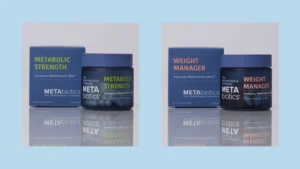
Dr. Austin’s research, and the subsequent legislative action in New York, posits that these targeted supplements are inherently dangerous. In a 2022 communication with the SupplySide Supplement Journal, Austin stated, "These products have been found again and again to contain a toxic brew of undisclosed ingredients linked to heart palpitations, cardiac arrest, stroke and even liver damage so extensive as to require organ transplant or resulting in death." This strong assertion paints a picture of supplements as a significant public health risk, especially for vulnerable populations like adolescents.
However, this perspective has faced considerable criticism from within the supplement industry and from some scientific quarters. Critics accuse Dr. Austin and her research group of selectively presenting data to support their conclusions, a practice often referred to as cherry-picking. While acknowledging that isolated adverse events linked to specific supplements or ingredients can occur, these critics argue that such instances are statistically rare when viewed against the backdrop of billions of supplement servings consumed over decades. From this viewpoint, the overwhelming body of evidence suggests that dietary supplements, as a product category, represent a remarkably safe option for consumers.
The Council for Responsible Nutrition has consistently voiced its opposition to what it describes as unsubstantiated claims made by Dr. Austin and her associates. CRN maintains that the assertions of harm are not supported by robust, high-quality scientific evidence.
Independent Reviews and Industry Response
Reinforcing CRN’s position, independent scientific reviews have also cast doubt on the direct causal link between dietary supplements and eating disorders. In a 2023 review published in the peer-reviewed journal Nutrients, researcher Dr. Susan Hewlings concluded, "The evidence to date does not support a causative role for dietary supplements in eating disorders." This finding directly challenges the core premise of the New York law and similar regulatory efforts.
The Supreme Court’s decision to deny CRN’s petition for review means that the legal battles over the New York law will not be heard at the federal level, at least for now. This outcome has been met with disappointment by industry stakeholders.
Steve Mister, president and CEO of CRN, expressed his organization’s dismay. "We are disappointed that the Supreme Court will not take this opportunity to review the serious concerns raised by New York’s law," Mister stated. He emphasized that the Court’s refusal to hear the case should not be interpreted as an endorsement of the law’s merits or the arguments against it. "The Court’s decision not to hear the case is not a ruling on the merits of our arguments, and it does not change our view that public-health policy should be grounded in evidence rather than assumptions about lawful products," Mister added.
Mister further indicated that CRN remains committed to advocating for what it considers sensible regulations. "The Supreme Court’s decision closes one legal avenue, but it does not resolve the underlying policy concerns. CRN will continue working with lawmakers, regulators and other stakeholders to promote responsible, evidence-based policies that protect consumers without unnecessarily restricting access to lawful dietary supplements," he concluded.
Broader Implications and Future Landscape
The Supreme Court’s decision has significant implications for the dietary supplement industry and the regulatory landscape at the state level. It signals a potential emboldening of state-level efforts to regulate supplements based on perceived risks, even in the absence of broad federal consensus or definitive scientific proof of widespread harm directly attributable to the products themselves.
This ruling may encourage other states to consider or enact similar legislation targeting supplements for minors. The industry faces the prospect of a fragmented regulatory environment, where different states may impose varying restrictions, creating compliance challenges for businesses operating nationwide.
The ongoing debate highlights a fundamental tension between protecting public health, particularly that of vulnerable populations, and ensuring consumer access to lawful products. The industry argues for a science-based approach that focuses on substantiated risks, while proponents of regulation emphasize a precautionary principle, especially when dealing with youth.
The legal challenge by CRN sought to establish that singling out specific supplement categories based on marketing or broad assumptions about ingredient use, rather than on direct evidence of harm from those specific products in the target demographic, constitutes an overreach. Their argument was that the law was not narrowly tailored to address a demonstrable problem. The lower courts, and now implicitly the Supreme Court by refusing to hear the appeal, have not found sufficient grounds to overturn the New York law based on CRN’s arguments.
The scientific evidence surrounding the efficacy and safety of supplements, particularly in the context of adolescent development and potential links to eating disorders, remains a complex and evolving area of research. While some studies, like those from STRIPED, raise concerns, others, including industry-funded research and independent reviews, often present a different picture. This divergence in scientific interpretation is a key factor in the ongoing regulatory and legal disputes.
For consumers, the implications are also noteworthy. The New York law, now in effect and upheld by the Supreme Court’s inaction, means that minors in that state will face restrictions in purchasing certain types of supplements. This could lead to increased scrutiny by retailers and potentially a reduction in the availability of these products for young individuals, regardless of their intended use or their parents’ consent.
The industry’s next steps will likely involve continued advocacy and engagement with policymakers at both state and federal levels. CRN’s stated commitment to promoting "responsible, evidence-based policies" suggests a continued effort to educate lawmakers and the public on the safety and benefits of dietary supplements when used appropriately.
Looking ahead, the legal avenues for challenging such state-specific regulations may become more limited following this Supreme Court decision. However, the broader debate over the regulation of dietary supplements, the interpretation of scientific evidence, and the protection of minors is far from over. Future challenges may focus on different legal grounds or target different aspects of the regulatory framework, but the fundamental questions about evidence, risk, and access will continue to be central to the discourse. The New York law, by surviving this legal challenge, sets a precedent that other states may consider following, further shaping the future of supplement accessibility for young consumers across the United States.