



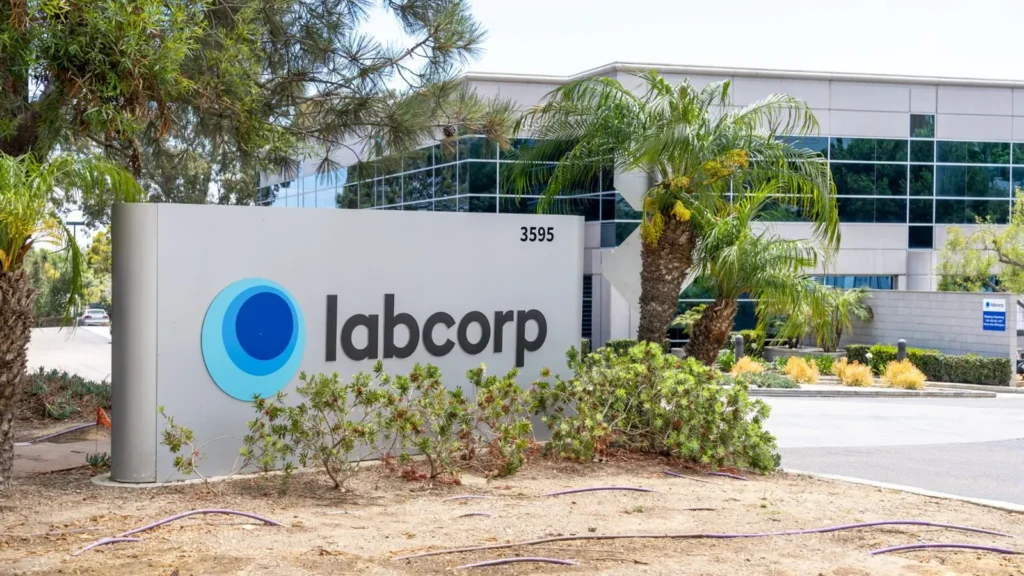
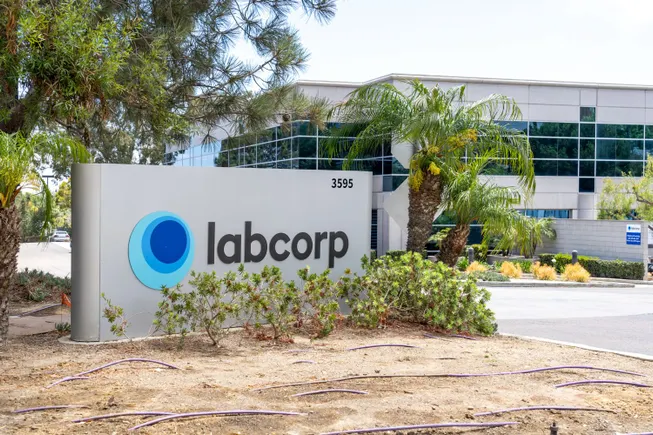
In a move that underscores a rapid and aggressive consolidation strategy, Laboratory Corporation of America Holdings, commonly known as Labcorp, has announced its intent to acquire Millennium Health, a leading specialty laboratory focused on toxicology and drug surveillance. This acquisition represents the third multi-million-dollar transaction initiated by the diagnostic giant in a span of just eight days, signaling a significant shift in the competitive landscape of the clinical laboratory industry.
The proposed acquisition of Millennium Health is designed to bolster Labcorp’s specialized testing capabilities, particularly in the areas of mental health, chronic pain management, and substance use disorders. While the financial terms of the Millennium Health deal were not immediately disclosed, the transaction follows a string of high-profile acquisitions that collectively represent nearly $1 billion in capital deployment, excluding the undisclosed price of this latest venture.
The Strategic Importance of Millennium Health
Millennium Health, based in San Diego, California, has carved out a specialized niche in the clinical laboratory market by providing advanced toxicology services. Their primary focus is on monitoring the use of prescription medications, over-the-counter drugs, and illicit substances through sophisticated testing of urine and oral fluids.
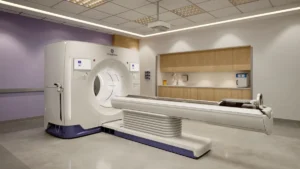
The cornerstone of Millennium’s service offering is its use of liquid chromatography-tandem mass spectrometry (LC-MS/MS). This technology provides a high degree of sensitivity and specificity, allowing clinicians to distinguish between chemically similar substances and identify the presence of specific metabolites. Such precision is critical for physicians managing patients with chronic pain or those undergoing treatment for substance use disorders, as it helps ensure medication adherence and identifies potential drug-drug interactions that could lead to adverse clinical outcomes.
Beyond individual patient testing, Millennium Health has gained national recognition for its "Millennium Health Signals Report." This initiative leverages the company’s massive database of de-identified test results to provide real-time surveillance of drug use trends across the United States. These data sets are frequently used by public health officials and law enforcement to identify emerging threats, such as the rise of illicit fentanyl or xylazine, making the laboratory a pivotal player in the national response to the opioid epidemic.
A Flurry of Deal-Making: Eight Days of Expansion
The announcement of the Millennium Health acquisition is the culmination of an extraordinary week for Labcorp’s business development team. The sequence of deals began on October 15, when Labcorp reached an agreement to acquire the laboratory testing assets of BioReference Health, a subsidiary of Opko Health, for $722 million. That deal specifically targeted BioReference’s clinical diagnostics, reproductive health, and women’s health businesses outside of New York and New Jersey.
Just days later, on October 18, Labcorp announced another major move: a $210 million agreement to purchase Myriad Genetics’ prenatal health testing unit. This acquisition includes the Foresight carrier screen and the Prequel non-invasive prenatal screen (NIPS), further solidifying Labcorp’s dominance in the rapidly growing field of genomic and reproductive medicine.
By adding Millennium Health to this list, Labcorp is demonstrating a multi-pronged growth strategy. While the BioReference deal was largely about geographic footprint and volume, and the Myriad deal was about advanced genetic intellectual property, the Millennium Health acquisition is a targeted play for leadership in the toxicology and behavioral health sectors.
Integration and Synergy: The Labcorp Vision
Following the close of the transaction, Labcorp intends to integrate Millennium Health’s specialized tests into its massive existing infrastructure. Andrea Throop, Labcorp’s head of toxicology, emphasized that the merger is intended to provide Millennium’s current customers with access to Labcorp’s much broader menu of clinical tests and its extensive network of patient service centers.
"By combining Labcorp’s national scale, scientific leadership and digital capabilities with Millennium Health’s specialized toxicology testing capabilities and unique drug surveillance tools, we have an opportunity to make a greater impact on people living with chronic pain, mental health conditions and substance use disorders," Throop said in a statement.
For Millennium Health, the deal offers an exit strategy and a path toward greater stability. The company has navigated a complex history, including a significant financial restructuring in 2015 following a $256 million settlement with the Department of Justice over allegations of unnecessary testing and kickbacks. Since then, the company has worked to rebuild its reputation as a leader in clinical excellence and public health surveillance.
Market Context: Why Consolidation is Accelerating
The diagnostic laboratory industry is currently navigating a period of intense volatility and structural change. Several factors are driving the trend toward consolidation, with Labcorp and its primary rival, Quest Diagnostics, leading the charge.
Reimbursement Pressures and PAMA
The Protecting Access to Medicare Act (PAMA) has placed significant downward pressure on reimbursement rates for clinical laboratory tests. By implementing a market-based payment system, PAMA has led to year-over-year cuts for common diagnostic procedures. Large-scale laboratories like Labcorp are better equipped to absorb these cuts due to their economies of scale, whereas smaller, independent specialty labs often find it difficult to maintain margins.
The Post-Pandemic Landscape
During the COVID-19 pandemic, many laboratories saw record profits driven by high-volume PCR testing. However, as the public health emergency subsided, that revenue stream vanished. Many companies are now using the cash reserves built up during the pandemic to acquire smaller competitors that are struggling to return to pre-pandemic profitability levels.
Hospital Outsourcing
Hospitals are increasingly looking to outsource their laboratory operations to dedicated diagnostic companies. Managing a high-complexity lab is capital-intensive and requires specialized labor. Labcorp has been particularly successful in forging partnerships with health systems, often acquiring their laboratory assets and then providing services back to the hospital under long-term contracts.
Technological Advancements in Toxicology
The acquisition of Millennium Health brings Labcorp advanced capabilities in oral fluid testing, a modality that is gaining popularity over traditional urine-based testing. Oral fluid collection is non-invasive and can be performed under direct observation without the privacy concerns associated with urine collection. This virtually eliminates the possibility of specimen tampering or "substitution," which is a persistent challenge in addiction medicine.
Furthermore, the integration of Millennium’s drug surveillance tools fits into the broader trend of "Big Data" in healthcare. By analyzing regional spikes in specific drug metabolites, Labcorp can provide predictive analytics to healthcare providers and government agencies. This shift from reactive testing to proactive surveillance represents a significant value-add for Labcorp’s health system partners.

Impact on Patients and Providers
For healthcare providers, the consolidation of these services under the Labcorp umbrella offers the promise of a more streamlined workflow. A physician treating a patient for chronic pain can now potentially order routine blood work, genetic screening, and specialized toxicology through a single interface, with results integrated into a unified electronic health record (EHR).
However, some industry observers express concern over the reduction of competition. As large players like Labcorp acquire specialized boutiques, there are questions regarding whether the high level of personalized service and niche expertise found in smaller labs can be maintained within a massive corporate structure. Labcorp has countered these concerns by emphasizing its commitment to maintaining scientific leadership and investing in the specific expertise of the teams it acquires.
Financial Outlook and Investor Sentiment
Wall Street has generally viewed Labcorp’s aggressive M&A activity favorably. The company recently completed the spin-off of its clinical research business, now known as Fortrea, which allowed Labcorp to refocus its resources entirely on its core laboratory operations. This "pure-play" laboratory strategy is intended to drive higher margins and more consistent growth.
The string of three acquisitions in eight days suggests that Labcorp’s leadership, headed by CEO Adam Schechter, sees a unique window of opportunity to capture market share. With a strong balance sheet and a clear focus on high-growth areas like toxicology and genomics, Labcorp is positioning itself to be the indispensable partner for the U.S. healthcare system.
Conclusion and Next Steps
The acquisition of Millennium Health is subject to customary closing conditions, including regulatory approvals under the Hart-Scott-Rodino Antitrust Improvements Act. Given the specialized nature of Millennium’s work, the deal is expected to face standard scrutiny but is likely to proceed given the fragmented nature of the toxicology market.
As Labcorp integrates these three major acquisitions—BioReference assets, Myriad’s prenatal unit, and Millennium Health—the company will face the significant task of harmonizing different corporate cultures, IT systems, and billing platforms. If successful, this eight-day acquisition spree will be remembered as a defining moment in the company’s history, cementing its role as the dominant force in American diagnostic medicine for the next decade.
For the broader industry, the message is clear: the era of the independent specialty lab is rapidly giving way to a landscape defined by massive, integrated diagnostic networks capable of providing everything from routine wellness checks to the most advanced toxicological and genetic analyses.