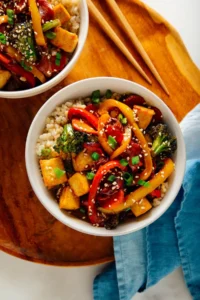









A new recipe for sizzling fajita vegetables, meticulously developed by renowned culinary expert Kathryne Taylor, promises to revolutionize home-cooked Tex-Mex meals, offering a perfect balance of caramelized edges and tender-crisp texture. Inspired by traditional Tex-Mex fajitas and the popular vegetable medley served at fast-casual chains like Chipotle, this innovative dish is designed to elevate dinner tables with vibrant colors and bold flavors, all achievable in 20 minutes or less. The recipe, recently unveiled, is poised to become a staple for health-conscious individuals and culinary enthusiasts alike, particularly those seeking versatile and delicious plant-based options.
The Genesis of a Culinary Quest: Achieving Textural Perfection

The development of this particular fajita vegetable recipe was an iterative process, marked by a dedicated pursuit of textural excellence. According to Ms. Taylor, the primary challenge lay in achieving a specific mouthfeel: vegetables that were caramelized and slightly charred on the edges, cooked until mostly tender, yet retaining a discernible firmness far from mushy. This seemingly simple goal required numerous trials, adjusting cooking temperatures, timings, and techniques to consistently deliver the desired result. Traditional methods often yield either undercooked, raw-tasting vegetables or overcooked, limp ones, failing to capture the dynamic contrast that defines truly exceptional fajitas.
The breakthrough came through a refined cooking methodology that leverages a combination of steaming and sautéing with minimal oil. This approach, which Ms. Taylor describes as "simple and foolproof," addresses the common pitfalls of home fajita preparation. The strategic use of a lid during cooking plays a pivotal role, creating a micro-environment that simultaneously steams the vegetables to tenderness while allowing direct contact with the hot pan to develop deep caramelization. This innovative technique ensures an even cook, preventing the burning of oil that can lead to acrid flavors and, indeed, set off smoke alarms. The recipe’s journey from concept to perfected execution underscores a commitment to culinary precision and accessibility, empowering home cooks to replicate restaurant-quality results with ease.
Deconstructing the Method: A Scientific Approach to Sizzling Success

The efficacy of this fajita vegetable recipe stems from several carefully considered culinary principles, ranging from ingredient selection to cooking mechanics.
-
Optimal Ingredient Selection for Flavor and Nutrition: The recipe specifically advocates for the use of red, orange, or yellow bell peppers over their green counterparts. While green bell peppers are commonly seen in commercial preparations, the sweeter, fruitier notes of colored peppers contribute significantly to the dish’s overall flavor profile, enhancing the inherent sweetness that develops during caramelization. Nutritionally, bell peppers are rich in Vitamin C, Vitamin A, and various antioxidants, with colored varieties often boasting higher concentrations of certain carotenoids. The inclusion of red onion further contributes a sharp, pungent flavor that mellows and sweetens considerably upon cooking, adding another layer of complexity to the dish. The precise slicing of these vegetables into thin strips is crucial for uniform cooking and maximum surface area for caramelization.
-
The Power of the Skillet: Heat Dynamics and Presentation: The choice of cookware is a critical, yet often overlooked, element. A medium-sized skillet, approximately 10 inches in diameter, is recommended to ensure optimal distribution of vegetables without overcrowding, which can lead to steaming rather than searing. While cast iron skillets offer traditional Tex-Mex presentation and superior heat retention, Ms. Taylor validates the effectiveness of stainless steel, highlighting its practicality for everyday use. The ability of the pan to maintain consistent heat is paramount for achieving the Maillard reaction, the chemical process responsible for the browning and complex flavor development in the vegetables.

-
Controlled Environment Cooking: Mastering Steam and Sauté: The core innovation lies in the "minimal oil, steam and sauté" technique. By adding a small amount of water or broth to the pan and covering it with a lid, the vegetables are partially steamed. This initial steaming softens the vegetables from within, accelerating the cooking process and ensuring they become tender without excessive oil. Crucially, this step prepares the vegetables for the subsequent searing phase. Once the lid is removed and the liquid evaporates, the direct heat from the pan can then induce caramelization on the edges. This dual-action approach prevents the vegetables from becoming dry or overly oily, achieving the desired tender-crisp texture. Furthermore, by minimizing direct high-heat cooking with abundant oil, the risk of oil burning and setting off smoke alarms is significantly reduced, a common household concern.
-
Strategic Stirring for Enhanced Caramelization: A counter-intuitive but essential tip is to avoid frequent stirring. Allowing the vegetables to rest against the hot pan for several minutes at a time creates the necessary contact time for the Maillard reaction to occur, leading to the coveted caramelized edges. Continuous stirring disrupts this process, resulting in less browning and a more uniformly steamed texture. This deliberate pause in stirring is a testament to the recipe’s understanding of heat transfer and chemical reactions in cooking.
-
The Finishing Touch: Acidity and Seasoning: The final squeeze of fresh lime juice is not merely an optional garnish; it is a critical component for flavor balance. The acidity of the lime cuts through the inherent sweetness of the caramelized vegetables, providing a bright, zesty counterpoint that elevates the entire dish. From a culinary science perspective, acidity enhances the perception of other flavors and can make a dish taste "fresher." A final pinch of salt, adjusted to taste, further amplifies these flavors, demonstrating the principle that proper seasoning is crucial for a harmonious culinary experience.

Nutritional Profile and Dietary Adaptability: A Health-Conscious Choice
Beyond its exquisite taste and texture, the fajita vegetable recipe stands out for its robust nutritional profile and broad dietary compatibility. Bell peppers and onions are nutrient powerhouses, offering significant amounts of dietary fiber, essential vitamins (C, A, B6, folate), and minerals (potassium). The cooking method, utilizing minimal oil, further enhances its health credentials by reducing caloric intake compared to heavily oiled sautéed dishes.
The recipe is remarkably adaptable to various dietary needs and preferences, a crucial factor in contemporary food trends. It is naturally:

- Vegan: Entirely plant-based, suitable for those avoiding animal products.
- Gluten-Free: Contains no wheat or gluten-containing ingredients.
- Dairy-Free: Free from milk and dairy derivatives.
- Nut-Free: Safe for individuals with nut allergies.
- Soy-Free: Does not include soy products.
- Egg-Free: Devoid of eggs, making it suitable for those with egg sensitivities.
These attributes position the fajita vegetables as an ideal component for a wide array of meal plans, from those focused on plant-based eating to individuals managing specific allergies or dietary restrictions. The emphasis on fresh vegetables aligns with public health recommendations to increase daily vegetable intake, offering a delicious and accessible pathway to healthier eating habits. Its estimated nutritional information, while subject to variation based on preparation, indicates a low-calorie, nutrient-dense option that can significantly contribute to a balanced diet.
Expert Endorsement and Anticipated Public Reception
The release of this meticulously crafted fajita vegetable recipe is anticipated to garner significant positive attention within the culinary community and among home cooks. Food critics and recipe developers often praise dishes that combine simplicity with profound flavor and texture, a hallmark of Ms. Taylor’s creation. Culinary experts are expected to commend the recipe’s ingenious method for achieving optimal vegetable texture, a common challenge in home kitchens.

Kathryne Taylor, the recipe’s developer, expressed satisfaction with the final iteration, stating, "After numerous attempts to perfect the balance of char and tenderness, I am thrilled to share this method. My goal was to empower home cooks to create restaurant-quality fajita vegetables effortlessly, bringing vibrant flavor and healthy versatility to their tables without compromise." This sentiment resonates deeply with a growing demographic of consumers who prioritize both convenience and quality in their meal preparation. The recipe’s straightforward instructions and accessible ingredients are expected to foster widespread adoption, establishing it as a go-to for quick, healthy, and flavorful meals. Social media platforms and food blogs are likely to buzz with positive reviews as home cooks discover the ease and deliciousness of these "Chipotle-inspired" vegetables.
Versatility: Beyond the Burrito Bowl – Broader Culinary and Market Implications
One of the most compelling aspects of this fajita vegetable recipe is its exceptional versatility. While perfectly suited as a vibrant side dish for traditional Tex-Mex meals, its adaptability extends far beyond, making it a valuable component in a multitude of culinary applications.

-
Tacos, Burritos, and Burrito Bowls: The primary serving suggestion highlights its natural fit within the Tex-Mex framework. Paired with classic accompaniments such as black beans or pinto beans, cilantro-lime rice, fresh corn salsa, creamy guacamole, tangy salsa verde, cooling sour cream, or shredded cheese, these fajita vegetables can form the core of a satisfying and customizable meal. They can serve as the main protein substitute in vegetarian and vegan tacos or burrito bowls, or complement grilled meats for a more comprehensive fajita experience. The blend of sweet, savory, and zesty notes from the vegetables, combined with the diverse textures of other fillings, creates a harmonious and fulfilling dish.
-
Elevated Salad Bowls: The warm fajita vegetables transform a simple salad into a hearty and flavorful meal. Incorporating them into a base of crisp romaine lettuce or mixed greens, drizzled with a homemade cilantro-lime dressing, and topped with cheese and crumbled tortilla chips, creates a dynamic salad bowl that is both refreshing and substantial. This approach caters to the demand for wholesome, customizable lunch or dinner options that are far from mundane.
-
Innovative Breakfast Options: The appeal of these fajita vegetables extends even to the morning meal. Leftovers reheat exceptionally well and can be ingeniously integrated into breakfast dishes. Paired with fluffy scrambled eggs or perfectly fried eggs, a sprinkle of cheese, a dollop of sour cream, and a crunch of crumbled tortilla chips, they offer a savory and satisfying start to the day. This unexpected application showcases the recipe’s true adaptability, reducing food waste and inspiring creative meal planning.

The broader implications of this recipe are significant. It taps into several prevailing culinary trends: the surge in plant-based eating, the demand for quick and easy weeknight meals, and the enduring popularity of "copycat" recipes from beloved fast-casual establishments. By providing a foolproof method for a universally loved vegetable preparation, it contributes to making healthy eating more accessible and enjoyable for a wider audience. Furthermore, its alignment with categories like "fall" and "summer" ingredients suggests a connection to seasonal eating, promoting the use of fresh produce when it is at its peak. The simplicity of its ingredients and method lowers the barrier to entry for novice cooks, while its refined technique satisfies seasoned chefs. This recipe is not just about cooking vegetables; it’s about fostering culinary confidence and enriching the daily dining experience, reaffirming the enduring appeal of well-executed, flavorful food.
The recipe, with its meticulous development and versatile applications, is poised to become an indispensable resource for home cooks seeking to inject flavor, nutrition, and ease into their daily meals. Its commitment to quality ingredients, precise technique, and broad dietary appeal positions it as a significant contribution to contemporary home cooking.