


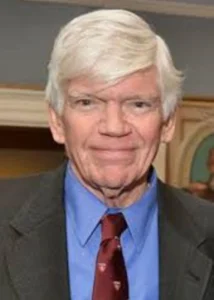





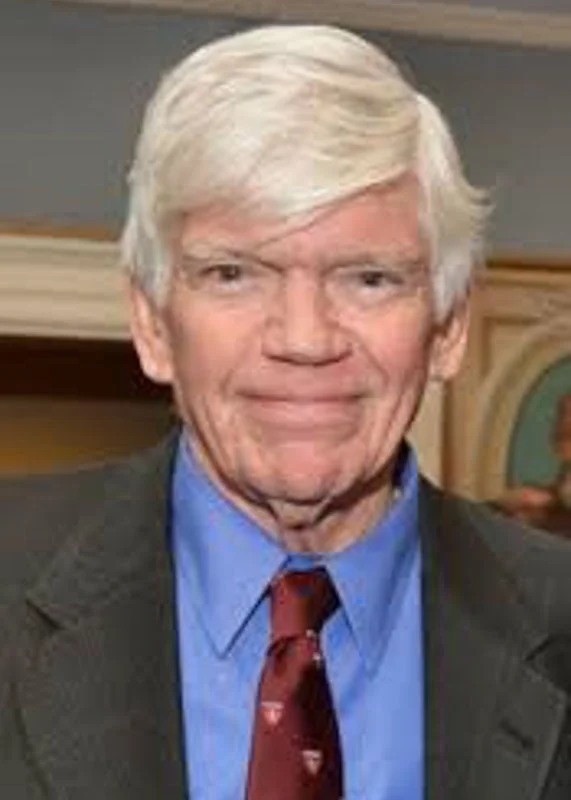
The global medical community is mourning the loss of John T. Potts Jr., MD, DSc, a towering figure in the fields of endocrinology and academic medicine, who passed away on August 12, 2026, at the age of 94. Dr. Potts, the Jackson Professor of Clinical Medicine Emeritus at Harvard Medical School and former Physician-in-Chief at Massachusetts General Hospital (MGH), was a visionary whose work fundamentally transformed the understanding of bone and mineral metabolism. Over a career spanning more than six decades, he transitioned seamlessly from the laboratory bench to the patient’s bedside, establishing the scientific foundation for modern treatments for osteoporosis and hyperparathyroidism. His leadership not only expanded the physical and intellectual footprint of Massachusetts General Hospital but also served as a blueprint for the "distributed governance" model that defines many of today’s leading research institutions.
Early Life and the Formative Years of a Physician-Scientist
John T. Potts Jr. was born into a family of florists in Moorestown, New Jersey. While his upbringing was rooted in the practicalities of a family business, his mother harbored aspirations for him to enter the medical profession. Despite a self-confessed lack of early "sharply focused ambition," Potts excelled academically. He attended La Salle College, where he initially found a deep resonance with English literature, a passion that would later contribute to his renowned ability to communicate complex scientific ideas with clarity and grace.
His trajectory toward medicine was solidified during his time at the University of Pennsylvania School of Medicine. It was during his clinical rotations that a single patient encounter changed the course of his life. Caring for an individual with hyperparathyroidism, Potts became fascinated by the intricate mechanisms of the disease. This intellectual curiosity led him to the prestigious Alpha Omega Alpha honor society and eventually to an internship and residency at Massachusetts General Hospital in 1957. At MGH, he was immersed in the tradition of Fuller Albright, the "father of American endocrinology," who championed the practice of using rigorous patient observation to deduce underlying physiological truths.

The NIH Years: Unlocking the Mysteries of Parathyroid Hormone
Seeking to formalize his scientific training, Potts moved to the National Institutes of Health (NIH) following his residency. He joined the laboratory of Christian Anfinsen, a future Nobel laureate, where he mastered the burgeoning field of protein chemistry. This period was critical in shaping his approach to discovery; Potts sought to apply the precision of chemistry to the "humble" parathyroid hormone (PTH), a molecule whose name simply reflected its anatomical position adjacent to the thyroid gland.
Collaborating with Gerald Aurbach, Potts embarked on the monumental task of purifying and characterizing PTH. Together, they successfully determined the primary amino acid sequence of the hormone, a feat that provided the first structural map of how the body regulates calcium. In a landmark partnership with Rosalyn Yalow and Solomon Berson—who would later receive the Nobel Prize for the development of the radioimmunoassay (RIA)—Potts and Aurbach created the first RIA for PTH. This diagnostic breakthrough allowed clinicians for the first time to measure hormone levels in the blood, proving that parathyroid secretion was directly regulated by serum calcium levels. This work established PTH as the primary mediator of calcium homeostasis, a discovery that remains the cornerstone of endocrine physiology.
Leadership and the "Distributed Governance" Model at MGH
In 1968, Dr. Potts returned to MGH as the Chief of the Endocrine Unit. His tenure was marked by an extraordinary ability to anticipate the "next big thing" in science. As molecular biology and recombinant DNA technology began to emerge, Potts did not merely observe from the sidelines; he proactively sent his protégés to the leading basic-science laboratories at Harvard and MIT to acquire these new skills. This strategic move ensured that MGH remained at the vanguard of the genomic revolution, eventually leading to the cloning of PTH and the identification of the PTH/PTHrP receptor.
By 1981, Potts was appointed Chair of the Department of Medicine and Physician-in-Chief at MGH. During his 15-year leadership, he oversaw a period of unprecedented institutional growth. He was the driving force behind the development of "MGH East" in Charlestown, a massive expansion that provided the necessary space for the growth of the MGH Cancer Center and the Cardiovascular Research Institute.
Potts was famous for a leadership style he termed "distributed governance." Rather than centralizing authority, he recruited high-caliber individuals and provided them with the autonomy and resources to build their own programs. He famously remarked, "If you celebrate young people around you, they feel like they can grow." This philosophy fostered a culture of mutual respect and collective excellence, shielding the institution from the internal rivalries that often plague large academic centers.
Chronology of a Distinguished Career
- 1957: Graduated from the University of Pennsylvania School of Medicine.
- 1957–1960: Internship and Residency at Massachusetts General Hospital.
- 1960–1968: Research at the National Institutes of Health; purified and sequenced PTH.
- 1968: Appointed Chief of the Endocrine Unit at MGH.
- 1981–1996: Served as Chair of the Department of Medicine and Physician-in-Chief at MGH.
- 1987–1988: Served as President of the Endocrine Society.
- 1996–2004: Served as Director of Research at MGH.
- 2013: Awarded the George M. Kober Medal by the Association of American Physicians.
- 2026: Passed away at the age of 94.
A Champion for Diversity and Mentorship
Long before diversity, equity, and inclusion became standard institutional mandates, Dr. Potts was a vocal advocate for underrepresented groups in medicine. He established a Minority Recruitment Committee within the MGH Department of Medicine and was a staunch supporter of the Biomedical Science Careers Program. His commitment to the next generation of physicians was further codified through his creation of the MGH Society of Research Fellows, a program designed to help young scientists navigate the precarious early years of their academic careers.
His approach to mentorship was deeply personal. Colleagues recall his "uncanny ability" to remember not just the scientific data of his trainees, but the names of their children and the details of their personal struggles. During times of illness or personal crisis, Potts was known to call colleagues every evening for months on end to offer support. He viewed the role of a mentor not as an imposer of will, but as a listener who helped others realize their own ambitions.
Scientific Legacy and Clinical Impact
The implications of Dr. Potts’ research extend into the daily lives of millions of patients. By defining the physiology of PTH, he enabled the formulation of global consensus guidelines for the management of hyperparathyroidism. Perhaps most significantly, his mechanistic studies laid the groundwork for the use of PTH as an anabolic (bone-building) treatment for severe osteoporosis. Unlike previous treatments that merely slowed bone loss, the therapies derived from Potts’ work allowed for the actual restoration of bone density, preventing countless fractures in the elderly.
His accolades were numerous and reflected his status as a titan of science. He was an elected member of the National Academy of Sciences, the National Academy of Medicine, and the American Academy of Arts and Sciences. Within the Endocrine Society, he received the Ernst Oppenheimer Award and the Fred Conrad Koch Award, the organization’s highest honor.
Professional Reflections and Institutional Impact
Following the announcement of his passing, tributes have poured in from the leaders of the medical world. J. Larry Jameson, MD, PhD, President of the University of Pennsylvania, and other past presidents of the Endocrine Society, characterized Potts as an "institutional steward" who preserved the unity of clinical and basic science during a period when the two disciplines were drifting apart.
"John Potts was the rare leader who was equally comfortable discussing the intricacies of amino acid sequencing and the strategic expansion of a multi-billion-dollar hospital system," noted a joint statement from his colleagues at Harvard. "His legacy is not just in the papers he published, but in the people he empowered."
The clinical impact of his work on hypercalcemia of malignancy and the development of sensitive immunoradiometric assays transformed diagnostic medicine, reducing the need for invasive procedures and allowing for earlier, more accurate interventions.
Personal Life and Enduring Spirit
Beyond the laboratory, John Potts was a man of diverse interests and deep personal connections. He and his wife, Susanne, were fixtures of the Boston cultural scene, sharing a love for music, art, and philosophy. Their home in Newton became a sanctuary for generations of trainees, where the rigors of medicine were balanced by hospitality and intellectual discourse.
Dr. Potts is survived by his wife, Susanne, and their three children—John, Martha, and Stephan—along with several grandchildren. His passing marks the end of an era for Massachusetts General Hospital, yet his influence remains embedded in the institution’s DNA. Through the John T. Potts Jr., MD, Faculty Mentoring Award and the many leaders he trained, his philosophy of "celebrating others" continues to shape the future of medicine. He proved that at the highest levels of scientific achievement, the most powerful tool is not the microscope or the computer, but the human capacity to listen, support, and lead with humility.