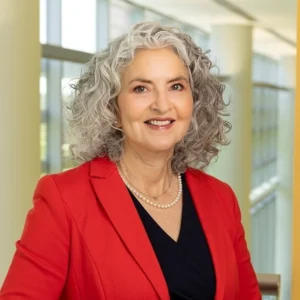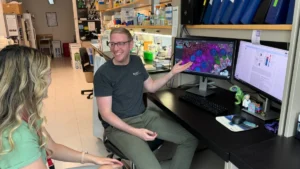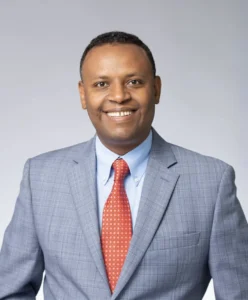









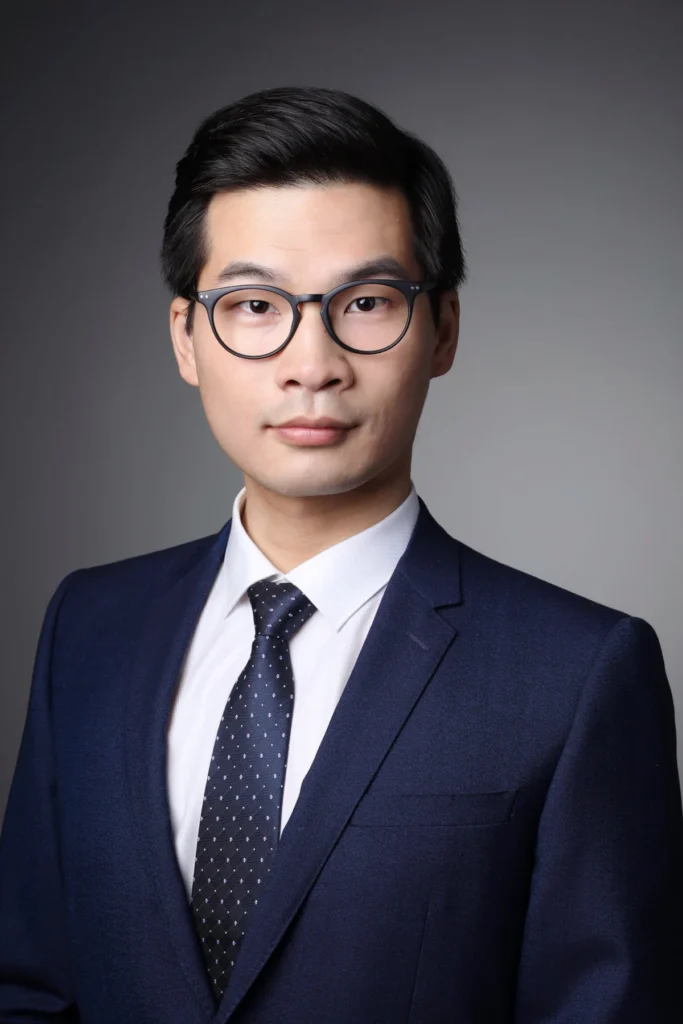
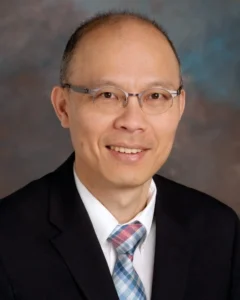
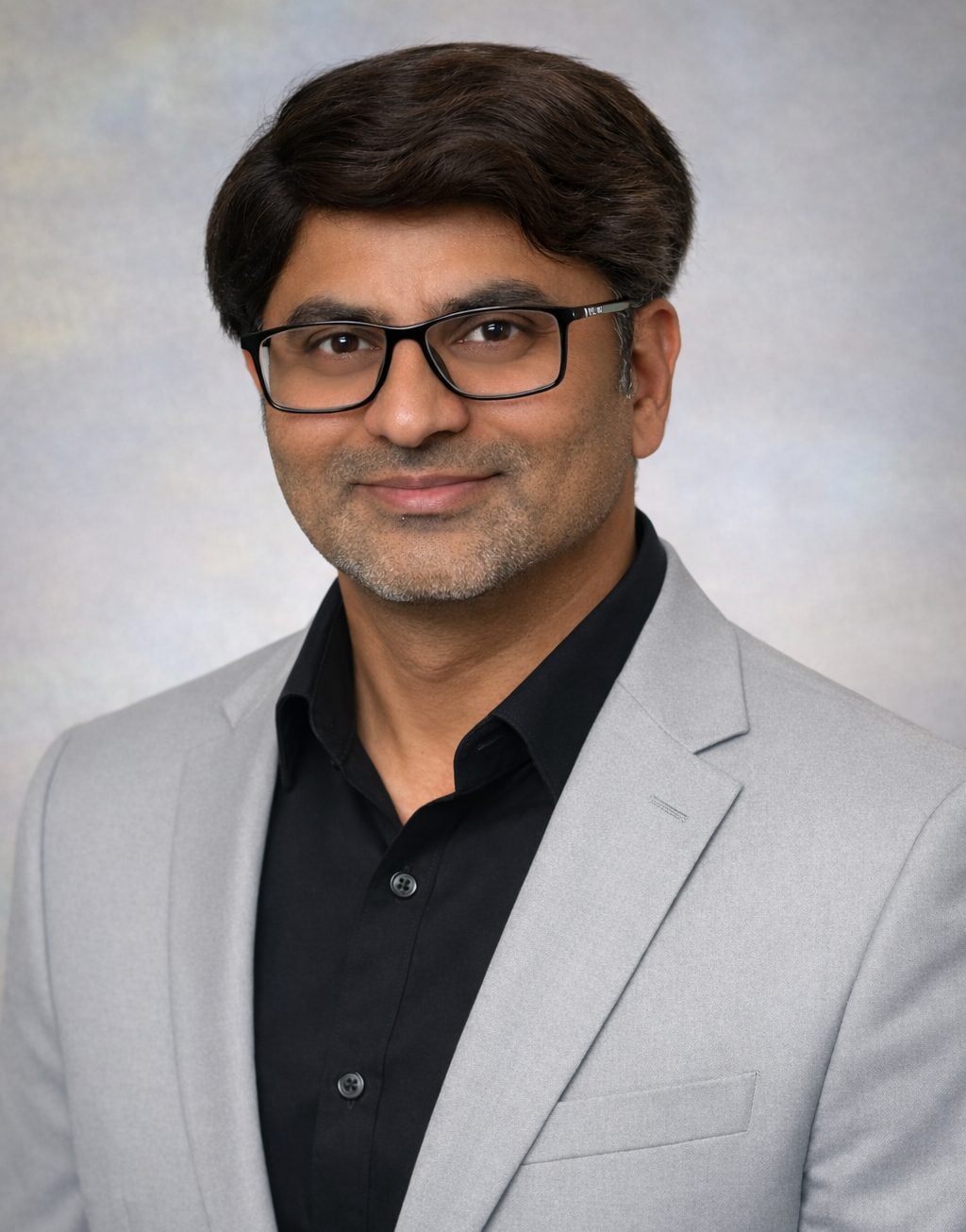
The Endocrine Society, the world’s oldest and largest organization devoted to hormone research and the clinical practice of endocrinology, has officially announced the selection of five distinguished scientists as the recipients of its 2026 Early Investigator Awards. This prestigious recognition is designed to bolster the professional trajectories of scientists in the formative years of their research careers, providing them with the resources and visibility necessary to make long-term contributions to the field of medicine. The 2026 cohort includes Sreekant Avula, Emily Hilz, Parisien-La Salle, Jagriti Upadhyay, and Qilin Zhang, each of whom has demonstrated exceptional promise in advancing the understanding of endocrine-related physiological and pathological processes.
The Early Investigator Awards represent a cornerstone of the Endocrine Society’s commitment to fostering a robust pipeline of talent within the global scientific community. By identifying and supporting researchers who are often in the transition phase between postdoctoral training and independent faculty positions, the Society aims to mitigate the challenges associated with early-career funding and professional development. Each recipient will be granted a $1,500 monetary prize, intended to support their ongoing research endeavors or professional travel. Furthermore, the award package includes complimentary registration for ENDO 2026, the Society’s flagship annual meeting, where the winners will have the exclusive opportunity to present their findings to an international audience of peers, mentors, and industry leaders.
To further integrate these investigators into the professional fabric of the discipline, the Society is providing each winner with a one-year complimentary membership. This membership grants access to a wealth of resources, including high-impact scientific journals such as The Journal of Clinical Endocrinology & Metabolism (JCEM), Endocrinology, and Endocrine Reviews. Additionally, the recipients will benefit from public recognition across various Society platforms, including social media, newsletters, and official press releases, ensuring that their research accomplishments receive the visibility required to attract future collaborations and grant opportunities.
The Strategic Importance of Early-Career Support in Endocrinology
The selection of the 2026 awardees comes at a critical juncture for the medical research community. Data from the National Institutes of Health (NIH) and other major funding bodies have consistently shown that early-career investigators face significant hurdles in securing independent research funding. The average age at which a researcher receives their first R01 grant—the gold standard for independent health research in the United States—has trended upward over the last two decades, often reaching into the mid-40s. This "funding gap" can discourage young scientists from pursuing academic careers, leading to a loss of innovation in critical areas of human health.
By providing the Early Investigator Awards, the Endocrine Society directly addresses this systemic challenge. The awards serve not only as a financial boost but also as a "seal of approval" from a globally recognized authority. For researchers like Avula, Hilz, La Salle, Upadhyay, and Zhang, such an endorsement is often a key differentiator in competitive grant applications and tenure-track evaluations. The Society’s emphasis on "early investigators" typically encompasses those who have completed their terminal degree within the last ten years, a period characterized by high intellectual output but often limited financial stability.
Profiles of Excellence: The 2026 Award Recipients
While the specific research projects of the 2026 winners span the diverse spectrum of endocrinology, their selection reflects the Society’s rigorous standards for scientific merit and potential impact.
Sreekant Avula and Jagriti Upadhyay represent the clinical and translational arm of the cohort, where research often bridges the gap between laboratory benchwork and bedside patient care. In contemporary endocrinology, this involves exploring the molecular mechanisms of common conditions such as Type 2 diabetes, thyroid dysfunction, and metabolic syndrome—disorders that affect hundreds of millions of people worldwide.
Emily Hilz and Qilin Zhang are indicative of the Society’s focus on basic science and neuroendocrinology. Understanding how hormones interact with the central nervous system to regulate behavior, reproduction, and stress responses is vital for developing new therapeutic interventions for mental health and reproductive disorders.
The inclusion of Parisien-La Salle underscores the international and collaborative nature of modern science. As endocrine disorders do not respect national borders, the Society prioritizes a global perspective, ensuring that the next generation of leaders reflects a wide array of institutional backgrounds and geographic insights.
The Roadmap to ENDO 2026
The recognition of these five individuals sets the stage for ENDO 2026, which is anticipated to be one of the most significant gatherings in the field of hormone research. The annual ENDO conference serves as a primary venue for the dissemination of cutting-edge data, featuring thousands of abstract presentations, plenary sessions led by Nobel laureates, and workshops on clinical practice guidelines.
The timeline for the 2026 awardees involves a structured integration into the Society’s activities over the next 18 to 24 months. Following the initial announcement, the recipients will work with Society mentors to prepare their presentations for the 2026 summit. This period of preparation is crucial, as presenting at ENDO provides a platform to influence clinical standards and spark new research inquiries. The $1,500 award serves as an initial catalyst, but the long-term value lies in the networking opportunities provided during the conference, where investigators can interface with representatives from the NIH, the European Society of Endocrinology, and various pharmaceutical research and development divisions.

Economic and Public Health Implications of Endocrine Research
The work supported by the Early Investigator Awards has profound implications for public health and the global economy. Endocrine-related diseases are among the most prevalent and costly health challenges of the 21st century. According to the World Health Organization (WHO), the prevalence of diabetes has risen dramatically over the past few decades, placing an immense burden on healthcare systems. In the United States alone, the economic cost of diagnosed diabetes was estimated at $412.9 billion in 2022.
Furthermore, the rise of obesity and metabolic health complications has led to an increased demand for specialized endocrine care and innovative pharmaceutical solutions. By supporting early-career researchers who study insulin resistance, lipid metabolism, and adipocyte function, the Endocrine Society is investing in the intellectual capital required to curb these epidemics. The research conducted by these awardees could lead to the discovery of new biomarkers for early disease detection or the development of more effective, personalized hormone replacement therapies.
Institutional and Peer Reactions
While the Endocrine Society maintains an objective selection process, the announcement has been met with enthusiasm across the academic landscape. Mentors and department chairs at the recipients’ respective institutions often view these awards as a validation of their own training programs. In statements following similar announcements in previous years, Society leadership has emphasized that the Early Investigator Awards are a "vital investment in the future of medicine."
"The brilliance and dedication of our early-career members are what drive the field of endocrinology forward," a Society spokesperson noted in a general commentary on the awards program. "By providing these five individuals with a platform at ENDO 2026 and the financial support to continue their work, we are ensuring that the momentum of scientific discovery remains uninterrupted."

Peer researchers also highlight the importance of the "public recognition" aspect of the award. In the digital age, having a research profile featured on the Endocrine Society’s global platforms provides a level of search engine optimization (SEO) and professional branding that is difficult for an individual researcher to achieve independently. This visibility is essential for attracting high-quality graduate students and postdoctoral fellows to their future labs.
A Legacy of Innovation
The Endocrine Society, founded in 1916, has a long history of supporting the pioneers of hormone research. From the discovery of insulin and the development of the birth control pill to the identification of the molecular structure of various receptors, the Society’s members have been at the forefront of medical breakthroughs. The Early Investigator Awards are a modern extension of this legacy.
As the 2026 awardees—Avula, Hilz, La Salle, Upadhyay, and Zhang—begin their year of free membership and prepare for their presentations, they join an elite group of alumni who have gone on to lead major medical centers, head government health agencies, and win international scientific prizes. The Society continues to accept applications for various grants and awards annually, maintaining a rigorous peer-review process that ensures only the most impactful research is highlighted.
For the broader scientific community, the announcement serves as a reminder of the ongoing need for institutional support in the face of evolving healthcare challenges. As the 2026 cohort moves toward the ENDO conference, the eyes of the medical world will be on their findings, looking for the next breakthrough that will define the future of endocrine health. Detailed information regarding the application process for future cycles and the specific criteria for the Early Investigator Awards remains available through the Endocrine Society’s official portal, providing a roadmap for the next generation of scientists to follow in the footsteps of this year’s winners.