

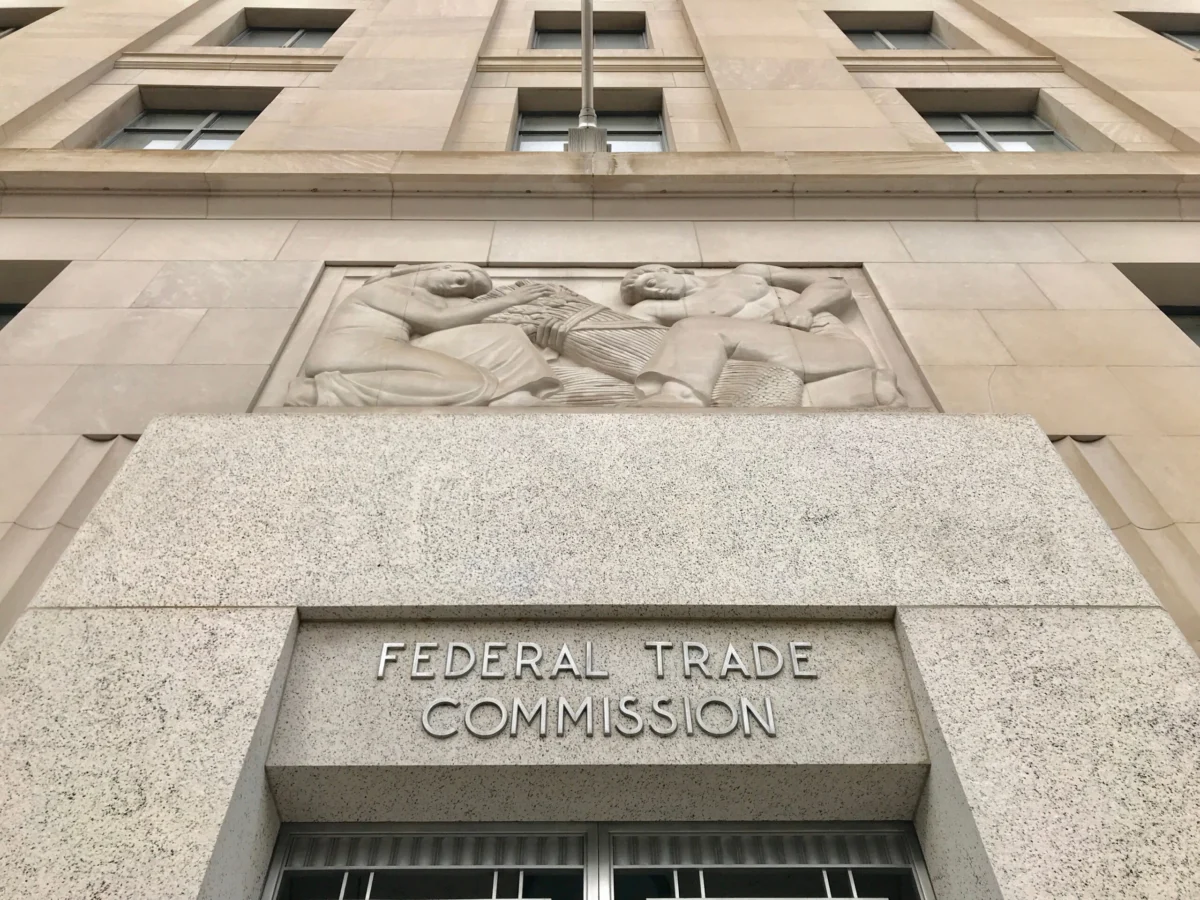
The U.S. Federal Trade Commission (FTC) has imposed a significant $225 million penalty on Amway and two of its affiliated entities, World Wide Group, L.L.C. (WWG) and Leadership Team Development Inc. (LTD), for engaging in unfair and deceptive business practices. This action, brought in collaboration with the state of Washington, targets the company’s alleged inflation of earnings claims for its Independent Business Owners (IBOs) and the mandated sale of costly training programs. The FTC’s complaint, filed on September 18, 2026, asserts that these practices created a misleading facade for the Amway opportunity, primarily benefiting the company and its top-tier distributors rather than empowering the vast majority of its sales force.
The core of the FTC’s case revolves around allegations that Amway and its preferred providers, WWG and LTD, systematically misrepresented the earning potential for prospective IBOs. The complaint details how these affiliates sold training sessions, educational materials, messaging apps, and event attendance as essential pathways to success, with annual costs potentially reaching as high as $2,100 per IBO. Profits from these mandatory purchases were reportedly shared with Amway, creating a financial incentive for the company to perpetuate a cycle of recruitment and inflated expectations.
The Anatomy of Deception: Inflated Claims and Mandated Expenses
The FTC’s investigation revealed a pattern of deceptive practices that allegedly preyed on individuals seeking financial independence. According to the complaint, Amway and its affiliates created an environment where the "Amway opportunity" was presented as revolving around product sales to consumers, when in reality, the primary driver was the recruitment of new IBOs who were then pressured to purchase Amway products and attend costly training sessions.
Christopher Mufarrige, director of the FTC’s Bureau of Consumer Protection, stated, "Amway and its affiliates misled prospective workers with false earnings claims and then pressured them to buy Amway products they were unlikely to be able to sell. Today’s action makes clear that the FTC will not tolerate any company deceiving workers – whether through deceptive earnings claims or by promoting reports of false sales to make direct selling or multilevel marketing opportunities look appealing to consumers."
The complaint specifically highlights instances where prospective IBOs were led to believe they could achieve substantial incomes. However, the FTC’s findings suggest that most IBOs incurred greater expenses on Amway products, training, and events than they generated in commissions. This financial drain, coupled with the difficulty of recruiting new distributors, created a significant disparity between the promised rewards and the actual outcomes for the majority of participants.
Furthermore, the FTC alleges that WWG and LTD induced IBOs to purchase products they would otherwise not have acquired and to report sales to consumers that did not materialize. In the context of multi-level marketing (MLM) schemes, this often involves distributors being required to maintain a certain volume of product purchases to remain eligible for commissions, a practice that can lead to an accumulation of unsold inventory.
The complaint also points to misrepresentations regarding the ease of recruitment. New IBOs were allegedly told that recruiting others would be straightforward, a claim contradicted by the reality that most struggled to build their networks. Additionally, claims of receiving mentorship from highly successful senior IBOs were found to be misleading, as the quality and authenticity of this alleged guidance were questionable.
A History of Scrutiny: The MLM Model Under the FTC’s Lens
This substantial fine against Amway is not an isolated incident but reflects a broader pattern of FTC enforcement against multi-level marketing companies that employ deceptive practices. The multi-level marketing model, where participants earn income by selling products and by recruiting new distributors, has long been a subject of regulatory scrutiny. Critics often argue that the emphasis can shift from genuine consumer sales to recruitment, blurring the lines with illegal pyramid schemes.
The structure of Amway’s operations, with its reliance on preferred providers like WWG and LTD, particularly in regions like the West Coast where Washington state has a significant presence, underscores the complexities of these business models. The involvement of the state of Washington in this case highlights the collaborative efforts between federal and state agencies in protecting consumers.
Historically, Amway itself has roots in the direct selling industry, with its supplement lines originating from Nutrilite, a company that pioneered the MLM concept in 1945. Amway was founded by former Nutrilite distributors, and the acquisition of Nutrilite later integrated it into Amway’s broader portfolio of personal care and household products.
Landmark Penalties: Amway Joins a List of Heavily Fined MLMs
The $225 million fine represents the largest penalty levied by the FTC against an MLM concerning pyramid scheme allegations. However, when adjusted for inflation, a previous settlement with Herbalife in 2016, which resulted in a $200 million fine (approximately $278 million in 2026 dollars), was arguably larger in relative value.
The Herbalife settlement in 2016 mandated significant changes to its business practices. The company was prohibited from using recruitment literature that depicted distributors on superyachts or in front of mansions, a tactic designed to create an illusion of extreme wealth. Transparency regarding typical distributor earnings was also a key component. Herbalife reported in 2025 that over half of its 107,000 U.S. distributors earned no commissions in a typical month. A small fraction, about 10%, earned over $5,000 monthly, and less than 1% achieved earnings exceeding $22,000 per month, often after 5 to 12 years in the business.
Herbalife was also compelled to restructure its commission system to prioritize end sales to consumers over distributor recruitment. Furthermore, the requirement for minimum monthly product purchases was eliminated.
Another notable case involved supplement marketer AdvoCare, which in 2019 agreed to pay a $150 million fine (approximately $197 million in 2026 dollars) to settle FTC allegations of operating an illegal pyramid scheme. The AdvoCare settlement forced the company to cease its MLM operations entirely and transition to a single-level commission structure focused on direct sales to consumers.
Proposed Settlement and Future Compliance
The proposed settlement agreement between the FTC, Amway, WWG, and LTD includes not only the substantial financial penalty, which is intended to refund defrauded IBOs after administrative costs, but also mandates significant changes to Amway’s operational practices.
Key among these changes are new requirements for IBOs to sell at least 70% of the products they purchase each month to end consumers. Failure to meet this threshold will result in a substantial reduction in commissions. The company is also explicitly prohibited from falsely reporting sales to consumers, a practice that can artificially inflate the perceived success of the business model.
These reforms aim to reorient the Amway business model toward genuine retail sales and away from a recruitment-centric structure that has historically led to financial hardship for many participants. The FTC’s statement underscores a commitment to protecting individuals from deceptive earnings claims and the promotion of fraudulent sales figures within the direct selling and MLM sectors.
The Persistent Challenge of the MLM Model
The persistent criticisms leveled against MLMs often center on the potential for distributors to accumulate vast quantities of unsold products, leading to financial losses and frustration. This issue has also drawn the attention of stock analysts, who question the true consumer-driven nature of reported sales volumes by publicly traded MLMs. The practice of distributors holding inventory, sometimes referred to as "stuffing the channel," can inflate revenue figures without a corresponding increase in genuine market demand.
The FTC’s action against Amway serves as a stark reminder of the regulatory landscape governing direct selling and multi-level marketing. The agency’s enforcement efforts aim to ensure that these business models operate with transparency and integrity, providing legitimate opportunities for participants rather than perpetuating a cycle of debt and disappointment. The significant fine and mandated operational changes signal a clear message to the industry: deceptive practices will face severe consequences.
The long-term implications of this settlement for Amway and the broader MLM industry remain to be seen. However, the FTC’s aggressive stance and the detailed requirements for future compliance suggest a more stringent era of oversight for companies operating within this sector, with a renewed focus on protecting the financial well-being of individual distributors. The emphasis on actual consumer sales, coupled with strict penalties for misrepresentation, aims to foster a more sustainable and ethical environment for those seeking to build businesses through direct selling.
