







A comprehensive study published in the Journal of the Endocrine Society has established a significant correlation between exposure to phthalates—ubiquitous chemicals found in plastics, personal care products, and various consumer goods—and elevated blood pressure in pregnant women. This research adds to a growing body of evidence suggesting that environmental factors play a critical role in the development of hypertensive disorders of pregnancy, such as preeclampsia, which remain a leading cause of maternal morbidity and mortality in the United States.
The study, led by Kimberly Parra, PhD, of the Harvard T.H. Chan School of Public Health, suggests that even routine exposure to these endocrine-disrupting chemicals may interfere with the physiological changes necessary for a healthy pregnancy. While the study does not definitively claim a causal relationship, the statistical associations found between urinary concentrations of phthalate metabolites and increased systolic and diastolic blood pressure markers provide a compelling argument for further investigation and preventative public health measures.
Understanding the Role of Phthalates in Modern Consumption
Phthalates are a family of industrial chemicals used primarily as plasticizers to make polyvinyl chloride (PVC) and other plastics more flexible and durable. They are also frequently utilized as solvents and stabilizers in personal care products, including shampoos, lotions, nail polishes, and liquid soaps. One of their most common applications is in the formulation of synthetic fragrances, where they help the scent linger longer on the skin or in the air.

Because phthalates are not chemically bound to the products in which they are used, they easily leach into the environment. Humans are exposed to these chemicals through ingestion, inhalation, and dermal absorption. For pregnant women, this exposure is particularly concerning because the endocrine system undergoes massive shifts to support fetal development. Phthalates are known endocrine disruptors, meaning they can mimic, block, or interfere with the body’s natural hormones.
The ERGO Study: A Longitudinal Analysis of Gestational Health
The findings are based on data from The Environmental Reproductive and Glucose Outcomes (ERGO) Study, a longitudinal cohort designed to examine how environmental exposures affect pregnancy and child development. Researchers monitored 338 pregnant women, collecting urine samples and measuring blood pressure at three distinct intervals throughout their pregnancies. This longitudinal approach allowed the team to track how chemical concentrations shifted over time and how those shifts aligned with changes in cardiovascular health.
By analyzing the concentration of phthalate metabolites—the substances produced when the body breaks down phthalates—the researchers could quantify individual exposure levels. The study looked at these chemicals both individually and as a "mixture," acknowledging that in the real world, humans are rarely exposed to just one chemical at a time. This "mixtures" approach is considered the gold standard in modern environmental epidemiology because it better reflects the cumulative chemical burden on the human body.
Analyzing the Correlation Between Exposure and Hypertensive Risk
The data revealed that approximately 13% of the study participants developed a pregnancy-related high blood pressure disorder. While this rate is slightly higher than some national averages, it underscores the prevalence of the issue. The researchers found that women with higher concentrations of certain phthalate metabolites in their urine—specifically those associated with personal care products and fragrances—tended to exhibit higher blood pressure readings as their pregnancies progressed.
Specifically, the study noted increases in both systolic blood pressure (the pressure in your arteries when your heart beats) and diastolic blood pressure (the pressure in your arteries when your heart rests between beats). These elevations are critical clinical markers; even modest increases in blood pressure during pregnancy can signal the onset of gestational hypertension or preeclampsia, conditions that can lead to preterm birth, low birth weight, and long-term cardiovascular issues for the mother.
Dr. Parra emphasized the importance of these findings, noting that while lifestyle and genetics are primary risk factors, environmental exposures represent a modifiable risk. "Our study suggests that having higher concentrations of personal care products-associated chemicals, known as phthalates, in the body might contribute to elevated blood pressure in pregnancy," she stated.
The Biological Mechanism: Endocrine Disruption and Vascular Health
While the exact biological pathway remains a subject of ongoing research, scientists believe that phthalates influence blood pressure through several mechanisms. One primary theory involves the disruption of estrogen-related pathways. Estrogen plays a vital role in maintaining vascular tone and promoting the vasodilation (widening of blood vessels) necessary to accommodate the increased blood volume of pregnancy.
When phthalates interfere with estrogen signaling, the blood vessels may fail to dilate properly, leading to increased peripheral resistance and higher blood pressure. Additionally, phthalates have been linked to oxidative stress and systemic inflammation. Both of these processes can damage the endothelium—the thin layer of cells lining the blood vessels—which is a hallmark of preeclampsia.
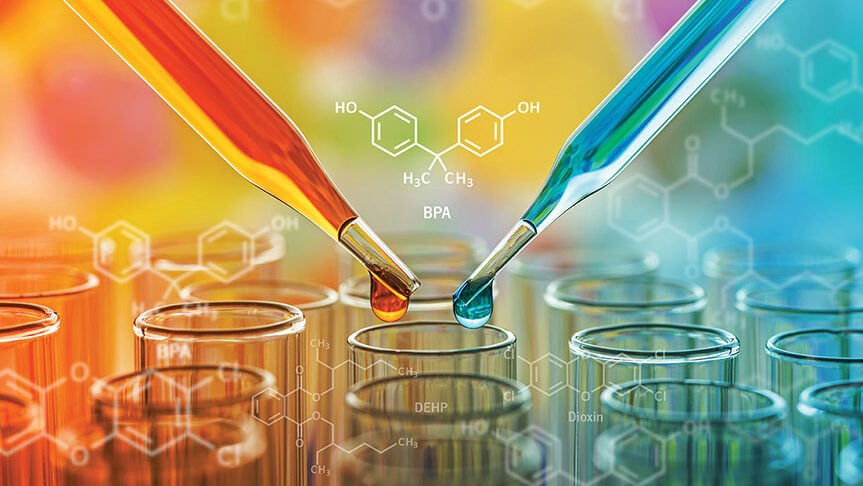
The study also considered the impact of "replacement chemicals." As regulatory pressure has increased on traditional phthalates like DEHP, manufacturers have turned to alternative plasticizers. However, the ERGO study suggests that some of these replacements may carry similar risks, highlighting the "whack-a-mole" challenge facing environmental regulators.
Fragrance and Personal Care: The Hidden Pathways of Exposure
A significant takeaway from the research is the specific link to fragrance-associated phthalates. In many jurisdictions, including the United States, companies are not required to list the specific ingredients that make up a "fragrance" or "parfum" on a product label, as these are often protected as trade secrets. Consequently, consumers may be unknowingly exposing themselves to high levels of diethyl phthalate (DEP) and other compounds.
The study authors pointed out that reducing exposure to these ingredients could be a practical way to improve pregnancy outcomes. "Reducing exposure to this class of chemicals by limiting personal care products containing these ingredients, particularly those with fragrance, may be a way to address high blood pressure in pregnancy and improve pregnancy health," Dr. Parra suggested. This advice is particularly relevant for products that stay on the skin for long periods, such as lotions and perfumes, as opposed to "rinse-off" products like soap.
Broader Implications for Maternal and Neonatal Outcomes
The implications of this study extend beyond the immediate health of the pregnant mother. Hypertensive disorders of pregnancy are not isolated events; they have a "long tail" of health consequences. For the mother, preeclampsia increases the risk of developing chronic hypertension, type 2 diabetes, and heart disease later in life.
For the fetus, maternal high blood pressure can restrict blood flow to the placenta, leading to intrauterine growth restriction (IUGR) and developmental delays. Furthermore, children born to mothers who experienced gestational hypertension are at a higher risk of developing metabolic syndromes and high blood pressure themselves during childhood and adolescence. By identifying phthalates as a contributing factor, the medical community may be able to develop better screening tools and more targeted interventions to protect both generations.
The Evolving Landscape of Chemical Regulation and Replacement
The study comes at a time of heightened scrutiny regarding the safety of everyday chemicals. Organizations like the American College of Obstetricians and Gynecologists (ACOG) and the Endocrine Society have increasingly called for more robust regulation of endocrine disruptors. Currently, the regulation of phthalates in the U.S. is a patchwork of federal and state laws, often lagging behind the scientific consensus.
The inclusion of replacement chemicals in the ERGO study is particularly noteworthy. As the industry moves away from banned or restricted phthalates, the safety of their substitutes is often assumed rather than proven. The researchers call for additional studies to examine the potential roles of these newer chemicals, ensuring that the transition to "phthalate-free" products actually results in a safer environment for expectant mothers.
Actionable Recommendations for Expectant Mothers
While systemic change requires regulatory action, health experts suggest several steps that pregnant women can take to minimize their exposure to phthalates:
- Choose Fragrance-Free: Opt for personal care products labeled "fragrance-free" rather than "unscented," as unscented products may still contain masking fragrances.
- Read Labels: Look for products explicitly labeled "phthalate-free."
- Minimize Plastic Use: Avoid heating food in plastic containers, as heat facilitates the leaching of chemicals. Use glass or stainless steel alternatives when possible.
- Dust and Vacuum: Phthalates often accumulate in household dust; using a vacuum with a HEPA filter and damp-mopping can reduce inhalation exposure.
- Fresh Foods: Processed and packaged foods often come into contact with phthalates during manufacturing and packaging. Increasing the intake of fresh, whole foods can lower the chemical burden.
Conclusion and Future Research Directions
The study, titled "Associations of Urinary Phthalate Metabolite and Replacement Chemical Concentrations with Gestational Blood Pressure," was a collaborative effort involving experts from the Harvard T.H. Chan School of Public Health, Beth Israel Deaconess Medical Center, Harvard Medical School, and the Centers for Disease Control and Prevention (CDC). It was supported by multiple institutes within the National Institutes of Health (NIH), reflecting the high priority placed on maternal health research.
Moving forward, the research team emphasizes the need for larger, more diverse cohorts to confirm these findings across different populations. Future studies will likely delve deeper into the epigenetic changes caused by phthalate exposure—investigating how these chemicals might "turn on" or "turn off" certain genes related to cardiovascular health.
As the scientific community continues to unravel the complex relationship between our environment and our biology, this study serves as a vital reminder that the products we use every day have consequences that reach far beyond their intended purpose. Protecting maternal health requires not only clinical excellence but also a concerted effort to create a cleaner, safer environment for the most vulnerable members of society.