

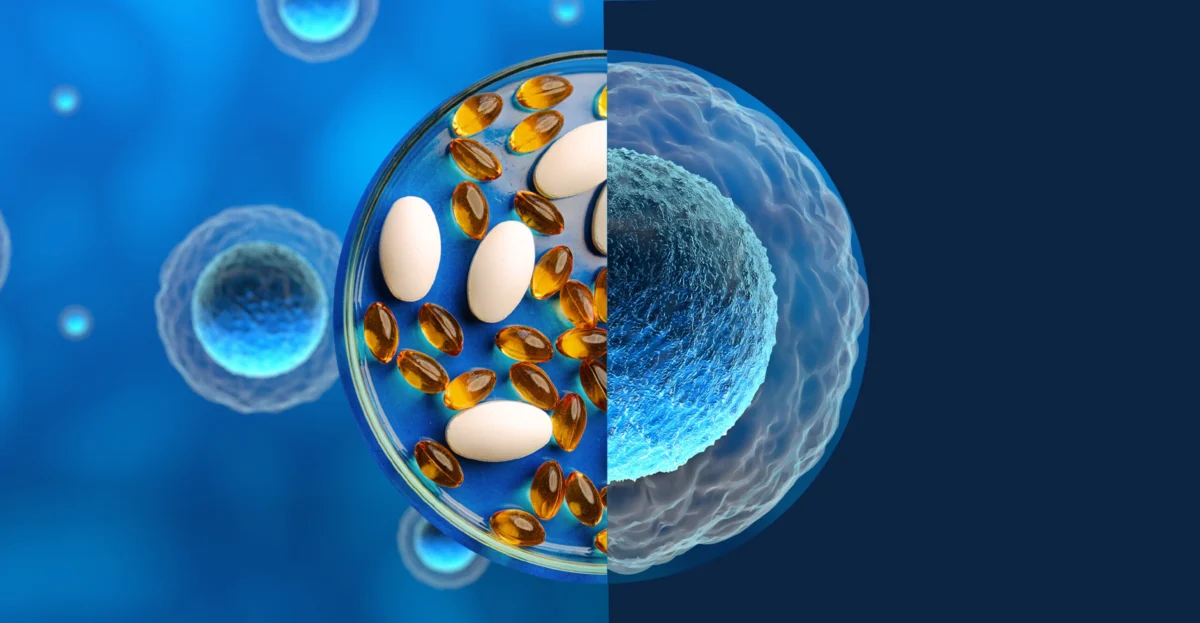
The dawn of a new era in human wellness is upon us, one that prioritizes not merely the extension of life, but the enhancement of its quality. This paradigm shift, often referred to as the "healthspan revolution," is transforming our understanding of aging, moving beyond the simple metrics of longevity to focus on vitality, functional independence, and the cellular underpinnings that define how well we experience our later years. This burgeoning field is attracting significant investment and scientific inquiry, with the dietary supplement industry at the forefront of translating complex longevity science into accessible, actionable solutions for consumers.
H2: The Science of Cellular Rejuvenation: Targeting the Hallmarks of Aging
At the heart of the healthspan movement lies a deep dive into the fundamental biological processes that contribute to aging at the cellular level. Researchers and innovators are meticulously dissecting the "hallmarks of aging," a framework that identifies key cellular and molecular changes associated with age-related decline. Prominent among these are cellular senescence, mitochondrial dysfunction, genomic instability, and chronic inflammation.
Cellular Senescence: The "Zombie Cell" Problem
One of the most exciting frontiers in aging research is the development of senolytics. These are compounds designed to selectively identify and eliminate senescent cells, often referred to as "zombie cells." Senescent cells, while no longer dividing, remain metabolically active and secrete pro-inflammatory molecules that can damage surrounding healthy tissues and accelerate aging. Fisetin, a flavonoid found in strawberries and other fruits, and quercetin, present in apples and onions, are among the senolytic compounds garnering significant attention. Early research, including preclinical studies and emerging human trials, suggests that senolytic interventions could potentially mitigate age-related conditions such as osteoarthritis, cardiovascular disease, and neurodegenerative disorders by clearing these detrimental cells. The market for senolytics is projected to grow substantially, driven by this intense scientific interest and the potential for broad therapeutic applications.
Mitochondrial Health: Powering Cellular Energy
Mitochondria, the powerhouses of our cells, play a critical role in energy production. However, the very process of generating cellular energy, known as oxidative phosphorylation, produces reactive oxygen species (ROS), or free radicals. Over time, these free radicals can damage mitochondrial DNA (mtDNA), leading to impaired mitochondrial function, a phenomenon known as mitochondrial dysfunction. This decline in cellular energy production contributes to a wide range of age-related issues, from reduced physical stamina to cognitive decline.
NAD+ precursors, such as nicotinamide riboside (NR) and nicotinamide mononucleotide (NMN), are at the forefront of addressing mitochondrial health. These compounds are precursors to Nicotinamide Adenine Dinucleotide (NAD+), a crucial coenzyme involved in hundreds of metabolic processes, including DNA repair and energy production. NAD+ levels naturally decline with age, and replenishing them through supplementation is a key strategy in supporting cellular energy and function. Clinical trials are ongoing to fully elucidate the long-term benefits of NAD+ boosting for human healthspan, with initial findings showing promise in improving metabolic health and physical function in older adults.
Genomic Stability and Inflammation: Orchestrating Cellular Harmony
Maintaining the integrity of our genetic material, or genomic stability, is paramount for healthy cell function. Age-related damage to DNA can lead to mutations and errors that disrupt cellular processes. Furthermore, chronic, low-grade inflammation, often termed "inflammaging," is a pervasive characteristic of aging that contributes to a multitude of chronic diseases.
Supplement ingredients like curcumin, a potent anti-inflammatory compound found in turmeric, and Coenzyme Q10 (CoQ10), an antioxidant that plays a vital role in energy production and cellular protection, are being explored for their potential to combat these hallmarks of aging. However, the efficacy of these compounds is heavily dependent on their bioavailability – their ability to be absorbed and utilized by the body. Ingredient manufacturers are responding by developing advanced delivery systems, such as liposomal formulations and nanoparticle encapsulation, to enhance the absorption and cellular uptake of these vital nutrients.
H3: The Evolving Landscape of the Healthspan Market
The dietary supplement industry is rapidly evolving to meet the growing consumer demand for products that promote healthy aging. This evolution is marked by a strategic shift from the outdated concept of "anti-aging" to a more comprehensive and scientifically grounded approach focused on "longevity" and, most recently, "healthspan."
From "Anti-Aging" to "Healthspan": A Conceptual Leap
The term "anti-aging" often conjures images of cosmetic solutions and a desire to turn back the clock. However, the modern healthspan paradigm is far more nuanced. It acknowledges that aging is a natural biological process but emphasizes the potential to influence its trajectory. Consumers are no longer solely focused on superficial signs of aging; they are increasingly prioritizing holistic well-being, including cognitive function, mental clarity, emotional resilience, and sustained cardiovascular health. This shift in consumer mindset is driving innovation and demanding greater scientific validation for health and wellness products.
Christine Kapperman, Content Director for a leading industry publication, observes this trend, stating, "Consumers want holistic health, not just wrinkle creams. They’re prioritizing cognitive function, mental well-being, and cardiovascular health – and they’re starting younger than ever." This indicates a proactive approach to aging, with individuals in their 30s and 40s beginning to invest in strategies that will support their long-term health and vitality.
The Role of Clinical Validation and Evidence-Based Science
In this increasingly sophisticated market, unsubstantiated claims are no longer sufficient. Companies are investing heavily in rigorous human clinical trials to provide robust evidence for their products. The landmark COSMOS study, which investigated the effects of multivitamins on cardiovascular health and cancer, is a prime example of such research, demonstrating a measurable impact on biological aging markers. This commitment to evidence-based science is crucial for building consumer trust and distinguishing legitimate health solutions from mere marketing hype.
Ingredient manufacturers are also playing a pivotal role by enhancing the efficacy of existing compounds. For instance, advancements in the formulation of curcumin have led to significantly improved bioavailability, allowing for greater therapeutic potential. Similarly, the development of highly stable and bioavailable forms of CoQ10 ensures that consumers can effectively benefit from its antioxidant and energy-supporting properties.
H3: Navigating the Regulatory Landscape and Business Opportunities
The booming interest in longevity and healthspan presents significant opportunities for businesses, but it also comes with inherent regulatory challenges. The language used to describe the benefits of aging-related products is a delicate balance between consumer appeal and legal compliance.
The "Gold Rush" and the Compliance Conundrum
As consumer interest in longevity explodes, brands are racing to capture attention with compelling terminology. Words like "anti-aging," "age reversal," "cellular rejuvenation," and "telomere support" are highly sought after by consumers actively searching for solutions. However, these very terms can attract scrutiny from regulatory bodies. Regulatory agencies, such as the U.S. Food and Drug Administration (FDA) and the European Food Safety Authority (EFSA), are tasked with preventing misleading health claims and protecting consumers from unproven treatments.
Pete Croatto, a commentator on market trends, highlights this challenge: "The exact language consumers are searching for is the very language regulators are legally required to prosecute." This creates a complex environment where companies must be innovative in their marketing and product development while remaining vigilant about regulatory guidelines. The focus is shifting towards substantiating claims with scientific evidence rather than relying solely on evocative language.
New Frontiers in Functional Ingredients
Beyond well-established nutrients, emerging ingredients are finding new applications in the healthspan category. Creatine, long recognized for its benefits in athletic performance, has transcended its traditional niche to become a buzzy functional ingredient for healthy aging. Research suggests that creatine supplementation may support muscle mass, cognitive function, and energy levels in older adults, addressing key areas of age-related decline.
The Future of Supplementation: A Holistic Approach
The conversation around supplements and longevity is moving beyond the question of if they can support healthy aging to how they can do so most effectively. Editor Devon Gholam notes, "With longevity dominating conversations at Natural Products Expo West and new research linking multivitamins to slower biological aging, the question is no longer if supplements can support healthy aging, but how." This signifies a maturation of the market, where scientific inquiry and consumer education are driving demand for personalized and evidence-backed health solutions.
H3: Key Takeaways for the Healthspan Business
For businesses operating within or looking to enter the healthspan market, several key insights are emerging from the latest research and market trends:
- Senolytics as a High-Impact Area: The scientific interest in senolytics is undeniable. Companies that can develop or source well-researched senolytic compounds, supported by robust clinical data, are positioned to be leaders in this rapidly advancing field. Understanding the mechanisms of senescent cell clearance and its potential benefits across various age-related conditions is crucial.
- Mitochondrial Support is Foundational: Addressing mitochondrial dysfunction is a cornerstone of cellular health and energy production. Investments in NAD+ precursors and other compounds that support mitochondrial function and protect against oxidative damage are likely to yield significant returns.
- Bioavailability is Paramount: For many beneficial compounds, including curcumin and CoQ10, enhancing bioavailability is key to their effectiveness. Innovating in delivery systems that ensure these ingredients reach their cellular targets is a critical differentiator.
- The Power of Multivitamins Re-emerges: The COSMOS study has reignited interest in the role of comprehensive multivitamins in supporting overall health and potentially slowing biological aging. This suggests that a foundational approach to nutritional support remains relevant and can be scientifically validated.
- Creatine’s Broader Appeal: The expansion of creatine’s application beyond sports nutrition into the general health and wellness sector highlights the potential for repurposing existing ingredients with new scientific backing.
The healthspan revolution is not just a trend; it is a fundamental shift in how we approach aging. By focusing on cellular mechanisms, embracing scientific validation, and navigating the evolving market and regulatory landscape, businesses can play a vital role in empowering individuals to live not just longer, but healthier, more vibrant lives. The era of cell-ing smarter has truly begun.
