

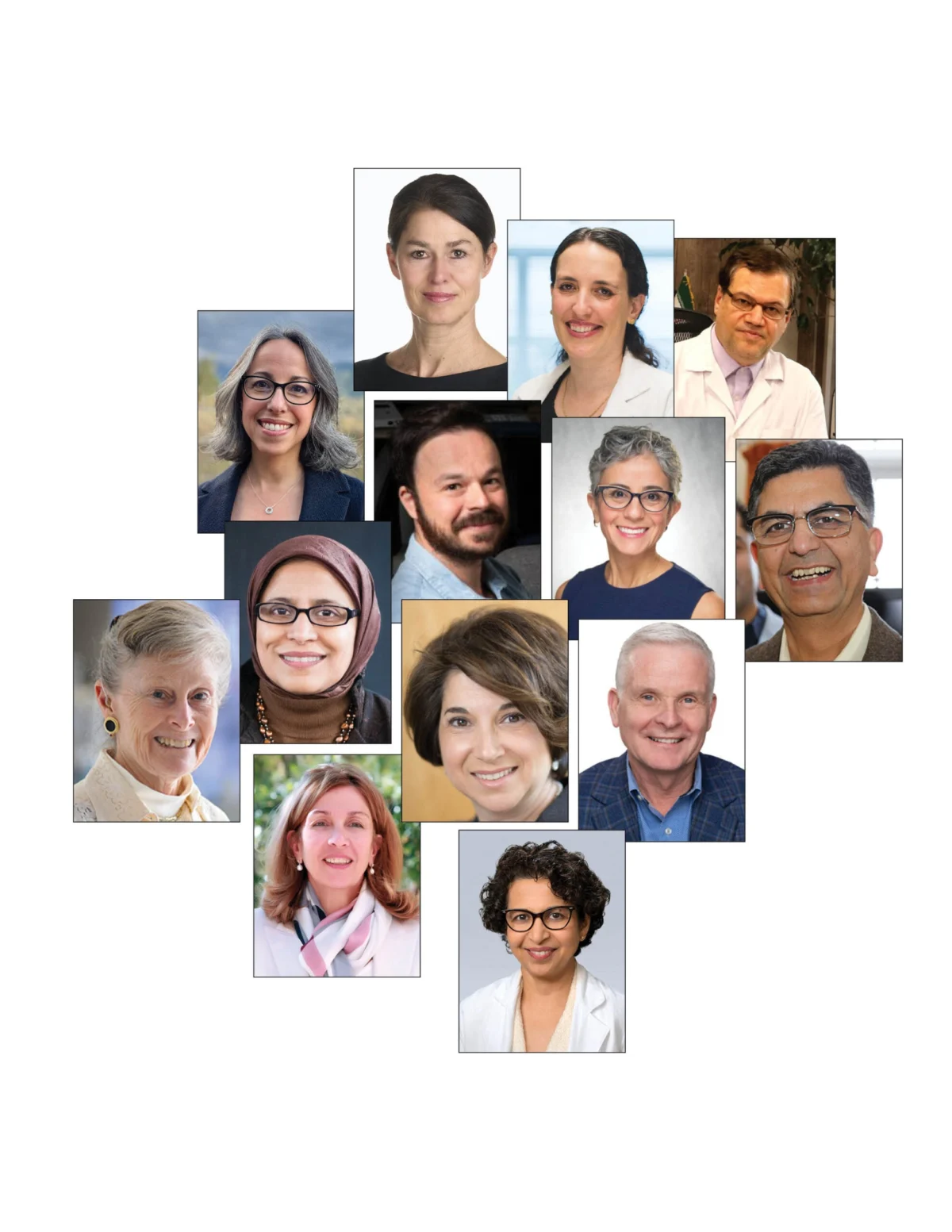
The Endocrine Society has officially named 13 distinguished endocrinologists as the recipients of its 2027 Laureate Awards, marking the highest honors bestowed within the field of hormone health and metabolic research. Established in 1944, these prestigious accolades recognize individuals who have demonstrated a lifetime of dedication to scientific discovery, clinical innovation, and the advancement of medical education. The 2027 cohort represents a diverse array of subspecialties, from reproductive health and pediatric growth to oncology and metabolic bone disease. The winners are scheduled to receive their awards during ENDO 2027, the Society’s premier annual meeting, which will take place from June 5-7, 2027, in Toronto, Ontario, Canada.
The Laureate Awards serve as a benchmark for excellence in a field that impacts billions of people worldwide. Endocrine disorders, including diabetes, thyroid disease, and obesity, remain among the most prevalent chronic conditions globally. According to data from the International Diabetes Federation, approximately 537 million adults are currently living with diabetes, a number projected to rise significantly by 2045. The work of the 2027 Laureates directly addresses these challenges, providing the foundational science and clinical protocols necessary to manage these complex conditions.
A Legacy of Scientific Excellence: The 2027 Laureate Recipients
The 2027 honorees have been selected for their transformative contributions to both the laboratory and the bedside. Their collective work has led to breakthroughs in understanding hormonal signaling, the genetic basis of reproductive disorders, and the development of new diagnostic standards that have replaced decades-old, less accurate methods.
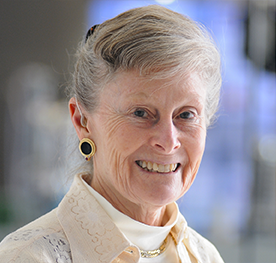
JoAnne S. Richards, MS, PhD: Edwin B. Astwood Award for Outstanding Research in Basic Science
Dr. JoAnne S. Richards, a Professor at Baylor College of Medicine in Houston, Texas, has been a cornerstone of reproductive endocrinology for over 50 years. Her research has focused on the molecular mechanisms governing ovarian development and ovulation. Dr. Richards is credited with identifying the critical signaling pathways involving estrogen and luteinizing hormones that dictate ovarian function. Her development of innovative mouse models has been instrumental in the study of ovarian cancer, providing a platform for testing new therapeutic interventions. Furthermore, her work has been central to the reclassification of Polycystic Ovary Syndrome (PCOS) to Polyendocrine Metabolic Ovarian Syndrome (PMOS), a shift that better reflects the multi-systemic nature of the condition.
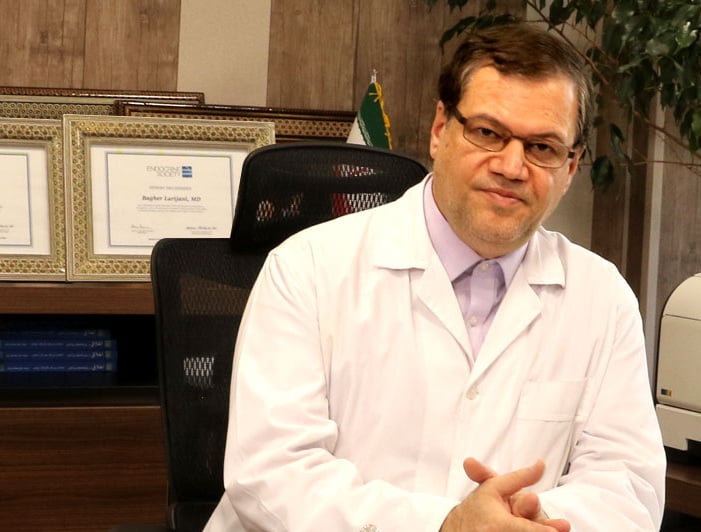
Bagher Larijani, MD: International Excellence in Endocrinology Award
Recognizing the importance of global health equity, the Society has honored Dr. Bagher Larijani for his work in Iran. As the Director of the Endocrinology and Metabolism Research Center (EMRC) at Tehran University of Medical Science, Dr. Larijani has been a pivotal figure in advancing diabetes care and medical education in a region with traditionally limited resources. His multidisciplinary approach has not only improved patient outcomes in the Middle East but has also fostered international collaborations that bridge the gap between Western clinical standards and local healthcare delivery.
Mirjam Christ-Crain, MD, PhD: Outstanding Clinical Investigator Award
Dr. Mirjam Christ-Crain of the University Hospital Basel in Switzerland has redefined the diagnostic landscape for water balance disorders. Her pioneering research into vasopressin-related conditions led to the adoption of copeptin-based testing as the international gold standard for diagnosing arginine vasopressin deficiency, formerly known as central diabetes insipidus. By replacing the cumbersome and often unreliable water deprivation test, her work has significantly improved the patient experience and diagnostic accuracy for rare endocrine disorders.
Advancing Clinical Practice and Community Health
While basic research provides the blueprint for treatment, clinical practitioners ensure that these discoveries reach the patients who need them most. The 2027 Laureates include leaders who have pioneered telehealth and community-based education.
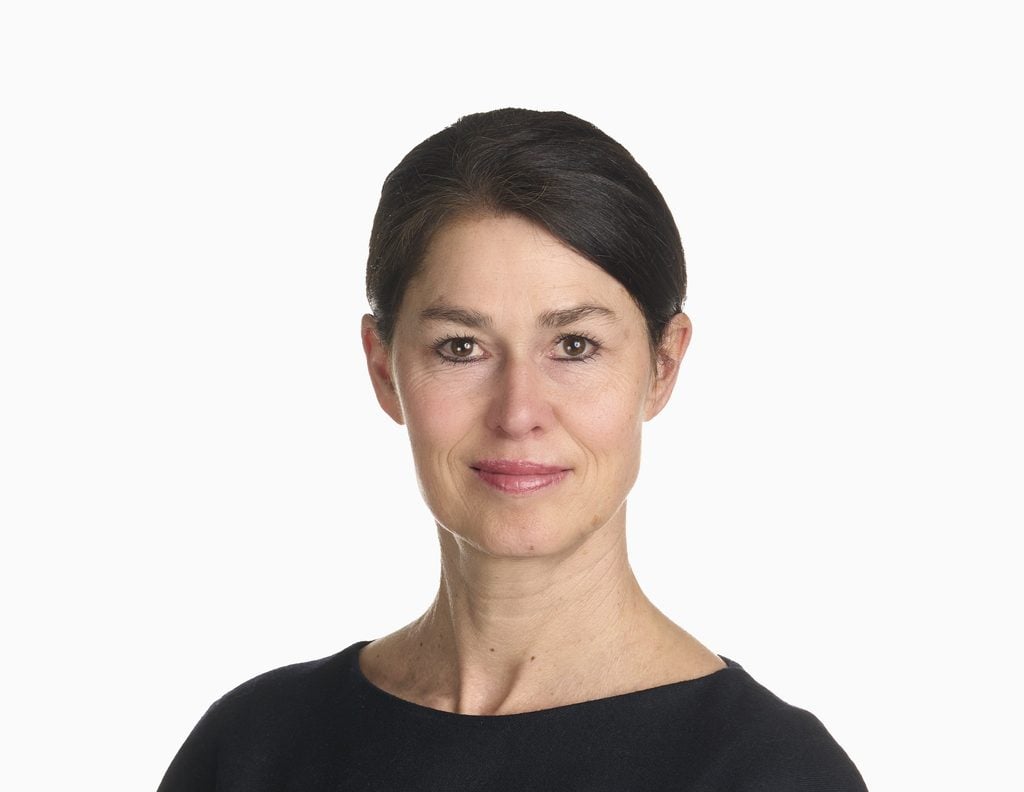
Rebecca Adochio, MD: Vigersky Outstanding Clinical Practitioner Award
Based in Avon, Colorado, Dr. Rebecca Adochio serves as the Medical Director of Colorado Mountain Medical/Vail Health. Her award recognizes her efforts to expand endocrine care in rural and mountainous regions through the innovative use of telehealth. At a time when specialized care is often concentrated in urban centers, Dr. Adochio’s leadership in diabetes prevention and management programs has provided a vital lifeline for patients across the Colorado region, emphasizing a patient-centered approach to chronic disease management.
Anuja Dokras, MD, MHCI, PhD: Outstanding Scholarly Physician Award
Dr. Anuja Dokras, a Professor at the University of Pennsylvania, has been a tireless advocate for women’s health. Her research into Polyendocrine Metabolic Ovarian Syndrome (PMOS) has highlighted the long-term risks associated with the condition, including its impact on cardiovascular health and psychological well-being. By establishing one of the first multidisciplinary PMOS centers in the United States, she has created a model for integrated care that addresses the hormonal, metabolic, and emotional facets of the syndrome.

Leadership, Mentorship, and the Future of Endocrinology
The sustainability of the endocrine field depends on the rigorous training of the next generation of scientists and physicians. Several of the 2027 awards highlight the importance of education and institutional leadership.
Amal Shibli-Rahhal, MD: Outstanding Educator Award
As the Associate Dean for Student Affairs and Curriculum at the University of Iowa’s Carver College of Medicine, Dr. Amal Shibli-Rahhal has been recognized for her innovative teaching methodologies. Her work in curriculum development has been adopted by various medical institutions, ensuring that future physicians are well-equipped to handle the complexities of metabolic and endocrine diseases.
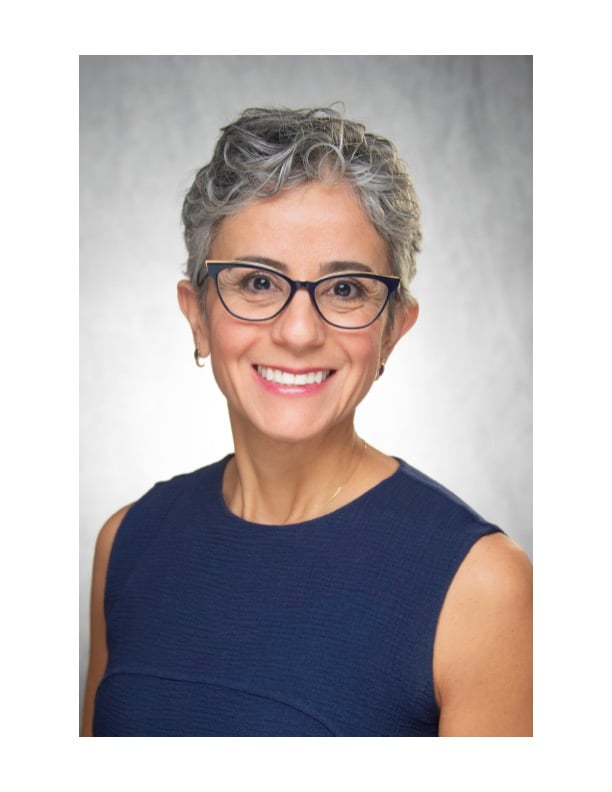
Ghada El-Hajj Fuleihan, MD, MPH: Outstanding Mentor Award
Dr. Ghada El-Hajj Fuleihan has had a profound impact on the medical landscape of Lebanon and the wider Middle East. Through the NIH-funded Scholars in Health Research Program at the American University of Beirut, she has mentored hundreds of researchers. Her focus on bone and mineral research has not only advanced clinical knowledge but has also built a sustainable infrastructure for translational research in the region.
Aliya Khan, MD, FRCP, FACP: Outstanding Leadership in Endocrinology Award
Dr. Aliya Khan is a global authority on metabolic bone and parathyroid disorders. Her leadership in developing international clinical guidelines has harmonized the treatment of rare bone diseases. Her work at McMaster University in Canada has led to the creation of a world-class fellowship program, ensuring that her expertise in parathyroid health is passed on to a global cohort of specialists.
Cutting-Edge Research and Translational Insights
The 2027 awards also recognize those working at the intersection of aging, genetics, and hormone replacement therapies.
Rafael Arrojo e Drigo, PhD: Richard E. Weitzman Outstanding Early Career Investigator Award
Representing the future of the field, Dr. Rafael Arrojo e Drigo of Vanderbilt University has gained international acclaim for his discovery of "age mosaicism." This concept describes how different cells within the same organ can age at different rates, a finding that has profound implications for understanding the decline of pancreatic islet function in diabetes and the broader biology of aging.
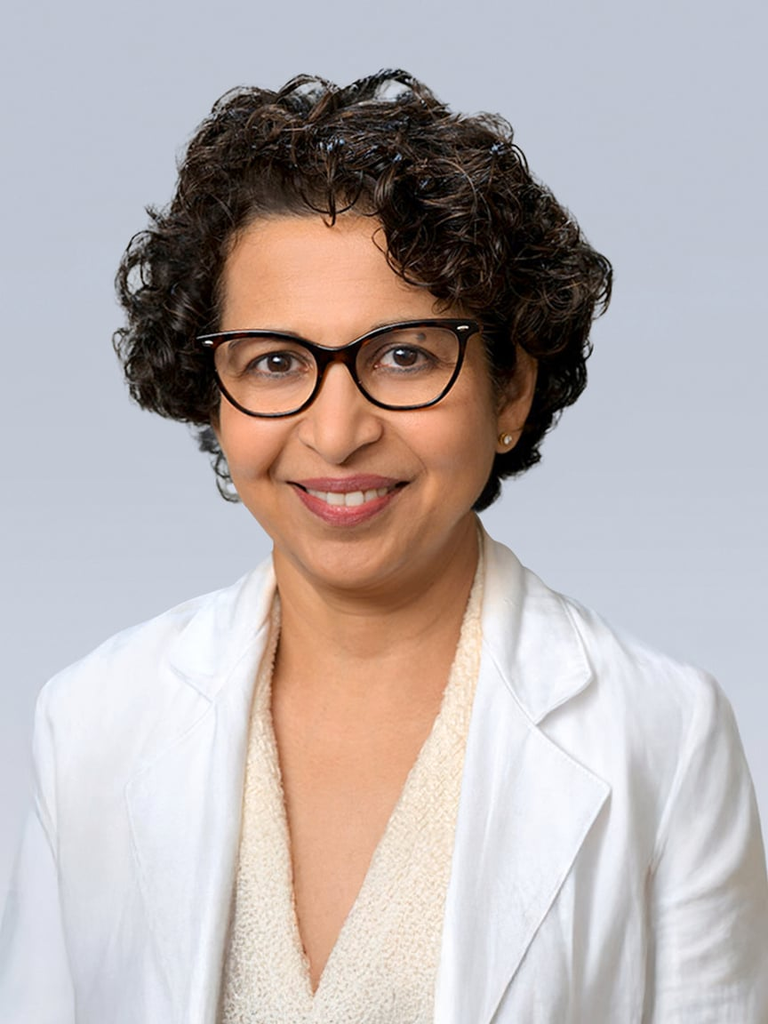
Shalender Bhasin, MD: Roy O. Greep Award for Outstanding Research
Dr. Shalender Bhasin, Chief at Brigham and Women’s Hospital in Boston, has spent his career investigating the clinical applications of testosterone therapy. His research has provided the definitive evidence base for diagnosing male hypogonadism and has helped clarify the cardiovascular risks and benefits of hormone replacement. His leadership in writing the Endocrine Society’s clinical guidelines has standardized care for millions of men worldwide.
Stephanie Seminara, MD: Gerald D. Aurbach Award for Outstanding Translational Research
Dr. Stephanie Seminara of Harvard Medical School has utilized genetic mapping and novel peptide probes to explore the triggers of human puberty. Her work at the Reproductive Endocrine Unit at Massachusetts General Hospital has led to new diagnostic tools for infertility and reproductive disorders, bridging the gap between genomic science and clinical fertility treatments.
Chronology and Context of the Laureate Awards
The Laureate Awards were first established during the mid-20th century as the Endocrine Society sought to formalize the recognition of scientific excellence. Over the decades, the awards have evolved to reflect the changing priorities of medicine. For instance, the inclusion of awards specifically for mentorship and international excellence reflects a modern understanding that scientific progress requires both a supportive educational environment and global cooperation.
The selection process for the 2027 awards began in 2025, involving a rigorous peer-review process by the Society’s Awards Committee. Nominees are evaluated based on the originality of their research, the impact of their clinical work, and their service to the endocrine community. The announcement of the 2027 winners nearly three years in advance of the ceremony allows the global medical community to engage with the recipients’ work through preparatory lectures and publications leading up to the Toronto meeting.
Implications for Global Healthcare
The recognition of these 13 individuals comes at a critical juncture for global healthcare. The rise of non-communicable diseases (NCDs), many of which are endocrine in nature, represents a significant economic and social burden. The research produced by the 2027 Laureates provides the framework for more efficient diagnostic pathways and more effective therapies, which can lead to reduced hospitalization rates and improved quality of life for patients.
The shift in nomenclature from PCOS to PMOS, championed by Laureates like Dr. Richards and Dr. Dokras, is a prime example of how the Society’s leaders are driving a more holistic view of disease. By acknowledging that these conditions are not just reproductive but also metabolic and endocrine, healthcare systems can better allocate resources for long-term screening of related issues like type 2 diabetes and heart disease.
As the Endocrine Society prepares for ENDO 2027 in Toronto, the focus remains on translating these high-level achievements into everyday clinical practice. The Society has announced that nominations for the 2028 Laureate Awards will open in late 2026, continuing the tradition of honoring those who dedicate their lives to solving the mysteries of the human endocrine system. Through the work of these 13 leaders, the field of endocrinology continues to demonstrate its vital role in the future of medicine, ensuring that hormone health remains at the forefront of global scientific inquiry.
