

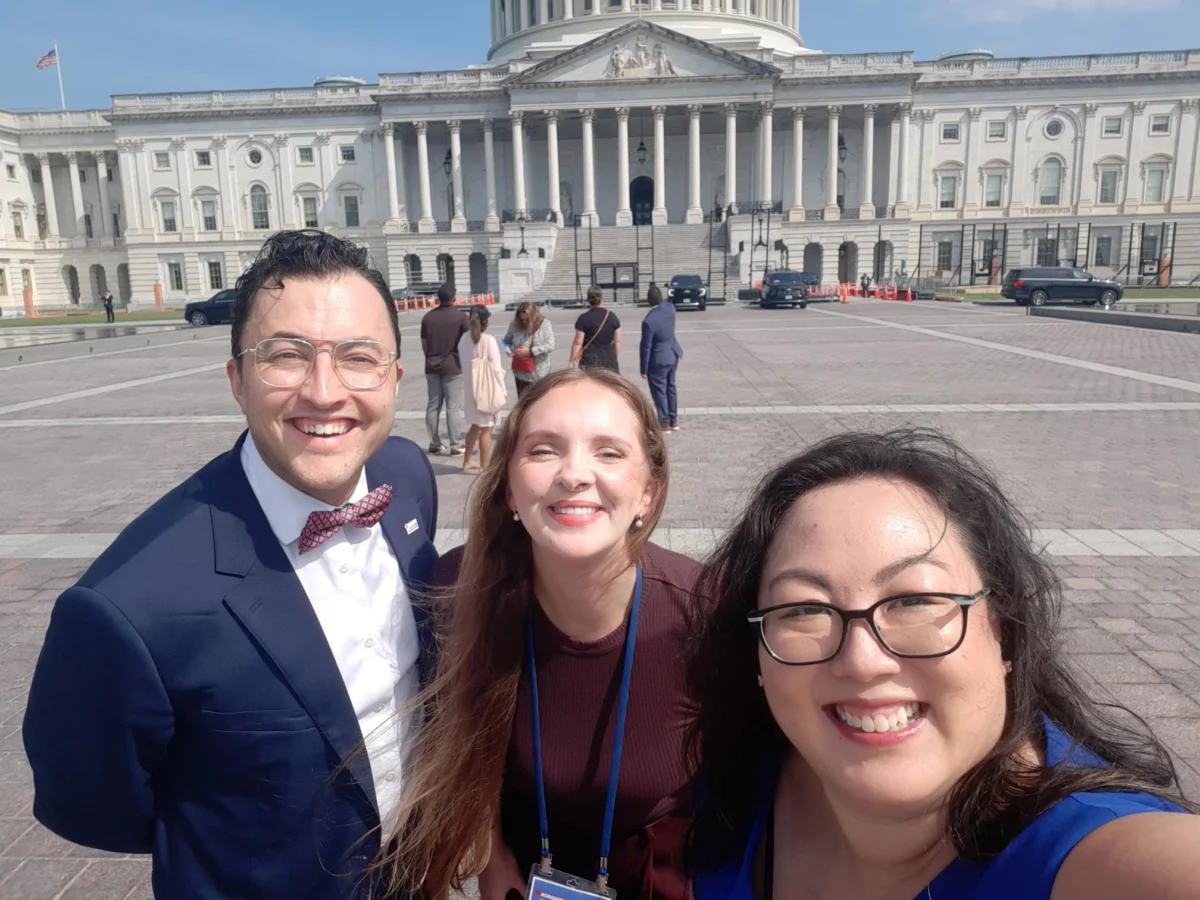
On September 17, members of the Endocrine Society joined a broad coalition of advocates, researchers, and healthcare professionals in Washington, D.C., for the 13th annual Rally for Medical Research. This high-profile day of action brought together hundreds of stakeholders from across the United States to engage directly with members of Congress, urging them to prioritize robust funding for the National Institutes of Health (NIH) and to safeguard the independent, merit-based processes that define American scientific excellence. The event occurred at a pivotal moment for the biomedical community, as it faces not only fiscal uncertainty but also significant regulatory proposals that could fundamentally alter the administration of federal research grants.
The Endocrine Society, a global organization representing more than 18,000 physicians and scientists, played a prominent role in the proceedings. Representing the society were key figures including Lydia Agnew, an Endocrine Society member and fellow of the Future Leaders Advancing Research in Endocrinology (FLARE) program, and Sophia Kaska, PhD, the Society’s Manager of Science Policy and Research Affairs. They were joined by Matt Ryan, a Policy Fellow at Research!America, as part of a strategic effort to amplify the voice of the endocrine research community on Capitol Hill. Throughout the day, the delegation participated in dozens of meetings with congressional offices, highlighting the essential nature of endocrine science in addressing public health crises such as diabetes, obesity, thyroid disorders, and hormone-related cancers.
The Strategic Importance of the Rally for Medical Research
The Rally for Medical Research was established in 2013 to provide a unified voice for the medical research community. It has since grown into one of the most influential advocacy events on the legislative calendar. The timing of this year’s rally was particularly significant, as lawmakers worked through the appropriations process for the upcoming fiscal year. Historically, the NIH has enjoyed broad bipartisan support, yet the current political climate has introduced new volatilities regarding federal spending caps and ideological shifts in how government agencies are managed.
The primary objective of the rally was to secure a meaningful increase in the NIH base budget. Advocates argued that consistent, predictable funding is the lifeblood of scientific discovery. Without it, the "pipeline" of innovation—from basic laboratory research to clinical trials and eventually to the bedside—stagnates. For the Endocrine Society, this advocacy is personal; many of the breakthroughs in insulin delivery, bone density treatments, and reproductive health originated from NIH-funded projects that required decades of sustained investment.
The Looming Threat of OMB Regulatory Changes
While funding levels are a perennial concern, the 13th annual rally was overshadowed by a specific and urgent threat: a proposed rule from the Office of Management and Budget (OMB). This rule, if implemented, would shift the criteria for the selection and administration of federal grants away from purely scientific merit and toward political considerations.
Under the current system, the NIH utilizes a rigorous peer-review process where experts in the field evaluate grant applications based on their scientific impact, methodology, and potential to advance human health. The proposed OMB rule threatens to undermine this gold standard by allowing administrative and political priorities to override the consensus of the scientific community. Furthermore, the rule includes provisions that would impose new restrictions on how scientific information is disseminated. This includes potential barriers to publishing research in open-access journals and participating in international scientific conferences—activities that are essential for the validation and progression of scientific knowledge.
The Endocrine Society and its partners expressed deep concern that such a shift would discourage young scientists from entering the field, stifle transparency, and ultimately lead to the inefficient use of taxpayer dollars on projects that may not be scientifically sound but align with a specific political agenda.
Chronology of Advocacy and Recent Developments
The activities on September 17 were the culmination of weeks of preparation, but the narrative has continued to evolve in the days following the rally.
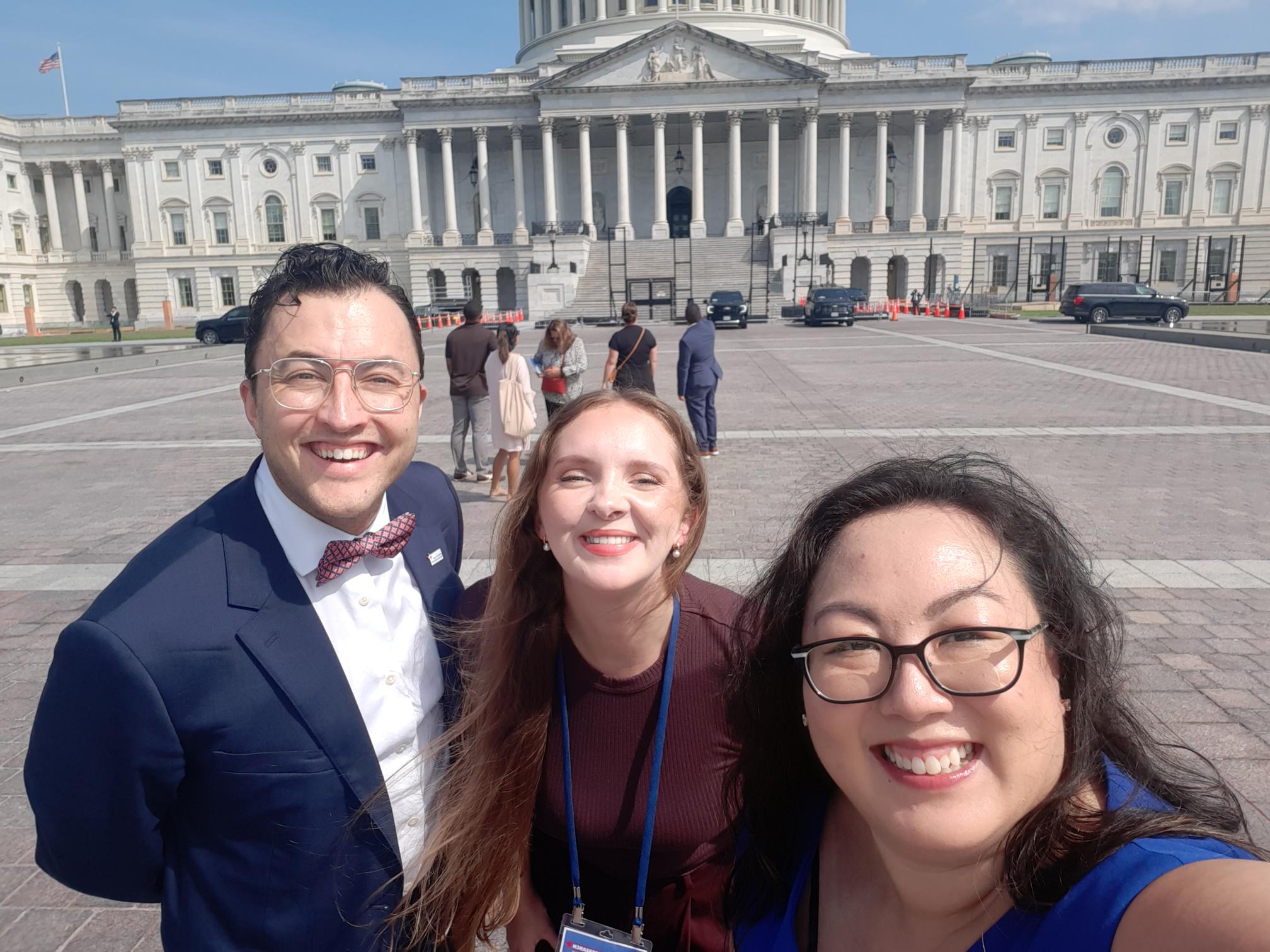
- September 17: The Day of Action. Hundreds of advocates descended on Capitol Hill. The Endocrine Society delegation met with offices representing key states and districts to provide localized data on the economic and health impacts of NIH funding.
- Post-Rally White House Deliberations. Shortly after the rally, reports emerged of a high-level meeting at the White House to discuss the implementation of the proposed OMB rule. Sources indicated that the administration was considering an Executive Order to fast-track these policy changes, bypassing the traditional notice-and-comment period usually required for significant regulatory shifts.
- Congressional Intervention. In response to the rally and the subsequent news from the White House, several members of Congress intervened. These lawmakers, representing both parties, raised questions about the legality and wisdom of the OMB proposal, arguing that it could damage the nation’s competitive edge in biotechnology and medicine.
- Current Status. As of late September, the status of the Executive Order remains uncertain. The Endocrine Society has intensified its call for constituents to contact their representatives, emphasizing that the administration must be urged to withdraw the proposed rule entirely.
Supporting Data: The Impact of NIH Funding
To bolster their arguments during the rally, participants presented a wealth of data illustrating the return on investment (ROI) provided by the NIH. According to data from United for Medical Research, every dollar of NIH funding generates approximately $2.46 in local economic activity. In 2023 alone, NIH funding supported more than 410,000 jobs across the United States and contributed nearly $93 billion to the Gross Domestic Product (GDP).
In the field of endocrinology, the stakes are particularly high. The Centers for Disease Control and Prevention (CDC) reports that over 38 million Americans have diabetes, a condition that costs the U.S. healthcare system an estimated $413 billion annually. Research funded by the NIH is currently exploring regenerative medicine to "cure" Type 1 diabetes and developing more effective treatments for the obesity epidemic, which affects 42% of the U.S. adult population.
The Endocrine Society pointed out that the "success rate" for NIH grant applications—the percentage of peer-reviewed projects that actually receive funding—has remained hoveringly low in many institutes, often falling below 20%. This means that four out of five potentially transformative scientific ideas are currently left on the table due to budget constraints. Any further disruption caused by the OMB rule or funding cuts would exacerbate this "innovation gap."
Official Responses and Sector Analysis
The scientific community has been vocal in its opposition to the politicization of research. In a statement following the rally, the Endocrine Society emphasized that "the strength of the U.S. biomedical research enterprise rests on its foundation of scientific integrity and transparency." The society argued that the proposed OMB rule would introduce "instability and uncertainty" into a system that requires long-term planning and objective evaluation.
Policy analysts suggest that the proposed rule may be part of a broader effort to increase executive branch oversight of "fourth branch" agencies—the administrative bodies that manage federal functions. However, critics in the scientific sector argue that research is a unique case where technical expertise must remain the primary arbiter of value. "If you start choosing which cancer or hormone research to fund based on which district it’s in or which political platform it supports, you lose the trust of the public and the efficacy of the science," noted one policy expert familiar with the NIH’s structure.
Broader Implications and the Path Forward
The outcome of this advocacy push will have long-lasting implications for the future of medicine. If Congress succeeds in providing the requested funding increases and blocking the OMB rule, the U.S. will likely maintain its position as the global leader in biomedical innovation. This leadership is not just a matter of national pride; it is a matter of national security and economic stability. As other nations, particularly China, significantly increase their investments in biotechnology, any self-inflicted wounds to the U.S. research infrastructure could result in a permanent loss of talent and intellectual property.
For the Endocrine Society, the work continues beyond the rally. The organization is currently mobilizing its global membership to participate in a "virtual advocacy" campaign. This involves writing letters to the editor, engaging with lawmakers on social media, and providing expert testimony to relevant congressional committees.
The message from the 13th annual Rally for Medical Research was clear: scientific progress cannot be turned on and off like a faucet, nor can it be directed by political winds without losing its essential value. The partnership between the Endocrine Society and national advocates serves as a reminder that behind every line item in a federal budget, there are millions of patients waiting for the next breakthrough. The call to action remains urgent—constituents are encouraged to voice their support for a federal grant system grounded in scientific merit, transparency, and stability, ensuring that the NIH remains a beacon of hope for medical advancement worldwide.
