

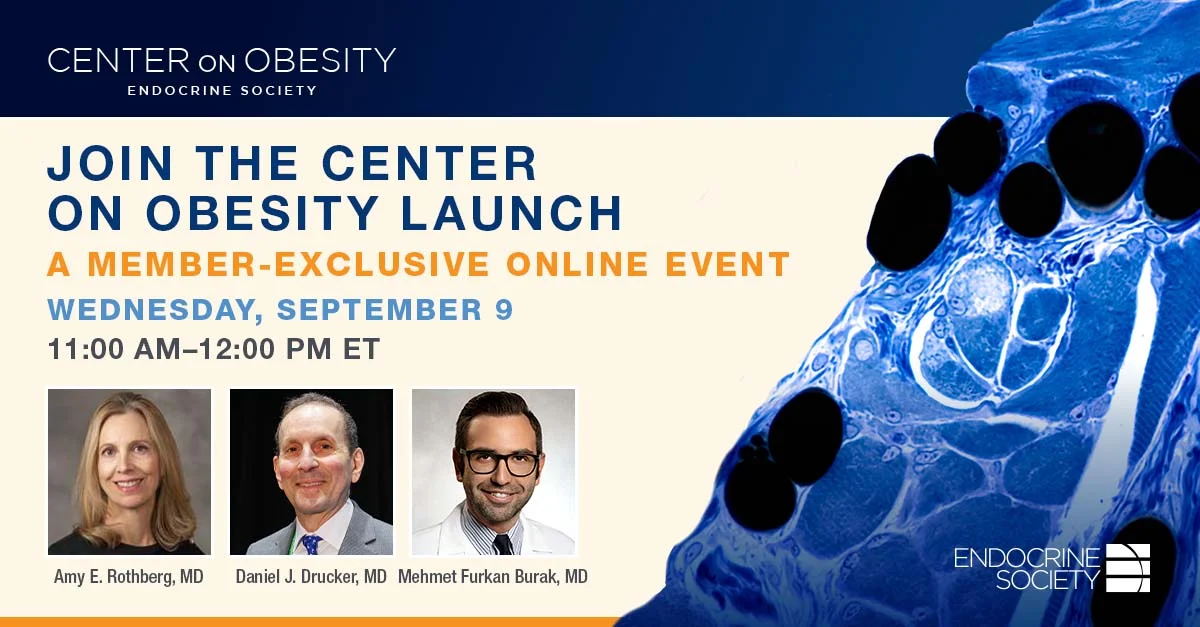
The Endocrine Society, a global leader in the field of endocrinology and metabolism, has announced the official launch of its new Center on Obesity, a strategic initiative designed to consolidate scientific expertise and address the burgeoning global health crisis of obesity. This significant milestone will be marked by a high-profile virtual event on September 9, where the Society will also unveil a comprehensive Scientific Statement titled “Obesity Science, Research Gaps and Opportunities in the New Era of Obesity Medicines.” This document represents a rigorous synthesis of current medical literature and is poised to become a foundational text for clinicians, researchers, and policymakers navigating the rapidly evolving landscape of metabolic pharmacology.
The virtual event, scheduled for Wednesday, September 9, from 11:00 AM to 12:00 PM ET, serves as a member-exclusive premiere of the Society’s dual-pronged approach to obesity management: the establishment of a dedicated research and advocacy hub and the publication of a definitive guide to the "new era" of pharmaceutical interventions. The timing of this launch is critical, as the medical community grapples with the unprecedented demand for glucagon-like peptide-1 receptor agonists (GLP-1RAs) and the systemic challenges associated with chronic weight management.
A New Framework for Obesity Science and Treatment
The Endocrine Society’s Center on Obesity arrives at a moment when the perception of obesity is shifting from a perceived failure of willpower to a recognized chronic endocrine disease. Leveraging the specialized expertise of its international membership, the Center aims to accelerate the scientific understanding of obesity as a hormonal disorder. By focusing on the physiological mechanisms of weight regulation, the Center seeks to advance treatments for the estimated one in eight people worldwide—approximately 890 million individuals—who are currently living with obesity.
The Center is structured to provide a centralized platform for interdisciplinary collaboration. It will facilitate the translation of laboratory research into clinical practice, advocate for equitable access to emerging therapies, and provide educational resources for healthcare providers who are often on the front lines of the obesity epidemic. The Society’s leadership emphasizes that while the recent surge in effective medications is a welcome development, a holistic, science-driven framework is necessary to ensure these tools are used effectively and sustainably.
The Scientific Statement: Bridging the Gap in Clinical Knowledge
The centerpiece of the September 9 event is the presentation of the Scientific Statement, “Obesity Science, Research Gaps and Opportunities in the New Era of Obesity Medicines.” This document is the result of an exhaustive review conducted by a panel of eight internationally recognized experts. The writing group analyzed more than 200 peer-reviewed studies to distill the current state of obesity science and identify the most pressing unanswered questions in the field.
Leading the presentation of the statement is Daniel J. Drucker, MD, a pioneer in the development of GLP-1RA therapies. Dr. Drucker’s work has been instrumental in the discovery and clinical application of the very hormones that now form the backbone of modern obesity treatment. His involvement underscores the high scientific caliber of the statement. The document examines the evolution of obesity treatments, moving from early-generation stimulants and malabsorptive surgeries to the sophisticated molecular targeting seen in today’s incretin-based therapies.
Key themes within the statement include the durability of weight loss achieved through pharmacological means, the impact of these drugs on metabolic comorbidities such as Type 2 diabetes and cardiovascular disease, and the biological mechanisms that trigger weight regain upon cessation of treatment. Furthermore, the statement identifies critical "research gaps," such as the long-term effects of GLP-1RAs on bone density, muscle mass preservation, and the specific needs of pediatric and geriatric populations.
Leadership and Expert Perspectives
The launch event will be emceed by Mehmet Furkhan Burak, MD, Co-Chair of the Obesity Special Interest Group, who will guide the discussion through the technical and practical implications of the new Center. Joining Dr. Drucker is Amy E. Rothberg, MD, Chair of the Society’s Obesity Task Force. Dr. Rothberg will provide an in-depth look at the Center’s operational goals, focusing on how the initiative will support obesity care and research in the long term.
"The establishment of the Center on Obesity represents a commitment to the millions of patients who have long been underserved by traditional medical approaches," noted a representative of the Society’s leadership. "By grounding our work in endocrine science, we can move beyond the stigma and provide evidence-based solutions that address the root causes of metabolic dysfunction."
The involvement of Dr. Drucker is particularly noteworthy. As a researcher whose work laid the foundation for drugs like semaglutide and tirzepatide, his insights into the future of obesity medicine are highly anticipated. His presentation is expected to highlight not just what has been achieved, but the necessity of "next-generation" research that moves toward personalized metabolic medicine.
Supporting Data: The Scale of the Global Challenge
The necessity of the Center on Obesity is underscored by alarming global health statistics. According to data from the World Health Organization (WHO) and the World Obesity Federation, obesity rates have nearly tripled since 1975. In the United States alone, the Centers for Disease Control and Prevention (CDC) reports that the prevalence of obesity is approximately 42%, with severe obesity affecting nearly 10% of the population.
The economic implications are equally staggering. Recent economic analyses suggest that the global impact of obesity could reach $4.32 trillion annually by 2035 if current trends continue, accounting for nearly 3% of the global GDP. This includes direct healthcare costs and indirect costs related to lost productivity and disability.
In the pharmaceutical sector, the "new era" referenced in the Scientific Statement is reflected in the market performance of obesity medications. Analysts project the global market for GLP-1 medications could exceed $100 billion by 2030. However, the Endocrine Society’s statement is expected to address the disparity between this market growth and the actual clinical accessibility for patients in low-to-middle-income countries or underserved communities within developed nations.
Chronology of the Obesity Treatment Revolution
To understand the context of the Endocrine Society’s new initiative, one must look at the timeline of obesity management over the last several decades:
- 1990s-2000s: Obesity was largely managed through lifestyle intervention and older-generation medications with limited efficacy or significant side effects, such as fenfluramine (withdrawn) and orlistat.
- 2005: The FDA approved the first GLP-1 receptor agonist, exenatide, for the treatment of Type 2 diabetes.
- 2014: Liraglutide became the first GLP-1RA approved specifically for chronic weight management, marking the beginning of a shift in pharmacological strategy.
- 2021: The approval of semaglutide for weight loss (Wegovy) revolutionized the field, demonstrating weight loss percentages (15-20%) previously only seen in bariatric surgery.
- 2023-Present: The introduction of dual-agonist therapies (like tirzepatide) and the ongoing development of triple-agonists have pushed the boundaries of weight loss efficacy further.
The Endocrine Society’s launch of the Center on Obesity on September 9 marks the next phase in this chronology: the institutionalization of obesity as a primary endocrine specialty and the formalization of research protocols to manage the long-term societal integration of these powerful drugs.
Broader Impact and Future Implications
The implications of the Endocrine Society’s new Center and Scientific Statement extend far beyond the laboratory. By identifying research gaps, the Society is essentially setting the agenda for the next decade of metabolic research. One of the most significant implications involves the "medicalization" of weight loss. As medications become the standard of care, the Center will likely play a pivotal role in defining "clinical success" beyond the numbers on a scale, focusing instead on metabolic health markers, inflammatory reduction, and quality of life.
Furthermore, the Center is expected to be a vocal advocate in the debate over insurance coverage. In many jurisdictions, obesity medications are classified as "lifestyle" or "cosmetic" drugs, leading to restricted coverage. The Scientific Statement’s emphasis on the hormonal and physiological drivers of obesity provides the necessary clinical evidence for advocates to argue that these treatments are medically necessary for the prevention of life-threatening comorbidities.
The event on September 9 also highlights the importance of physician education. As primary care providers are increasingly asked to prescribe GLP-1RAs, the Endocrine Society’s Center will serve as a vital resource for managing side effects, titration schedules, and the complexities of "weight plateaus."
Conclusion and Event Registration
The virtual event on September 9 represents a turning point for the Endocrine Society and the broader medical community. By bringing together the world’s leading experts in hormonal science and metabolic health, the Society is taking a definitive stand on the future of obesity care. The launch of the Center on Obesity and the release of the Scientific Statement provide a roadmap for navigating a future where obesity is treated with the same scientific rigor and clinical urgency as cardiovascular disease or cancer.
Members of the Endocrine Society are encouraged to register for the virtual event through the Society’s official meetings portal. The session will conclude with a discussion on the strategic goals for the Center’s first year, including planned research grants, upcoming webinars, and policy initiatives aimed at transforming the landscape of global metabolic health. As the "New Era of Obesity Medicines" unfolds, the Endocrine Society’s Center on Obesity stands ready to ensure that science remains the guiding force in this medical revolution.
