







The U.S. Food and Drug Administration (FDA) has granted approval to Abbott Laboratories for the Amplatzer Paraclose PVL Occluder, a first-of-its-kind transcatheter device specifically designed to treat paravalvular leaks (PVL) following surgical heart valve replacement. This regulatory milestone provides a critical, minimally invasive alternative for patients who would otherwise face the high risks associated with repeat open-heart surgery. By utilizing a catheter-based delivery system, the device addresses a significant complication of cardiac surgery, offering a pathway to recovery for patients suffering from debilitating symptoms such as heart failure and hemolytic anemia.
The approval marks a pivotal expansion of Abbott’s structural heart portfolio and addresses a long-standing unmet need in the cardiovascular space. For decades, patients who developed leaks around their prosthetic valves had few options beyond medical management or a second, often more dangerous, sternotomy. The Amplatzer Paraclose device now offers a specialized tool to seal these gaps, potentially improving long-term outcomes and quality of life for thousands of patients.
Understanding the Clinical Challenge of Paravalvular Leaks
A paravalvular leak occurs when a gap forms between the natural heart tissue and the sewing ring of a prosthetic heart valve. While surgical valve replacement remains a gold-standard treatment for valvular heart disease, PVLs are a known and relatively common complication. These leaks can occur in both mechanical and bioprosthetic valves, typically resulting from issues such as heavy calcification of the native valve annulus, friable tissue, or technical challenges during the initial suturing process.
Clinical data suggests that while many paravalvular leaks are small and asymptomatic, approximately 1% to 5% of patients who undergo surgical valve replacement develop clinically significant leaks. These leaks allow blood to flow backward around the valve rather than through it, leading to a host of serious medical issues.
The primary symptoms of significant PVL include severe shortness of breath (dyspnea), persistent fatigue, and swelling in the legs and feet (edema), all of which are hallmarks of congestive heart failure. Furthermore, the turbulence created as blood forces its way through the narrow gap around the valve can physically rupture red blood cells, a condition known as hemolytic anemia. This can lead to chronic iron deficiency, the need for frequent blood transfusions, and further cardiovascular strain. Until now, managing these patients involved a complex balancing act of medication and high-risk surgical intervention.
Technical Specifications and Procedural Overview
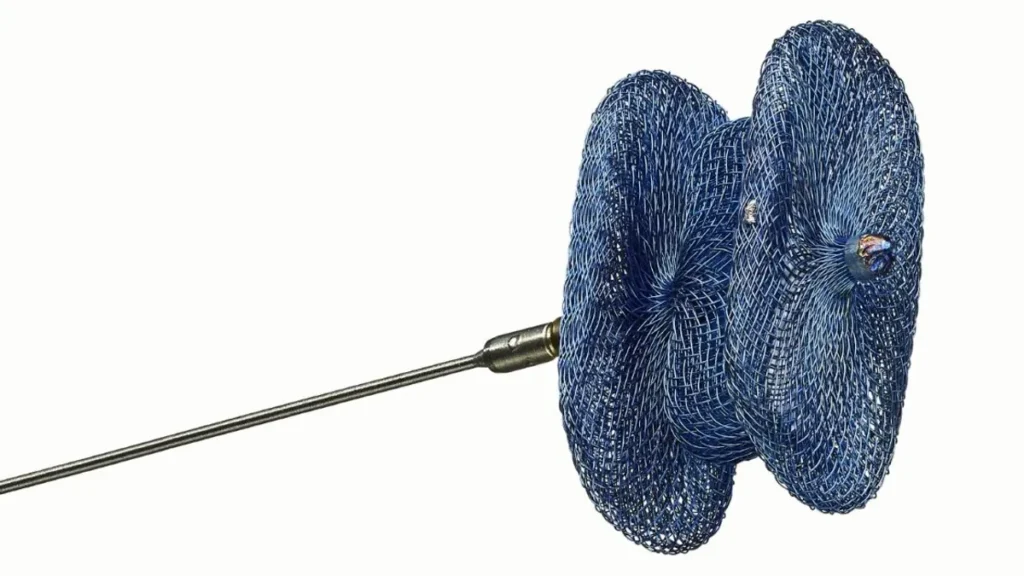
The Amplatzer Paraclose PVL Occluder is a self-expanding device constructed from a Nitinol (nickel-titanium) wire mesh. Its design is specifically tailored to the irregular shapes often found in paravalvular gaps. Unlike standard septal occluders, the Paraclose features an oblong or "waisted" shape that allows it to conform more effectively to the crescent-shaped or linear leaks typically seen around surgical valves.
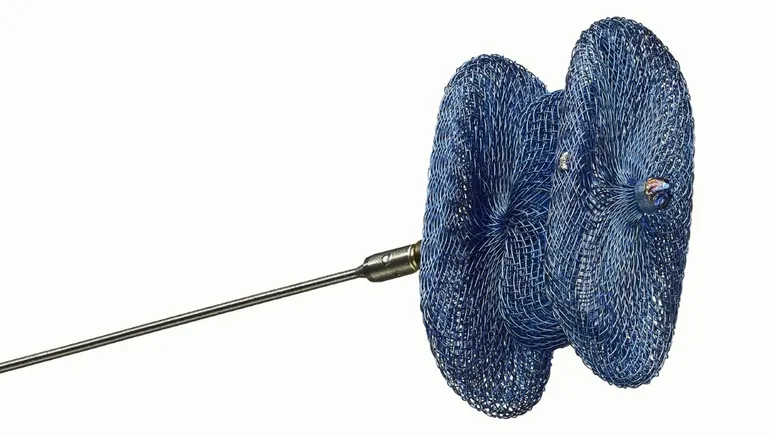
The procedure is performed in a cardiac catheterization laboratory. Interventional cardiologists deliver the device through a small incision in the leg, threading a catheter through the femoral artery or vein to reach the heart. Guided by advanced imaging techniques—including fluoroscopy and transesophageal echocardiography (TEE)—the physician positions the occluder directly within the leak. Once deployed, the device expands to fill the gap, providing a mechanical barrier that stops the regurgitation of blood. Over time, the body’s own tissue grows over the mesh, further securing the seal.
This minimally invasive approach significantly reduces the trauma to the patient’s body. Traditional repeat open-heart surgery for PVL repair is associated with high morbidity and mortality rates due to the presence of scar tissue from the previous operation and the generally frail state of the patient population. The transcatheter approach typically results in shorter hospital stays, faster recovery times, and a lower risk of post-operative infections.
Clinical Validation: The PARADIGM Trial
The FDA’s decision was heavily influenced by data from the PARADIGM trial, a prospective, multicenter, single-arm study designed to evaluate the safety and effectiveness of the Amplatzer Paraclose device. The trial enrolled 200 patients across various clinical sites, focusing on individuals with symptomatic, clinically significant paravalvular leaks who were deemed high-risk for traditional surgery.
The study’s primary endpoints focused on the successful reduction of the leak (technical success) and the avoidance of major adverse events within 30 days of the procedure. According to Abbott, the trial demonstrated that the Amplatzer Paraclose is an effective alternative to repeat surgery. The results indicated a high rate of procedural success, with most patients experiencing a significant reduction in the severity of their regurgitation and an improvement in their functional status, as measured by the New York Heart Association (NYHA) functional classification.
Abbott has announced that more granular data, including 30-day clinical outcomes from the PARADIGM trial, will be presented at the upcoming Transcatheter Cardiovascular Therapeutics (TCT) conference in San Diego. This presentation is expected to provide the medical community with deeper insights into the device’s performance across different valve types and leak locations.
Official Responses and Strategic Implications
The approval has been met with enthusiasm from both the manufacturer and the clinical community. Sandra Lesenfants, senior vice president of Abbott’s structural heart business, emphasized the patient-centric nature of the technology. In an official statement, Lesenfants noted that the device "fills a critical unmet need that allows many patients to avoid the risks of another surgery." She highlighted the company’s commitment to developing "life-changing technologies" that address complex cardiovascular conditions.
From a strategic perspective, the Amplatzer Paraclose PVL Occluder strengthens Abbott’s position as a leader in the structural heart market. The device joins an established family of Amplatzer products, including:

- The Piccolo Occluder: The first and only device approved to close a patent ductus arteriosus (PDA) in premature babies.
- The Talisman PFO Occluder: Used for the closure of patent foramen ovale (PFO) to reduce the risk of recurrent ischemic stroke.
- The Amulet LAA Occluder: Designed to seal the left atrial appendage in patients with atrial fibrillation to prevent blood clots.
By adding a dedicated PVL solution, Abbott provides a comprehensive suite of tools for interventionalists, allowing them to treat a wider array of structural defects without relying on "off-label" uses of other occluders—a practice that was common before this dedicated approval.
A Global Chronology of Development
While the Amplatzer Paraclose is new to the United States market, the technology has a proven track record internationally. Outside of the U.S., the device is known as the Amplatzer Valvular Plug III (AVP III). It received its CE Mark in Europe in 2020 and has been used extensively across European and Asian markets for several years.
The delay between European and U.S. approval is often attributed to the FDA’s stringent requirements for prospective clinical trial data. While the AVP III was used based on smaller observational studies and clinical registries in other regions, the FDA required the structured data provided by the PARADIGM trial to ensure safety and efficacy for the American patient population. This chronology reflects a broader trend in the medical device industry where breakthrough technologies often debut in Europe before undergoing the rigorous U.S. regulatory process.
Analysis of Market Impact and Future Outlook
The approval of the Amplatzer Paraclose comes at a time when the field of structural heart intervention is experiencing rapid growth. As the global population ages, the prevalence of heart valve disease is increasing, leading to a higher volume of initial valve replacement surgeries. Consequently, the absolute number of patients experiencing paravalvular leaks is also expected to rise.
The economic implications for the healthcare system are also notable. While the initial cost of a transcatheter device is significant, the total cost of care for a PVL patient may be reduced by avoiding the intensive care unit stays and long rehabilitation periods associated with repeat open-heart surgery. Furthermore, by effectively treating hemolytic anemia and heart failure symptoms, the device may reduce the frequency of hospital readmissions, which is a key metric for healthcare providers under value-based care models.
Looking ahead, Abbott continues to innovate in the structural heart space. The company recently received the CE Mark in Europe for its next-generation Amulet device and is currently awaiting FDA review for that product. Additionally, Abbott remains a dominant player in the transcatheter edge-to-edge repair (TEER) market with its MitraClip and TriClip systems.
The introduction of the Amplatzer Paraclose PVL Occluder represents more than just a new product launch; it signifies the maturation of transcatheter therapies. As interventional techniques become more refined, the medical community is moving closer to a future where even the most complex post-surgical complications can be managed through a needle puncture in the leg, sparing patients the trauma of the operating room and offering a faster return to daily life. The upcoming data presentation in San Diego will likely serve as the catalyst for widespread adoption of the device in cardiac centers across the United States.