

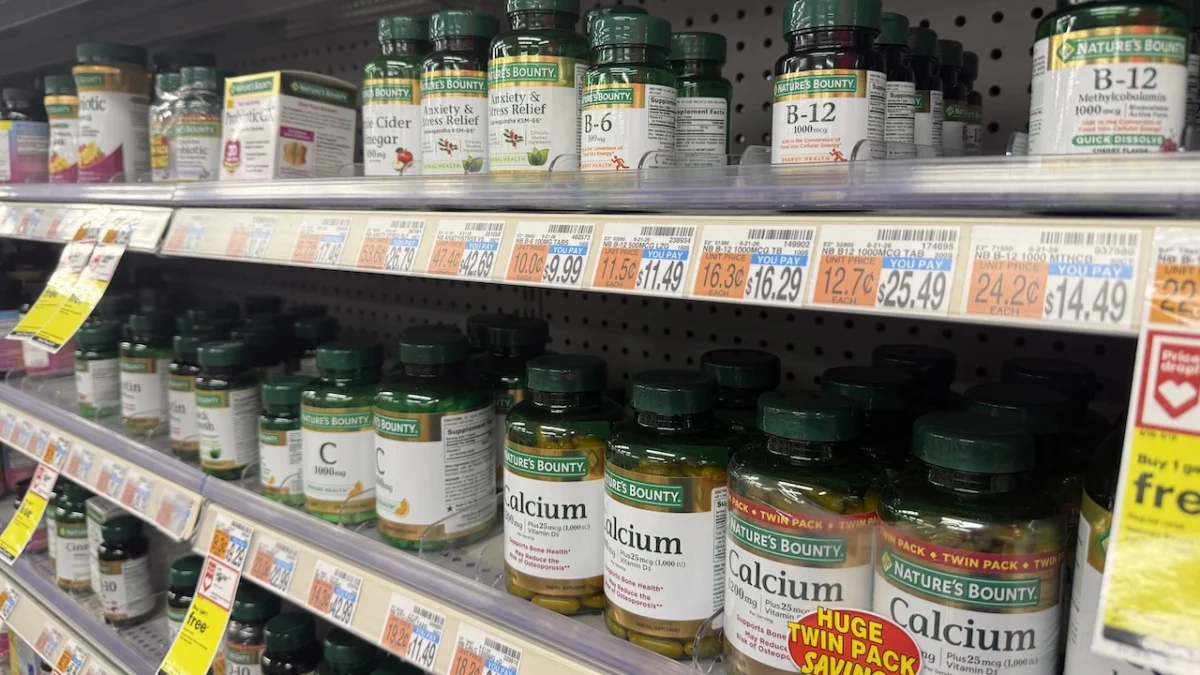
Nestle announced on September 1st a significant strategic maneuver, agreeing to divest its entire Holistic Health platform – a comprehensive suite of leading vitamins, minerals, and supplements (VMS) brands – to Yellow Wood Partners, a prominent private equity firm with a proven track record in consumer brand acquisitions. The transaction, valued at a substantial $1 billion, signals a decisive shift in Nestle’s long-term strategy, refocusing its resources on core competencies and areas of its business where it holds a distinct competitive advantage. This divestiture marks a notable departure from Nestle’s more aggressive expansion into the VMS market witnessed just five years prior.
The extensive portfolio of brands changing hands in this landmark deal includes highly recognizable names such as Nature’s Bounty, Osteo Bi-Flex, Ester-C, Gard, Nuun, Puritan’s Pride, and Sisu. This consolidation of established VMS players under a single, specialized owner like Yellow Wood Partners is poised to reshape the competitive landscape within the rapidly evolving health and wellness sector.
The acquisition by Yellow Wood Partners represents a significant expansion of its already substantial consumer brand portfolio, which includes well-known personal care and household staples. This move into the VMS space underscores the firm’s confidence in the continued growth and potential of the health and wellness market, driven by increasing consumer demand for personalized and benefit-specific nutritional solutions.
Background: A Strategic Pivot for Nestle
This $1 billion divestiture represents a stark reversal of Nestle’s investment strategy from approximately five years ago. In a move that significantly bolstered its presence in the VMS market, Nestle acquired the core brands of The Bountiful Company for a staggering $5.75 billion. That transformative acquisition, completed in late 2017 and early 2018, brought iconic brands like Nature’s Bounty, Solgar, Osteo Bi-Flex, and Puritan’s Pride under the Nestle umbrella. At the time, the acquisition was lauded as a strategic move to capitalize on the burgeoning global demand for vitamins and dietary supplements, positioning Nestle as a dominant force in this lucrative segment.
However, the market for VMS products has proven to be dynamic and increasingly competitive. Nestle’s decision to divest a substantial portion of this acquired portfolio suggests a reassessment of its strategic priorities and a recognition that different ownership structures might be better suited to unlock the full growth potential of these mainstream brands.
Nestle’s Continued Commitment to the VMS Market
Despite the substantial divestiture, Nestle is not exiting the vitamin, mineral, and supplement market entirely. The company will retain ownership of Solgar, a premium VMS brand known for its scientifically formulated products, as well as other prior acquisitions such as Garden of Life, which focuses on organic and plant-based supplements. This selective retention indicates Nestle’s intention to concentrate its efforts on specific niches within the VMS sector where it believes its innovation and brand-building capabilities can yield the greatest returns.
Philipp Navratil, CEO of Nestle Health Science, articulated the rationale behind this strategic pivot. In a press release detailing the agreement, Navratil stated, "This is another important step in the strategic transformation of our portfolio." He emphasized that Nestle is prioritizing its competitive advantages and focusing on areas where it can truly excel. "With Nestle’s strong innovation and brand-building capabilities, we are well positioned for growth in the premium, science-led VMS space, where brands such as Solgar and Pure Encapsulations continue to perform strongly," Navratil explained. He further elaborated, "At the same time, the category has evolved, and the mainstream VMS business requires a different approach under dedicated ownership." This statement highlights a recognition that the market dynamics for premium, science-backed VMS differ from those of broader, mass-market offerings.
Yellow Wood Partners: A Strategic Accumulator of Consumer Brands
For Yellow Wood Partners, the acquisition of Nestle’s Holistic Health platform represents a significant expansion of its formidable consumer brand portfolio. The private equity firm has a well-established reputation for acquiring and growing consumer businesses, often from larger corporations seeking to streamline their operations. Yellow Wood’s current holdings include a diverse array of established personal care and household brands, such as Suave, St. Ives, Q-Tips, ChapStick, Noxzema, Ponds, and Dr. Scholl’s. Their acquisition strategy often involves acquiring brands from global consumer packaged goods (CPG) companies, including past transactions with entities like Haleon and Unilever.
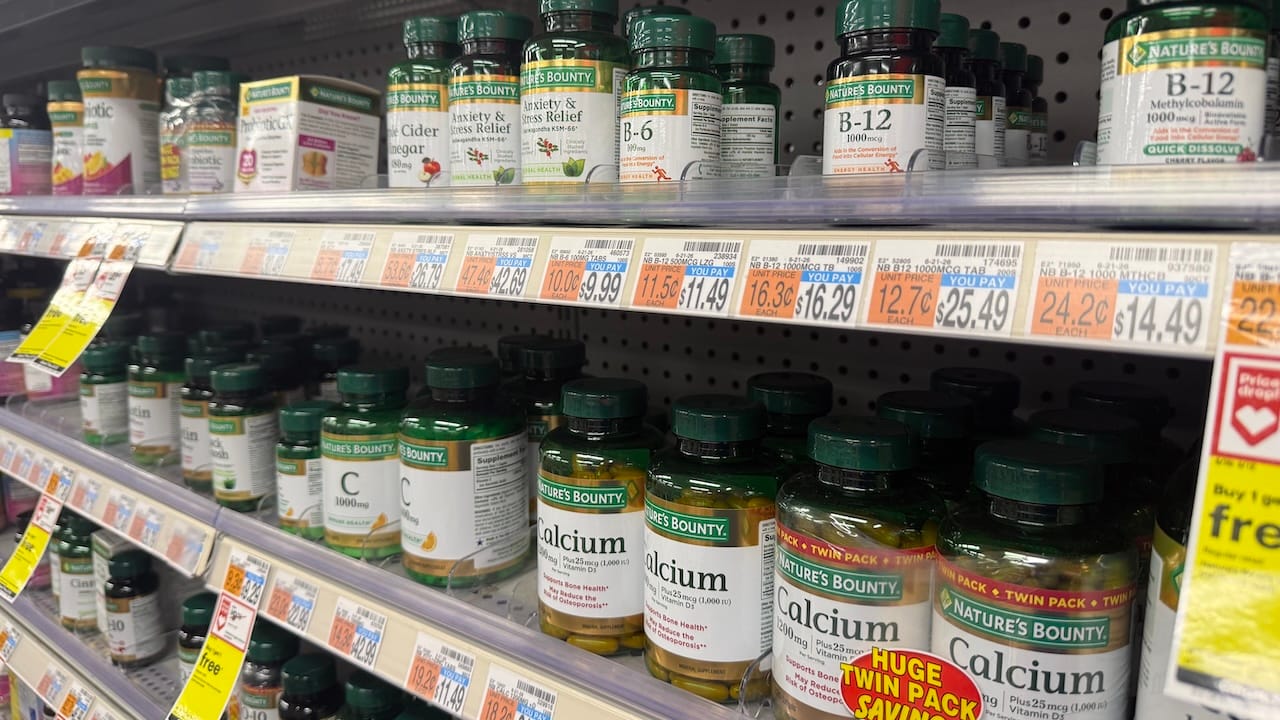
The VMS sector presents a compelling opportunity for Yellow Wood, aligning with its expertise in nurturing and scaling consumer-facing businesses. The Holistic Health portfolio is characterized by a group of specialty category leaders operating in high-growth segments of the VMS market, including hydration, gut health, and immunity. These are areas experiencing sustained consumer interest and increasing demand for targeted solutions.
"Holistic Health is an excellent platform of trusted brands with deep retailer relationships providing significant opportunities for continued growth," commented Dana Schmaltz, a Partner at Yellow Wood. He further elaborated on the strategic advantages of the acquired portfolio: "The Holistic Health portfolio provides a group of specialty category leaders in various high-growth sectors of the attractive VMS market, including hydration, gut health and immunity. Operating Holistic Health as a standalone entity will provide the opportunity to leverage the power of each brand to accelerate growth, enhance innovation and strengthen their market positions with consumers and retail partners." This vision suggests a commitment to investing in each brand’s unique strengths and fostering an environment conducive to independent growth and innovation.
Tad Yanagi, another Partner at Yellow Wood, echoed this sentiment, emphasizing the alignment of the acquired portfolio with the firm’s strategic focus and operational approach. "This exciting portfolio is deeply aligned with our focus, expertise and functional operations approach, and we are thrilled to add each of these brands to the Yellow Wood umbrella," Yanagi stated. He further highlighted the favorable market trends supporting this acquisition: "As VMS adoption continues to increase among a wide range of consumers and demand for benefit-specific solutions expands, we see significant runway to drive organic growth across the platform." This forward-looking perspective underscores Yellow Wood’s anticipation of continued market expansion and its readiness to capitalize on emerging consumer needs within the VMS space.
Market Context and Implications
The global market for vitamins, minerals, and supplements has experienced robust growth over the past decade, driven by several key factors. Increasing consumer awareness of health and wellness, a growing aging population, a rise in chronic diseases, and a greater emphasis on preventive healthcare have all contributed to sustained demand. According to market research reports, the global VMS market was valued at over $150 billion in 2022 and is projected to continue its upward trajectory, with a compound annual growth rate (CAGR) of approximately 7-9% over the next five to seven years.
However, this growth has also attracted significant competition, with a crowded marketplace featuring established global players, emerging direct-to-consumer (DTC) brands, and private label offerings. The VMS sector is characterized by a complex regulatory environment, evolving scientific research, and a strong emphasis on consumer trust and product efficacy.
For Nestle, divesting these mainstream VMS brands allows it to streamline its portfolio and concentrate on higher-margin, science-led health science businesses where it can leverage its extensive research and development capabilities. This strategic realignment is consistent with broader trends among large CPG companies that are increasingly divesting non-core assets to focus on areas of strategic growth and profitability.
For Yellow Wood Partners, this acquisition presents a significant opportunity to become a major player in the VMS industry. By consolidating a diverse set of well-established brands, Yellow Wood can achieve economies of scale, optimize supply chains, and leverage cross-promotional opportunities. The firm’s stated intention to operate the Holistic Health platform as a standalone entity suggests a commitment to providing dedicated management and resources to foster the growth of these brands. This structure can allow for greater agility and responsiveness to market changes compared to being part of a much larger, diversified conglomerate like Nestle.
The implications of this deal extend to retailers, consumers, and competitors. Retailers will likely see a more focused and potentially more innovative set of brands from Yellow Wood Partners. Consumers may benefit from continued product development and potentially more targeted marketing efforts. Competitors will need to adapt to a more consolidated and strategically focused VMS entity, potentially leading to intensified competition and a greater emphasis on innovation and differentiation across the market.
Timeline and Future Outlook
The agreement to divest Nestle’s Holistic Health platform to Yellow Wood Partners was announced on September 1st. The transaction is anticipated to be completed during the first half of 2027, subject to customary closing conditions and regulatory approvals. This extended timeline allows for a smooth transition of operations, employees, and brand management.
Looking ahead, the success of this divestiture will hinge on Yellow Wood Partners’ ability to effectively manage and grow the acquired brands. Their track record with other consumer brands suggests a capacity for strategic investment and operational efficiency. The VMS market’s continued growth, coupled with increasing consumer demand for health and wellness solutions, provides a fertile ground for the Holistic Health platform under its new ownership. Nestle, meanwhile, will continue to shape its health science division, focusing on its premium and science-driven offerings. The strategic repositioning of both Nestle and Yellow Wood Partners in the VMS space will be a key development to watch in the coming years.
