

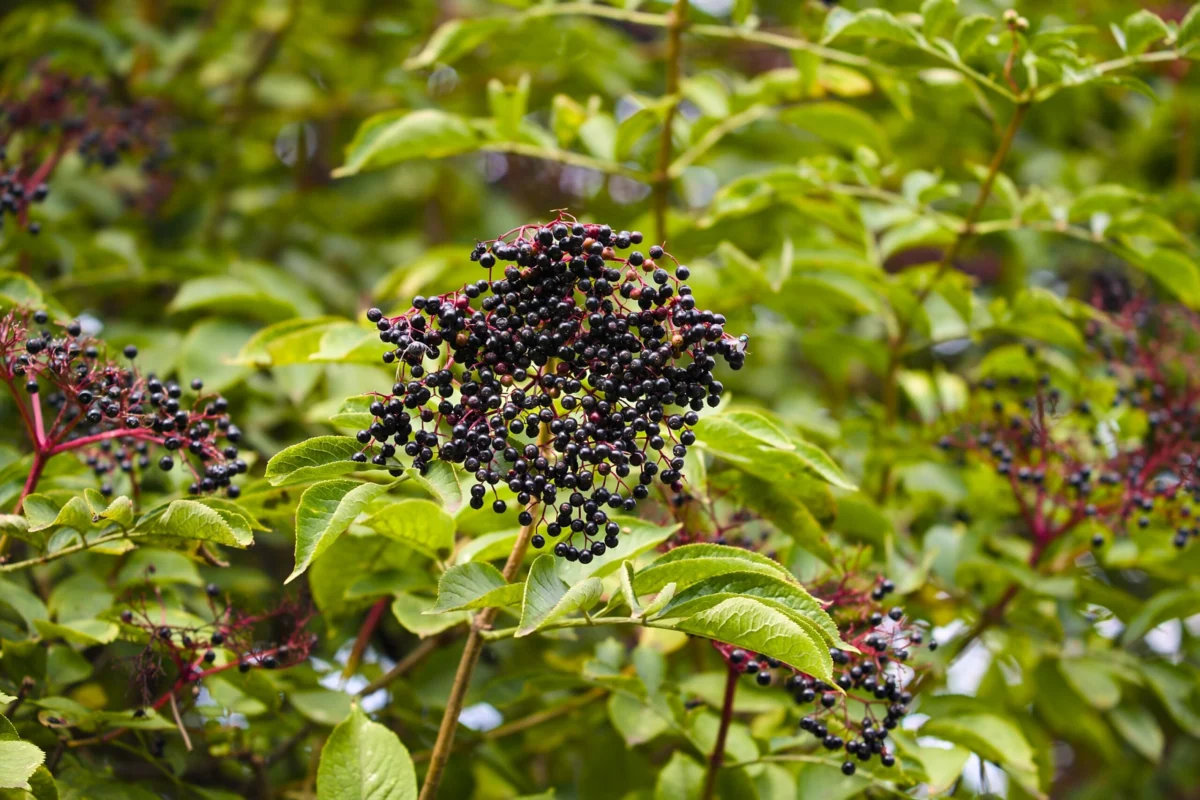
A significant development in the fight against fraudulent ingredients in the dietary supplement industry has emerged with the publication of a new guidance document designed to help responsible companies detect the adulteration of European elderberry (Sambucus nigra) products. Despite a decline in its market dominance since the peak of the COVID-19 pandemic, elderberry remains a highly sought-after botanical, continuing to attract the attention of unscrupulous dealers seeking to exploit its popularity. This new resource, released by the Botanical Adulterants Prevention Program (BAPP), offers crucial analytical tools and methodologies to safeguard product integrity and consumer trust.
The Evolving Landscape of Elderberry Demand and Adulteration
European elderberry experienced an unprecedented surge in demand during the global pandemic, largely attributed to its perceived immune-supporting properties. This heightened consumer interest spurred the launch of hundreds of new elderberry-based products. According to the annual Herb Market Report compiled by the American Botanical Council (ABC), sales of elderberry products in the United States reached $329.6 million in 2020 across mainstream and natural channels. This robust demand continued into 2021, with sales still strong at $304.9 million.
However, the rapid escalation in demand placed immense pressure on the botanical supply chain, which was not adequately equipped to scale production instantaneously. This bottleneck inadvertently created opportunities for adulteration. Reports emerged of products that were either under-strength or contained undeclared, cheaper ingredients designed to mimic the desired properties and appearance of genuine elderberry extract. These deceptive practices allowed adulterators to refine their methods, developing techniques that could bypass less sophisticated analytical testing.
Even as the combined market for elderberry products saw a decrease to $136 million by 2025, the economic incentive for adulteration persisted. BAPP has actively tracked and reported on this issue, publishing a bulletin in 2023 that detailed the ongoing challenges posed by adulterated elderberry ingredients. The common adulterants identified in these products include extracts from black rice (Oryza sativa), as well as substitutions with other anthocyanin-rich plant extracts. Furthermore, blue or purple food colorants have been frequently observed, used to visually mask the presence of these inferior substitutes and deceive rudimentary testing methods.
A Collaborative Effort to Enhance Analytical Rigor
The newly released Lab Guidance Document is the product of extensive research and collaboration among leading experts in natural product chemistry and analysis. The document was meticulously crafted by Oleksandr Shulha, Ph.D., a specialist in natural products chemistry and analysis based in Cherkasy, Ukraine; Gökalp Aycan, Ph.D., an expert in botanical microscopy from Anadolu University in Eskişehir, Türkiye; and Golshan Zare, Ph.D., a botanist from Hacettepe University in Ankara, Türkiye. Their combined expertise has resulted in a comprehensive resource that addresses the complex challenges of identifying authentic European elderberry.
The guidance document underwent a rigorous peer-review process, involving an additional 17 experts in the field, ensuring its scientific validity and practical applicability. This thorough vetting process underscores the commitment of BAPP and its collaborators to providing the industry with reliable and actionable information.
Key Methodologies for Authenticating Elderberry
The guidance document delves into a range of advanced analytical techniques crucial for verifying the identity and purity of elderberry products. It thoroughly reviews the most effective chromatographic and spectrometric/spectroscopic methods. These techniques are instrumental in dissecting the chemical composition of the tested materials, allowing for the precise identification of marker compounds and the detection of foreign substances.
Furthermore, the document explores the utility of genetic testing methods, which are based on DNA analysis. These methods can provide definitive identification of the plant species, offering a powerful tool against botanical substitutions. In addition to these advanced molecular and chemical approaches, the guidance also incorporates original research evaluating the effectiveness and limitations of both macroscopic (visual examination without magnification) and microscopic (examination using a microscope) testing. This multi-faceted approach acknowledges that a combination of analytical strategies often yields the most robust results.
Official Statements and Industry Response
Stefan Gafner, Ph.D., Chief Science Officer of ABC and Director of BAPP, emphasized the continued importance of elderberry in the U.S. market. "Despite a slow decline in retail sales since reaching record numbers during the height of the Covid-19 pandemic, elderberry products are still among the most widely used herbal dietary supplements in the U.S. market," Dr. Gafner stated. "The popularity of the ingredient combined with the competitiveness of the U.S. herbal dietary supplement market may prompt some unethical suppliers to sell fraudulent elderberry extracts adulterated with undisclosed lower-cost blue-colored materials."
He further stressed the necessity for stringent quality control measures. "Therefore, any company purchasing elderberry extracts must use fit-for-purpose laboratory methods to determine ingredient authenticity and detect possible adulteration. The new [guidance] has the most up-to-date information for the selection of reliable analytical methods conveniently summarized in one document," he added. This statement highlights the critical role of the new guidance in equipping manufacturers and suppliers with the knowledge needed to navigate a complex supply chain.
Mark Blumenthal, founder and executive director of ABC and founder of BAPP, underscored the program’s pioneering role in addressing botanical adulteration. "BAPP is the first scientific program that has published a peer-reviewed document confirming the adulteration of elderberry ingredients sold in the international market. Now we’ve gone a step further by reviewing and assessing the fitness and reliability of 22 laboratory analytical methods to confirm the identity of authentic elderberry." This expansion of BAPP’s work signifies a deepening commitment to providing comprehensive solutions for ingredient verification.
Broader Implications for the Supplement Industry
The release of this guidance document has far-reaching implications for the entire dietary supplement industry. For manufacturers and formulators, it represents a vital tool for ensuring the quality and authenticity of their elderberry ingredients, thereby protecting their brand reputation and consumer loyalty. By adopting the recommended analytical methods, companies can mitigate the risks associated with sourcing fraudulent materials, which can lead to product recalls, regulatory scrutiny, and significant financial losses.
For consumers, this initiative translates to increased confidence in the products they choose. The prevalence of adulterated ingredients erodes consumer trust in the natural products market. By empowering companies to implement more robust testing protocols, BAPP and its collaborators are contributing to a safer and more transparent marketplace.
The document’s comprehensive review of 22 analytical methods, spanning chemical, genetic, macroscopic, and microscopic approaches, provides a clear roadmap for laboratories and quality control professionals. This standardization of best practices is crucial for fostering consistency and reliability in ingredient testing across the industry.
The ongoing efforts by organizations like BAPP are essential in upholding the integrity of the dietary supplement sector. As consumer interest in natural health products continues to grow, so too does the potential for deceptive practices. Proactive measures, such as this detailed guidance document, are critical in staying ahead of adulterators and ensuring that consumers receive the safe and effective products they expect. The fight against adulteration is a continuous one, and resources like this guidance document are indispensable in this ongoing endeavor.
Hank Schultz, Senior editor, SupplySide Supplement Journal
September 22, 2026
3 Min Read
