









The dietary supplement industry, long reliant on intricate global supply chains, is facing an unprecedented period of disruption. Recent years have exposed the inherent vulnerabilities within these complex networks, forcing manufacturers to confront challenges that were once manageable but are now increasingly difficult to ignore. Tariffs, soaring transportation costs, persistent geopolitical uncertainty, and an over-reliance on concentrated sourcing regions are collectively impacting ingredient availability, extending lead times, and driving up costs. For the crucial segment of herbs and botanicals, this situation has become a critical concern. The 2026 NBJ Supplement Business Report, a key industry benchmark, identified supply chain risk reduction as a renewed and urgent priority. Companies are actively grappling with potential delays and outright shortages of raw materials, particularly those originating from major global sourcing hubs in India and Asia.
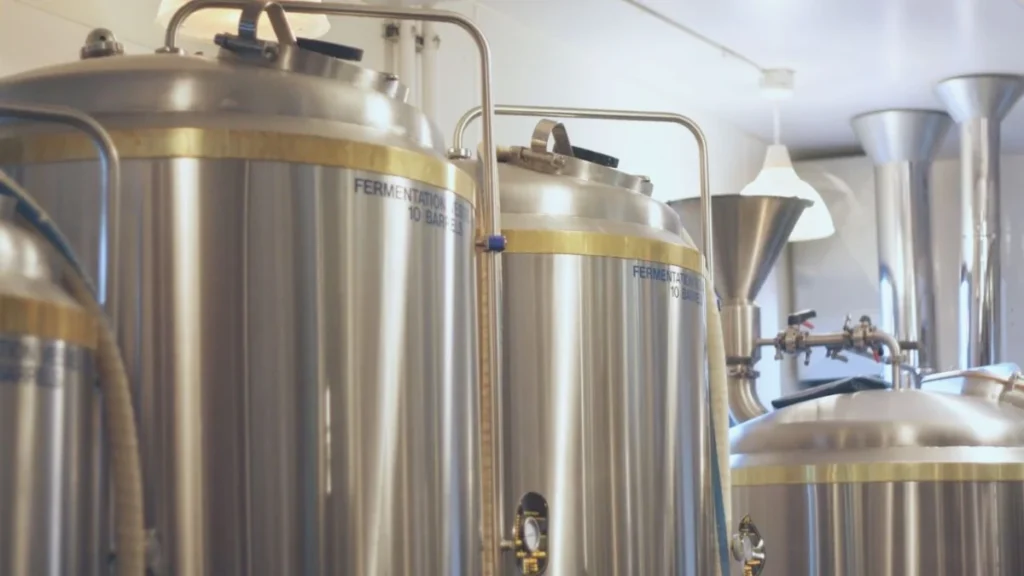
Against this backdrop of mounting supply chain pressures, precision fermentation is emerging as a promising alternative for the production of select dietary supplement ingredients. Market research analysts are projecting rapid growth for this technology, fueled by significant advancements in synthetic biology, microbial engineering, and process optimization, which are continuously broadening its application spectrum. However, it is crucial to temper these enthusiastic growth projections with a dose of reality: precision fermentation is not a universal panacea, nor is it the ideal solution for every single ingredient within the vast supplement landscape. The more pertinent and commercially relevant question is not if it can be used, but rather, when does it genuinely make sound business sense?
Diverse Production Needs Demand Tailored Solutions
For botanical ingredients, precision fermentation should not be misconstrued as a direct replacement for traditional agriculture and extraction methods. The cultivation of plants and subsequent extraction of their active compounds remain the most relevant and economically viable pathways for producing a vast array of ingredients and complex botanical preparations. Instead, precision fermentation should be viewed as an additive tool, an expansion of the available toolkit for ingredient sourcing and production.

At its core, precision fermentation involves a sophisticated biological process. It begins with the identification of a specific target molecule – a compound with desired bioactivity or functional properties. Next, scientists engineer a microorganism, often a yeast or bacterium, to become a biological factory capable of producing this target molecule. The engineered microbe is then cultivated in a controlled fermentation environment. Following the fermentation process, the desired molecule is meticulously separated from the microbial biomass and purified to meet stringent quality specifications. It is vital to understand that the microorganism itself is merely the production system; it is not the finished ingredient intended for consumption. The objective of precision fermentation is not to replicate an entire plant or a complex botanical extract in its natural form. Rather, it aims to produce a specific, isolated molecule that is naturally found in nature, but through an entirely different and controlled production route.
The critical challenge for businesses, therefore, lies in determining precisely where this innovative approach can generate tangible value. This requires a strategic shift in perspective, moving away from a technology-centric view towards a problem-centric approach.
Strategic Evaluation: Prioritizing Problems Over Technologies
A truly effective evaluation of precision fermentation’s potential begins with a thorough assessment of three fundamental considerations: supply, quality, and viability. By starting with the challenges inherent in current ingredient sourcing, companies can more accurately identify where precision fermentation offers a compelling solution.
1. Addressing Supply Chain Vulnerabilities:
The first and perhaps most pressing question is: "Is there a significant supply problem that precision fermentation can effectively solve?" This inquiry necessitates a deep dive into several factors. How concentrated is the target molecule within its traditional botanical source? Is sufficient raw material readily available to meet market demand consistently? Crucially, how exposed is this supply chain to the vagaries of agricultural yields, unpredictable weather patterns, geographic concentration of sourcing, or logistical disruptions?
These questions are particularly pertinent in the current volatile global sourcing environment. Many companies are already proactively responding to supply chain uncertainty by implementing strategies such as multisourcing – diversifying their supplier base – increasing inventory levels to buffer against potential shortages, and building greater formulation flexibility into their product development processes. Precision fermentation offers the potential to significantly expand the portfolio of available ingredients and provide an additional, reliable sourcing option for selected compounds, especially those where conventional supply is either severely constrained, highly variable, or subject to geopolitical instability. For instance, the cultivation of certain rare or slow-growing botanicals can be inherently limited, creating bottlenecks that precision fermentation could circumvent by enabling large-scale production of specific bioactive compounds independent of agricultural constraints.
2. Enhancing Quality and Consistency:
The second critical consideration is whether an alternative production route, such as precision fermentation, can meaningfully improve the quality or consistency of an ingredient. The business case here can encompass several dimensions: achieving higher levels of purity, ensuring greater batch-to-batch consistency, enhancing traceability throughout the production process, or exerting better control over the presence of unwanted compounds and impurities. These factors can become especially important when an ingredient is being developed around a precisely defined bioactive molecule rather than relying on the broader, and sometimes less predictable, characteristics of a whole botanical extract.
Hydroxytyrosol provides a compelling illustration of this principle. This well-known phenolic compound is naturally associated with olives and olive oil, renowned for its antioxidant properties. A precision fermentation approach to hydroxytyrosol is not intended to replicate olive oil itself, which is a complex matrix of hundreds of compounds. Instead, it offers an alternative pathway to producing a highly purified, defined hydroxytyrosol ingredient where precise and consistent specifications are paramount for specific product applications.
Other molecules present a different, yet equally valid, rationale for exploring precision fermentation. Salidroside, for example, is a naturally occurring compound found in the adaptogenic herb Rhodiola rosea. In cases where the sustainability of harvesting Rhodiola rosea is a concern, or where wild harvesting practices are becoming unsustainable, precision fermentation can be considered as a viable alternative production route for obtaining a defined salidroside compound. This approach can help alleviate pressure on wild populations and ensure a consistent supply. The underlying point is not to advocate for the exclusive production of either hydroxytyrosol or salidroside through fermentation. Instead, it highlights how diverse ingredient challenges, ranging from supply limitations to sustainability concerns, may necessitate the evaluation of different production methods.
3. Assessing Commercial Viability:
The third, and arguably most crucial – and often overlooked – question is: "Can the opportunity become commercially viable?" Demonstrating that a microorganism can indeed produce a desired molecule is merely the foundational step in a much longer and more complex journey. True industrialization requires rigorous validation at various scales, achieving sufficient productivity and yield from the fermentation process, developing effective and efficient downstream separation and purification techniques, and establishing reproducible analytical methods to ensure consistent batch quality. Ultimately, the economic equation must align with customer needs and prevailing market expectations. This involves a thorough cost-benefit analysis, considering raw material costs, energy consumption, capital investment in fermentation infrastructure, downstream processing expenses, and regulatory compliance costs.
Commercial readiness extends far beyond the manufacturing floor. Critical aspects such as safety assessments, the generation of robust scientific evidence to support the efficacy and safety of the ingredient, and the identification of the appropriate regulatory pathway must be addressed early in the development process. Treating these as afterthoughts, to be tackled only after the technology is developed, can lead to significant delays and unforeseen obstacles. Proactive engagement with regulatory bodies and investment in comprehensive scientific substantiation are essential for successful market entry and sustained commercial success.
Building Trust in an Evolving Landscape
As novel production technologies like precision fermentation enter categories that are deeply rooted in traditional botanical practices, transparency will be an absolutely essential cornerstone for building and maintaining consumer trust. Companies leveraging these new methods have a responsibility to communicate clearly and comprehensively. This includes detailing precisely what the ingredient is, its botanical reference where applicable, the specific method by which it is produced, and the analytical and scientific evidence that substantiates the quality and efficacy of the finished material. Precision fermentation should not be used as a means to obscure an ingredient’s origins or create confusion. Instead, it should serve to enhance understanding of the production route, offering a clear and traceable pathway from biological engineering to finished product.
Ultimately, the true opportunity presented by precision fermentation lies not in simply identifying more substances that can be fermented. It resides in identifying specific ingredient challenges that are genuinely worth solving – challenges related to supply security, quality enhancement, sustainability, or accessibility – and then rigorously determining whether precision fermentation offers an appropriate, effective, and commercially viable way to address them.
For a significant proportion of ingredients, traditional cultivation and extraction methods will undoubtedly remain the most suitable and optimal solutions. However, for a growing number of others, precision fermentation can provide a vital complementary sourcing option, offer unparalleled levels of consistency, or unlock access to molecules that are otherwise prohibitively difficult or impossible to produce at scale through conventional means. The most innovative and resilient companies within the dietary supplement industry will be those that possess the strategic foresight to recognize and capitalize on these critical differences, integrating diverse production methods into their operations to build more robust and reliable supply chains for the future.
Background and Context: The Shifting Sands of Global Supply
The reliance of the dietary supplement industry on global supply chains is not a new phenomenon. For decades, companies have sourced raw materials, active pharmaceutical ingredients (APIs), and finished products from across the globe, leveraging cost efficiencies and access to specialized agricultural regions. However, a confluence of events in recent years has amplified the fragility of these interconnected systems. The COVID-19 pandemic, starting in late 2019 and extending through 2022, brought global logistics to a standstill. Ports became congested, shipping container availability plummeted, and freight costs skyrocketed. This period starkly illustrated how disruptions in one part of the world could have cascading effects on industries worldwide.
Following the pandemic, geopolitical tensions have further exacerbated supply chain risks. The ongoing conflict in Ukraine, which began in February 2022, has disrupted the supply of key commodities, including agricultural products and energy, impacting transportation costs and availability. Trade disputes and the imposition of tariffs between major economic blocs have also created uncertainty and added to the cost of imported goods. For the supplement industry, which often relies on specific regions for unique botanicals like ashwagandha from India or specific extracts from Southeast Asia, these geopolitical shifts can lead to sudden import restrictions or significant price increases.
The concentration of sourcing for many popular supplement ingredients is another significant vulnerability. For example, a substantial portion of certain medicinal herbs, such as curcumin or certain adaptogens, originates from a limited number of countries. This geographical concentration makes the supply chain susceptible to localized issues such as adverse weather events, political instability, or regulatory changes within those specific regions. This was highlighted in a recent industry report noting that "companies are already responding to uncertainty through strategies including multisourcing, increased inventory and formulation flexibility," demonstrating a clear industry-wide shift towards risk mitigation.
Timeline of Evolving Challenges and Emerging Solutions
- Pre-2020: The dietary supplement industry operates with established global supply chains, with occasional localized disruptions. Supply chain risks are generally considered manageable.
- Late 2019 – 2022: The COVID-19 pandemic triggers widespread global supply chain disruptions. Freight costs surge, port congestion becomes rampant, and ingredient availability becomes a significant concern. This period serves as a wake-up call regarding supply chain fragility.
- February 2022 onwards: The conflict in Ukraine intensifies geopolitical uncertainty, further impacting global logistics, energy prices, and the availability of certain commodities.
- Ongoing: Trade tensions, regulatory shifts in key sourcing countries, and climate change impacts continue to add layers of complexity and risk to traditional supply chains.
- Mid-2020s (Projected): Precision fermentation technologies mature, becoming increasingly cost-effective and scalable for specific high-value ingredients, offering a viable alternative for companies seeking to de-risk their supply chains and enhance ingredient quality. Market researchers project significant growth in this sector.
- Present: Industry reports, such as the 2026 NBJ Supplement Business Report, highlight "supply-chain risk reduction" as a primary focus, underscoring the urgency for innovative solutions.
Analysis of Implications: A Strategic Imperative for Resilience
The implications of these evolving supply chain dynamics are profound for the dietary supplement industry. Companies that fail to adapt risk facing:
- Increased Production Costs: Volatile ingredient prices and higher logistics expenses directly impact profit margins, potentially forcing price increases for consumers.
- Product Availability Issues: Shortages of key ingredients can lead to stock-outs, lost sales, and damage to brand reputation.
- Reduced Product Quality and Consistency: Reliance on less predictable or lower-quality sources to meet demand can compromise the efficacy and safety of finished products.
- Missed Market Opportunities: Inability to secure necessary ingredients can prevent companies from launching new products or meeting growing consumer demand for certain supplements.
Precision fermentation, when strategically applied, offers a pathway to mitigate these risks. By enabling localized or regionalized production of specific molecules, it can reduce reliance on long-distance shipping and geographically concentrated agricultural sources. The inherent control over the production process in fermentation also allows for unprecedented consistency and purity, addressing quality concerns that can arise from traditional sourcing.
However, the successful integration of precision fermentation requires significant investment in research and development, process optimization, and regulatory navigation. Companies must also prioritize clear communication with consumers regarding the origin and production of these novel ingredients to foster trust and acceptance. The long-term success of this technology hinges on its ability to deliver not only technical feasibility but also economic viability and clear benefits over traditional methods for specific, well-defined applications. The industry’s future resilience will likely depend on its capacity to embrace a diversified approach to ingredient sourcing, judiciously leveraging both time-tested agricultural methods and cutting-edge biotechnological solutions like precision fermentation.