










In the evolving landscape of sports nutrition and clinical dietetics, protein has emerged as the cornerstone macronutrient for metabolic health, tissue repair, and muscular hypertrophy. While traditional fitness culture often reduced high-protein dieting to a monotonous regimen of grilled chicken and broccoli, contemporary nutritional science emphasizes the necessity of dietary variety to ensure micronutrient density and long-term adherence. Registered dietitians now advocate for a diversified approach, integrating various animal and plant-based sources to optimize physiological outcomes. This shift reflects a broader understanding of how protein interacts with the body’s endocrine system, its role in satiety, and its superior thermic effect compared to carbohydrates and lipids.
The Biological Significance of Protein and the Thermic Effect
The prioritization of protein in a goal-oriented diet is supported by significant metabolic data. Beyond the foundational role of amino acids in repairing myofibrillar damage incurred during resistance training, protein is essential for the synthesis of hormones and enzymes that regulate everything from sleep to digestion. One of the primary drivers for high-protein intake in weight management is the Thermic Effect of Food (TEF). Research indicates that the body expends significantly more energy processing protein—roughly 20% to 30% of the calories consumed—compared to carbohydrates (5% to 10%) and fats (0% to 3%).

Furthermore, protein’s impact on satiety is a critical factor in dietary compliance. High-protein meals stimulate the release of cholecystokinin (CCK) and peptide YY (PYY), hormones that signal fullness to the brain, while simultaneously suppressing ghrelin, the primary hunger hormone. By focusing on high-protein, low-carbohydrate options, individuals can maintain a caloric deficit or maintenance level with reduced psychological distress from hunger.

Chronology of High-Protein Dietary Trends
The journey of high-protein dieting in the public consciousness has transitioned through several distinct phases over the last century:
- The Early Era (1950s–1970s): Protein was largely viewed through the lens of basic survival and growth. Bodybuilders in the "Golden Era" popularized the consumption of whole eggs and steaks, though scientific quantification was in its infancy.
- The Low-Fat Paradigm (1980s–1990s): High-protein diets were momentarily overshadowed by a national push toward low-fat, high-carbohydrate intake. During this time, lean protein sources like egg whites and skinless chicken breasts became the industry standard.
- The Low-Carb Revolution (2000s): The Atkins and South Beach diets brought high-protein, low-carb eating into the mainstream, though often at the expense of ignoring fat quality.
- The Evidence-Based Era (2010s–Present): Modern dietetics now emphasizes a nuanced approach, focusing on "bioavailable" protein sources and the specific timing of intake. The current consensus for active individuals suggests a range of 0.8 to 1.25 grams of protein per pound of body weight (1.76 to 2.75 grams per kilogram) to maximize muscle protein synthesis.
Comprehensive Analysis of Top Protein Sources
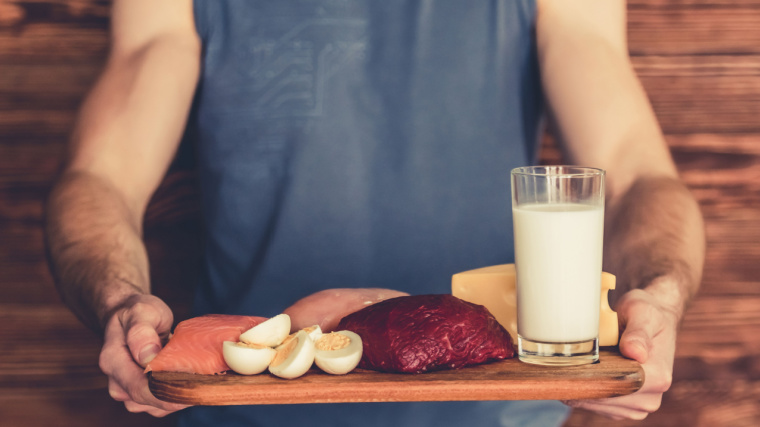
To achieve dietary variety while maintaining a low-carbohydrate profile, registered dietitians highlight 20 specific foods categorized by their nutrient density and culinary versatility.

Marine Proteins: Essential Fatty Acids and Lean Tissue
- Salmon: A premier source of protein that also delivers high concentrations of Omega-3 fatty acids. These fats are instrumental in reducing systemic inflammation, which can accelerate recovery times for athletes.
- Sardines: Often overlooked, sardines provide a dense profile of calcium and Vitamin D. They are highly sustainable and low in heavy metals due to their position in the food chain.
- Tuna: Available in fresh and canned forms, tuna is one of the leanest protein sources available. It is particularly effective for those seeking to maximize protein intake while strictly limiting fat and calories.
- Shrimp: With a high protein-to-calorie ratio, shrimp allows for high-volume consumption. It is also a significant source of selenium, an antioxidant that supports thyroid function.
Avian and Dairy Sources: The Foundation of Bioavailability
- Whole Eggs: Often called the "gold standard" for protein quality, eggs contain all essential amino acids in the correct proportions for human needs. Recent studies have largely debunked the link between moderate egg consumption and heart disease in healthy individuals.
- Egg Whites: For those needing to increase protein without adding fat, liquid egg whites offer a convenient, pasteurized solution that can be added to shakes or cooked traditionally.
- Chicken Breast: The quintessential lean protein. Its mild flavor profile makes it an ideal canvas for various spices, preventing "palate fatigue."
- Chicken Thighs: Offering a slightly higher fat content, thighs are more resistant to overcooking and provide higher levels of iron and zinc than white meat.
- Greek Yogurt: Strained to remove excess whey and lactose, Greek yogurt contains double the protein of standard yogurt. It also provides probiotics essential for gut health.
- Cottage Cheese: High in casein protein, cottage cheese is a "slow-release" protein source, making it an ideal snack before sleep to prevent muscle protein breakdown overnight.
Bovine and Porcine Options: Micronutrient Density
- Sirloin and Strip Steak: These cuts offer a balance of high protein and moderate fat. They are rich in Vitamin B12 and Heme iron, which is more easily absorbed by the body than plant-based iron.
- Ribeye Steak: While higher in fat, the ribeye provides a significant caloric punch and high levels of zinc, supporting immune function and testosterone production.
- Lean Ground Beef (95/5): A versatile staple for meal prepping, ground beef allows for easy tracking of macronutrients in dishes like meatballs or stuffed peppers.
- Beef Liver: A "superfood" among organ meats, liver is exceptionally high in Vitamin A and copper. It has seen a resurgence in popularity among performance-focused athletes.
- Pork Chops and Shoulder: Pork provides high-quality protein and is particularly rich in thiamine (Vitamin B1), which plays a key role in energy metabolism.
- Ham: When cured without excessive added sugars, ham serves as a convenient, lean protein that requires minimal preparation.
Supplemental Proteins: Efficiency and Convenience
- Whey Protein Powder: Derived from milk during cheesemaking, whey is rapidly absorbed, making it the optimal choice for post-workout recovery.
- Casein Protein Powder: The "slow" counterpart to whey, casein forms a gel in the stomach, providing a steady stream of amino acids over several hours and increasing satiety.
Data-Driven Implementation: The 200-Pound Athlete Model
To illustrate the practical application of these foods, dietitians often utilize a baseline model for a 200-pound (90.7-kilogram) athlete. This individual requires approximately 250 grams of protein daily to support a high-intensity training load and maintain lean mass.
Sample Daily Nutritional Breakdown:
- Total Calories: 3,500 kcal
- Protein Target: 250g (1.25g/lb)
- Fat Allocation: 20% of total calories (approx. 78g)
- Carbohydrate Allocation: Remaining calories (approx. 450g)
In this model, the athlete distributes protein intake across five feeding windows. Breakfast may consist of whole eggs and egg whites (50g protein); a mid-morning snack of Greek yogurt and whey (45g protein); lunch featuring lean ground beef (65g protein); a pre-workout snack of cottage cheese (34g protein); and a dinner of chicken breast or sirloin (67g protein). This distribution ensures that the "leucine threshold"—the amount of the amino acid leucine required to trigger muscle protein synthesis—is met at every meal.

Expert Perspectives and Institutional Guidance
Leading nutritional organizations, including the Academy of Nutrition and Dietetics, emphasize that while high-protein diets are effective, they must be balanced with adequate fiber and hydration. "The success of a high-protein, low-carb intervention depends less on the restriction of carbohydrates and more on the quality of the protein sources chosen," notes the consensus among clinical practitioners.
There is also a growing emphasis on the "food first" approach. While supplements like whey and casein are beneficial for convenience, whole food sources provide "food matrices"—the complex assembly of nutrients that work synergistically to improve absorption and health outcomes. For instance, the fats in a whole egg assist in the absorption of the fat-soluble vitamins found in the yolk.
Broader Implications for Public Health
The move toward high-protein, low-carb lifestyles has implications beyond the gymnasium. As the global population ages, the prevention of sarcopenia—the age-related loss of muscle mass—has become a public health priority. Dietitians are increasingly prescribing higher protein intakes for older adults to maintain functional independence.
Furthermore, the metabolic flexibility gained from a low-carb, high-protein approach can assist in the management of Type 2 diabetes and metabolic syndrome. by reducing the insulin response associated with high-carbohydrate meals, individuals can achieve better glycemic control while preserving the metabolic furnace of muscle tissue.
In conclusion, the transition from a "chicken and rice" monotony to a diverse, nutrient-dense protein strategy represents the maturation of sports nutrition. By utilizing the 20 foods identified by registered dietitians, individuals can construct a diet that is not only effective for body composition but is also sustainable, flavorful, and biologically optimized. The integration of scientific data, caloric precision, and culinary variety remains the most reliable path to achieving long-term health and performance goals.