


Nutritional science has increasingly identified protein as the cornerstone macronutrient for both athletic performance and metabolic health, moving beyond the traditional "gym rat" stereotype to a broader clinical understanding of human physiology. While protein is primarily recognized for its role in the repair and synthesis of muscle tissue, its biological utility extends to the production of essential hormones and enzymes. For athletes and individuals focused on body composition, the strategic selection of high-protein, low-carbohydrate foods is no longer just a preference but a foundational component of metabolic efficiency.
The efficacy of a high-protein diet is rooted in two primary physiological mechanisms: the thermic effect of food (TEF) and satiety signaling. Research indicates that protein possesses a significantly higher TEF than fats or carbohydrates, meaning the body expends more energy to process protein, thereby naturally increasing the metabolic rate post-ingestion. Furthermore, protein’s ability to induce satiety through the modulation of hunger hormones like ghrelin makes it a critical tool for dietary compliance. As the fitness industry moves away from monotonous meal plans, registered dietitians are now emphasizing a diverse "protein palette" to ensure micronutrient density and long-term adherence.
A Chronology of Protein Research and Dietary Trends
The prioritization of protein has evolved through several distinct eras of nutritional science. In the early 20th century, protein was viewed primarily through the lens of basic survival and growth. By the "Golden Era" of bodybuilding in the 1960s and 70s, the focus shifted toward massive caloric intake, often dominated by whole milk and eggs.
The 1990s saw the rise of the "Low-Fat" era, which inadvertently led to an increase in refined carbohydrate consumption. However, the early 2000s marked a pivotal shift with the resurgence of high-protein, low-carb protocols such as the Atkins and Paleo diets. Today, the "Evidence-Based Era" utilizes precise macronutrient ratios. Current clinical guidelines typically prescribe protein at 0.8 to 1.25 grams per pound of body weight for active individuals. This precision allows for the customization of diets based on specific goals: weight loss, muscular hypertrophy, or metabolic maintenance.
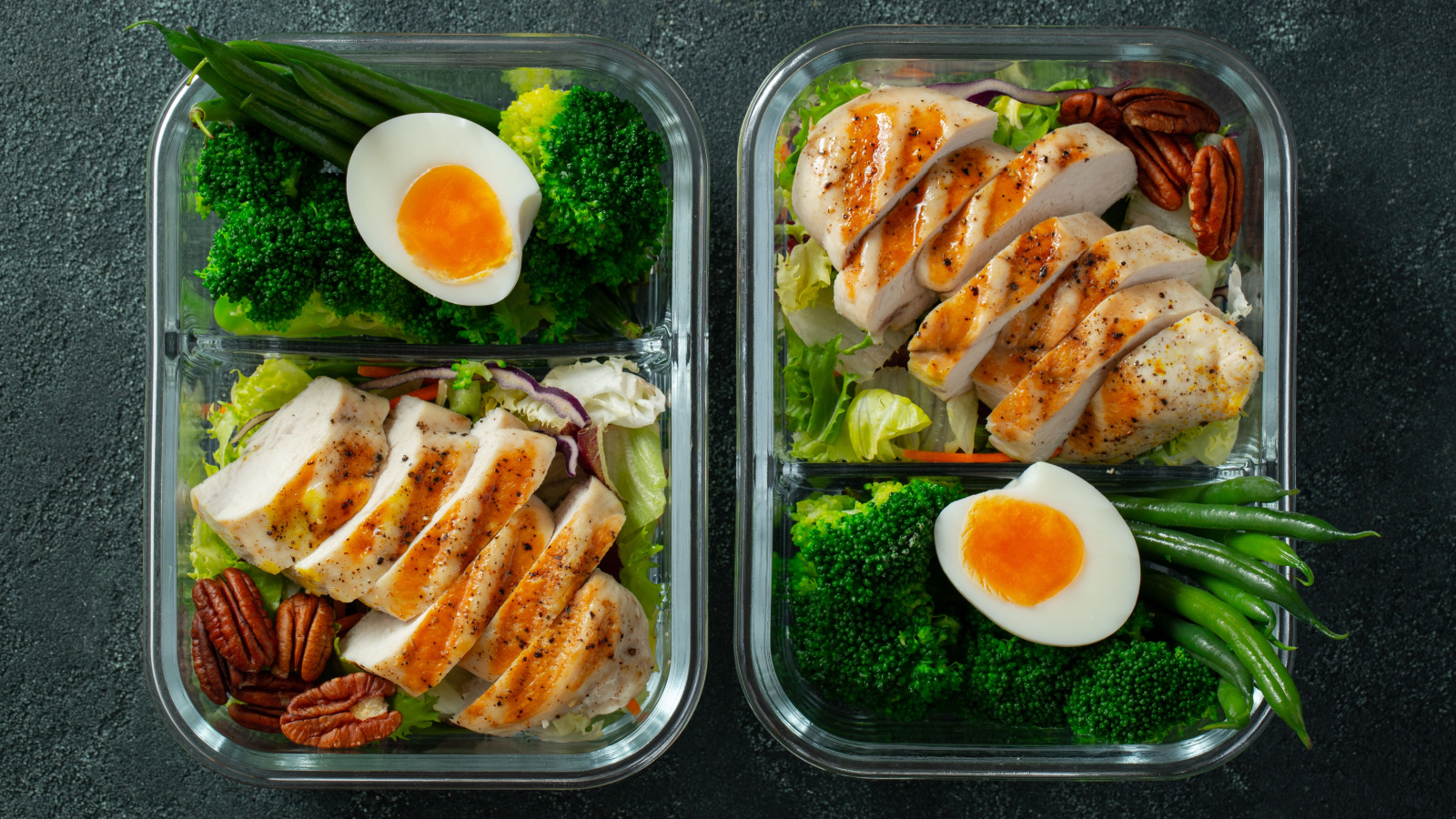
Categorized Analysis of High-Protein, Low-Carb Sources
To facilitate a varied and effective diet, nutritional experts have identified 20 key foods that offer high protein density with minimal carbohydrate impact. These are categorized by their fat content and micronutrient profiles to allow for strategic meal planning.
High-Omega Seafood and Lean Shellfish
Seafood remains a premier source of protein due to its unique fatty acid profiles.
- Salmon: Beyond its protein content, salmon is a primary source of omega-3 fatty acids, which are linked to reduced systemic inflammation and improved cardiovascular health. Its moderate fat content provides a superior mouthfeel, making it a sustainable staple for long-term dieting.
- Sardines: Often overlooked, sardines are a nutrient powerhouse. They provide significant levels of Vitamin D and Calcium, especially when consumed with bones, alongside a robust protein-to-fat ratio.
- Tuna: Available in fresh, canned, or pouched forms, tuna is one of the leanest protein sources available. It is particularly effective for those looking to maximize protein intake while keeping total calories low.
- Shrimp: This shellfish is notable for its high volume-to-calorie ratio. Rich in selenium and vitamin B12, shrimp allows for larger portion sizes, which can psychologically assist individuals during calorie-restricted phases.
Poultry and Avian Sources
Poultry serves as a versatile "blank slate" for various flavor profiles, preventing the "diet fatigue" often associated with repetitive eating.
- Chicken Breast: The quintessential lean protein, chicken breast is almost entirely devoid of fats and carbohydrates, making it the most efficient way to hit high protein targets.
- Chicken Thighs: While slightly higher in fat than the breast, thighs offer a more robust mineral profile, including higher levels of iron and zinc, and are less prone to drying out during cooking.
- Whole Eggs: Often called the "gold standard" of protein, eggs contain all essential amino acids in a highly bioavailable form. The yolk provides choline, a nutrient essential for brain health and lipid metabolism.
- Egg Whites: For those needing to increase protein without adding fat, liquid or separated egg whites offer a pure protein source that can be easily integrated into shakes or voluminous scrambles.
Red Meats and Organ Meats
While red meat has faced scrutiny in the past, lean cuts provide essential nutrients like heme iron and creatine that are difficult to obtain from other sources.
- Sirloin and Strip Steak: These are among the leanest cuts of beef, offering a high-protein yield with manageable fat content. They are excellent sources of Vitamin B12.
- Ribeye Steak: For those on higher-calorie or ketogenic-leaning plans, the ribeye provides significant fat marbling, which enhances satiety and provides a dense energy source.
- Lean Ground Beef (95/5): This provides the convenience of ground meat with a fat profile comparable to poultry, making it ideal for burgers, bowls, and meal prep.
- Beef Liver: Once a staple of old-school bodybuilding, liver is making a resurgence due to its status as a "nature’s multivitamin." It is exceptionally high in Vitamin A, copper, and B vitamins.
Pork and Prepared Meats
Pork offers a different amino acid profile and variety in texture that can break the monotony of beef and chicken.

- Pork Chops: Lean cuts of pork are comparable to chicken in calorie density but provide a different suite of micronutrients, including thiamine.
- Pork Shoulder: While higher in fat, it is ideal for slow-cooking methods, providing a moderate-fat protein source that can be used in diverse cuisines.
- Ham: When cured without excessive added sugars, ham is a lean, convenient protein that requires no additional cooking, making it an excellent "on-the-go" option.
Dairy and Supplemental Proteins
Modern dairy processing has allowed for the isolation of protein from lactose, resulting in high-protein, low-carb options.
- Cottage Cheese: A slow-digesting dairy source, cottage cheese is rich in casein protein, which provides a steady release of amino acids into the bloodstream.
- Greek Yogurt: By straining the whey, Greek yogurt achieves a protein density nearly double that of traditional yogurt. It also provides probiotics, which are essential for the gut health often taxed by high-protein diets.
- Whey Protein Powder: As a byproduct of cheesemaking, whey is rapidly absorbed, making it the ideal post-workout recovery tool.
- Casein Protein Powder: Conversely, casein gels in the stomach, slowing digestion. This makes it a strategic choice for evening consumption to prevent muscle protein breakdown during sleep.
Expert Perspectives and Clinical Implications
Dietitians emphasize that the "best" protein source is the one that an individual can consume consistently. According to industry consensus, the primary reason for diet failure is not a lack of knowledge, but a lack of variety. By rotating through these 20 sources, individuals can avoid micronutrient deficiencies—such as the B12 anemia sometimes seen in poultry-exclusive diets or the zinc deficiencies seen in plant-heavy diets.
"The goal is metabolic flexibility," states the prevailing nutritional theory. By utilizing low-carb protein sources, the body is encouraged to maintain stable blood glucose levels, which reduces insulin spikes and promotes fat oxidation. This is particularly relevant given the current global health climate, where metabolic syndrome and insulin resistance have reached epidemic proportions.
Case Study: A Day in the Life of a High-Performance Athlete
To illustrate the practical application of these foods, consider a 200-pound athlete requiring 3,500 calories to maintain muscle mass while undergoing rigorous training. The following plan balances high protein intake (approx. 250g) with strategic carbohydrate and fat placement.
Meal 1: High-Volume Start
A scramble consisting of 2 whole eggs and 1 cup of egg whites, paired with high-fiber carbohydrates like oats and berries. This provides 50g of protein with a mix of fast and slow-digesting fats.

Snack 1: Recovery and Convenience
A whey protein shake blended with a banana and almond butter. This ensures 45g of protein is delivered quickly to the muscles post-training.
Meal 2: Nutrient-Dense Lunch
7 ounces of grilled chicken breast with a large serving of rice and vegetables. This "clean" meal provides 65g of protein and the bulk of the day’s carbohydrates for glycogen replenishment.
Snack 2: Satiety Focus
1 cup of 2% Greek yogurt topped with almonds. With 34g of protein, this snack bridges the gap to dinner, preventing mid-afternoon energy crashes.
Meal 3: Micronutrient-Rich Dinner
8 ounces of sirloin steak with a baked potato and green beans. This final meal provides 67g of protein, rich in iron and zinc to support overnight recovery.
Broader Impact on Public Health and Aging
The implications of high-protein, low-carb dietary strategies extend beyond the gym. Geriatric nutrition research increasingly points to "protein leverage" as a key factor in combating sarcopenia—the age-related loss of muscle mass. For the aging population, consuming high-quality proteins like salmon, eggs, and Greek yogurt is essential for maintaining mobility and metabolic independence.
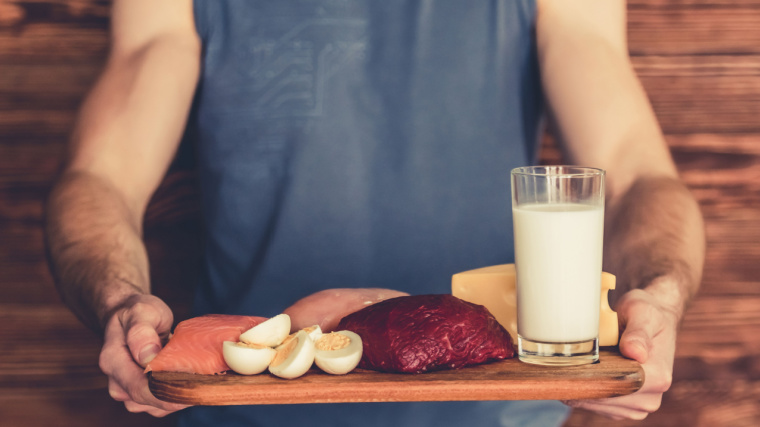
Furthermore, from a public health perspective, the move toward whole-food protein sources over processed, carbohydrate-heavy "filler" foods could significantly impact the trajectory of type 2 diabetes and obesity. By focusing on the 20 foods outlined, consumers can navigate the modern food environment with a "protein-first" mindset that prioritizes satiety and metabolic health over caloric convenience.
In conclusion, the transition to a high-protein, low-carb lifestyle is most successful when it is built on a foundation of variety and scientific understanding. By leveraging the unique benefits of various meats, seafood, dairy, and supplements, individuals can achieve their physical goals while enjoying a sustainable and flavorful diet.
