

Creatine stands as one of the most extensively researched and widely adopted supplements for individuals seeking to enhance muscle growth, improve athletic performance, and accelerate recovery. While often associated with elite athletes and bodybuilders, its benefits extend to a broader audience aiming to optimize their physical potential. The market offers a diverse array of creatine products, including powders, capsules, and gummies, each utilizing various forms of creatine and sometimes incorporating additional ingredients to support specific fitness goals. Navigating this extensive selection can be challenging, making expert guidance and thorough product testing crucial for informed decision-making.
To identify the most effective creatine supplements, a comprehensive evaluation was conducted, involving extensive product testing and consultation with certified personal trainers and nutritionists. The assessment focused on key attributes such as taste, mixability, ingredient quality, dosage accuracy, and affordability. The following selections represent the top-tier creatine supplements available, suitable for individuals of all genders looking to leverage the proven benefits of creatine.
Understanding Creatine: The Science Behind the Supplement
Creatine is a naturally occurring compound synthesized in the body from three amino acids: arginine, glycine, and methionine. The majority of the body’s creatine reserves, approximately 95%, are stored in skeletal muscle tissue. Dietary sources of creatine include red meat and seafood, but supplementation offers a concentrated and convenient way to increase muscle creatine stores.
The primary mechanism by which creatine enhances athletic performance lies in its role in energy production. Creatine phosphate (CrP) is converted into adenosine triphosphate (ATP), the universal energy currency of cells, particularly crucial during high-intensity, short-duration activities. This ATP regeneration process allows for more powerful muscle contractions and improved performance during demanding exercise bouts.
Key Benefits of Creatine Supplementation
Extensive scientific literature supports several key benefits associated with creatine supplementation:
- Enhanced Athletic Performance: Research consistently demonstrates that creatine supplementation can significantly improve performance in activities requiring bursts of high-intensity effort, such as sprinting, weightlifting, and team sports. Studies have shown increased strength, power output, and the ability to perform more work over multiple sets during training sessions.
- Increased Muscle Mass: Creatine is well-known for its anabolic properties. It aids in drawing water into muscle cells, a phenomenon known as cell volumization, which can promote muscle growth. Furthermore, when combined with resistance training, creatine supplementation has been shown to amplify gains in both total muscle mass and strength. A 2023 meta-analysis indicated a notable increase in skeletal muscle hypertrophy in both upper and lower body regions when creatine supplementation was integrated with resistance training protocols.
- Accelerated Recovery: The process of muscle repair and regeneration is critical for consistent training progress. Creatine supplementation has been shown to reduce muscle damage incurred during intense exercise, thereby potentially shortening recovery times between strenuous activity bouts.
- Reduced Muscle Soreness: While creatine may not entirely prevent muscle damage, studies suggest it can mitigate the immediate post-exercise muscle soreness experienced after resistance training sessions.
- Cognitive Enhancement: Beyond its physical benefits, emerging research indicates that creatine may also positively impact cognitive function. The brain relies heavily on ATP for its operations, and creatine’s role in ATP production suggests potential benefits for cognitive tasks, particularly those demanding speed and quick thinking.
- Improved Bone Density and Muscle Health in Older Adults: A 2021 study highlighted that a year of creatine supplementation combined with resistance training led to favorable changes in bone area and muscle density in older adults, suggesting broad health implications regardless of sex.
Understanding Different Forms of Creatine
The market features several forms of creatine, each with distinct characteristics:
- Creatine Monohydrate: This is the most studied and widely used form of creatine. Its efficacy and safety are well-established in scientific literature.
- Micronized Creatine Monohydrate: This form is processed to reduce particle size, theoretically enhancing its solubility and absorption. However, current research suggests no significant difference in bioavailability compared to standard creatine monohydrate.
- Creatine Ethyl Ester: While designed for potentially enhanced absorption, research indicates that this form is not as effective as creatine monohydrate.
- Creatine Nitrate: This form combines creatine with a nitrate molecule. Some studies suggest it may be more bioavailable than monohydrate, but more research is needed to confirm these findings.
- Buffered Creatine: Manufactured with added alkaline substances, this creatine has a higher pH. Studies have shown minimal differences in training gains compared to creatine monohydrate.
Top Creatine Supplement Selections
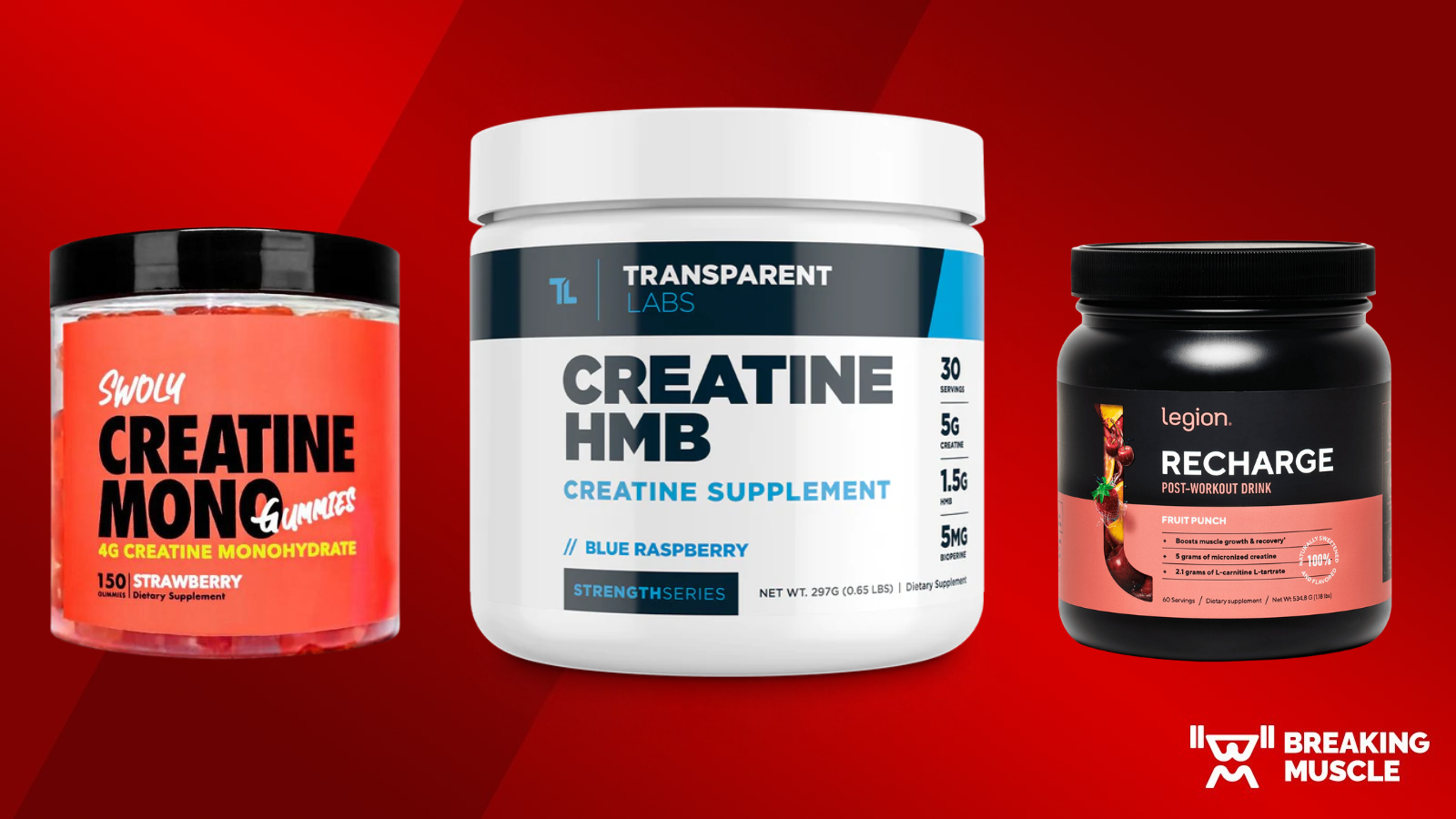
Best Creatine Monohydrate: Transparent Labs Creatine HMB
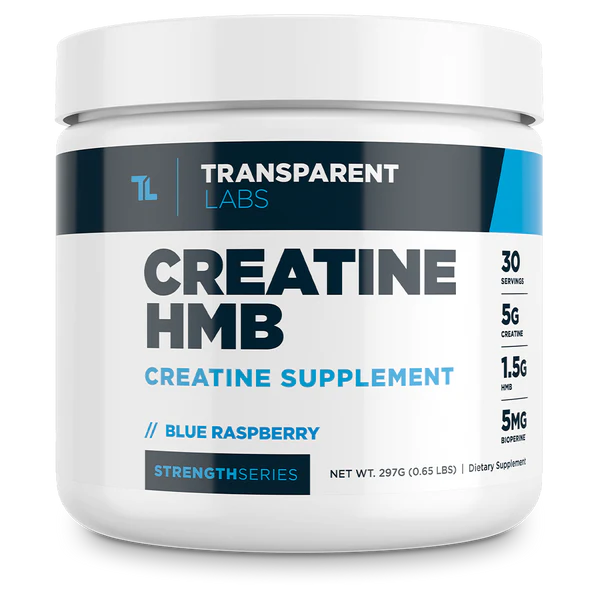
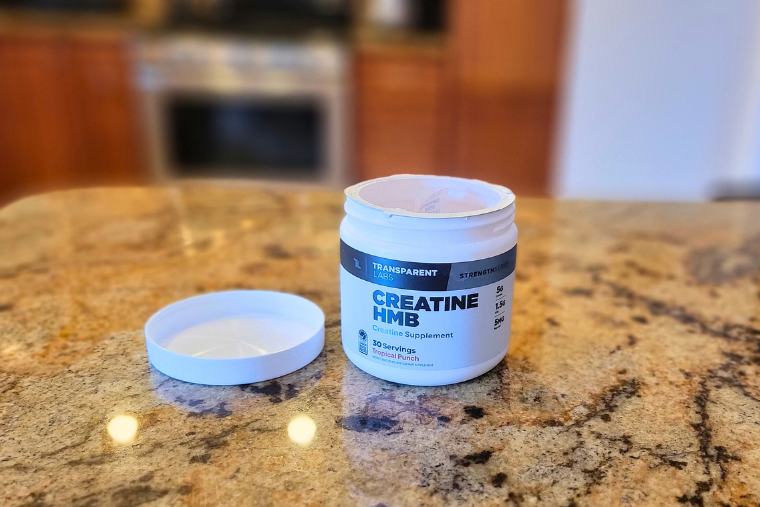
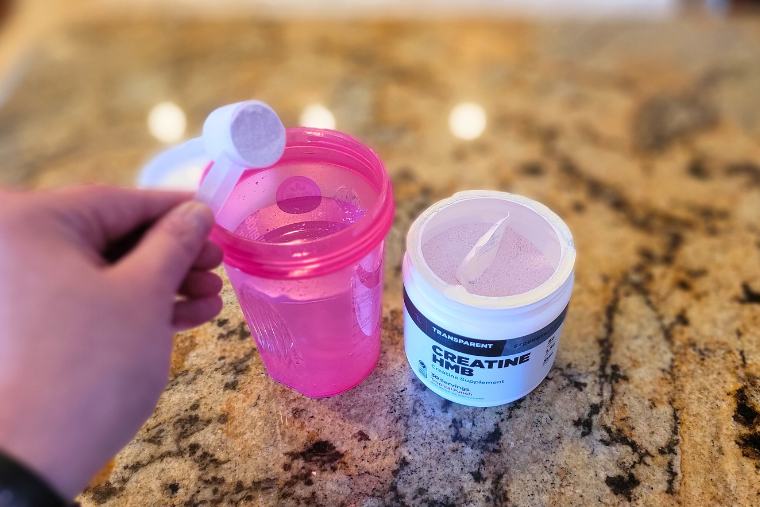
Transparent Labs Creatine HMB stands out as a premier choice for creatine monohydrate. Each serving provides 5 grams of creatine monohydrate, aligning with the researched-backed dosage for optimal athletic performance. This formulation also includes Beta-hydroxy Beta-methylbutyrate (HMB), a compound naturally produced by the body from the amino acid leucine. While further research is ongoing, some studies suggest HMB may contribute to muscle growth. The inclusion of BioPerine, a black pepper extract, is intended to enhance nutrient bioavailability, although its specific impact on creatine and HMB absorption requires more investigation.
The product boasts an excellent formulation score and is praised for its taste, with 13 available flavors, including an unflavored option. Testers have noted positive experiences with flavors like Blue Raspberry and Strawberry Lemonade, appreciating the use of stevia extract for sweetness. However, some users have reported a slightly bitter undertone, potentially due to the BioPerine.
Best Creatine for Athletes: Sports Research Creatine Monohydrate
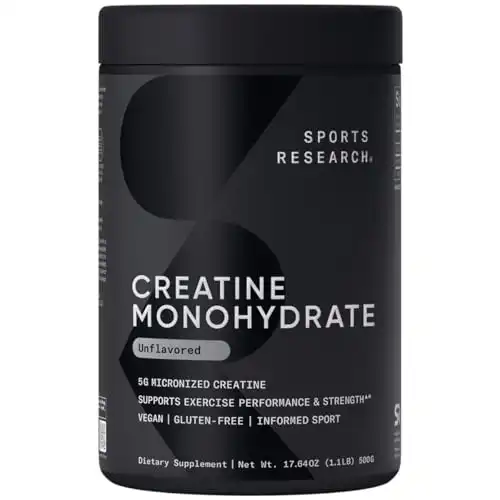
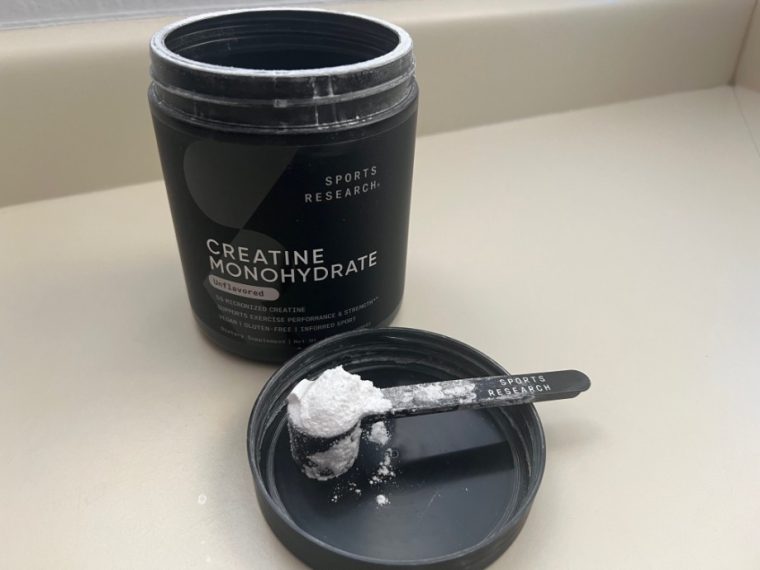
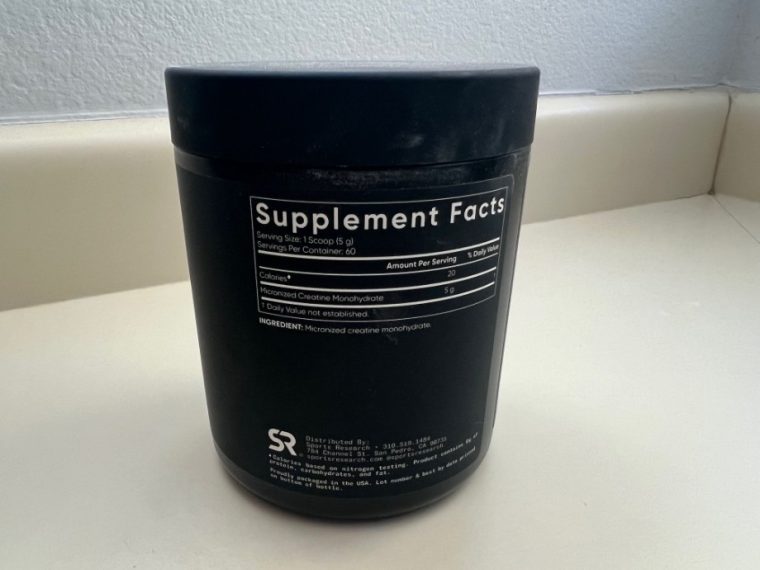
Sports Research Creatine Monohydrate is an excellent option for athletes, particularly those subject to drug testing. It delivers the recommended 5-gram dose of creatine per serving and holds Informed Sport Certification, signifying third-party testing for purity and the absence of banned substances. The use of micronized creatine is intended to improve solubility, contributing to its exceptional mixability and a 5-star rating in this category. While testers found it to be truly tasteless and easy to mix, it is only available in an unflavored powder form.
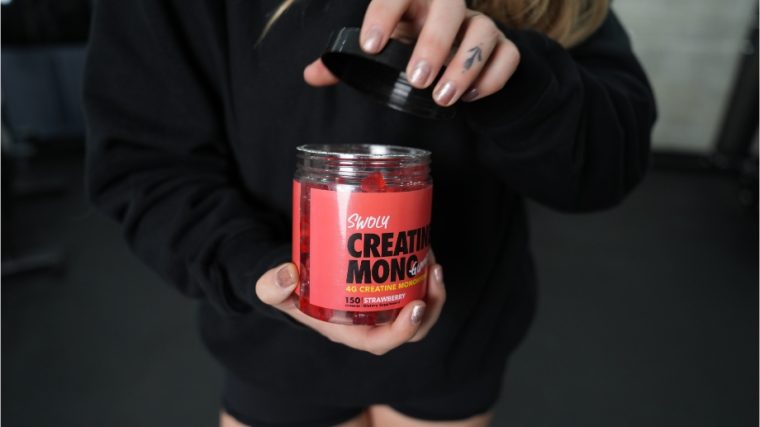
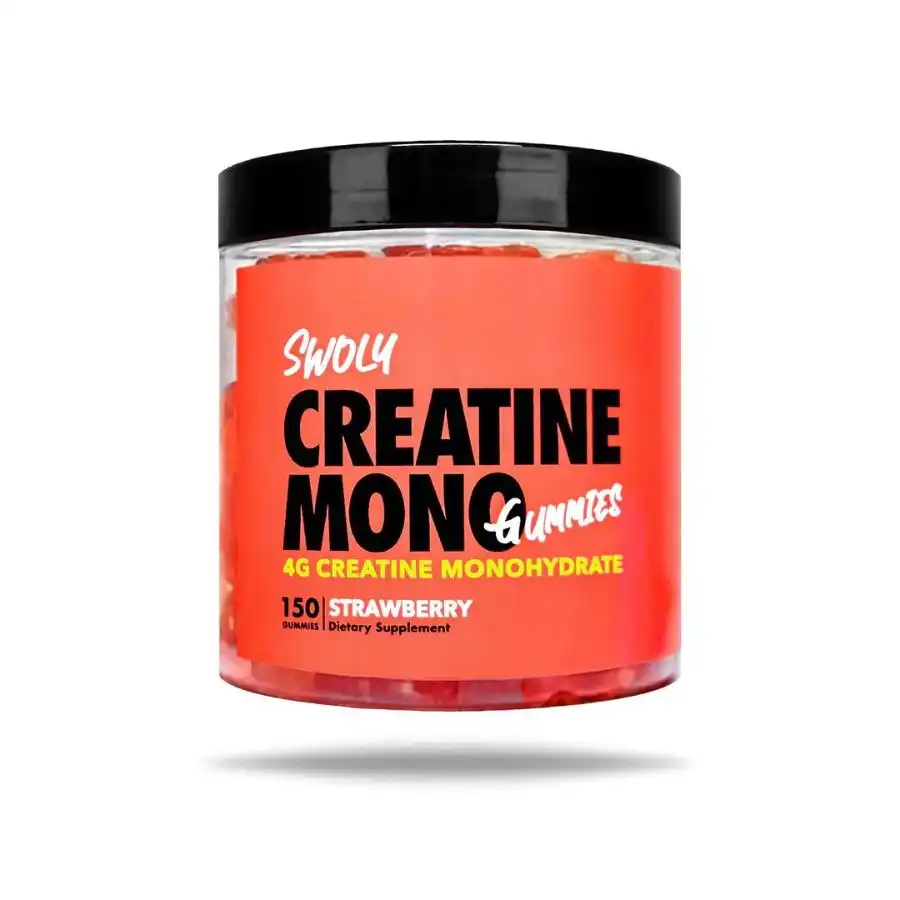
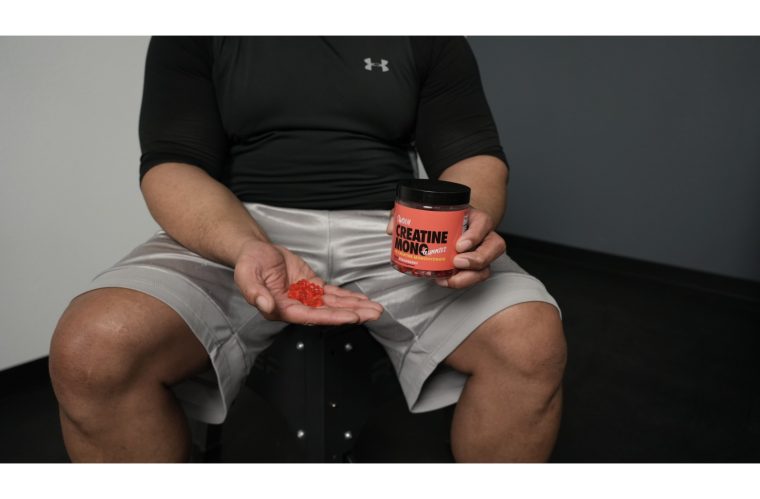
Best Creatine Gummies: Swoly Creatine Mono Gummies
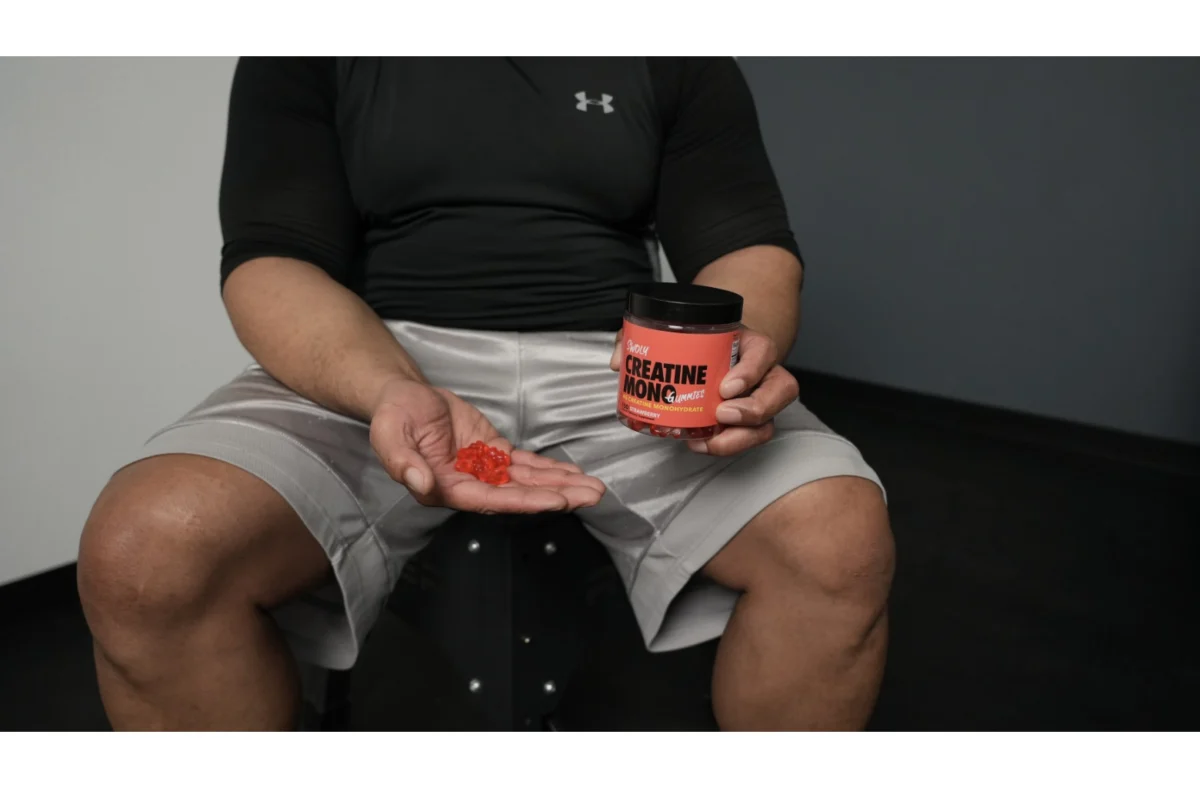
For individuals seeking convenience and an alternative to powders, Swoly Creatine Mono Gummies offer a palatable solution. Available in a single Strawberry flavor, these gummies have received high marks for taste, described as reminiscent of premium fruit snacks. However, a key consideration is that a serving comprises five gummies, delivering 4 grams of creatine monohydrate, which falls slightly short of the optimal 5-gram dose for some individuals, particularly larger athletes who may need to consume more. The formulation includes added sugars and artificial ingredients, impacting its overall formulation score.
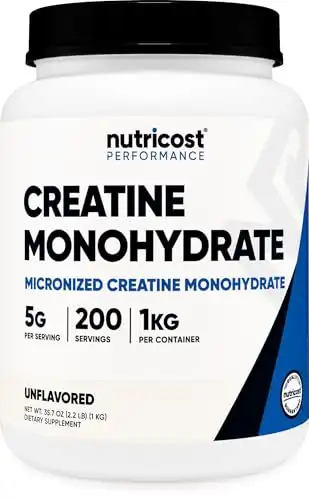
Best Value Creatine: Nutricost Micronized Creatine Monohydrate
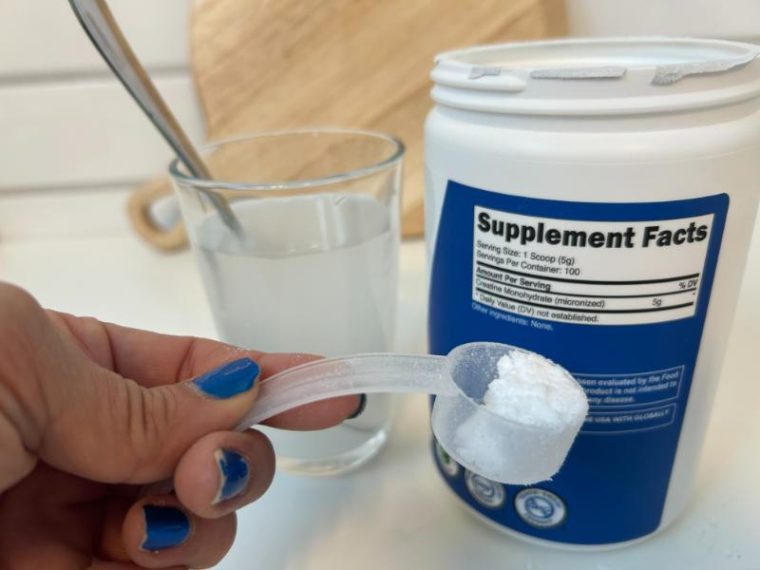
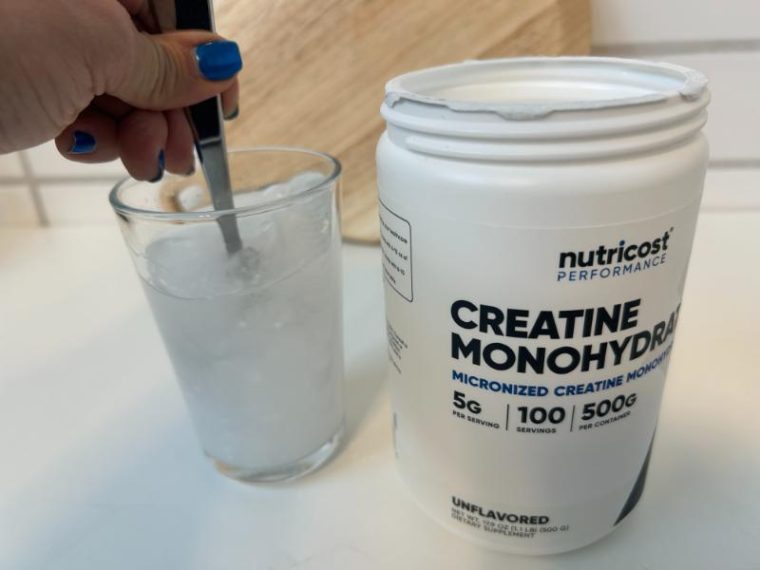
Nutricost Micronized Creatine Monohydrate presents a compelling value proposition, being the most affordable option on the list at approximately $0.20 per serving. Despite its budget-friendly price, it undergoes third-party testing, a feature often found in more expensive supplements. While the transparency regarding the specifics of its third-party testing process could be enhanced, Nutricost offers a solid 5-gram dose per serving, earning a perfect formulation score. The product comes in five flavor options, including Blue Raspberry, Fruit Punch, Pineapple Mango, Watermelon, and Unflavored. However, the use of sucralose as a sweetener warrants consideration, as it may cause gastrointestinal issues in some individuals at high doses. Solubility has been noted as a potential drawback, with some testers observing settling in the mixture.
Best Flavored Creatine: Legion Recharge Post-Workout
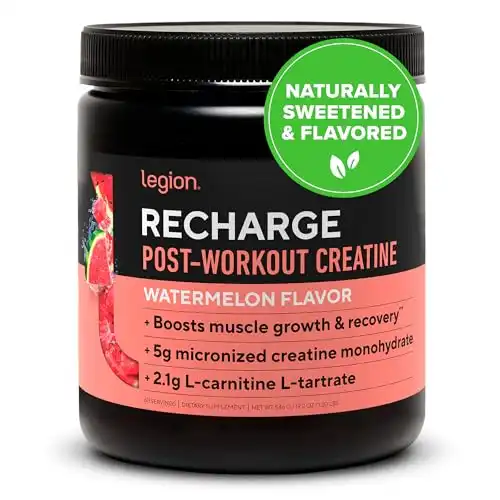
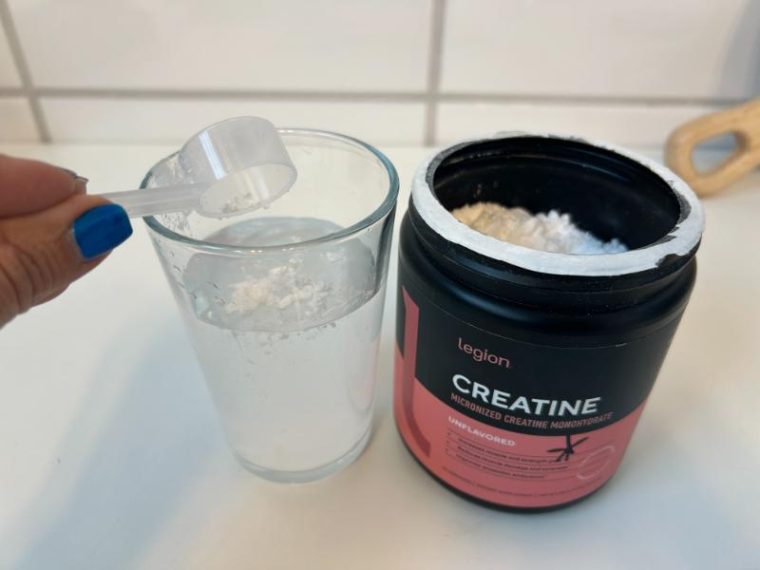
Legion Recharge Post-Workout is distinguished by its superior flavor profiles, addressing the common issue of chalky or bitter tastes associated with some unflavored creatine powders. Available in six flavors, including a highly praised Strawberry Lemonade, it has garnered positive feedback for taste and solubility. Each serving contains a research-backed 5g dose of micronized creatine. Beyond creatine, Recharge incorporates L-carnitine and corosolic acid, ingredients associated with fat metabolism and blood sugar regulation, respectively. However, this comprehensive formulation comes at a higher price point, making it a less budget-friendly option.
Best Creatine Pills: Optimum Nutrition Micronized Creatine Capsules
Optimum Nutrition Micronized Creatine Capsules provide a convenient, tasteless alternative for those who prefer to avoid mixing powders. The capsules are easy to swallow, although they are relatively large. A key consideration is the serving size: two capsules provide 2.5 grams of creatine, necessitating the consumption of four capsules to reach the recommended 5-gram dose. This can increase the cost per serving and may be cumbersome for individuals requiring higher dosages. The ingredient list is simple, comprising creatine monohydrate, gelatin, and magnesium stearate, making it unsuitable for vegetarians and vegans due to the gelatin.
Best Creatine for Muscle Growth: Gnarly Creatine
Gnarly Creatine distinguishes itself by utilizing 100% CreaPure® creatine monohydrate, recognized as a gold standard for purity and effectiveness, manufactured in Germany. Each serving provides the optimal 5-gram dose, supporting physique-building goals when combined with adequate resistance training. Furthermore, Gnarly Creatine is NSF Certified for Sport and NSF Content Certified, ensuring purity and freedom from banned substances, making it an ideal choice for competitive athletes. While its purity and formulation are exceptional, some testers noted that it does not mix as readily as other options, settling to the bottom of the shaker.
How to Choose the Right Creatine Supplement
Selecting the best creatine supplement involves considering several critical factors:

- Creatine Per Serving: The most effective dosage for most individuals is between 3 to 5 grams daily. Larger individuals may require up to 0.1 grams per kilogram of body weight for optimal saturation.
- Other Ingredients: Some supplements include additional compounds like HMB or L-carnitine to enhance specific benefits. Evaluate whether you prefer a pure creatine product or one with complementary ingredients based on your fitness objectives.
- Fillers and Additives: Be mindful of artificial ingredients, sweeteners, and fillers, especially if you prioritize a clean supplement profile. Some products, like gummies, may contain added sugars and artificial components.
- Third-Party Testing: Given that supplements are not regulated by the FDA, third-party testing provides assurance of product purity, accuracy of label claims, and absence of contaminants or banned substances. Certifications from organizations like NSF Certified for Sport or Informed Sport are particularly valuable for athletes.
Creatine Loading and Safety Considerations
A creatine loading phase, involving a higher daily intake (20-25 grams) for up to a week, can accelerate muscle creatine saturation. However, it is not essential, as consistent daily intake of 3-5 grams will achieve similar results over time.
Creatine supplementation is generally considered safe for healthy individuals, with studies indicating no adverse effects from short-term or long-term use at recommended dosages. However, individuals with pre-existing kidney or liver conditions, or those taking medications affecting kidney function, should consult a healthcare professional before use. Creatine is not recommended for individuals under 18 years of age due to a lack of comprehensive long-term research in this demographic.
Frequently Asked Questions About Creatine
- What is micronized creatine? Micronized creatine is processed into smaller particles to enhance solubility, though research does not indicate it is more bioavailable than standard creatine monohydrate.
- When is the best time to take creatine? Post-workout intake is often recommended due to increased muscle uptake, and consuming it with carbohydrates can enhance absorption via insulin response.
- Is creatine bad for you? No, extensive research shows that creatine monohydrate is safe for healthy individuals when used appropriately.
- How much creatine should I take? A daily dose of 3 to 5 grams is generally recommended for most individuals, with larger athletes potentially benefiting from slightly higher doses based on body weight.
- Does creatine lead to weight gain? Creatine can increase lean muscle mass, which may lead to an increase in overall body weight. However, it does not contribute to fat mass gain.
