

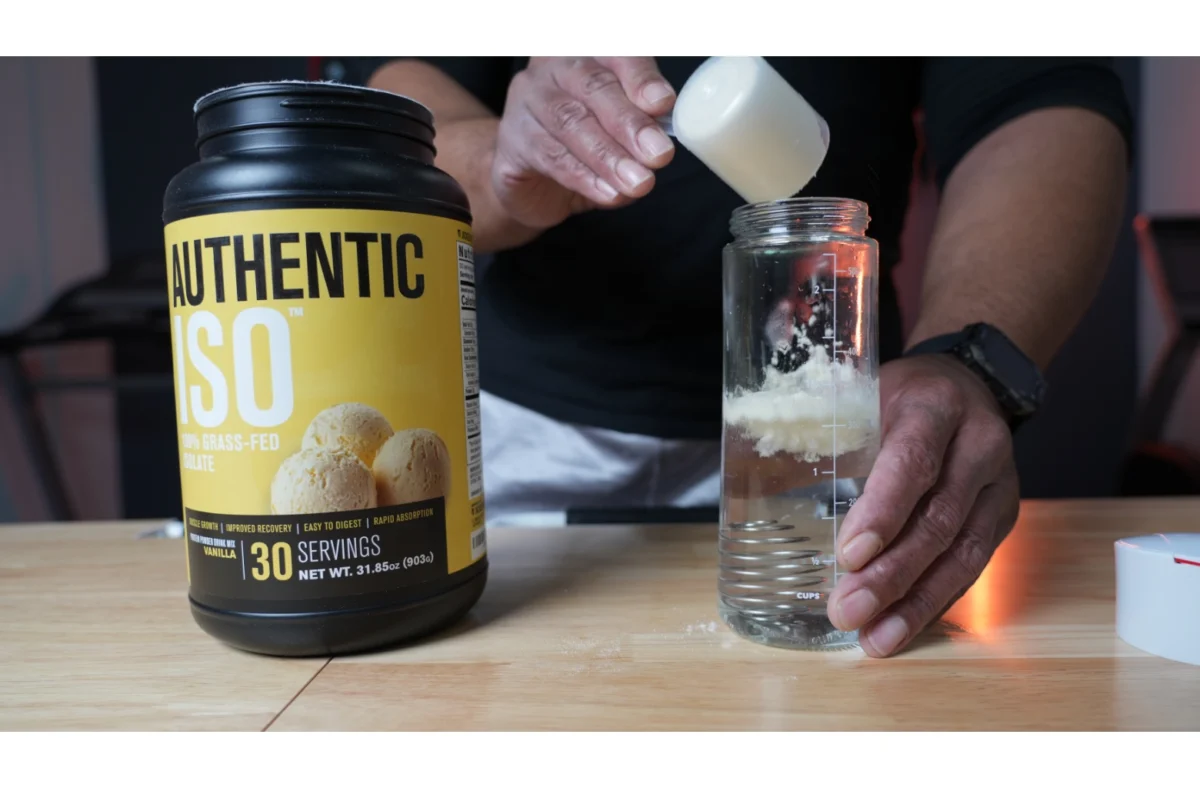
When the goal of weight loss is articulated, the underlying aspiration is often the reduction of excess body fat. However, without a carefully constructed strategy, a caloric deficit can lead to the unintended loss of valuable muscle tissue alongside fat. To mitigate this muscle loss, a comprehensive approach integrating resistance training, adequate sleep, and a protein-rich diet is paramount. Protein plays a critical role in weight management, influencing satiety, metabolic rate, and muscle preservation. While rigorous resistance training provides the physiological signal for muscle retention, a high-protein diet ensures the body has a sufficient supply of amino acids, thereby preventing the catabolism of muscle for energy. Protein powders offer a convenient and lean method to meet daily protein requirements while maintaining a calorie deficit. Following extensive testing of over 100 products, nine protein powders have been identified as optimal for individuals seeking to lose weight.
Understanding the Science: Protein’s Role in Weight Management
The efficacy of protein in weight management is rooted in several physiological mechanisms. Protein has a higher thermic effect than carbohydrates or fats, meaning the body expends more energy to digest and metabolize it. This contributes to a slightly higher calorie burn throughout the day. Furthermore, protein is renowned for its satiating properties. Consuming adequate protein can help individuals feel fuller for longer, reducing overall calorie intake and curbing cravings, which is particularly beneficial when managing a caloric deficit. Research published in journals like the American Journal of Clinical Nutrition has consistently demonstrated the link between higher protein intake and improved appetite control and reduced subsequent food consumption.
The preservation of lean muscle mass during a calorie deficit is another critical aspect where protein excels. Muscle tissue is metabolically active, and its maintenance is crucial for a healthy metabolism. When the body is in a caloric deficit, it may break down muscle tissue for energy if protein intake is insufficient. Resistance training signals the body to retain muscle, but protein provides the necessary building blocks—amino acids—to support this process. Studies, such as those examining the impact of very-low-calorie diets, highlight the significant risk of muscle loss without adequate protein support and appropriate training stimulus.
Methodology: Rigorous Testing for Optimal Selection
The selection of the top protein powders for weight loss was the result of a meticulous testing process. Over 100 different protein powders were evaluated based on a multifaceted set of criteria designed to identify products that are not only effective for weight management but also of high quality and user-friendly. Key factors considered included:
- Protein Content and Quality: The primary focus was on the protein-to-calorie ratio, ensuring a high percentage of calories derived from protein. Protein sources like whey isolates, soy isolates, and pea isolates were prioritized due to their efficient processing that removes excess carbohydrates and fats.
- Caloric Density: Protein powders with a moderate calorie count per serving, generally between 100 and 160 calories, were preferred. The emphasis was on ensuring the majority of these calories originated from protein to support weight loss efforts without excessive caloric intake.
- Ingredient Purity and Quality: The ingredient lists were scrutinized for added sugars, artificial sweeteners, fillers, and other unnecessary additives. A preference was given to products with minimal, high-quality ingredients.
- Taste and Mixability: Subjective yet crucial, taste and how well the powder mixes with liquids were assessed. A palatable and easily mixable product is more likely to be consumed consistently.
- Third-Party Testing and Certifications: Products that undergo independent third-party testing for purity, potency, and safety (e.g., Informed Choice, NSF Certified for Sport) were given higher consideration, offering an additional layer of assurance for consumers.
- Macronutrient Profile: Beyond protein, the levels of carbohydrates and fats per serving were evaluated to ensure they aligned with weight loss objectives, particularly for those adhering to specific dietary approaches like low-carb or keto.
Top Protein Powder Selections for Weight Loss in 2024
Based on the comprehensive evaluation, the following protein powders have been identified as leading options for individuals prioritizing weight loss:
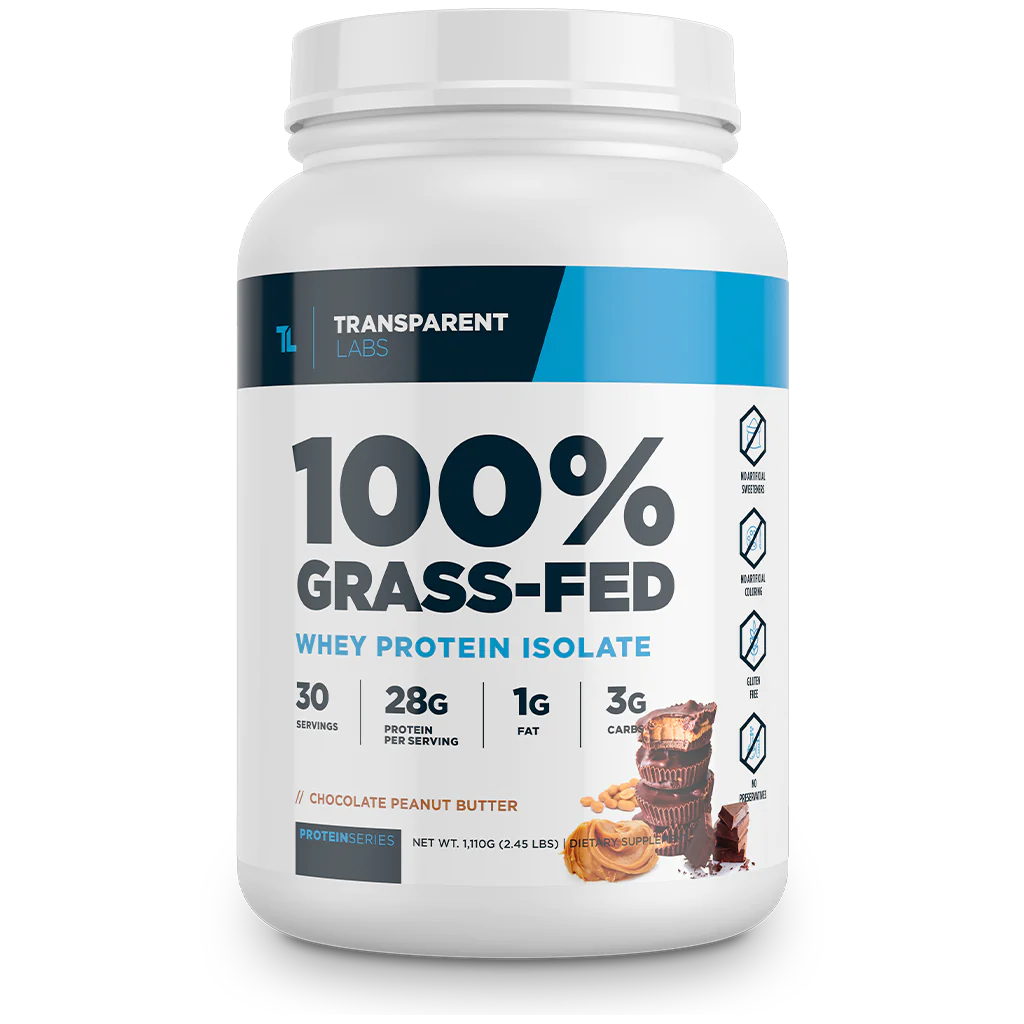
Best Overall Protein Powder for Weight Loss: Transparent Labs 100% Grass-Fed Whey
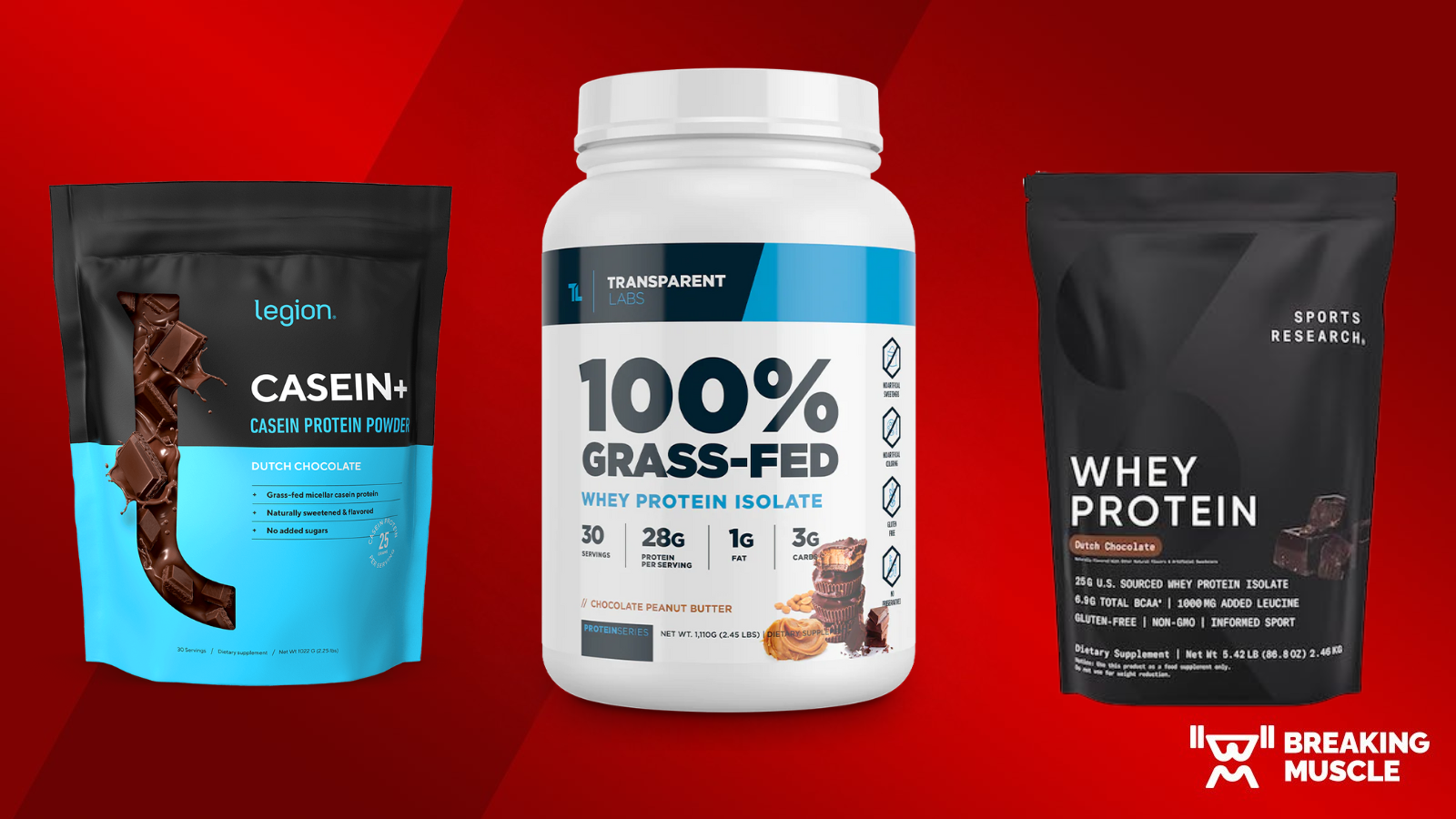
Transparent Labs 100% Grass-Fed Whey stands out for its exceptional protein-to-calorie ratio, offering 28 grams of protein for just 130 calories per serving. This formulation maximizes protein intake while minimizing caloric contribution, a critical factor for maintaining a caloric deficit and preserving muscle mass during weight loss. The product is third-party tested, Informed Choice certified, and entirely free from artificial ingredients, ensuring a clean and reliable supplement. With 15 flavor options available, including highly-rated Chocolate Peanut Butter and Mocha, it offers both efficacy and enjoyable consumption. While generally well-received, some customer feedback indicates potential challenges in contacting the customer service team.
Best Affordable Protein Powder for Weight Loss: Jacked Factory Authentic Iso
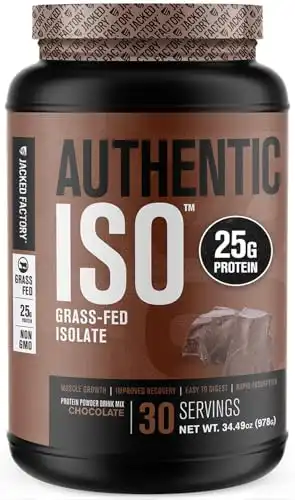
Jacked Factory Authentic Iso emerges as a budget-friendly yet highly effective option. Certain flavors are priced at approximately $1.05 per serving, making it one of the most accessible choices on the market. It delivers 25 grams of protein with only 2 grams of carbohydrates and a mere 0.5 grams of fat per serving, the lowest fat content among the reviewed powders. This macronutrient profile is highly conducive to weight loss goals. However, consumers should be aware that this powder is sweetened with sucralose, an artificial sweetener that some studies have linked to potential health risks. Additionally, Jacked Factory does not conduct third-party testing, which may raise concerns about ingredient purity and label accuracy for some users. Testers have noted its excellent mixability and dessert-like taste, though some find it overly sweet.
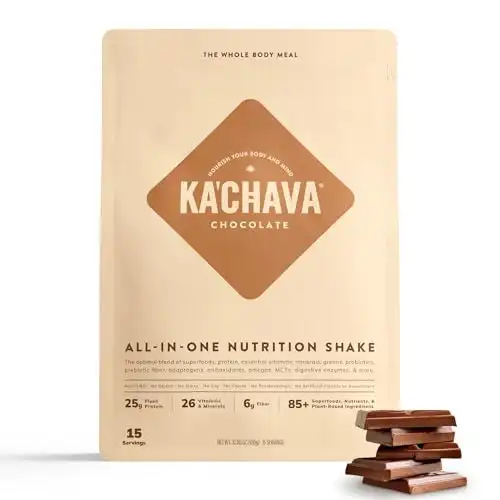
Best Plant-Based Protein Powder for Weight Loss: Ka’Chava
For those seeking a vegan protein solution, Ka’Chava presents a compelling choice. Marketed as a "whole-body meal," it functions as a meal replacement rather than a simple protein supplement. Consequently, its calorie, carbohydrate, and fat counts are higher (240 calories, 25 grams of carbs, and 7 grams of fat per serving). While the carbohydrate content might be a consideration for individuals on strict low-carb diets, it provides 25 grams of plant-based protein derived from peas, brown rice, and quinoa, supporting muscle preservation. Ka’Chava is lauded for its comprehensive nutritional profile, including adaptogens, probiotics, greens, and prebiotics, contributing to overall well-being. It is a premium product, priced at $79.99 for a 15-serving bag, positioning it as a significant investment, albeit one that offers substantial nutritional value. Testers praise its delicious taste when blended into smoothies and its positive impact on how they feel.
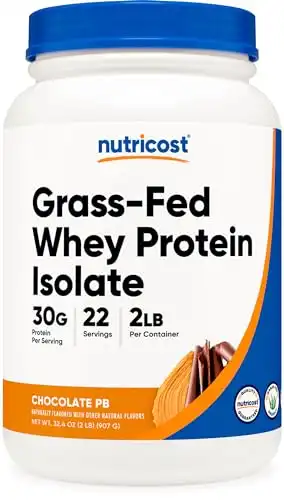
Best Protein Powder for Weight Loss on Amazon: Nutricost Grass-Fed Whey Protein Isolate
Nutricost Grass-Fed Whey Protein Isolate is highlighted as the top choice for consumers shopping on Amazon due to its favorable calorie and macronutrient profile for weight loss. It boasts a high protein content per serving, crucial for enhancing satiety and preserving muscle mass during a caloric deficit, with minimal fat and carbohydrates. The Vanilla flavor tested offered excellent mixability in both milk and water, with an authentic taste and a balanced sweetness level, even with the use of artificial sweeteners. For those aiming to avoid artificial sweeteners, alternatives like Promix or Transparent Labs are recommended.
Best Meal Replacement Protein Powder for Weight Loss: Huel Black Edition
Huel Black Edition is recognized as a leading meal replacement for weight loss, particularly noted for its impressive protein-to-carb ratio. Each serving contains a substantial 40 grams of protein and 24 grams of carbohydrates. While the carb count may be higher than ideal for strict ketogenic diets, it falls within the recommended range for general weight loss, as carbohydrates are an essential nutrient. The Chocolate flavor is praised for its authentic taste derived from real cocoa powder, whereas the Vanilla flavor received mixed reviews for an artificial aftertaste. Huel Black Edition is also noted for its ability to provide sustained energy without causing digestive discomfort, unlike some other mass gainer supplements. Mixability can be a minor concern, but its nutritional density and satiety benefits make it a strong contender for a complete meal replacement.
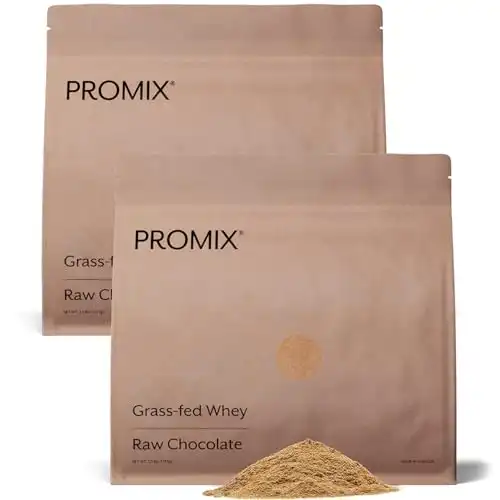
Best Clean Protein Powder for Weight Loss: Promix Grass-Fed Whey
Promix Grass-Fed Whey earns the distinction of being the best clean protein powder for weight loss. It is third-party tested, with results readily available, confirming its purity and absence of heavy metals. Promix is also verified gluten-free. The product features a simple ingredient list, with its Vanilla flavor containing only four ingredients and no artificial components. It provides a solid 25 grams of protein for 7 grams of carbohydrates, a ratio that supports weight loss effectively, as supported by research indicating that a higher protein-to-carbohydrate ratio aids in weight reduction and maintenance. While the taste is generally well-received, some testers found it not quite sweet enough and noted minor issues with mixability, resulting in some clumps. It’s important to note that Promix is not specifically third-party tested for sport, making it less suitable for competitive athletes who require certifications like Informed Sport or NSF Certified for Sport.
Best Casein Protein Powder for Weight Loss: Legion Athletics Casein+
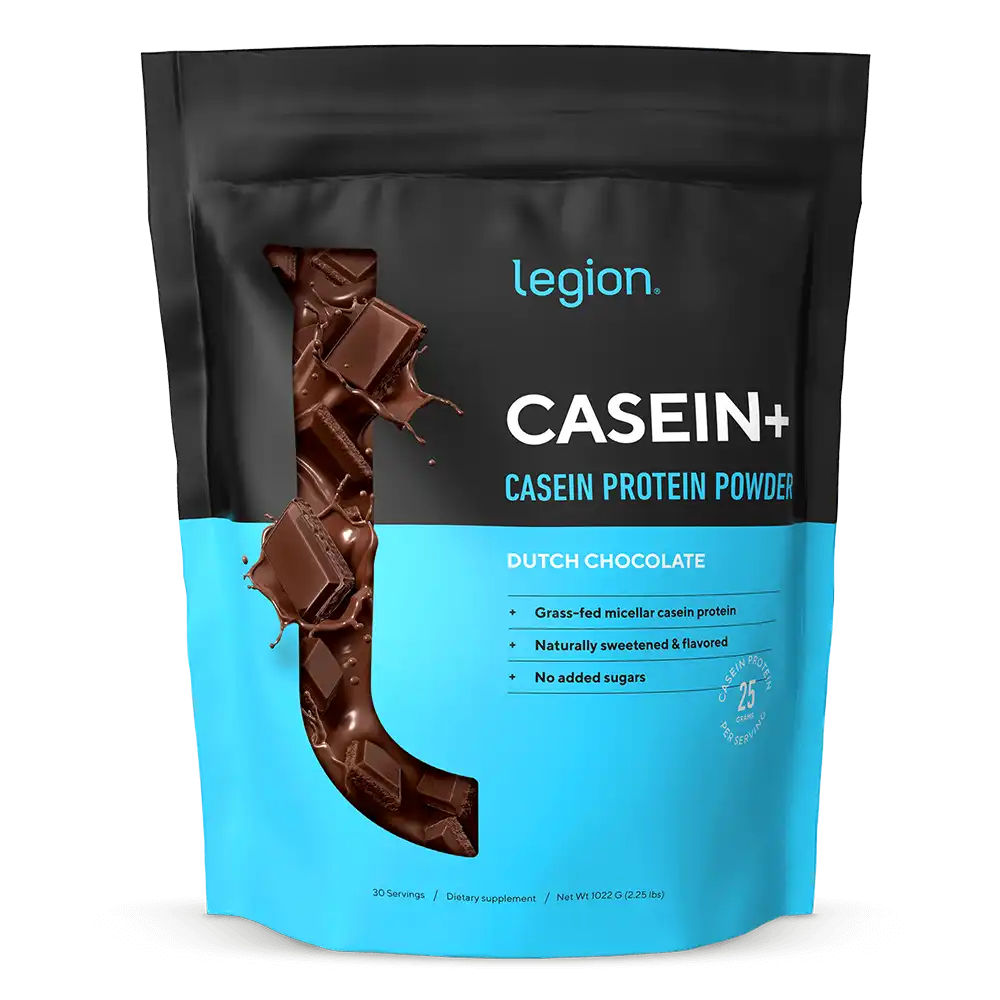
Legion Athletics Casein+ is an excellent choice for those seeking a casein protein powder for weight loss. It is entirely natural, free from artificial sweeteners, flavors, and colors, and is third-party tested by Labdoor for purity and potency. Each serving delivers 25 grams of protein with only 110 calories, making it highly efficient for weight management. Casein protein is characterized by its slow digestion and absorption rate, which is advantageous for managing hunger levels and providing a sustained release of amino acids. This characteristic makes it ideal for use between meals or overnight, helping to mitigate muscle breakdown during periods of calorie restriction. The Dutch Chocolate flavor is described as reminiscent of a dark chocolate bar, offering a pleasant taste. However, like most casein proteins, it has a thicker consistency and can take longer to dissolve, potentially leading to a slightly chalky aftertaste.
Best Unflavored Protein Powder for Weight Loss: Naked Grass-Fed Whey
Naked Grass-Fed Whey’s unflavored protein powder is celebrated for its simplicity and purity, featuring a single ingredient: whey protein concentrate from grass-fed cows. This commitment to transparency and avoidance of additives, fillers, or artificial ingredients aligns with Naked Nutrition’s brand ethos. Its neutral flavor profile makes it incredibly versatile, allowing seamless integration into various smoothies and recipes without altering their taste. While testers detect a very slight vanilla note and a hint of earthiness, it is considered ideal for blending into smoothies. The brand also offers five flavored options sweetened with coconut sugar, a less intense alternative to artificial sweeteners. A minor drawback is the two-scoop serving size, which may require extra liquid for optimal blending.
Best Protein Powder for Weight Loss and Muscle Gain: Sports Research Whey Protein
Sports Research Whey Protein is identified as the top choice for individuals aiming for both weight loss and muscle gain. It offers a favorable protein-to-calorie ratio of 25 grams of protein to 140 calories, is Informed Sport Certified, competitively priced at approximately $1.20 per serving, and receives high marks for taste. Nutritionally, it aligns well with other leading products, though its fat content is slightly higher than some alternatives. The inclusion of Vitamin D, a nutrient linked to muscle health in recent research, adds to its appeal. The Creamy Vanilla flavor is noted to taste like vanilla ice cream when mixed with milk but can be overly sweet when mixed with water. Mixability is excellent, with no grittiness or clumping reported.
What Protein Powder Contributes to Weight Loss
Protein powder serves as a potent ally in weight loss through several key mechanisms. Primarily, it aids in appetite regulation by promoting satiety, thus reducing overall calorie intake. Its thermic effect contributes to a slight increase in calorie expenditure. Crucially, it provides the necessary amino acids to preserve lean muscle mass, which is vital for maintaining a healthy metabolism during a calorie deficit. The convenience of protein shakes allows for the rapid and efficient consumption of high-quality protein with controlled amounts of calories, carbohydrates, and fats, making it easier to adhere to dietary goals.
Criteria for Selecting a Weight-Loss Protein Powder
When choosing a protein powder for weight loss, several factors warrant careful consideration:
Protein Content and Quality
Prioritize powders with a substantial protein content, ideally around 25 grams per serving. Whey, soy, or pea protein isolates are often recommended due to their high degree of filtration, which minimizes carbohydrates and fats.
Calories per Serving
Opt for powders with a moderate calorie count, typically between 100 and 160 calories per serving. The majority of these calories should be derived from protein to best support weight loss objectives. A protein powder with 25 grams of protein should generally fall within the 110-120 calorie range if it is lean.
Ingredient Quality
Examine the ingredient list for added sugars, artificial sweeteners, fillers, and unnecessary additives. Simpler formulations with minimal ingredients are generally preferred. While some powders include added nutrients like creatine, probiotics, or BCAAs, assess whether these align with individual health and fitness goals.
Taste and Mixability
Personal preference is key. A protein powder that tastes good and mixes well is more likely to be incorporated into a regular routine, thereby enhancing adherence to a weight loss plan.
Third-Party Testing
For assurance of quality, purity, and safety, choose products that have undergone independent third-party testing. This is particularly important for athletes to ensure products are free from banned substances.
What to Avoid in a Weight-Loss Protein Powder
When selecting a protein powder for weight loss, it is advisable to avoid products with:
- Added Sugars: These contribute unnecessary calories and can hinder weight loss efforts.
- Excessive Carbohydrates and Fats: While some carbohydrates are necessary, high amounts can negate a calorie deficit. Similarly, high fat content increases caloric density.
- Artificial Additives: Many consumers prefer to avoid artificial sweeteners, flavors, and colors due to potential health concerns and personal preferences.
Products like Transparent Labs 100% Grass-Fed Whey and Naked Nutrition powders are often cited for their natural ingredients and minimal formulations.
Conclusion: The Value of Protein Powder in Weight Loss
As a certified nutrition coach, it is important to underscore that protein powder is not an indispensable component for successful weight loss. However, its convenience and effectiveness make it a valuable addition to a holistic weight loss strategy that incorporates resistance training, quality sleep, and healthy lifestyle habits. A high-protein diet, particularly during a weight loss phase, is instrumental in managing hunger and preserving muscle mass. If a protein powder can assist individuals in meeting their daily protein targets while adhering to a calorie deficit, it can be a worthwhile inclusion in their dietary regimen.
Frequently Asked Questions About Protein Powder and Weight Loss
-
Should you drink protein shakes when trying to lose weight?
Protein shakes are an effective means of preserving lean muscle mass during weight loss. For those focused on weight reduction, whey protein isolates like Transparent Labs 100% Grass-Fed Whey are recommended due to their lean composition, maximizing protein intake with minimal calories from carbohydrates and fats. -
How much protein should I eat in a day to lose weight?
Individuals aiming for weight loss should generally consume between 1.2 to 1.6 grams of protein per kilogram of body weight (approximately 0.5 to 0.7 grams per pound). This range supports muscle mass and facilitates a calorie deficit necessary for weight loss. -
What type of protein is best for weight loss?
Leaner protein sources are generally preferred. Whey protein isolates, due to their filtration process that reduces fat and carbohydrates, are a strong choice. Some plant-based proteins can also be excellent options. Lean animal proteins include chicken breast, fish, and eggs. Non-animal sources include Greek yogurt, tofu, beans, and lentils. -
What should I drink for weight loss?
For weight loss, prioritize calorie-free beverages such as water, seltzer, black coffee, and unsweetened tea. Avoid sugary sodas, sports drinks, fruit juices, and alcohol, which contribute significant calories without providing satiety.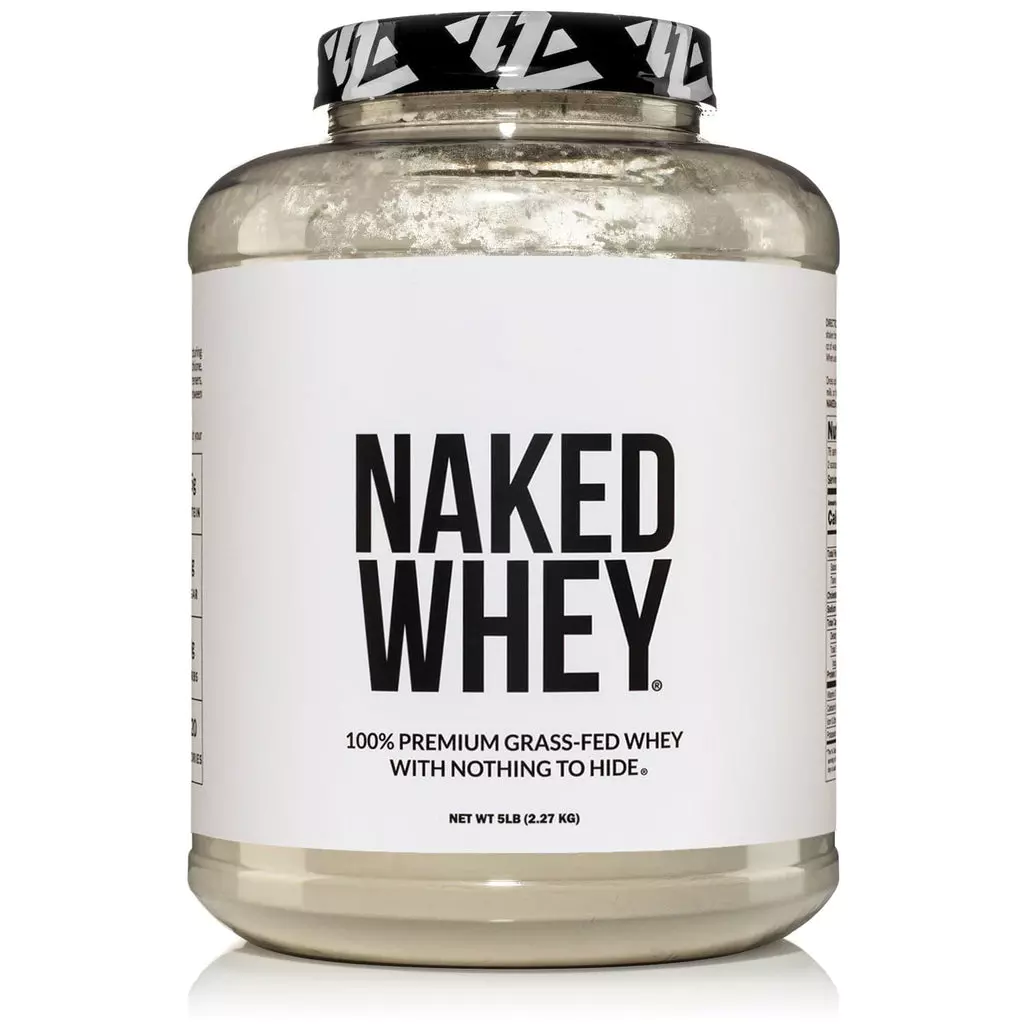
-
Which protein is best for belly fat loss?
There is no specific protein that targets belly fat exclusively. However, prioritizing lean protein sources, such as whey protein isolate, can support overall weight loss efforts by maximizing the protein-to-calorie ratio and aiding in a calorie deficit.
