








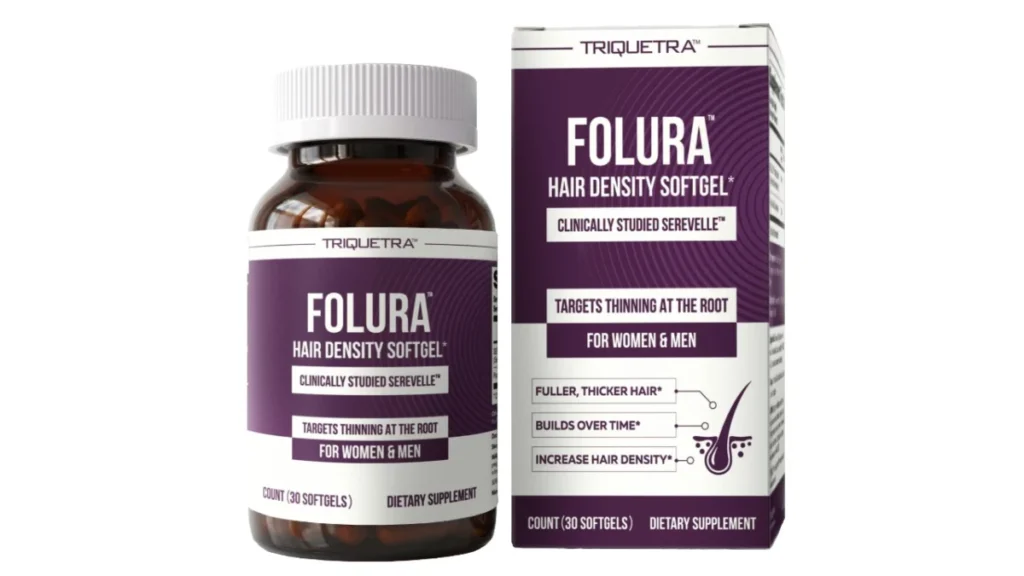
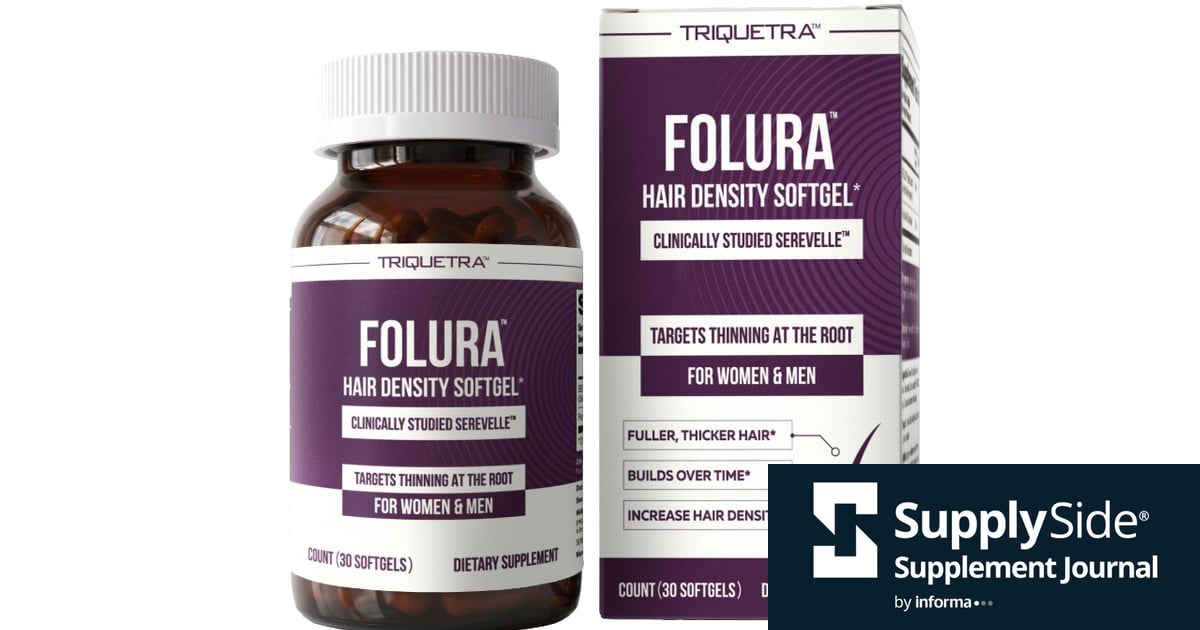
The dietary supplement industry is experiencing a significant surge in innovation and product development, particularly within the burgeoning "beauty-from-within" category. This trend is underscored by recent product launches and the release of scientific research illuminating the efficacy of key ingredients. Triquetra Health has entered this dynamic market with the introduction of Folura, a hair density supplement featuring saw palmetto. This launch coincides with emerging clinical data supporting the benefits of both saw palmetto and pomegranate extracts for aesthetic and wellness applications, signaling a renewed focus on holistic beauty solutions rooted in scientific evidence.
The beauty-from-within sector, once a niche segment, is now a significant driver of growth in the nutraceutical market. Consumers are increasingly seeking ingestible solutions that promote health and well-being from the inside out, extending beyond traditional nutritional support to encompass visible aesthetic improvements. This shift is fueled by greater awareness of the interconnectedness of internal health and external appearance, alongside advancements in scientific research that validate the efficacy of natural ingredients. The market for beauty supplements, encompassing products for skin, hair, and nails, has seen consistent expansion, with projections indicating continued robust growth in the coming years. For instance, global market research reports have consistently highlighted the strong CAGR for this segment, driven by factors such as aging populations, increased disposable income, and a growing preference for natural and science-backed beauty solutions.
Triquetra Health’s Folura supplement directly addresses the growing demand for effective hair health solutions. The product’s key ingredient, saw palmetto (Serenoa repens), has been the subject of increasing scientific scrutiny. A notable clinical trial, published in the Journal of Cosmetic Dermatology, evaluated a specific bioactive fatty acid extract from saw palmetto, marketed as Serevelle by Valensa International. This study involved both men and women who supplemented with 160 mg of the extract or a placebo for a period of six months. The findings revealed statistically significant improvements in hair count and density among the participants who received the saw palmetto extract compared to the placebo group. This research provides a crucial scientific foundation for claims related to hair density enhancement, moving beyond anecdotal evidence to offer tangible, data-driven support for the ingredient’s efficacy. The study’s methodology, involving a randomized, double-blind, placebo-controlled design, is considered a gold standard in clinical research, lending considerable weight to its conclusions.

The implications of this research are substantial for both consumers and manufacturers. For consumers, it offers a scientifically validated option for addressing concerns about hair thinning and density. For supplement brands like Triquetra Health, it provides the scientific backing necessary to develop and market products with confidence. The focus on a "bioactive fatty acid extract" suggests a refined understanding of saw palmetto’s active components and their targeted mechanisms of action, potentially at the follicular level. This level of scientific precision is becoming increasingly important in a competitive market where consumers are more informed and demanding of efficacy.
Beyond hair health, the broader "beauty-from-within" narrative is being enriched by research into other botanicals. A separate study, published in Nature Scientific Reports, investigated the impact of a pomegranate (Punica granatum) extract, known as Pomanox and manufactured by EUROMED, on the skin of women experiencing hyperpigmented spots. While the extract did not demonstrate a significant effect on pigmentation itself, the study did report a notable improvement in skin hydration and elasticity among the participants. This finding highlights the multifaceted benefits that botanical ingredients can offer, even if they don’t directly address every perceived aesthetic concern. The improvement in hydration and elasticity points to saw palmetto’s role in supporting the skin’s barrier function and structural integrity, contributing to a more youthful and radiant complexion. This dual action – supporting hair density and improving skin quality – positions pomegranate extract as a valuable ingredient in comprehensive beauty formulations.
The growing body of scientific literature supporting ingredients like saw palmetto and pomegranate underscores a critical shift in the supplement industry: a move towards evidence-based formulations. This trend is not limited to beauty products. The "Supplement Shorts" digest, which often highlights industry news, has consistently featured advancements in areas such as cognitive function and metabolic health. This broader industry movement towards scientifically validated ingredients reflects a maturing market that prioritizes efficacy and consumer trust. Companies that invest in robust research and development, and transparently communicate their scientific findings, are likely to gain a competitive advantage.
The timeline of these developments reveals a consistent, upward trajectory for the beauty-from-within category. While the concept of internal beauty enhancement is not new, the scientific validation and sophisticated product development seen today represent a significant evolution. The past decade has witnessed a proliferation of research into botanicals and their health benefits, moving from traditional use to rigorous clinical investigation. This sustained effort has paved the way for the current wave of scientifically supported beauty supplements. The introduction of products like Folura, backed by specific clinical trials, marks a key milestone in this evolution, signaling a move towards greater scientific rigor and consumer confidence.
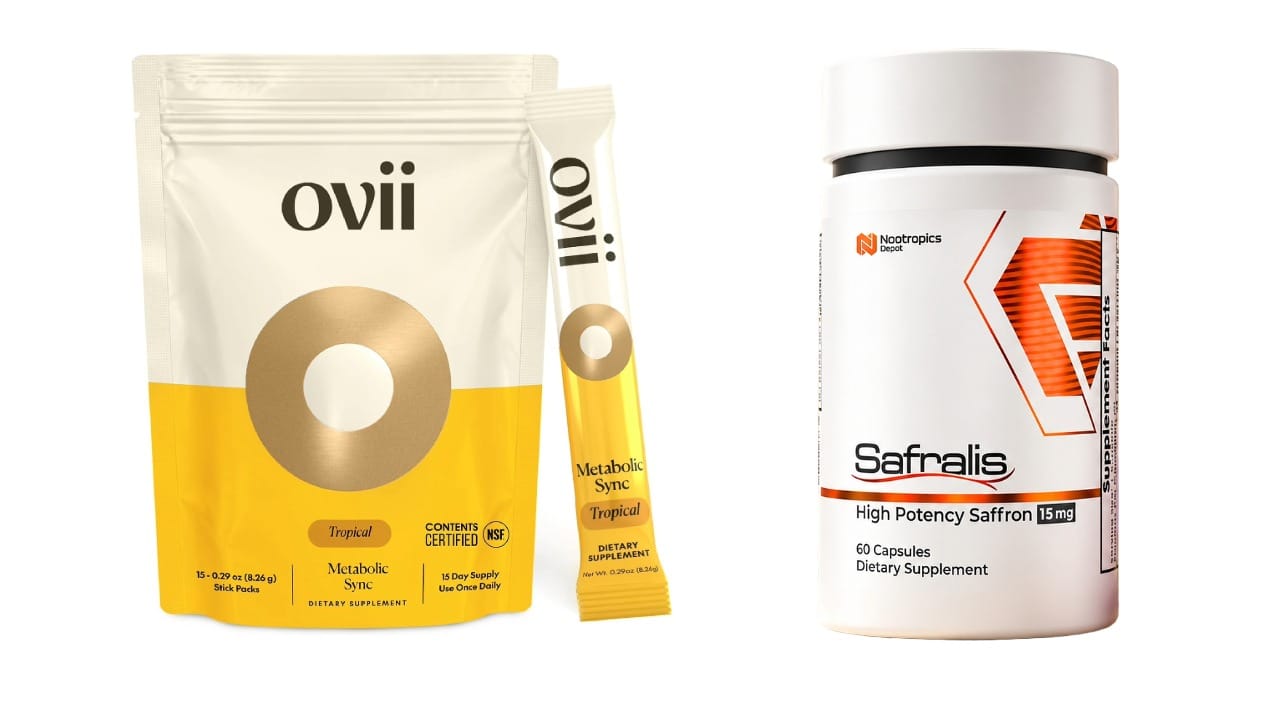
In addition to beauty-focused ingredients, the broader supplement landscape is also dynamic. For example, women’s health brands are increasingly launching products that target metabolic health, with Ovii recently introducing stick packs designed for this purpose. Concurrently, the market for nootropics continues to expand, with Nootropics Depot releasing a new high-potency saffron supplement, an ingredient recognized for its potential mood-supportive properties. These diverse product launches illustrate the industry’s broad innovation across various health and wellness categories, all underpinned by a growing emphasis on scientific substantiation. The development of specialized delivery systems, such as stick packs, also reflects a commitment to consumer convenience and product efficacy.
The increasing focus on specific, well-researched ingredients like the saw palmetto extract in Folura signifies a maturing market. Companies are moving beyond generic claims and investing in ingredients with demonstrated benefits through clinical trials. This is crucial for building consumer trust and ensuring the long-term viability of the beauty-from-within sector. The integration of scientific evidence into product marketing is becoming a standard practice, with brands increasingly highlighting clinical studies and ingredient certifications.
The implications of these trends extend to the wider health and wellness ecosystem. As consumers become more educated about the link between internal health and external appearance, the demand for integrated solutions will likely increase. This could lead to greater collaboration between supplement manufacturers, dermatologists, nutritionists, and other healthcare professionals. Furthermore, the regulatory landscape surrounding dietary supplements will continue to evolve, with an increasing emphasis on scientific substantiation and product quality. Companies that proactively embrace scientific rigor and transparency are best positioned to navigate these changes and capitalize on the growth opportunities.
The continued exploration of ingredients like pomegranate extract also points towards a future where beauty supplements offer a more holistic approach to well-being. Beyond single-ingredient formulations, we can anticipate the development of synergistic blends that address multiple aspects of beauty and health. The market’s response to these scientifically validated offerings will be a key indicator of future innovation and consumer preferences. The success of products like Folura, which are rooted in specific scientific findings, suggests a strong consumer appetite for efficacy-driven solutions.
The growth of the beauty-from-within category is not just a trend but a fundamental shift in how consumers approach personal care and wellness. As scientific understanding deepens and ingredient technologies advance, the industry is poised to deliver increasingly sophisticated and effective solutions. The commitment to research, transparency, and consumer education will be paramount in shaping the future of this dynamic market segment. The ongoing dialogue between scientific discovery and product innovation promises to unlock new possibilities for enhancing health and beauty from the inside out, solidifying the "beauty-from-within" movement as a cornerstone of the modern wellness industry. The sustained investment in clinical research by ingredient suppliers and supplement brands alike will continue to be a critical driver of progress, ensuring that consumers have access to safe, effective, and scientifically validated products.