








Whey protein powder stands as a cornerstone supplement for individuals seeking to augment their daily protein intake with efficiency and efficacy. This comprehensive guide, informed by insights from certified sports nutrition coach Pete Nastasi and extensive product testing, delves into the nuances of whey protein, identifies top-tier products for 2025, and provides crucial information for consumers to make informed decisions. The article aims to equip readers with the knowledge to navigate the complex landscape of whey protein supplements, ensuring they select products that align with their health and fitness objectives.
Whey, a complete protein, is characterized by its rich profile of all nine essential amino acids, which are indispensable for muscle synthesis and repair. Furthermore, it is a significant source of branched-chain amino acids (BCAAs), prominently leucine, a key driver of muscle growth. The journey to identify the best whey protein powders for 2025 involved a rigorous evaluation process, incorporating expert consultation and hands-on product assessment of over 50 distinct protein powders. This methodology ensures that the recommendations are not only authoritative but also grounded in practical experience.
Understanding the Spectrum of Whey Protein
Navigating the market for whey protein can be daunting due to the varying forms available, each with distinct processing methods and nutritional compositions. The three primary types of whey protein are concentrate, isolate, and hydrolysate. Understanding these distinctions is fundamental to selecting a product that best suits individual dietary needs and fitness goals.

Whey Protein Concentrate (WPC)
Whey protein concentrate (WPC) represents the least processed form of whey, retaining a higher proportion of beneficial nutrients, fats, carbohydrates, and lactose. Typically, WPC contains between 70% and 80% protein by weight. Its natural composition makes it a versatile ingredient for food manufacturers looking to enhance the protein content, texture, and shelf-life of products like soups, sauces, and baked goods, often as a substitute for dairy or egg components. While it offers a broader nutrient profile, its lower protein concentration makes it less ideal for those strictly focused on maximizing protein intake with minimal other macronutrients.
Whey Protein Isolate (WPI)
Whey protein isolate (WPI) undergoes further processing, primarily through filtration, to significantly reduce fat, lactose, and carbohydrate content. This refinement results in a protein concentration of 90% or higher, making it a preferred choice for sports nutrition companies developing supplements, protein bars, and other high-protein products. While WPI offers a purer protein source, this intensive processing can lead to the loss of some of the beneficial micronutrients present in WPC. For individuals managing lactose intolerance or seeking to minimize carbohydrate and fat intake, WPI is often the more suitable option.
Whey Protein Hydrolysate (WPH)
Whey protein hydrolysate (WPH), also known as hydrolyzed whey, is produced through a process called partial hydrolysis. This method breaks down the protein chains into smaller peptides, facilitating quicker digestion and absorption by the body. WPH is digested more rapidly than WPC or WPI, which can lead to a more immediate post-exercise spike in blood sugar levels. Despite this, research indicates that whey protein, in general, can contribute to improved glycemic control. The faster absorption rate of WPH may be advantageous for athletes seeking rapid nutrient delivery post-workout, although its impact on blood sugar warrants consideration for individuals managing diabetes.
The Science Behind Whey Protein’s Benefits
The primary advantage of whey protein powder lies in its convenience as a high-quality protein source. While adequate protein intake can be achieved through a balanced diet encompassing meat, dairy, legumes, and other whole foods, supplements offer a practical solution for individuals struggling to meet their protein requirements through diet alone. The benefits extend beyond simple protein supplementation, impacting muscle growth, body composition, and overall health.
Muscle Building and Preservation
Whey protein is particularly rich in essential amino acids, including BCAAs, which are crucial for stimulating muscle protein synthesis. This process is vital for both building new muscle tissue and preserving existing lean muscle mass, especially during periods of caloric deficit aimed at weight loss. By providing the necessary building blocks, whey protein can help maximize the effectiveness of resistance training and support the body’s ability to retain muscle while shedding fat.
Weight Management and Satiety
The satiating effect of whey protein is a significant benefit for weight management. Consuming protein-rich foods and supplements helps individuals feel fuller for longer periods, which can lead to a reduction in overall calorie intake throughout the day. By regulating hunger levels, whey protein can be a valuable tool in achieving and maintaining a healthy weight.
Immune Function and Cardiometabolic Health
Beyond its role in muscle development and weight management, whey protein has been associated with several broader health benefits. Research suggests that whey protein may contribute to enhanced immune function and positively impact cardiometabolic health. These benefits underscore the versatile role of whey protein in a holistic approach to well-being.
Expert-Curated Selections: The Top Whey Protein Powders of 2025
The selection of the best whey protein powders for 2025 was guided by a comprehensive methodology that considered protein content, purity, ingredient quality, taste, mixability, and third-party certifications. Pete Nastasi, a certified nutrition coach, provided invaluable expertise in evaluating these factors, ensuring that the chosen products meet high standards of quality and effectiveness.
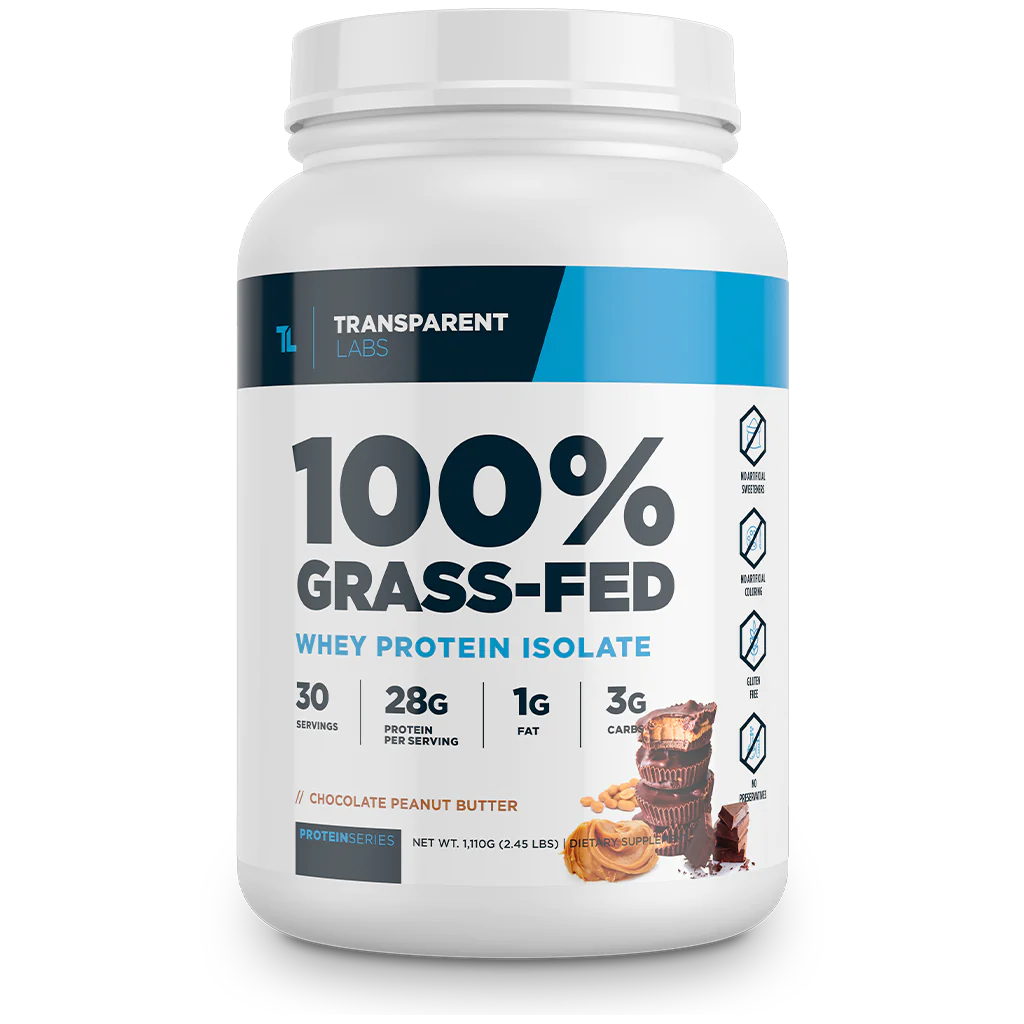
Best Overall: Transparent Labs 100% Grass-Fed Whey Protein Isolate
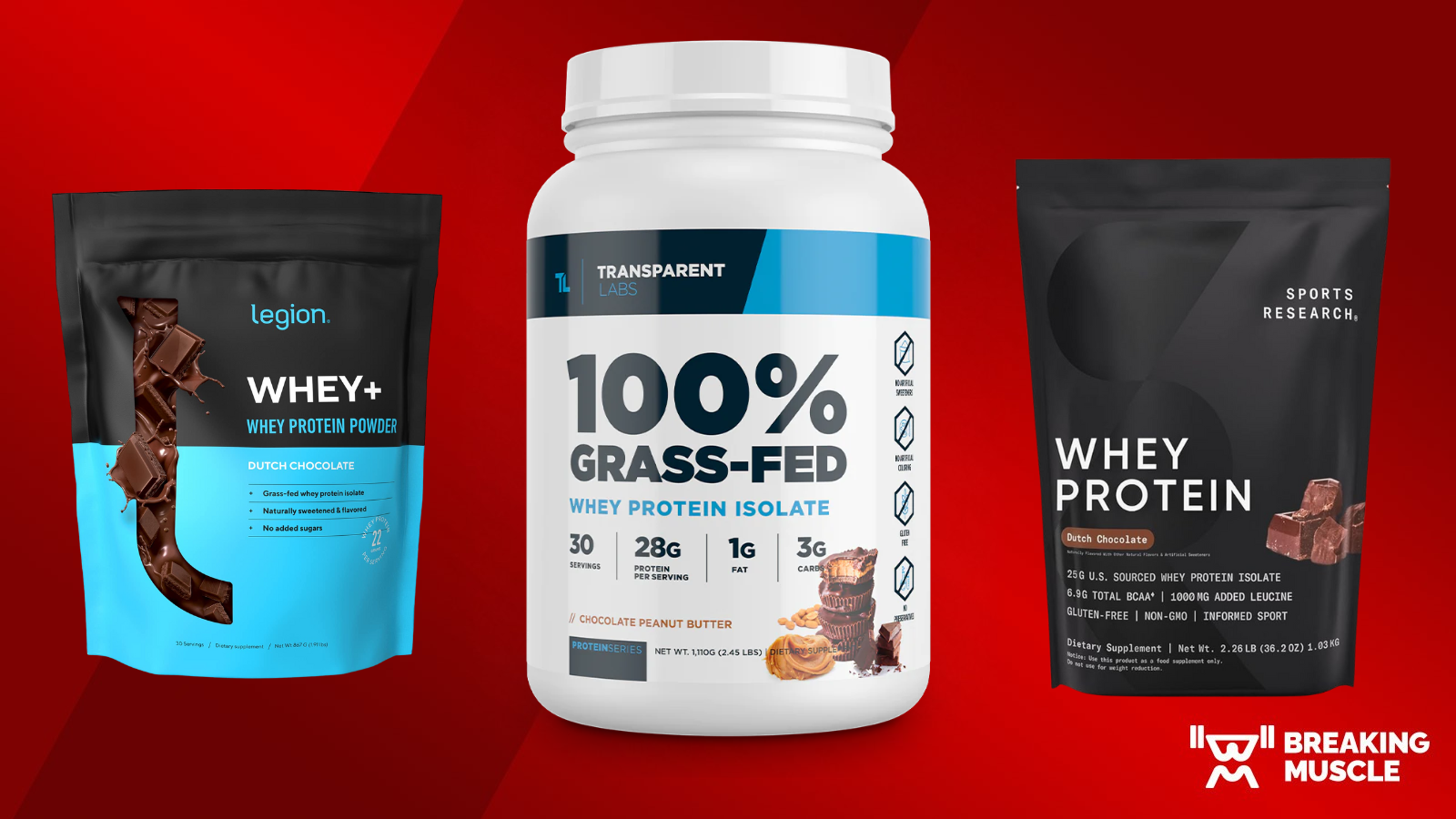
Transparent Labs distinguishes itself with a commitment to purity and quality, evidenced by its 100% Grass-Fed Whey Protein Isolate. This product undergoes rigorous filtration to remove excess sugar, fat, carbohydrates, and lactose, delivering a highly concentrated protein source. Each serving boasts an impressive 28 grams of protein, among the highest available. The brand’s dedication to transparency is further highlighted by its array of unique and appealing flavors, including Cinnamon French Toast, which are notably not overly sweet, allowing for versatile mixing with juices or smoothies without compromising the intended flavor profile. The grass-fed sourcing ensures a higher concentration of beneficial compounds, aligning with growing consumer demand for ethically and sustainably sourced products.
Pros:
- High protein content per serving (28g).
- Made from 100% grass-fed whey.
- Minimal additives and fillers.
- Excellent flavor variety, including unique options.
- Low in sugar, carbs, and fat due to isolate processing.
Cons:
- Can be more expensive than other options.
- Some may find the flavors too subtle if accustomed to highly sweetened products.
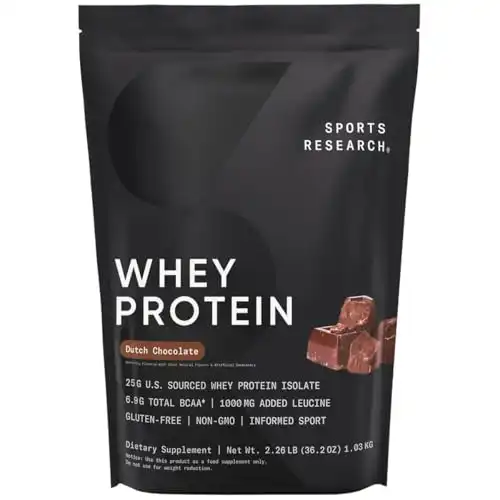
Best Chocolate Flavor: Sports Research Whey Protein
Sports Research Whey Protein earns accolades for its exceptional chocolate flavor, praised by testers for its delicious taste and smooth texture. This product is formulated with 6.9 grams of BCAAs per serving, including 1,000 milligrams of L-leucine, which studies suggest can aid in reducing delayed-onset muscle soreness (DOMS). Informed Sport Certified, it assures consumers of its purity and freedom from banned substances. While it is sweetened with stevia or sucralose, which may be a consideration for those sensitive to these ingredients, the overall feedback on taste and mixability is overwhelmingly positive. Testers noted its excellent performance in a shaker cup with minimal foam and no clumping, and importantly, a lack of bloating experienced by some users, a common concern with whey protein consumption.
Pros:
- Exceptional chocolate flavor, highly rated by testers.
- Rich in BCAAs, including L-leucine.
- Informed Sport Certified, ensuring purity.
- Good mixability with water or other liquids.
- Reported to be well-tolerated, minimizing bloating.
Cons:
- Sweetened with stevia or sucralose, which may not appeal to all.
- Flavor profile might be too sweet for some palates.
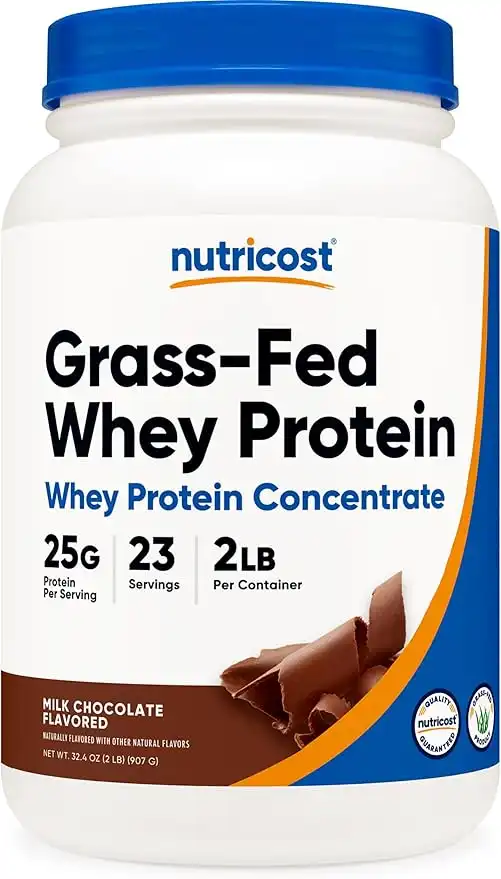
Best Grass-Fed Whey Protein: Nutricost Grass-Fed Whey Protein Concentrate
Nutricost Grass-Fed Whey Protein Concentrate stands out for its commitment to grass-fed sourcing, a practice supported by research indicating higher concentrations of whey proteins and amino acids in dairy from pasture-raised cows. This contributes to enhanced muscular adaptations from training. The product is non-GMO, gluten-free, and subject to third-party testing, reinforcing its quality and safety. Its concentrate form, often featuring sunflower lecithin for improved mixability, provides a satisfying, nostalgic taste reminiscent of Nesquik, according to testers. While some minor separation was observed after prolonged standing, its overall mixability and taste make it a strong contender for those prioritizing grass-fed origins.
Pros:
- Sourced from grass-fed cows, potentially offering higher nutrient density.
- Non-GMO and gluten-free.
- Third-party tested for quality assurance.
- Pleasant, nostalgic flavor profile.
- Good mixability, especially with milk.
Cons:
- As a concentrate, it contains more lactose and fat than isolates.
- Slight separation may occur over extended periods.
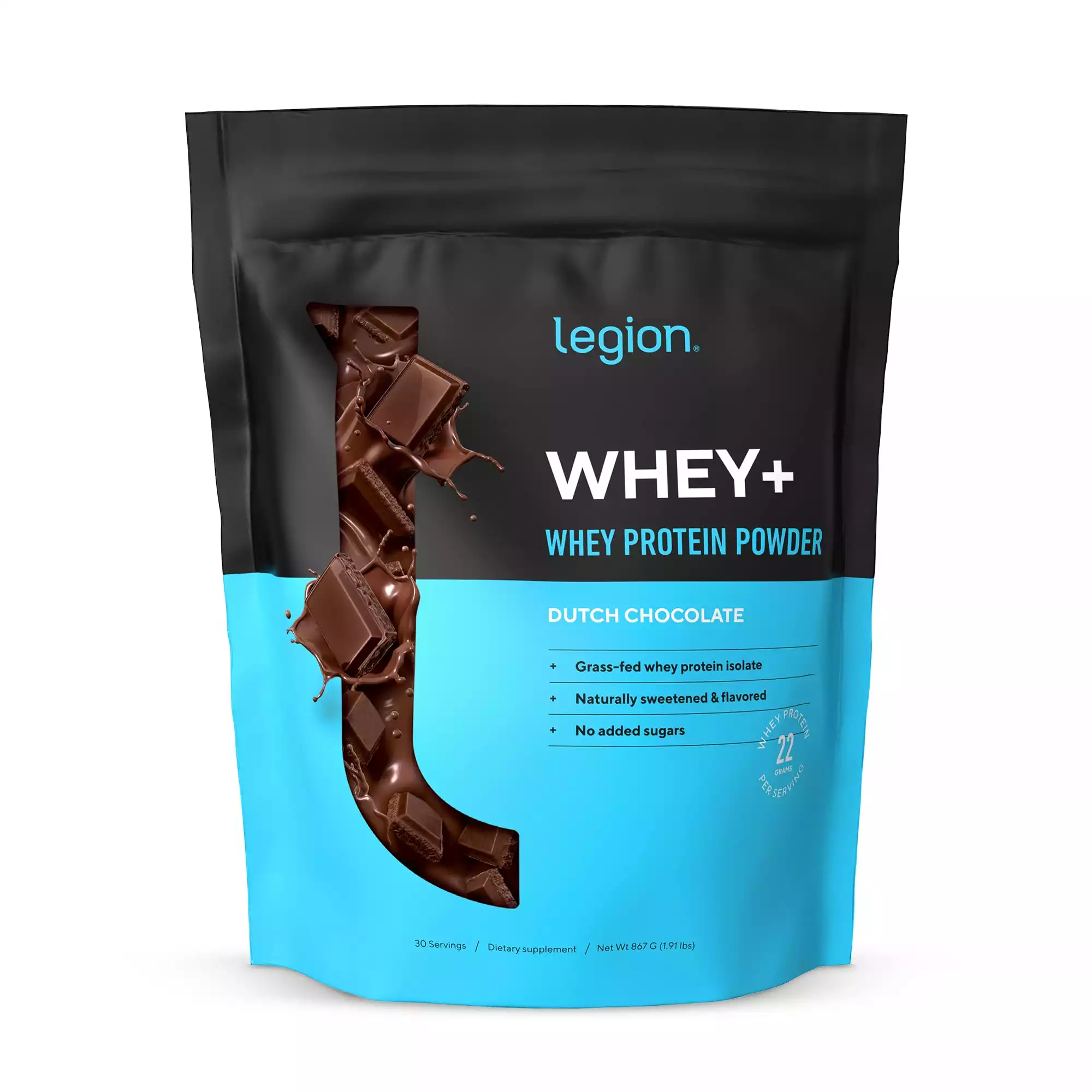
Best Vanilla Whey Protein: Legion Whey+
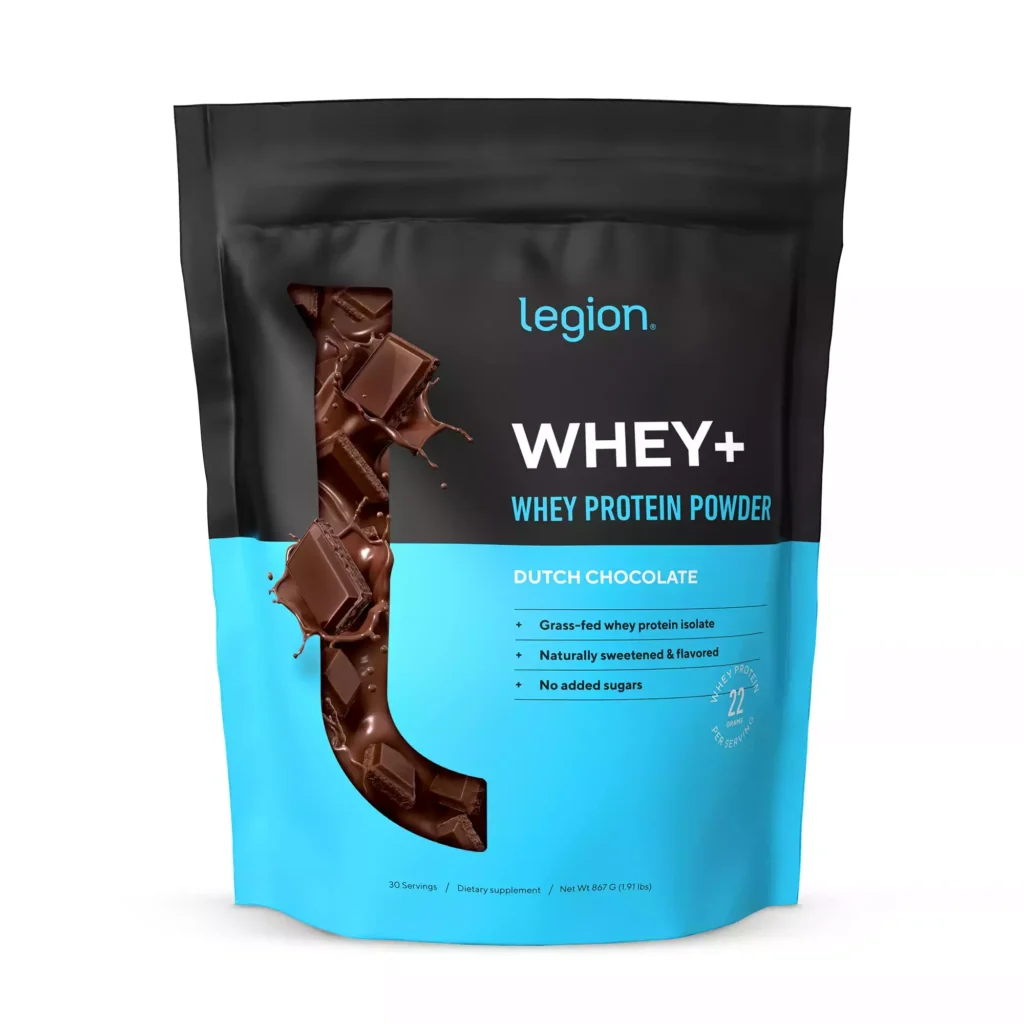
Legion Whey+ has earned its reputation as a top-tier vanilla whey protein, largely due to its stringent third-party testing by Labdoor, a recognized standard for verifying product purity and potency. This certification ensures the whey protein isolate is free from contaminants like pesticides and growth hormones. The filtration process employed by Legion Athletics removes excess carbohydrates and fats, aiming for bloat-free digestion. Testers consistently praise the French Vanilla flavor, describing it as akin to a vanilla creamer and exceptionally delicious. The high protein content per serving, coupled with the absence of unnecessary additives, makes it a reliable choice for those seeking pure, effective protein supplementation.
Pros:
- Labdoor certified, ensuring high purity and no banned substances.
- Filtered to remove excess carbs and fats for easier digestion.
- Excellent French Vanilla flavor, highly regarded by users.
- Supports muscle growth and recovery.
- Minimal ingredients, focused on quality.
Cons:
- Higher price point compared to some competitors.
- Limited flavor options compared to some brands.
Best Tasting Whey Protein: Gainful Protein Powder
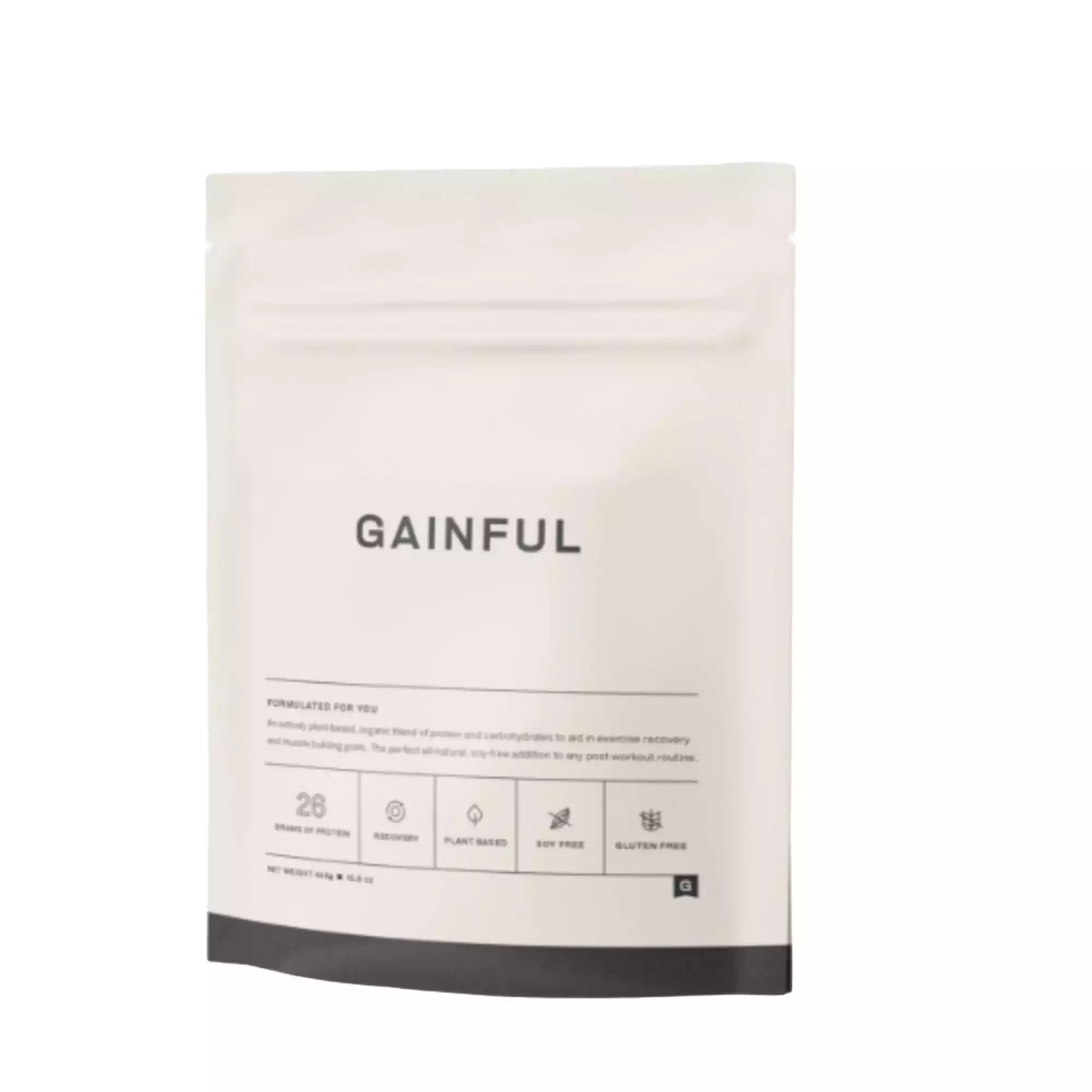
Gainful Protein Powder addresses a common critique of protein supplements – the "chalky" taste and unpleasant aftertaste. Their Caffe Mocha flavor, in particular, was lauded for its subtle, not-too-sweet profile, described by testers as resembling an at-home cappuccino mix with a mild coffee flavor that leans more towards chocolate. A key differentiator for Gainful is its customizable nature and extensive flavor selection. Offering nine distinct flavors in individual-use packets allows consumers to tailor their protein intake to their daily preferences. This flexibility, combined with Nastasi’s personal endorsement of flavors like Chocolate Peanut Butter, Caffe Mocha, and Sea Salt Caramel, positions Gainful as a leader in taste and consumer satisfaction.
Pros:
- Excellent taste profile, avoiding chalkiness.
- Wide variety of flavors available.
- Individual-use packets offer customization and portion control.
- Can be tailored to individual dietary needs and preferences.
- Good mixability.
Cons:
- Subscription-based model may not suit everyone.
- The protein source can vary based on customization.
How to Choose the Right Whey Protein for You
Selecting the best whey protein powder involves a careful consideration of several factors to align with individual needs and preferences.
Type of Protein
As discussed, the choice between concentrate, isolate, and hydrolysate depends on dietary restrictions, digestive sensitivities, and macronutrient goals. Isolate is ideal for minimizing lactose and fat, concentrate offers a broader nutrient profile, and hydrolysate provides faster absorption. Some brands offer blends, which can provide a balanced approach.
Nutrition Profile
Scrutinizing the nutrition label is paramount. Aim for a protein content of approximately 25 grams per serving, a dosage generally considered optimal for stimulating muscle protein synthesis. Beyond protein, assess calorie counts, fat, carbohydrate, and fiber content. Examining the amino acid profile can further indicate the quality and completeness of the protein source.
Additives and Allergens
Consumers should be mindful of ingredients beyond the primary protein source. Look for products free from artificial sweeteners, fillers, and unnecessary additives. For individuals with allergies or sensitivities, carefully reviewing the ingredient list for common allergens like soy, dairy, or nuts is crucial. Third-party certifications can provide additional assurance regarding the absence of undeclared allergens.
Taste and Mixability
Personal preference plays a significant role in consistent supplement use. Sampling different flavors or opting for smaller container sizes can help identify a taste that is enjoyable and a powder that mixes well without clumping. Excellent mixability, whether with water, milk, or in a blender, enhances the user experience.
Price and Value
Whey protein prices vary considerably, ranging from approximately $1.16 to $3.41 per serving. While budget is a factor, it should be balanced with quality. Investing in a reputable brand with transparent sourcing and third-party testing often provides better value in terms of purity, effectiveness, and long-term health benefits.
The Broader Implications of Whey Protein Supplementation
The increasing popularity of whey protein reflects a broader societal trend towards health and fitness consciousness. As consumers become more educated about nutrition, the demand for high-quality, transparently sourced supplements continues to rise. The inclusion of expert endorsements and rigorous testing methodologies in evaluating these products lends credibility to the market and empowers consumers to make informed choices.
The availability of diverse product types – from ultra-filtered isolates to naturally sourced concentrates – caters to a wide spectrum of dietary needs, including those with lactose intolerance or specific macronutrient targets. Furthermore, the emphasis on grass-fed and third-party tested products signals a growing consumer preference for ethical sourcing and verifiable product integrity.
In conclusion, whey protein powder remains a valuable tool for enhancing protein intake, supporting muscle health, and contributing to overall wellness. By understanding the different types of whey, their benefits, and by carefully considering the factors outlined in this guide, consumers can confidently select the best whey protein powders of 2025 to meet their individual health and fitness aspirations.