









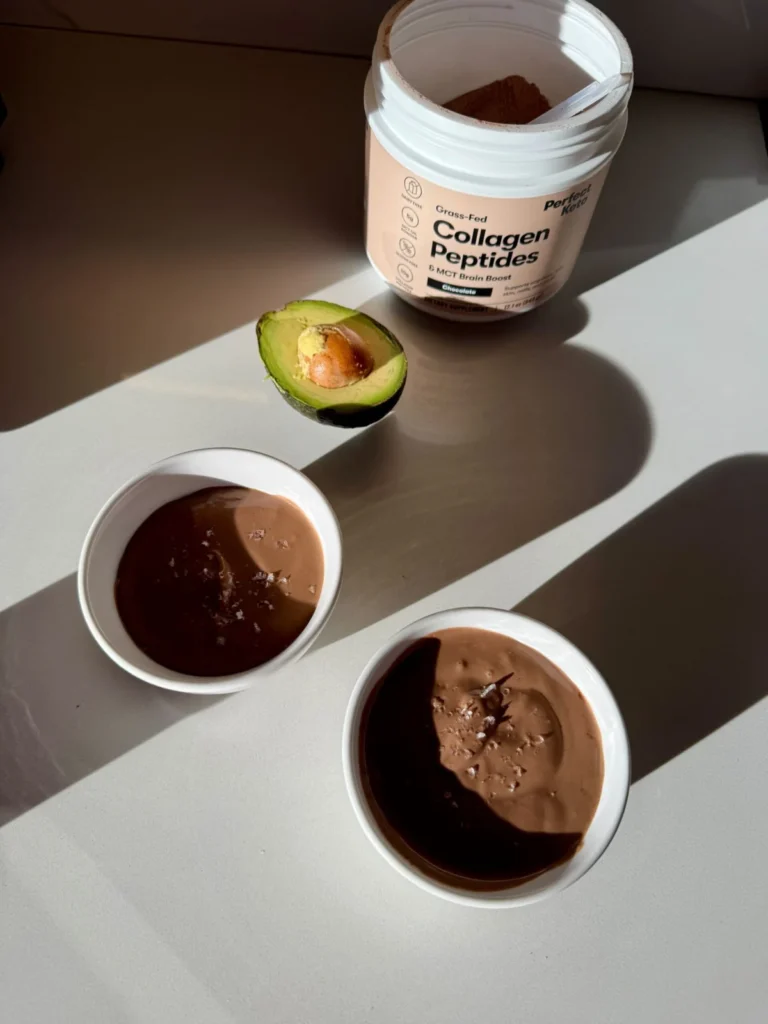
The introduction of a high-protein chocolate pudding recipe, prominently featuring cottage cheese, avocado, and Perfect Keto Chocolate Collagen, marks a significant development in the functional food sector, underscoring a growing consumer demand for indulgent yet nutritionally robust dessert options. This particular formulation, lauded for its rich, creamy texture and substantial protein content, exemplifies how brands and culinary innovators are responding to the dual desires for pleasure and performance in dietary choices. The recipe positions itself as a guilt-free indulgence, designed not merely to satisfy a sweet craving but also to actively fuel the body, aligning with broader trends in personalized nutrition and the burgeoning market for health-conscious convenience.
The Ascent of Functional Desserts: A Market Overview
The food industry has witnessed a dramatic shift over the past decade, moving beyond basic sustenance to embrace "functional foods" – products offering health benefits beyond basic nutrition. Desserts, traditionally viewed as treats to be consumed sparingly, are increasingly being re-engineered to fit this paradigm. The high-protein chocolate pudding recipe from Perfect Keto is a prime example of this evolution. Global market insights indicate a robust growth trajectory for functional foods, with projections estimating the market to reach over $300 billion by the mid-2020s. This expansion is driven by heightened consumer awareness regarding diet’s impact on chronic disease prevention, weight management, and overall well-being. Within this landscape, the demand for high-protein products has surged, with protein being recognized for its role in satiety, muscle repair, and metabolic health. Data from market research firms show that products boasting "high protein" claims consistently outperform conventional alternatives in various food categories, including snacks and desserts.

A Deep Dive into Key Ingredients and Their Nutritional Merits
The innovative blend of ingredients in this chocolate pudding is central to its functional appeal. Each component is strategically chosen for its nutritional profile and its contribution to the desired texture and flavor, transforming a simple dessert into a powerhouse of beneficial compounds.
-
Cottage Cheese: Often relegated to the realm of diet food, cottage cheese serves as the unsung hero of this recipe, providing a substantial protein base. Rich in casein protein, a slow-digesting protein, it offers sustained amino acid release, promoting prolonged satiety and aiding muscle recovery. A typical half-cup serving of low-fat cottage cheese can deliver approximately 12-14 grams of protein, along with essential minerals like calcium and phosphorus. Its neutral flavor and smooth texture, when blended, make it an ideal base for creamy desserts, demonstrating its versatility beyond savory applications. The inclusion of cottage cheese reflects a broader trend of incorporating everyday, affordable ingredients into novel functional food applications.
-
Avocado: This fruit (botanically a single-seed berry) contributes healthy monounsaturated fats, dietary fiber, and a wealth of vitamins (K, C, B6, E) and minerals (potassium, folate). Its creamy consistency is instrumental in achieving the pudding’s luxurious mouthfeel without relying on traditional dairy fats or artificial thickeners. The healthy fats in avocado are crucial for nutrient absorption, particularly fat-soluble vitamins, and contribute to satiety. Furthermore, the fiber content supports digestive health and helps stabilize blood sugar levels, a significant advantage in a dessert context.
-
Perfect Keto Chocolate Collagen: This branded ingredient is a cornerstone of the recipe’s high-protein claim and its alignment with ketogenic principles. Collagen, the most abundant protein in the human body, is increasingly recognized for its benefits beyond skin elasticity, including support for joint health, gut integrity, and overall connective tissue strength. Perfect Keto’s specific formulation, often derived from grass-fed sources and infused with Medium-Chain Triglycerides (MCTs), amplifies its functional profile. MCTs are readily converted into ketones, providing an efficient energy source for individuals following a ketogenic diet. The chocolate flavoring naturally enhances the dessert’s appeal, seamlessly integrating a supplement into a palatable food item. The use of branded collagen highlights the synergistic relationship between supplement manufacturers and recipe developers in the functional food ecosystem.
The Ketogenic Connection: Protein, Fats, and Metabolic Health
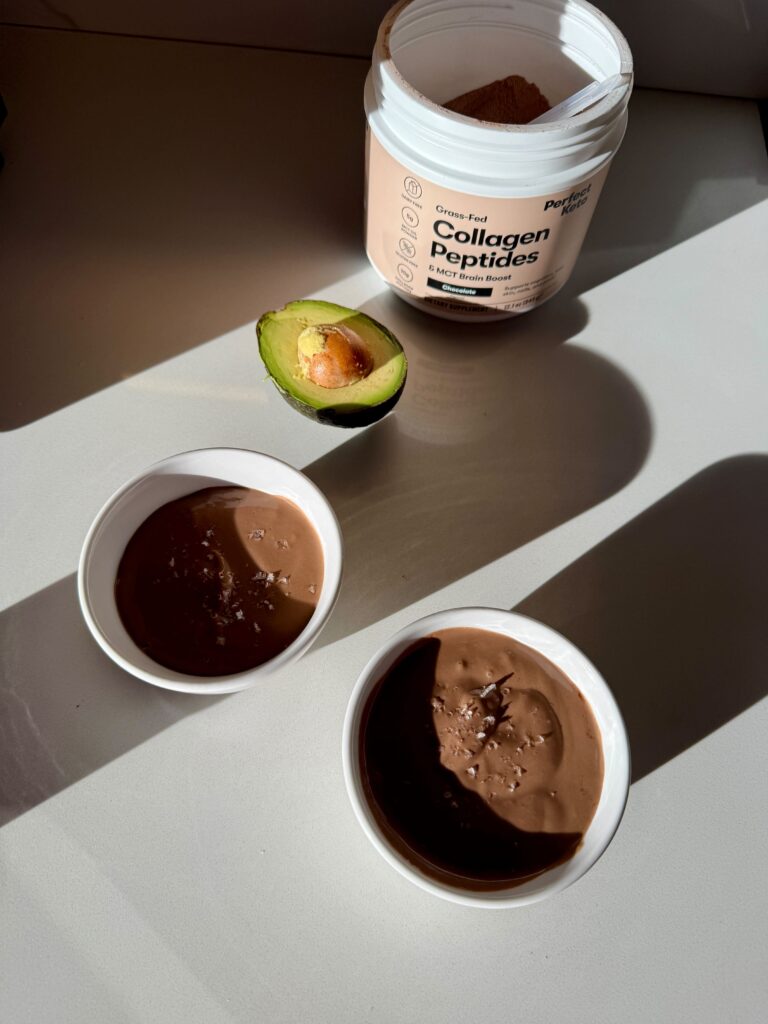
The recipe’s implicit connection to the ketogenic diet is a crucial element of its market positioning. The ketogenic diet, characterized by very low carbohydrate intake, moderate protein, and high fat consumption, aims to shift the body’s metabolism into a state of ketosis, where it primarily burns fat for fuel. While high fat is emphasized, adequate protein intake is critical to preserve muscle mass and support various bodily functions without kicking the body out of ketosis. This pudding, with its balanced macronutrient profile (high protein, healthy fats from avocado and MCTs, and minimal net carbohydrates), offers a dessert solution that adheres to ketogenic principles. For individuals managing their carbohydrate intake, finding satisfying dessert options can be challenging. This recipe addresses that gap by providing a flavorful, protein-dense alternative, mitigating the common perception that healthy eating necessitates sacrificing enjoyment.
Chronology of a Culinary Trend: From Niche Diets to Mainstream Appeal
The journey towards products like the High-Protein Chocolate Pudding can be traced through several key developments:
- Early 2000s: The Atkins diet and other low-carb approaches gain initial traction, introducing concepts of carbohydrate restriction to a broader audience, though often with mixed public perception.
- Mid-2010s: The ketogenic diet experiences a resurgence, fueled by anecdotal success stories and increasing scientific interest in its potential therapeutic applications beyond epilepsy, including weight loss and metabolic health. Social media platforms play a pivotal role in disseminating information and fostering communities around keto living.
- Late 2010s: The "functional food" movement accelerates. Consumers begin actively seeking products that offer specific health benefits. Protein supplements, once confined to athletic circles, move into mainstream grocery aisles. Brands like Perfect Keto emerge, specializing in products tailored for the keto lifestyle.
- Early 2020s: The convergence of these trends leads to an explosion of keto-friendly, high-protein recipes and products that prioritize both taste and nutritional value. The emphasis shifts from strict dietary adherence to incorporating "healthier" versions of beloved foods. Recipes like the High-Protein Chocolate Pudding symbolize this maturation, demonstrating how once-niche dietary principles are integrated into appealing, accessible formats.
Industry Reactions and Expert Insights
The emergence of such recipes is not merely a culinary footnote but a reflection of significant shifts within the food industry and public health discourse.
- Food Industry Analysts: "The demand for ‘stealth health’ products, where nutritional benefits are seamlessly integrated into indulgent foods, is a powerful market driver," states Dr. Eleanor Vance, a food innovation consultant. "Consumers no longer want to compromise. They seek products that offer both pleasure and purpose. Recipes like this chocolate pudding are vital for brands like Perfect Keto to demonstrate the versatility and appeal of their core ingredients, bridging the gap between supplement and everyday food."
- Nutritionists and Dietitians: While generally advocating for whole, unprocessed foods, many nutrition experts acknowledge the role of well-formulated functional foods in supporting dietary goals. "Incorporating protein-rich components into desserts can significantly improve satiety and help manage blood sugar responses, especially for individuals trying to reduce overall sugar intake or manage weight," explains registered dietitian Sarah Chen. "The combination of casein protein from cottage cheese, healthy fats from avocado, and collagen offers a nutrient-dense profile that’s far superior to traditional, sugar-laden puddings. However, it’s crucial for consumers to understand that these are still treats and should be consumed as part of a balanced dietary pattern."
- Perfect Keto Spokesperson (Inferred): "At Perfect Keto, our mission is to make healthy living accessible and enjoyable," a company representative might state. "This high-protein chocolate pudding recipe is a testament to that philosophy. By showcasing how our premium collagen can be incorporated into delicious, everyday foods, we empower our community to make smarter choices without feeling deprived. It’s about demonstrating that health and indulgence can, and should, coexist."
Broader Impact and Implications
The proliferation of recipes and products like the High-Protein Chocolate Pudding has several far-reaching implications:
- Reshaping Consumer Expectations: Consumers are becoming more discerning, expecting transparency in ingredients and demonstrable health benefits from their food choices. This pushes food manufacturers to innovate and reformulate products to meet these evolving standards.
- Innovation in Product Development: The success of such recipes encourages further research and development into novel ingredient combinations and processing techniques that can enhance the nutritional profile of traditionally "unhealthy" foods. This could lead to a wider array of protein-fortified, low-sugar, and fiber-rich desserts and snacks.
- Education and Dietary Literacy: These developments also contribute to a greater public understanding of macronutrients (protein, fats, carbohydrates) and their roles in the body. As people experiment with recipes and products, they often become more educated about their own nutritional needs.
- Addressing Public Health Challenges: While not a panacea, offering healthier alternatives in categories like desserts can play a small but significant role in addressing public health challenges such as obesity and type 2 diabetes, which are often exacerbated by excessive consumption of sugary, nutrient-poor foods. By providing satisfying, protein-rich options, these products can help reduce cravings for less healthy choices.
- Sustainability Considerations: The sourcing of ingredients, particularly grass-fed collagen, brings into focus the broader conversation around sustainable food systems and ethical animal husbandry. As consumers become more aware of these aspects, brands that prioritize transparency and responsible sourcing gain a competitive advantage.
Challenges and Future Outlook
Despite the positive momentum, challenges remain. The perception of "healthy" desserts can sometimes deter consumers accustomed to conventional tastes. The cost of premium ingredients like grass-fed collagen or organic avocados can also make these options more expensive than traditional alternatives. Furthermore, while beneficial, relying too heavily on processed ingredients, even healthy ones, can divert attention from the importance of whole, unprocessed foods as the foundation of a healthy diet.
Looking ahead, the functional food market is poised for continued innovation. We can anticipate further advancements in plant-based protein sources for desserts, personalized nutrition plans that integrate such recipes, and smart packaging that provides real-time nutritional feedback. The ongoing research into the gut microbiome and its connection to overall health is also likely to drive the development of probiotic and prebiotic-enhanced functional desserts. The High-Protein Chocolate Pudding, therefore, is not just a standalone recipe; it is a microcosm of a larger movement, signifying a future where the lines between nourishment and indulgence continue to blur, driven by a collective pursuit of better health and well-being. The ability to enjoy a rich, creamy chocolate dessert while simultaneously contributing to one’s protein intake and overall health goals represents a significant stride in modern dietary practices and food technology.